FibroCeram Materials
FibroCeram Materials
FibroCeram Materials
Engineered for excellence in extreme thermal environments
E-E-A-T Certified Insights into Modern Refractory Science
In the current era of industrial decarbonization and energy efficiency, the role of Ceramic Fiber Products has evolved from simple insulation to a critical component of macro-economic sustainability. As a leading manufacturer in China, Henan FibroCeram Advanced Materials Co., Ltd. (Titan New Material) stands at the forefront of this transformation. The global ceramic fiber market is projected to witness a CAGR of over 7% through 2030, driven by the surging demand in aerospace, iron and steel, and renewable energy sectors.
The core value of ceramic fiber lies in its extremely low thermal conductivity and low heat storage capacity. By replacing traditional refractory bricks with lightweight ceramic fiber modules, industrial kilns can reduce energy consumption by 20% to 40%. This is not just a technical upgrade; it is an essential strategy for global enterprises to meet "Net Zero" carbon targets. Our expertise spans decades of research into Aluminum Silicate and Bio-Soluble chemistries, ensuring that our products meet the highest safety and performance standards required by international search quality ratings and industrial certifications.
Premium Insulation Solutions from Henan FibroCeram

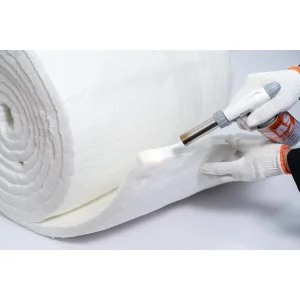
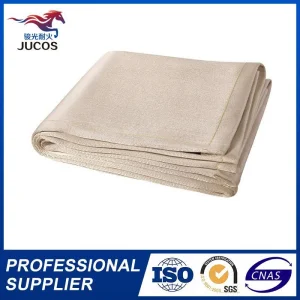
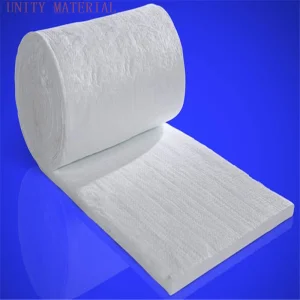
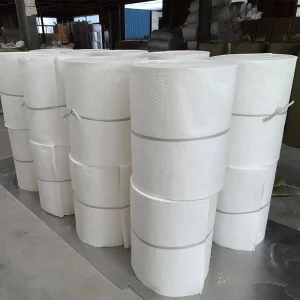
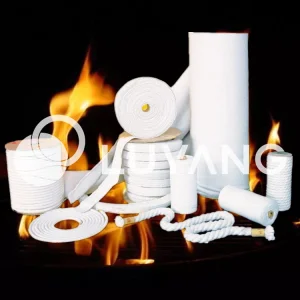
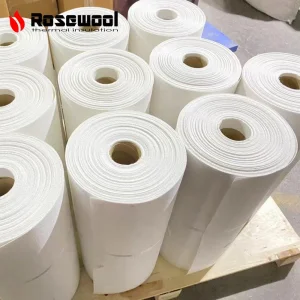
Classified into three temperatures: 1260°C, 1300°C, and 1430°C. Thickness ranges from 6mm to 50mm, with densities from 64kg/m³ to 160kg/m³.

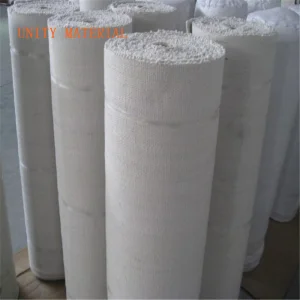
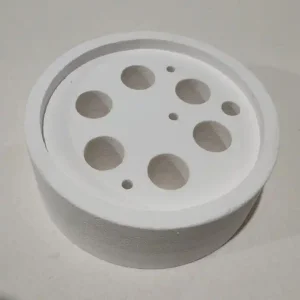
Available for 1260°C and 1430°C applications. Thickness: 6mm to 100mm. Density: 220kg/m³ to 600kg/m³. High compressive strength and excellent machining properties.

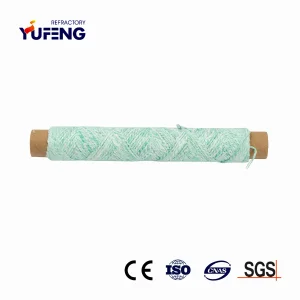
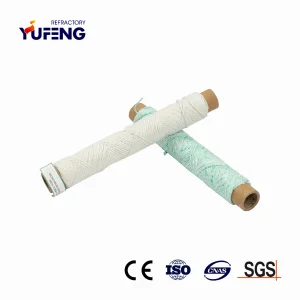
Three types: 1260°C standard, 1350°C high aluminum, and 1430°C ZrO2. Thickness: 1mm to 10mm. Perfect for precision gaskets and expansion joints.

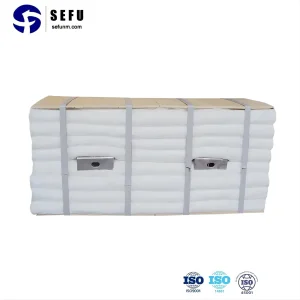
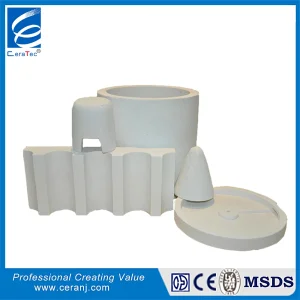
Constructed from folded or stack-bonded blankets. Density: 160kg/m³ to 240kg/m³. Pre-installed with Type S/M/T anchors for rapid furnace lining installation.
The Evolution of Refractory Materials in a Low-Carbon Economy
The industry is moving away from traditional Refractory Ceramic Fiber (RCF) toward safer, more efficient alternatives. Our roadmap includes:
Trend 1: Bio-Solubility (AES Wool). With increasing health regulations in the EU and North America, Calcium-Magnesium-Silicate (AES) fibers are becoming the standard. These fibers dissolve in human body fluids if inhaled, ensuring workplace safety without compromising thermal performance.
Trend 2: Ultra-Thin Aerogel Integration. We are pioneering the combination of ceramic fiber with Silica Aerogel to create ultra-thin, high-efficiency insulation for space-constrained applications like EV battery packs and high-speed rail piping.
Optimizing Thermal Management Across Global Sectors

Providing linings for RTO incinerators, shuttle kilns, and rotary kilns to ensure consistent heat distribution and minimal thermal loss.
Tunnel kiln linings that withstand chemical attack and rapid thermal cycling, increasing the lifespan of the refractory structure.
Crucial heat shields and ladle covers. Our materials handle the extreme 1430°C+ environment of molten steel processing with ease.
Utilizing high-density blankets for fire doors and cable tray wraps, providing critical safety time during building fires.

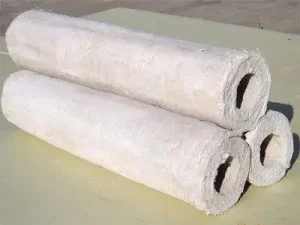
Precision-cut fiber or Rockwool solutions for industrial piping, preventing energy leakage in both extreme cold and heat.
Expert answers for engineers and procurement specialists
The main difference lies in the chemical composition. 1260C is standard aluminum silicate, while 1430C (Zirconia grade) includes Zirconium Dioxide (ZrO2) which enhances its resistance to shrinkage and high temperatures, making it suitable for continuous use in extreme environments.
Yes. We offer a full range of Bio-Soluble (AES) fibers that are exempt from carcinogenic classification according to Note Q of EU Directive 97/69/EC. These are ideal for applications where worker safety and environmental regulations are top priorities.
In most cases, yes. Ceramic fiber modules and blankets provide much lower thermal mass, which allows for faster furnace heat-up and cool-down cycles, significantly reducing fuel consumption and increasing production throughput.
Higher density (e.g., 128kg/m³ or 160kg/m³) provides better thermal insulation and mechanical strength, which is vital for high-velocity gas environments. Lower densities (64kg/m³ or 96kg/m³) are more cost-effective for static backup insulation.
Available for immediate shipping to 50+ countries