The Strategic Evolution of Thermal Insulation in Uganda
As Uganda accelerates its journey toward industrialization under the National Development Plan III (NDP III), the demand for high-efficiency refractory materials has reached an all-time high. From the steel mills of Tororo to the food processing plants in Mukono, industries are seeking ways to reduce energy consumption and improve furnace longevity.
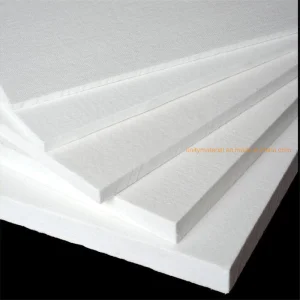
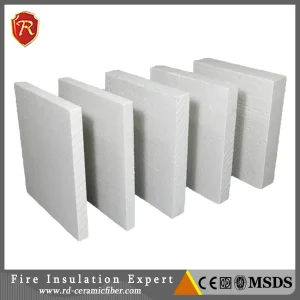
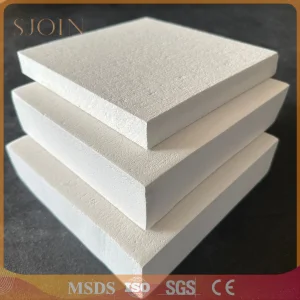
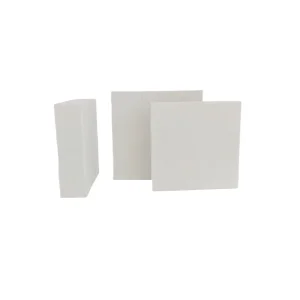
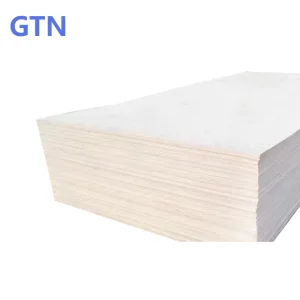
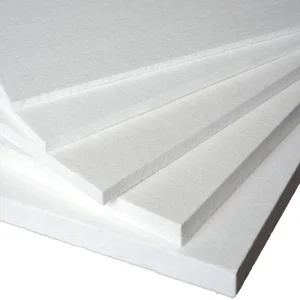
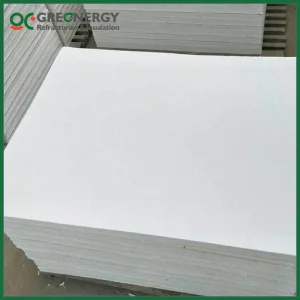
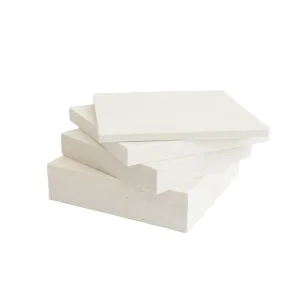
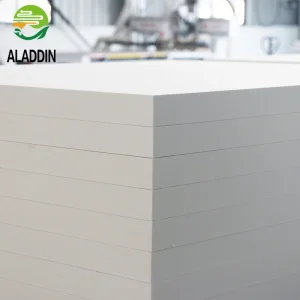
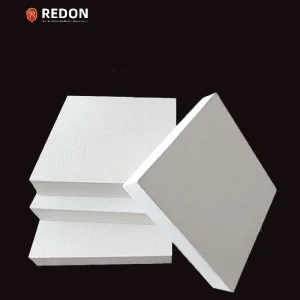
Ceramic Fiber Boards (RCF) represent a pivotal technological shift for Ugandan manufacturers. Unlike traditional refractory bricks, these boards offer low thermal mass, exceptional chemical stability, and rapid installation capabilities. Henan FibroCeram Advanced Materials Co., Ltd. serves as a primary supply chain partner, bridging the gap between Chinese manufacturing excellence and East African industrial requirements.
1600°C
Max Temp Resistance
40%+
Energy Savings
15+
Years Exp. in Export
ISO9001
Certified Quality
Uganda Industrial Context: Why Localization Matters
Uganda's industrial sector is unique, characterized by a mix of emerging heavy industries and a strong agricultural processing base. Our
Ceramic Fiber Boards are specifically engineered to handle the humidity and operational fluctuations common in the region.
- Steel & Metallurgy: Supporting the expansion of local steel production in Jinja, our boards are used for ladle covers and reheat furnace linings.
- Cement & Mining: Providing critical backup insulation for kilns in Hima and Tororo, ensuring consistent heat retention.
- Food & Beverage: High-density boards are utilized in industrial ovens for bakeries and tea processing plants, ensuring food-grade safety and heat precision.
Technical Roadmap: The Science of High-Alumina Fiber
The core of our product superiority lies in the Vacuum Forming Process. By utilizing high-purity alumina-silicate fibers and inorganic binders, we produce boards that maintain structural integrity even under thermal shock. For the Ugandan market, we offer:
- Standard Grade (1260°C): Ideal for general kiln linings and fire doors.
- High-Alumina Grade (1360°C): Enhanced chemical resistance for corrosive environments.
- Zirconium Grade (1430°C): The gold standard for glass melting and continuous annealing furnaces.
⚡
Energy Efficiency
Reduces heat loss by up to 30% compared to traditional fire bricks, lowering fuel costs for Ugandan SMEs.
🛡️
Fire Safety
Non-combustible A1 rating, essential for warehouse firewalls and industrial fire door cores.
🏗️
Easy Fabrication
Can be easily cut, drilled, or machined on-site in Uganda without specialized heavy equipment.
China-Uganda Supply Chain Resilience
As a leading exporter, Henan FibroCeram optimizes the logistics path from our factory in China to the port of Mombasa, and subsequently via the Northern Corridor to Kampala. We understand the importance of:
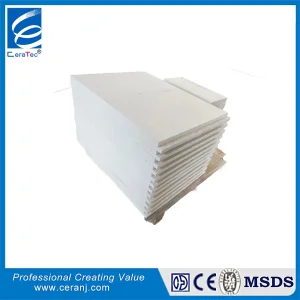
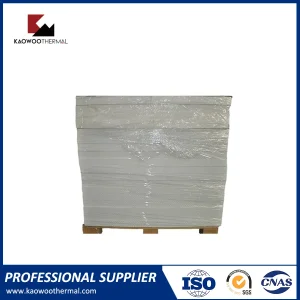
1. Moisture-Proof Packaging: Every pallet is vacuum-sealed to prevent tropical humidity from affecting board density during sea transit.
2. Compliance: We provide full documentation required by the Uganda National Bureau of Standards (UNBS) and PVoC certification.
3. Lead Time: Our factory maintains a 500-ton monthly buffer to ensure rapid dispatch for urgent industrial repairs in Uganda.
Global Trends & Future Outlook
The global transition toward "Green Manufacturing" is influencing refractory choices. In Europe and Asia, there is a significant move toward Bio-Soluble Fibers to meet health and safety regulations. We are bringing these advanced technical routes to Uganda, offering eco-friendly options that provide the same thermal performance without the regulatory burden of traditional RCF.
Frequently Asked Questions (FAQ)
Can these boards be used in Uganda's pizza ovens?
Yes, our high-density ceramic fiber boards are excellent for base and dome insulation in pizza ovens, ensuring fast heating times and external safety.
How do I install the boards in a steel furnace?
They can be fixed using high-temperature adhesives or mechanical stainless steel anchors (S/M/T types) which we also supply.
What is the typical lifespan in a high-heat environment?
With proper installation and within rated temperatures, our boards typically last 3-5 years in continuous industrial operation.
Do you provide local support in Uganda?
We offer remote engineering consultations for Ugandan projects and can coordinate with local installation teams in Kampala and Jinja.
 FibroCeram Materials


 Industrial Ovens
 Brick Kilns
 Pizza Ovens
 Steel Industry
 Fire Doors
 Pipe Insulation