FibroCeram Materials
FibroCeram Materials
FibroCeram Materials
Explore our industry-validated engineered products, structured to deliver ultra-low thermal conductivity and maximum mechanical reliability across absolute extremes.
In modern high-temperature industrial sectors, the demand for thermally stable, structurally resilient, and energy-conserving refractory materials has reached unprecedented heights. As global thermal operations pivot toward net-zero targets and strict energy-efficiency benchmarks, the selection of the core insulation element becomes critical. Henan FibroCeram Advanced Materials Co., Ltd. (commercially recognized under our premium brand Titan New Material) stands at the absolute vanguard of this technical revolution. As a highly integrated, technology-centric Custom Ceramic Fiber Core Manufacturer & Supplier, we deliver custom-tailored solutions designed to survive operational temperatures exceeding 1430°C.
Traditional thermal blankets frequently struggle with delamination, localized structural failure, and elevated thermal shrinkage under prolonged cyclic loading. The scientific team at Henan FibroCeram has successfully engineered optimized ceramic fiber matrixes by systematically adjusting the alumina-to-silica stoichiometry and incorporating trace transition metal oxides (such as high-purity Zirconia). Our materials demonstrate reduced shot content, optimal mechanical fiber length, and enhanced tensile strength, dramatically lowering the overall Levelized Cost of Thermal Operations (LCTO) for global enterprises.
By working hand-in-hand with engineering, procurement, and construction (EPC) firms, we offer critical Information Gain through complete microstructural profiling, customized continuous-use guidelines, and thermal computational fluid dynamics (CFD) modeling support. The result is a highly reliable thermal boundary layer that protects industrial infrastructure while yielding major energy savings.
Engineered with precision chemical formulations to perform reliably across demanding thermal boundary conditions.

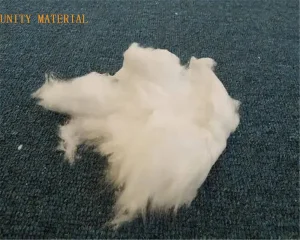
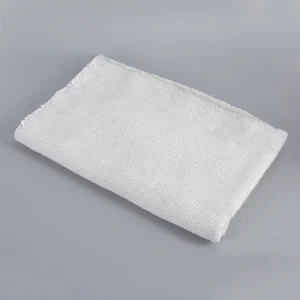
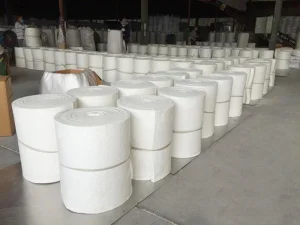
Double-needled, mechanically interlocking mats produced from high-purity synthesized raw materials, completely binder-free.

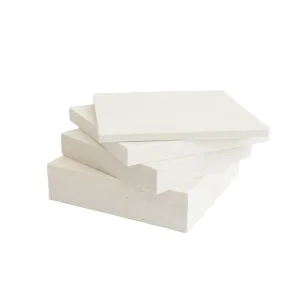
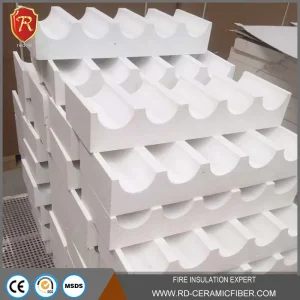
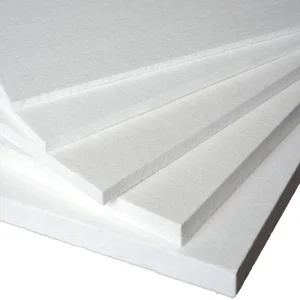
Rigid, high-load-bearing structural sheets manufactured via specialized wet vacuum slurry processes with organic & inorganic binders.

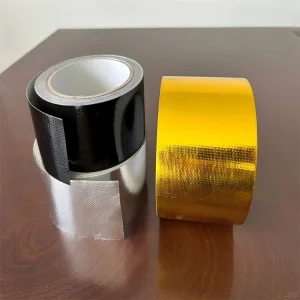
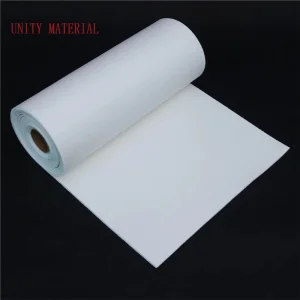
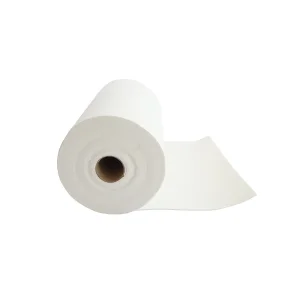
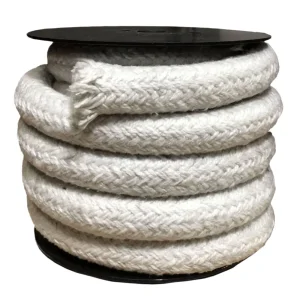
Ultra-thin, highly flexible refractory sheets optimized for precision heat barriers, gasketing, and thermal expansion joints.

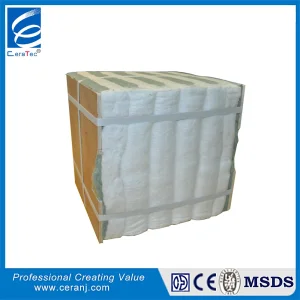
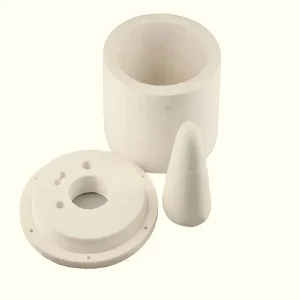
Pre-compressed, monolithic lining blocks configured for fast, secure installation on furnace structural shells.
Our high-density ceramic fiber technologies are integrated into high-stress thermal boundaries across the globe.

High-thermal efficiency execution for RTO (Regenerative Thermal Oxidizer) incinerators, shuttle kilns, rotary kilns, rolling kilns, and high-temp Muffle furnaces.
Robust lining matrices for heavy-duty movable kilns and continuous tunnel kilns, engineered for advanced structural brick and technical ceramics manufacturing.

Premium thermal insulation layouts for commercial and high-end residential stone pizza ovens, maximizing heat retention and lowering outer shell temperatures.
Specialized refractories designed to endure aggressive metallurgical slag, severe thermal shock, and thermal radiation in ladles, tundishes, and reheating systems.
High-density, structurally rigid ceramic fiber core materials integrated directly into fireproof assemblies, meeting strict global commercial safety ratings.

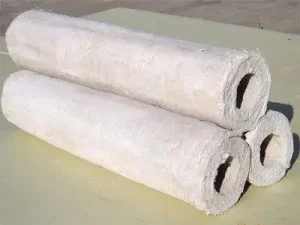
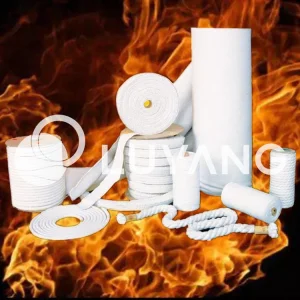
Advanced ceramic fiber wrap and robust rockwool insulating jackets for high-temperature steam lines, district heating pipes, and complex petrochemical process pipelines.
Industrial landscapes differ significantly by geographic location, climate conditions, and regional emission standards. The deployment of custom ceramic fiber cores must adapt accordingly:
In highly regulated markets like North America and the European Union, operational models focus intensely on reducing Carbon Intensity (CI). Our custom vacuum-formed ceramic fiber shapes are utilized in advanced hydrogen-combustion blending furnaces where traditional refractory bricks are prone to rapid spalling due to the elevated moisture output of hydrogen flames. The non-reactive, amorphous silicate structure of our custom fiber cores maintains structural integrity under these harsh conditions.
In hot, humid coastal petrochemical corridors (such as the US Gulf Coast, Middle East, and Southeast Asia), external piping systems face harsh atmospheric corrosion alongside extremely high operational temperatures. Here, Titan New Material provides aluminum-foil-laminated, water-resistant ceramic fiber blankets. By using a barrier layer, we prevent under-insulation corrosion (CUI) while ensuring thermal efficiency up to 1260°C.
The global high-temperature insulation market is moving rapidly toward eco-friendly chemistry and lower energy footprints. Our research and development center operates on a clear technical roadmap focused on three key areas:
Operating in Henan Province—the center of high-grade aluminosilicate mineral deposits—gives Henan FibroCeram an exceptional strategic advantage in raw materials. Our vertically integrated supply chain ensures consistent quality and cost control at every stage: from raw calcined bauxite ores to high-purity silica sands, right down to the finished vacuum-formed boards.
While many global manufacturers struggle with rising energy and mineral costs, our fully optimized facilities use clean natural gas for melting processes. Together with automated, high-output needle-punching production lines, this enables us to offer outstanding price-performance value. We maintain a constant reserve of raw inputs, insulating our global clients from supply shocks. Whether you need a standard container of blankets or custom-engineered heating elements, our shipping turnarounds remain stable, predictable, and highly efficient.
Entering international supply chains requires meeting strict, verifiable technical standards. Titan New Material ensures that all our ceramic fiber products conform to international quality and environmental safety frameworks. We operate with certifications covering major global standards:
Our blankets and boards are rigorously tested under ASTM C892 protocols to verify their classification temperature, density, tensile strength, and linear shrinkage under extreme heat.
Our bio-soluble fiber options strictly comply with REACH and RoHS standards, eliminating restricted heavy metals and keeping harmful crystalline silica levels well below target thresholds.
From melting raw materials to final packaging, our quality control procedures are fully documented and audited, ensuring complete batch-to-batch consistency and traceability.
Beyond producing premium materials, our technical engineering team provides support through: 3D thermal profiling, CAD furnace layout design, installation supervisions, and on-site engineering consultations. We help thermal engineers and plant managers optimize insulation thickness, minimize heat losses, and lower energy costs.
Answers to critical questions asked by procurement directors and furnace system designers.
The primary difference lies in the chemical composition. Standard grade paper utilizes an approximately equal mix of alumina and silica. High-Alumina grade increases the Al₂O₃ content to roughly 52-55%, boosting its continuous resistance to crystallization. The 1430°C Zirconia grade incorporates Zirconium Dioxide (ZrO₂) into the raw melt, which stabilizes the amorphous silicate structure at elevated temperatures. This prevents shrinkage and structural fiber devitrification under intense, prolonged heat.
Increasing density significantly reduces thermal conductivity at high temperatures. In a denser blanket, the fibers are packed more tightly, which restricts the flow of hot air through the material and cuts convective heat transfer. Furthermore, a denser blanket offers stronger resistance to mechanical wear and gas velocity erosion, making it ideal for high-airflow furnace zones.
Yes, our vacuum-forming process uses a blend of organic binders to provide high green-strength for shipping and handling, along with inorganic binders for high-temperature stability. During the initial firing cycle (typically around 150°C to 300°C), these organic binders will burn off, which may produce light smoke and a temporary odor. Once completed, the inorganic silica-alumina bond remains, ensuring the board keeps its full structural strength and shape up to its maximum temperature rating.
Absolutely. We specialize in custom-engineered vacuum forming. Using your design specifications or CAD drawings, we build custom metal molds to produce precise components—including burner blocks, heating element supports, launders, and curved pipe jackets. This ensures a clean fit with no on-site modifications required, reducing installation time and dust.
AES (Alkaline Earth Silicate) wool yarn is spun from highly bio-soluble calcium-magnesium-silicate fibers. If fibers are inhaled during handling or installation, they dissolve quickly in human body fluids and are naturally cleared, lowering health risks. This offers an excellent, safe alternative for high-stress packing and sealing applications up to 1200°C.
Engineered for extreme reliability, low shrinkage, and exceptional thermal stability across complex industrial systems.