FibroCeram Materials
FibroCeram Materials
FibroCeram Materials
Explore our premium product range designed for structural integrity and exceptional insulation properties.
Titan New Material, operating under Henan FibroCeram Advanced Materials Co., Ltd., is an established leader in the design, engineering, and manufacturing of premium ceramic fiber refractory materials. For decades, we have provided advanced thermal insulation solutions across dynamic global markets, supporting critical processes in steelmaking, power generation, petrochemical processing, and commercial kilns.
Our commitment to rigorous science, material purity, and precise manufacturing makes us the preferred partner for complex, high-reliability thermal management projects. From high-grade blankets and precision vacuum-formed shapes to specialty ceramic fiber cloth rolls, we consistently deliver components designed to lower energy expenditures, reduce system wear, and ensure optimal personnel safety.

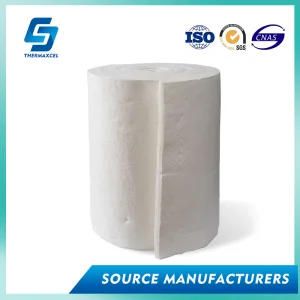
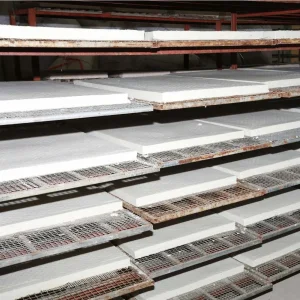
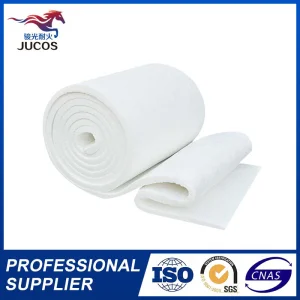
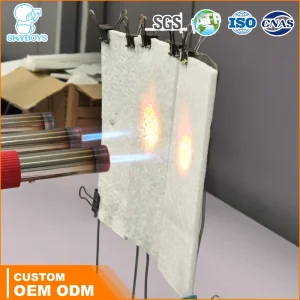
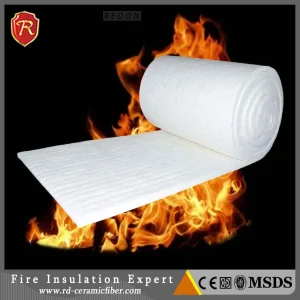
Classified under three distinct service temperatures (1260°C, 1300°C, and 1430°C). Thicknesses span from 6mm to 50mm, with densities ranging from 64 kg/m³ to 160 kg/m³. Highly resilient to chemical and thermal shocks.

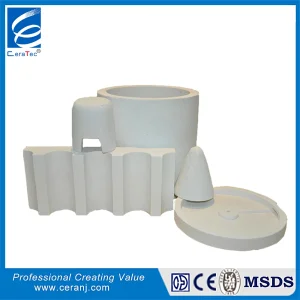
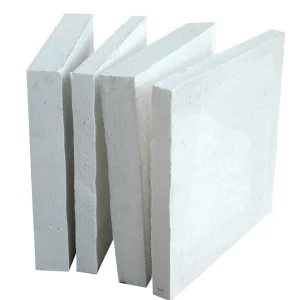
Engineered for rigid self-supporting structures, rated for 1260°C and 1430°C. Thicknesses range from 6mm to 100mm, with structural densities from 220 kg/m³ to 600 kg/m³, optimizing compressive strength.

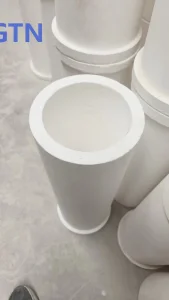
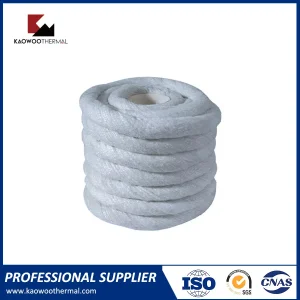
Designed for intricate gasketting and thermal seals. Formulations include 1260°C standard, 1350°C high-alumina, and 1430°C ZrO2-doped compositions. Thicknesses from 1mm to 10mm; densities up to 220 kg/m³.

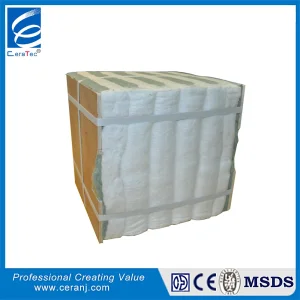
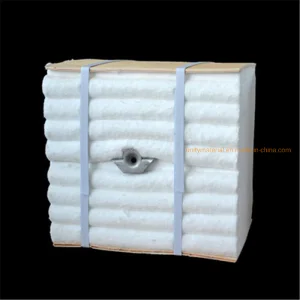
Assembled from compressed blankets into stack-bonded or folded forms (160 kg/m³ to 240 kg/m³). Pre-fitted with high-grade anchors (Type S, M, or T) for rapid, weldable kiln liner installation.
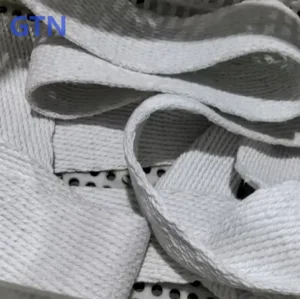
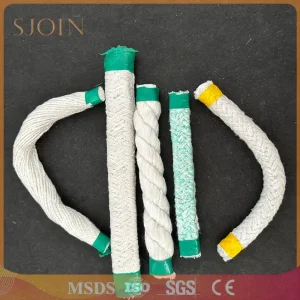
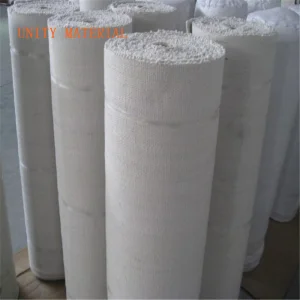
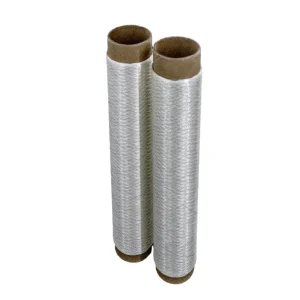
Modern thermal engineering demands insulation materials that combine flexibility with structural integrity. Ceramic fiber cloth rolls represent the pinnacle of flexible refractory textiles. Fabricated from high-purity aluminosilicate fibers, these woven textiles exhibit exceptional thermal and mechanical properties. In this whitepaper section, we analyze the thermal performance, composition, and reinforcement options of ceramic fiber cloth rolls.
Our ceramic fiber cloth is manufactured by spinning high-purity Al2O3 and SiO2 raw materials into long, flexible fibers. These fibers are then spun into yarns and woven into a dense, multi-ply textile. To maintain tensile strength during installations and high-temperature stress cycles, we reinforce the textile with secondary materials:
| Reinforcement Type | Maximum Service Temperature | Key Industrial Advantages | Typical Applications |
|---|---|---|---|
| Stainless Steel Wire (SS304/SS310) | 1050°C (1922°F) | High tensile strength retention, structural stability under mechanical vibration. | Furnace curtains, expansion joints, high-stress piping wraps. |
| Fiberglass Filament | 650°C (1202°F) | Superior electrical resistance, highly cost-effective, lighter weight profile. | Exhaust system lagging, protective blankets, welding curtains. |
| Inconel Wire (Custom alloy) | 1260°C (2300°F) | Exceptional resistance to chemical oxidation, mechanical deformation, and high heat. | Aerospace thermal barriers, petrochemical crackers, gas turbine seals. |
Each custom ceramic fiber cloth roll from Titan New Material is processed with a low percentage of organic binder material. This binder burns off cleanly during the initial heat-up cycle (usually starting at 300°C to 400°C), leaving a fully inorganic, flame-resistant textile barrier with minimal outgassing.
Note on Outgassing: The clean burn-off process ensures that no hazardous smoke or toxic compounds are generated, protecting both sensitive control systems and nearby personnel in enclosed environments.
From industrial steel mills to custom stone ovens, our ceramic fiber line offers target thermal solutions.

Widely utilized in RTO incinerators, shuttle kilns, rotary kilns, muffle furnaces, and rolling kilns. The cloth handles thermal stress joints and high-temperature sealing zones, minimizing hot air leakage.
Ideal for movable kilns and continuous tunnel kilns for ceramics and red bricks. Provides highly effective thermal backing behind heavy refractory brickwork, preventing structural expansion damage.

Ensures optimal thermal insulation in commercial pizza ovens. Retains interior baking temperatures, reduces external shell temperatures for operator safety, and minimizes structural energy loss.

Applied in ladle preheaters, blast furnace ducting, and soaking pit covers. Ceramic fiber textiles act as reliable splash shields against molten slag and provide high-efficiency thermal insulation liners.

High-density ceramic fiber blankets and custom woven textiles provide reliable insulation for commercial fire doors, establishing a critical barrier to flame spread and thermal radiation during emergencies.

Ensures superior thermal insulation for industrial piping networks. Applied as a flexible wrap to reduce heat loss in steam pipes, high-temperature conduits, and hot exhaust pipelines.
Henan FibroCeram Advanced Materials Co., Ltd. operates in Henan, China—a region globally recognized for its extensive mineral deposits and advanced refractory manufacturing base. Our localized supply chain is structured to ensure reliability, raw material purity, and cost efficiency for our international partners.
Our facility uses automated double-needle punching lines and precise electric arc furnaces to melt high-purity alumina and silica. This production setup ensures consistent fiber diameters, low shot content, and optimal mechanical strength. By managing every stage from raw material sourcing to final weaving, we minimize batch variations and ensure consistent thermal performance.
Global supply chain stability is a major focus for procurement departments. To meet this need, Titan New Material has optimized its logistics network:
Our R&D team is focused on developing next-generation refractory products to meet evolving environmental and performance standards:
To support critical infrastructure worldwide, our manufacturing processes follow strict quality standards. Titan New Material products undergo routine testing to verify compliance with international regulations:
Field Engineering and Customization: We offer tailored sizing, custom weave densities, and specialized wire reinforcements to match the mechanical requirements of your specific application.
Clear, technical answers to common queries regarding ceramic fiber cloth rolls and refractory textiles.
Our complete range of refractory materials is designed to ensure safety and thermal efficiency in high-temperature environments.