FibroCeram Materials
FibroCeram Materials
FibroCeram Materials
Highly durable refractory felt and thermal insulation configurations optimized for the humid tropical climates of West Africa.
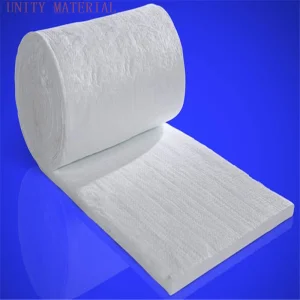
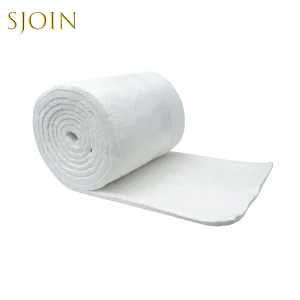
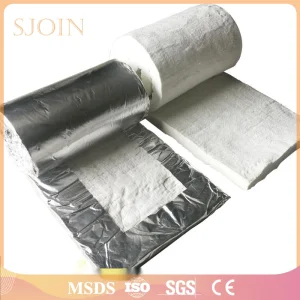
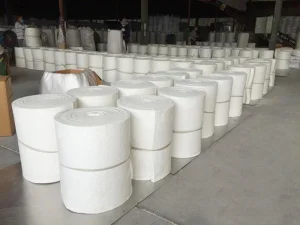
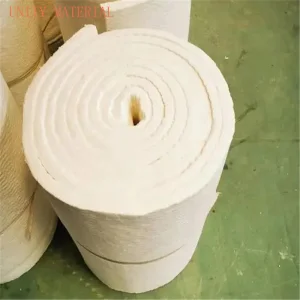
Benin, home to the rapidly growing Glo-Djigbé Industrial Zone (GDIZ) and the bustling maritime hub of Cotonou, is undergoing a pivotal industrial shift. From traditional cotton processing and agro-industrial production to modernized metal forging, cement manufacturing, and brick production, the country is actively modernizing its physical infrastructure.
These emerging industrial processes require precise temperature regulation, efficient thermal insulation, and fire safety protocols. Ceramic fibre felt is becoming an essential material for West African factory owners seeking to minimize energy losses, lower expensive butane or heavy fuel consumption, and protect workers from high-heat hazards.
With fuel pricing challenges in West Africa, regional businesses are under intense pressure to improve efficiency. Standardizing insulation within food processing bakeries and brick-firing kilns using Chinese manufactured 1260°C ceramic fibre felt reduces heat dissipation, resulting in energy cost savings of up to 35% compared to non-insulated setups.
Understanding the technical superiority and market scaling of premium ceramic fiber material supplies.

As a premier Chinese manufacturer, Henan FibroCeram Advanced Materials Co., Ltd. (Titan New Material) bridges the gap between raw material extraction and final installation requirements in overseas growth markets like Benin.
By using fully automated, double-sided needle punch production lines, we ensure high tensile strength and complete chemical composition consistency. Our products are free of binding agents, preventing toxic outgassing or structural degradation when operating under critical temperature thresholds.
Compare our ceramic fiber products to select the ideal option for your business requirements.
| Classification Type | Continuous Operating Temp | Standard Thicknesses | Density Options | Typical Applications |
|---|---|---|---|---|
| 1260°C Standard | 1050°C | 6mm - 50mm | 64kg/m³ - 128kg/m³ | Pizza ovens, bakery kilns, boiler linings, thermal pipe wrapping |
| 1350°C High Alumina | 1200°C | 10mm - 25mm | 96kg/m³ - 160kg/m³ | Petrochemical furnaces, hot-face linings, ceramic kilns |
| 1430°C Zirconia Grade | 1350°C | 12mm - 50mm | 128kg/m³ - 160kg/m³ | High-temperature metallurgy, industrial ovens, forging chambers |

Classified into 1260°C and 1430°C grades. Thicknesses range from 6mm to 100mm, with densities from 220kg/m³ to 600kg/m³. These boards provide exceptional rigidity, withstand high wind speeds inside exhaust channels, and resist mechanical damage.

Classified into 1260°C Standard, 1350°C High Aluminum, and 1430°C Zirconia grades. Thicknesses range from 1mm to 10mm, with densities from 170kg/m³ to 220kg/m³. Excellent for die-cut gaskets, thermal barriers, and insulation in tight spaces.

Constructed by folding or compressing ceramic fiber blankets. Densities range from 160kg/m³ to 240kg/m³. These modules are available with pre-installed Type S/M/T anchoring systems to ensure reliable high-temperature lining installations.
Classified into 1260°C, 1300°C, and 1430°C grades. Thicknesses range from 6mm to 50mm, with densities from 64kg/m³ to 160kg/m³. Exceptional tensile strength, low heat storage, and complete thermal shock resistance make them the standard choice for kiln insulation.
Bridging engineering expertise with regional agricultural, industrial, and urban applications.

Thermal lining for RTO incinerators, shuttle kilns, rotary kilns, rolling kilns, and muffle furnaces across the Cotonou economic zone.
Movable and tunnel kilns used in ceramic brick production. These linings maintain stable operating temperatures, improving fuel efficiency.

Thermal insulation for small commercial pizza ovens and artisanal bakeries throughout Benin, improving safety and heat retention.

Critical lining configurations for foundries and ladle backing insulation, helping to optimize high-temperature casting processes.

High-density ceramic fiber blankets are used inside structural fire doors to slow heat transfer and meet building safety regulations.

Provides durable thermal insulation for industrial piping systems, ensuring safety and thermal efficiency in chemical processing plants.
Globally, the refractory market is shifting toward lighter-weight, energy-efficient insulating fibers. The rising cost of traditional fuels and international carbon reduction mandates are prompting industrial facilities to move away from conventional, energy-intensive dense refractories.
For Benin's growing industrial sector, importing bulk orders of ceramic fiber felt from experienced Chinese suppliers offers a key competitive advantage. Purchasing high-density, low-thermal-conductivity felt allows companies to achieve stable heat distribution in processing equipment, reducing maintenance requirements and lowering long-term operational costs.
Maritime transport through tropical zones exposes cargo to high relative humidity. At Titan New Material, we address this by packing our ceramic fiber products in multi-layered, moisture-proof wrapping and securing them on strong pallets. This ensures they arrive at the Port of Cotonou in perfect condition, dry and ready for installation.
Essential insights for procurement managers and engineering teams sourcing ceramic fiber felt.
Traditional fiberglass insulation breaks down at temperatures above 300°C. Ceramic fiber felt maintains its physical structure and thermal resistance at temperatures up to 1260°C or 1430°C. This makes it ideal for direct exposure to open flames and high-temperature industrial environments.
While the material does not absorb water from air humidity, it should be kept dry during installation to prevent temporary steam generation when first heated. Once installed and heated, humidity does not affect its long-term thermal properties.
Production typical takes 10 to 15 days, depending on custom dimensions. Maritime transit from China's main ports (such as Qingdao or Tianjin) to Cotonou Port usually takes 35 to 45 days. We provide complete tracking documentation to help ensure a smooth customs clearance process.
Yes, we specialize in OEM production. We can customize density (from 64kg/m³ to 160kg/m³), width, thickness, and pre-cut shapes to match your specific kiln, boiler, or industrial system specifications.
Select the ideal high-performance insulating configuration for your application.
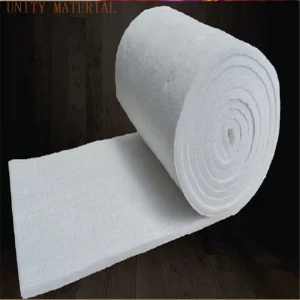
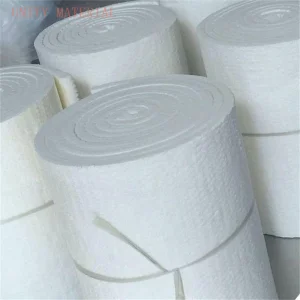
Get in touch with our technical team today for design support, direct factory prices, and shipping logistics to the Port of Cotonou.