FibroCeram Materials
FibroCeram Materials
FibroCeram Materials
Specifically matched for heavy industrial applications in Nepalese steel mills, cement plants, and brick manufacturing centers.
Nepal's industrial landscape is undergoing rapid modernization. With manufacturing hubs in regions like Birgunj, Bhairahawa, Biratnagar, and Hetauda expanding their operations, the demand for highly efficient thermal insulation has surged. Nepal's metal processing, cement processing, and traditional brick kilns require reliable high-temperature refractory materials to reduce fuel costs, improve carbon footprints, and guarantee operational safety.
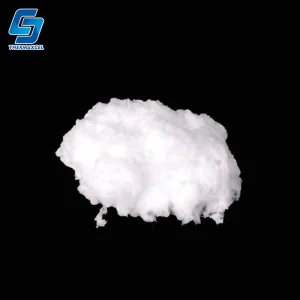
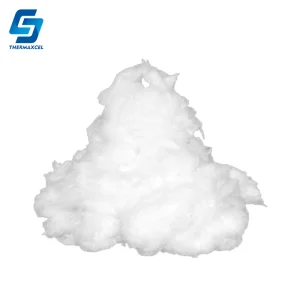
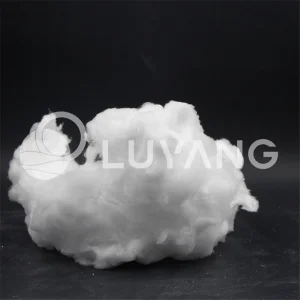
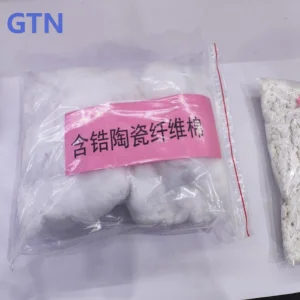
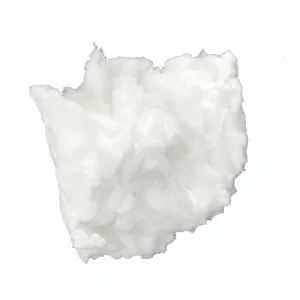
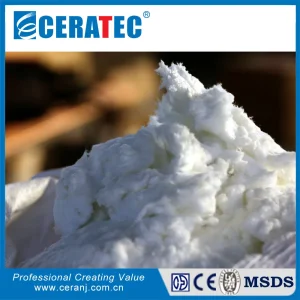
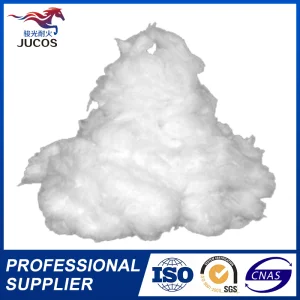
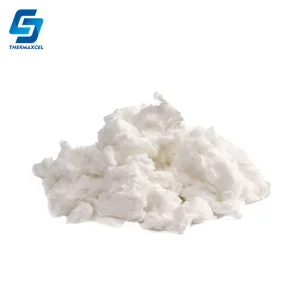
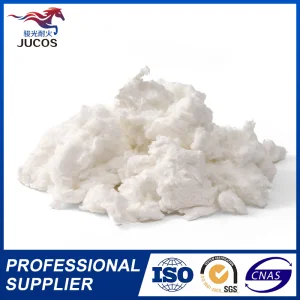
Our premium-grade Ceramic Fiber Bulk serves as the fundamental raw material for these industries, helping Nepalese enterprises build highly insulated linings for kilns, furnaces, boilers, and high-pressure steam pipelines.
Global Leaders in High-Performance Refractory & Thermal Insulation Engineering
Titan New Material (a major brand under Henan FibroCeram) is an industry-leading ceramic fiber manufacturer in China. We specialize in producing and exporting high-performance ceramic fiber blankets, bulk fiber, boards, papers, modules, refractory castables, and high-durability refractory bricks designed to withstand extreme environment thermal stresses.

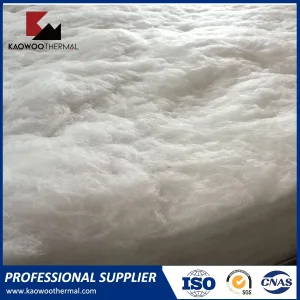
Classified into three temperatures: 1260°C, 1300°C, and 1430°C. Thicknesses range from 6mm to 50mm, with densities spanning 64 kg/m³ to 160 kg/m³.
Request Quote →
Classified into two temperature ratings: 1260°C and 1430°C. Thicknesses range from 6mm to 100mm, with densities between 220 kg/m³ and 600 kg/m³.
Request Quote →
Three classifications available: 1260°C Standard, 1350°C High-Aluminum, and 1430°C Zirconia. Thicknesses range from 1mm to 10mm; densities: 170-220 kg/m³.
Request Quote →
Manufactured from high-quality ceramic blankets in stack-bonded or folded designs. Density ranges from 160 to 240 kg/m³; anchor options (Type S/M/T) are customizable.
Request Quote →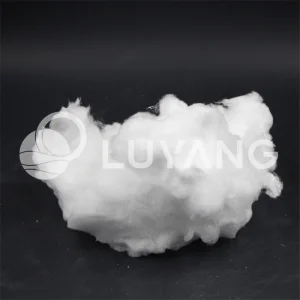
By leveraging Henan's massive refractory mineral reserves and state-of-the-art automated production processes, we offer Nepalese partners unmatched value in cost, speed, and customization.
Our dedicated transport network coordinates closely with domestic customs systems at major land crossings including the Rasuwa Gadhi (Kyirong) and Tatopani (Zhangmu) ports, ensuring uninterrupted cargo flow directly to Kathmandu and Birgunj industrial parks.
Providing optimized, thermal-loss-reducing solutions across key manufacturing processes in Nepal.

Providing insulation for RTO incinerators, shuttle kilns, rotary kilns, tunnel kilns, and muffle furnaces utilized in Nepalese metal processing centers.
Insulation for movable and tunnel kilns used in modern brick production, supporting emissions compliance and fuel cost reduction.

Supplying highly flexible, safe, and food-compliant heat retention linings for commercial and residential pizza ovens.

Supplying heavy-duty refractory linings for ladles, tundishes, and reheating furnaces in steel casting mills around the Kathmandu-Birgunj axis.

Utilizing high-density ceramic fiber blankets and papers for structural commercial fire doors, safeguarding residential complexes and hotels.

Industrial thermal pipe wrapping using premium ceramic fiber and Rockwool, reducing heat loss in high-temperature transport lines.
Understand the precise chemical and thermal boundaries to select the correct specification for your furnace lining.
| Property Grade | Standard (STD) | High Purity (HP) | High Alumina (HA) | Zirconia (HZ) |
|---|---|---|---|---|
| Classification Temp (°C) | 1260 | 1260 | 1360 | 1430 |
| Working Temp (°C) | 1050 | 1100 | 1200 | 1350 |
| Al2O3 Content (%) | 44% | 47-49% | 52-55% | 39-40% |
| ZrO2 Content (%) | - | - | - | 15-17% |
| Fiber Diameter (μm) | 3.0 - 4.5 | 3.0 - 4.5 | 2.5 - 3.5 | 2.5 - 3.5 |
Explore our complete product lineup, manufactured to international ISO and ASTM standards and ready for immediate overland shipping.
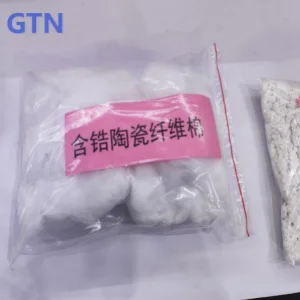
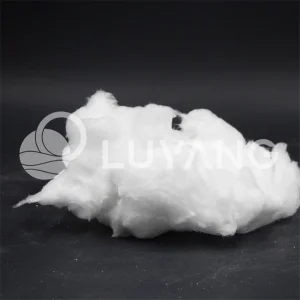
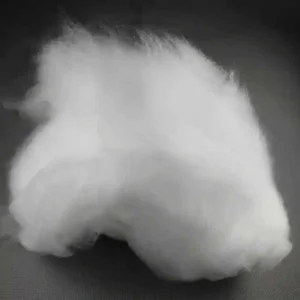
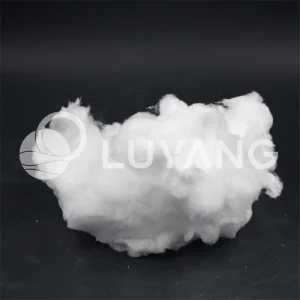
Innovative formulations catering to ecological requirements and structural design specifications.
Global thermal engineering is shifting towards environmentally sound materials. The demand for bio-soluble ceramic fiber bulk has increased dramatically due to its low biopersistence and safety profiles. Modern facilities are rapidly phasing out older, less stable refractories that pose human health risks or deteriorate quickly under cyclical temperatures.
At Henan FibroCeram, we lead this technology transition. Our bio-soluble formulations disintegrate safely in body fluids if inhaled while maintaining the exact insulation density, thermal conductivity, and mechanical tensile strength as classic silicate fibers.
Transitioning to Green Insulation: Our specialized formulations help Nepalese export manufacturers meet strict European and North American import standards regarding workplace safety and raw material sustainability.
We support Nepalese enterprises in optimizing operations by focusing on three key efficiency vectors:
Practical and technical guidelines regarding transport, installation, and performance of Ceramic Fiber Bulk in Nepal.
Connect directly with our engineering team to select the ideal density, classification temperature, and fiber structure tailored to your Nepalese facility's unique operational requirements.
Send Inquiry Now