FibroCeram Materials
FibroCeram Materials
FibroCeram Materials
High-performance custom formulations and shape solutions engineered for extreme thermal resilience.
In modern high-temperature industrial processes, thermal management efficiency is no longer just a operational choice—it is a critical driver of economic viability and carbon reduction. Ceramic fiber tools, known for their exceptional heat resistance, low thermal conductivity, and outstanding thermal shock resistance, have become the cornerstone of high-temperature processing architectures worldwide.
As a leading China-based manufacturer, Henan FibroCeram Advanced Materials Co., Ltd. (familiarly operating under Titan New Material) continues to push the boundaries of materials science. By synthesizing high-purity alumina-silica materials, we supply global industries with reliable, cost-effective, and highly customized refractory components that optimize heat retention while slashing energy overheads. This document outlines the technical developments, market dynamics, application methodologies, and structural frameworks that define modern high-temperature refractory applications.
The global market for ceramic fiber tools and high-temperature thermal barriers is undergoing rapid structural transformations. Key industrial hubs in North America, Western Europe, and East Asia are enforcing strict environmental policies designed to curb emissions. In these markets, replacing heavy, traditional refractory bricks with lightweight ceramic fiber structures is the standard path to compliance.
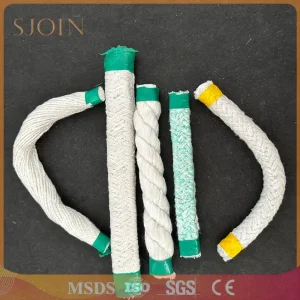
By drastically reducing the thermal mass of industrial kilns and furnaces, operations can transition from long heating/cooling cycles to agile, fast-firing schedules. This shift reduces thermal latency and decreases overall gas and power consumption by up to 35%. Consequently, the role of exporters has shifted from providing raw commodities to supplying turnkey, pre-engineered solutions like customized fiber block modules, specialty ropes, and high-purity tubes that interface directly with automated assembly operations.
Henan FibroCeram Advanced Materials Co., Ltd. - Specialized Technical Specifications Matrix
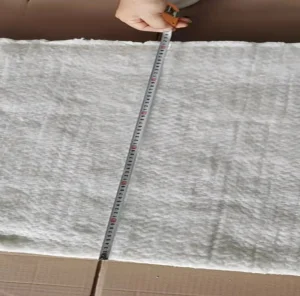
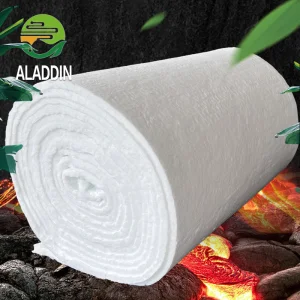
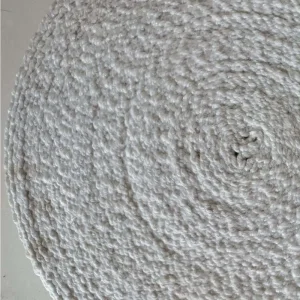
High-tensile, double-needled blankets manufactured without organic binders, ensuring structural integrity at intense temperatures.
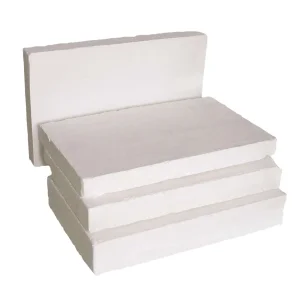
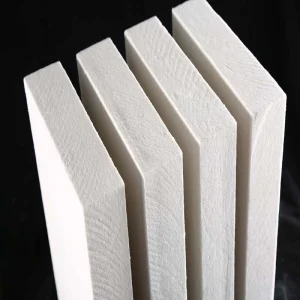
Rigid, vacuum-formed panels engineered to resist gas velocities, mechanical stress, and thermal erosion within combustion zones.
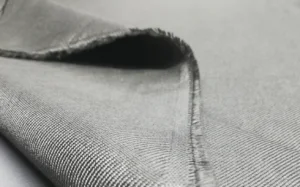
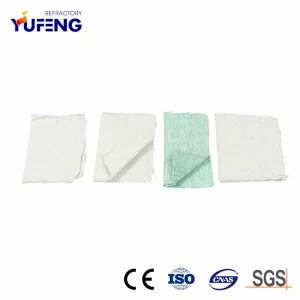
Highly flexible, uniform sheets ideal for gaskets, seals, and decoupling layers. Excellent dielectric strength and ease of cutting.
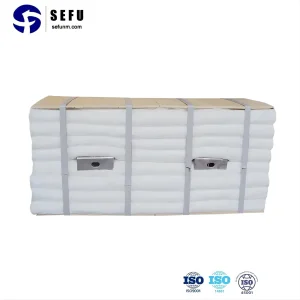
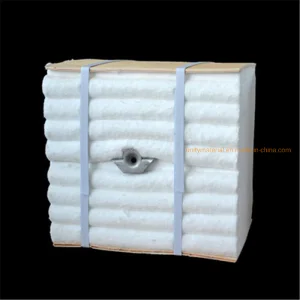
Pre-compressed folded or stack-bonded blocks configured with structural anchors for fast, secure furnace lining installation.
Our refractory materials and ceramic fiber products serve critical thermal infrastructure globally.

Optimized linings for Regenerative Thermal Oxidizers (RTO), high-efficiency shuttle kilns, complex rotary kilns, rolling kilns, and precision muffle furnaces.
Refractory wall, ceiling, and car linings for high-output movable and tunnel kilns producing structural ceramics and red bricks.

Food-safe, highly efficient external insulation wraps and base heat-retention layers that maintain constant internal baking temperatures.
Crucible backings, ladle insulation covers, reheat furnace doors, and expansion joint seals designed for extreme molten metal environments.

High-density, structurally stable ceramic fiber boards and felt sheets used as core flame barriers in commercial and residential fire doors.

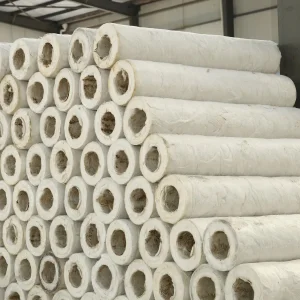
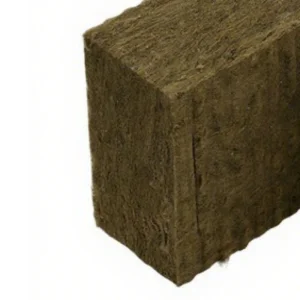
Flexible ceramic fiber and rockwool jackets engineered to isolate steam, chemicals, and process piping from atmospheric heat loss.
Industrial operations running continuous-firing kilns or high-temperature metal processing lines face several critical challenges:
To combat these issues, Henan FibroCeram engineers high-al2o3 and zirconia-fortified fibers. The addition of zirconium (ZrO₂) increases the crystallization temperature of the fiber structure. This retards recrystallization at service temperatures up to 1430°C, preventing the fiber from becoming brittle and failing under thermal shock. By specifying the correct density (e.g., 220kg/m³ boards for flame impingement areas versus 128kg/m³ blankets for backing layers), we help plants design multi-layered thermal lining systems that optimize both capital expenditure and thermal resistance.
Workplace safety and environmental compliance are driving the adoption of bio-soluble fibers. Conventional ceramic fibers (Refractory Ceramic Fibers - RCF) are subject to strict regulatory oversight in regions like the European Union (under REACH regulations) due to potential inhalation risks.
Henan FibroCeram's bio-soluble fibers address these safety concerns. Formulated using alkaline earth silicate (AES) chemistry, these fibers dissolve in human lung fluids if inhaled, eliminating bio-persistence concerns. These eco-friendly alternatives provide continuous thermal protection up to 1200°C, making them ideal for commercial applications like domestic appliances, fire doors, and pipe wraps where maintenance crews or consumers may interact with the insulation.
The next decade of refractory engineering is focused on integration, structural composites, and intelligence:
Technical advice and troubleshooting recommendations from our engineering team.
High-purity papers, custom modules, fireproof textiles, and extreme-temperature insulation components.