FibroCeram Materials
FibroCeram Materials
FibroCeram Materials
Explore our elite portfolio of high-temperature thermal insulation and structural ceramic fiber products engineered for extreme industrial environments.
In the modern industrial landscape, thermal efficiency, energy conservation, and system integrity are paramount. Among the diverse materials developed to withstand the harshest thermal environments, ceramic fiber solutions stand at the forefront. Originally developed to replace hazardous asbestos, ceramic fibers—also known as aluminum silicate wool (ASW)—have evolved into highly sophisticated refractory materials designed to handle continuous operating temperatures ranging from 1100°C to well over 1600°C.
Whether employed as insulation inside industrial smelting furnaces, high-tech filtration systems capturing fine particulate matter in aggressive chemical streams, or as structural seals on fireproof commercial doors, these advanced materials ensure minimal heat loss, reduce operational carbon footprints, and protect expensive machinery. The market for these products is expanding rapidly, driven by the global push for carbon neutrality and the strict thermal emissions standards of modern environmental regulatory frameworks.
"To optimize high-temperature industrial infrastructure, engineers must balance thermal conductivity, chemical resistance, tensile strength, and installation complexity. Ceramic fiber boards, blankets, modules, and papers represent the peak of thermal insulation engineering."
As standard-bearers in high-performance refractory technology, Henan FibroCeram Advanced Materials Co., Ltd. and Titan New Material have established themselves as premier industrial manufacturers and exporters in China. With state-of-the-art production lines and robust Quality Assurance systems, these entities produce a wide array of refractory products including low-thermal-conductivity blankets, bio-soluble fibers, rigid vacuum-formed boards, specialized papers, and high-density installation modules.
By prioritizing raw material purity and utilizing double-needle mechanical punching techniques, these manufacturers deliver materials that retain excellent tensile strength and low shrinkage rates even under repeated thermal cycling. Let us look closer at the physical classifications and structural parameters of these key refractory components:
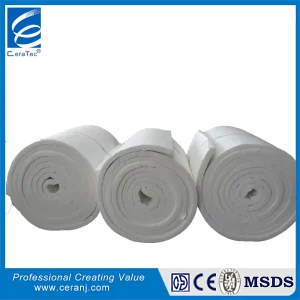
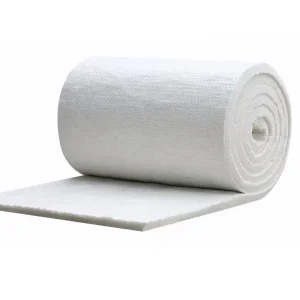
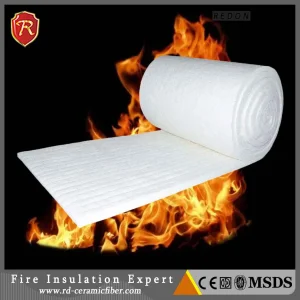
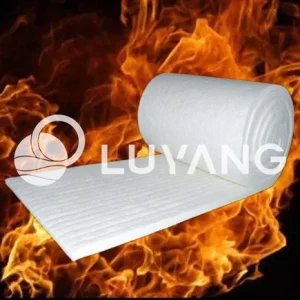
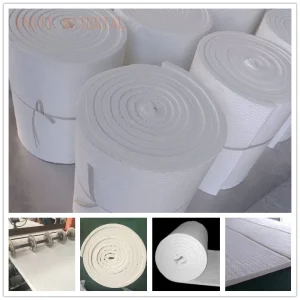
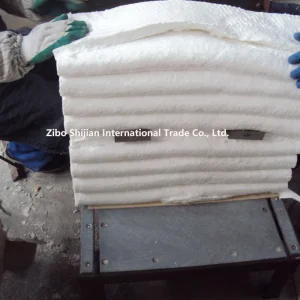
Classified into three temperature thresholds: 1260°C, 1300°C, and 1430°C. Thicknesses range from 6mm to 50mm, with density distribution ranging from 64 kg/m³ to 160 kg/m³. Features exceptional tensile strength and flexibility.
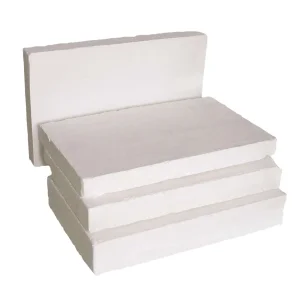
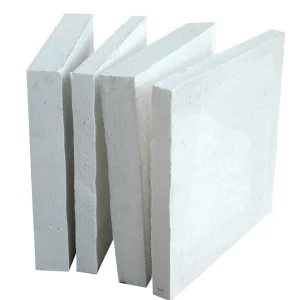
Available in 1260°C and 1430°C variants. Produced via vacuum forming with precise thickness bounds of 6mm to 100mm, and densities from 220 kg/m³ to 600 kg/m³. Exceptional structural rigidity.
Classified into 1260°C Standard, 1350°C High-Aluminum, and 1430°C Zirconia (ZrO2) formulas. Thicknesses span from 1mm to 10mm with highly uniform densities from 170 kg/m³ to 220 kg/m³.
Constructed by folding or stack-bonding pre-compressed ceramic fiber blankets. Offering densities from 160 kg/m³ to 240 kg/m³, these components are manufactured with built-in Type S, M, or T metal anchor systems. They provide exceptional speed during furnace installation and absorb thermal expansion effectively.
The core thermal efficiency of standard ceramic fibers relies on the balance of Alumina (Al2O3) and Silica (SiO2). For standard grades operating below 1260°C, the ratio of alumina to silica sits close to 50:50. When temperatures surge towards 1430°C, crystallization (primarily the formation of mullite and cristobalite) occurs, which can lead to structural embrittlement. To suppress this process, manufacturers integrate Zirconia (ZrO2). Zirconia alters the crystallization kinetics, allowing the fiber to retain its flexible, vitreous state and preventing shrinkage under high continuous thermal stresses.
With increasing global health regulations surrounding traditional Refractory Ceramic Fibers (RCF), Bio-Soluble Fibers have emerged as a massive market trend. Composed of Alkaline Earth Silicates (primarily Magnesium Oxide (MgO) and Calcium Oxide (CaO) paired with Silica), these fibers are designed to dissolve safely in human lung fluids if inhaled, eliminating regulatory concerns while maintaining exceptional thermal protection up to 1200°C-1400°C.
China is home to the most concentrated and high-efficiency ceramic fiber production clusters in the world, primarily in regions like Henan and Shandong. The core competitive advantages that make Chinese manufacturers the preferred choice for multinational EPC contractors and industrial distributors include:
The unique combination of thermal insulation, low heat storage, sound absorption, and filtration capability makes ceramic fibers invaluable across multiple industrial sectors:
Used widely in RTO (Regenerative Thermal Oxidizer) linings, shuttle kilns, rotary kilns, and muffle furnaces where rapid thermal cycling requires low-heat storage liners.
Employed in both movable and tunnel kilns for firing commercial ceramics and structural red bricks, improving overall fuel efficiency by up to 35%.
Specially customized, high-purity thermal insulation blankets and boards designed for backyard and commercial pizza ovens to maintain consistent dome heat.
Applied in ladles, tundishes, reheating furnaces, and soaking pit covers, where high-temperature resistance and resistance to molten metal splashing are vital.
High-density ceramic fiber blankets and boards integrated inside commercial fire-rated doors to block convective and radiant heat transfers during emergencies.
Used alongside rockwool as a thermal wrapping material for high-temperature steam lines, power plant headers, and oil refinery process piping.
When sourcing ceramic fiber filters and refractory insulation materials, global procurement managers must look beyond unit pricing. To establish a reliable supply chain that matches the technical requirements of industrial projects, procurement teams should evaluate the following parameters:
1. Shot Content Control (ASTM C892): Shot refers to non-fibrous particles that fail to transform into fibers during the blowing or spinning process. High shot content significantly decreases the thermal insulation value and increases the weight of blankets and boards. Premier exporters maintain shot content under 15% (and under 10% for premium grades).
2. Linear Reheat Shrinkage: Under continuous operating limits, the fiber can shrink. Exporters must provide certification (ISO 22007-2 or equivalent) proving that the linear shrinkage of the selected materials remains below 2.5% to 3.0% under max temperature thresholds. Excess shrinkage creates gaps in the furnace lining, causing heat leaks and structural damage to the steel furnace shell.
3. Compliance with Local Environmental Standards: When importing to the European Union or North America, verify that the products align with REACH regulations and EPA guidelines. Under these environments, importing bio-soluble magnesium silicate wool insulation is often preferred due to its exempt status from carcinogen classifications.
Looking ahead, the global ceramic fiber industry is evolving along three distinct technology trajectories:
Nano-Composite Insulation: The integration of aerogel materials and nano-porous structures with ceramic fiber matrixes is producing ultra-thin, high-efficiency insulation barriers. These are designed to save physical space in compact heat exchangers and advanced battery thermal management systems (EV batteries).
Alumina (Polycrystalline) Fibers for Extreme Heat: As processing temperatures in semiconductor and advanced catalyst manufacturing exceed 1500°C, traditional vitreous silicate fibers degrade. The market is shifting towards polycrystalline alumina fibers, which contain 72% to 97% Al2O3, allowing stable operation up to 1600°C and offering absolute immunity to chemical degradation in oxidizing atmospheres.
Robot-Assisted Installation Modules: To minimize installation times during major plant shutdowns, manufacturers are pre-assembling massive ceramic fiber blocks and module units equipped with structural anchor points that can be lifted and bolted via automated mechanical arms.
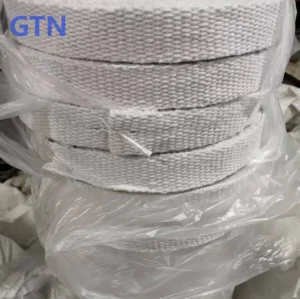
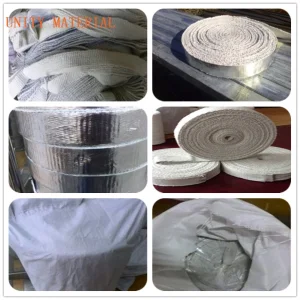
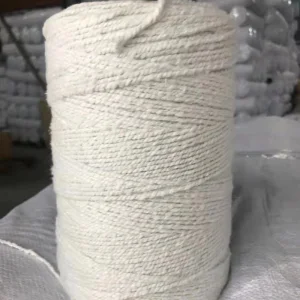
Discover our highly technical structural components, woven materials, and customized thermal forms engineered for precision industrial piping and linings.