FibroCeram Materials
FibroCeram Materials
FibroCeram Materials
Precision engineered high-temperature insulation products designed for critical metallurgical, petrochemical, and manufacturing operations.
The global demand for high-performance refractory materials is experiencing a profound paradigm shift. Driven by stricter energy efficiency mandates, rising carbon taxes, and aggressive global decarbonization goals, heavy industries—ranging from steel mills and petrochemical plants to advanced ceramic kilns—are transitioning away from traditional heavy refractory brickwork. Today, the thermal insulation focus centers on lightweight, low thermal conductivity, and high tensile strength materials: specifically, alumina-silicate ceramic fibers.
In regions like North America, the European Union, and East Asia, industrial operations are balancing strict regulatory compliance with mechanical longevity. The EU's REACH regulation and the progressive adoption of bio-soluble Alkaline Earth Silicate (AES) wool have changed the material sourcing landscape. Consequently, industrial furnace designers and plant operators require OEM and ODM partners who can navigate these regulatory shifts, deliver custom mechanical integrity, and provide significant information gain on chemical composition and heat transfer models. Under the expertise of Henan FibroCeram Advanced Materials Co., Ltd. (also commercially recognized as Titan New Material), global industrial customers obtain direct access to optimized structural engineering, cutting-edge vacuum-forming, and high-purity raw material synthesis.
To optimize kiln performance, it is crucial to analyze how ceramic fibers reduce energy loss. Unlike traditional refractory bricks, which store immense thermal energy (high heat capacity), ceramic fiber linings possess extremely low thermal mass. This allows industrial ovens to heat up and cool down rapidly, improving cycle times and drastically cutting fuel consumption. Heat transfer through the fiber is limited by low gas-convection within the ultra-fine air pockets trapped in the needle-punched matrices. Controlling fiber diameter and density is key to engineering custom thermal barriers.
OEM Definition: Custom formulation, fiber diameters, and density profiles tailored to precise operating pressures and chemical atmospheres.
Standard off-the-shelf insulation materials often fail under the combined stress of thermal cycling, turbulent hot-gas flows, and corrosive chemical vapors. True efficiency requires dedicated OEM (Original Equipment Manufacturer) and ODM (Original Design Manufacturer) capabilities. Here is how Henan FibroCeram translates technical requirements into high-performance industrial realities:
For engineering procurement companies (EPCs) that already possess detailed internal blueprints and technical specs, our OEM services ensure exact compliance with design parameters:
When clients present thermal goals rather than detailed blueprints, our ODM team leads the engineering cycle. We utilize CAD and FEA (Finite Element Analysis) software to design the entire refractory lining from scratch:
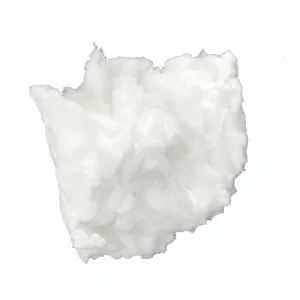
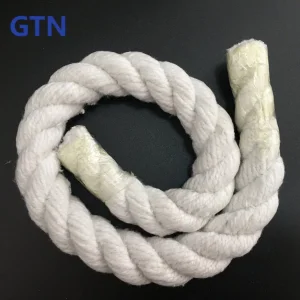
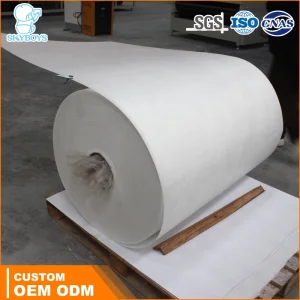
Our manufacturing facilities produce four main classes of ceramic fiber materials. Each features custom structural, sizing, and temperature variations:

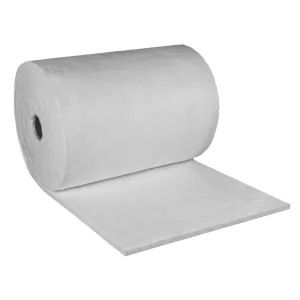
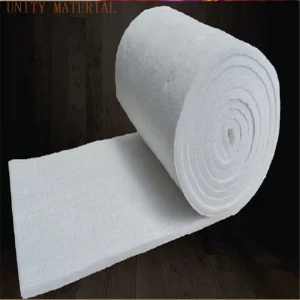
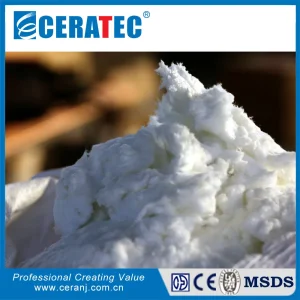
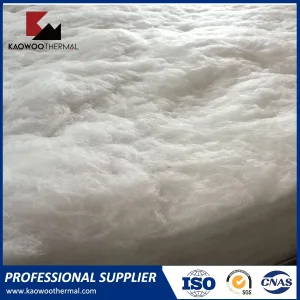
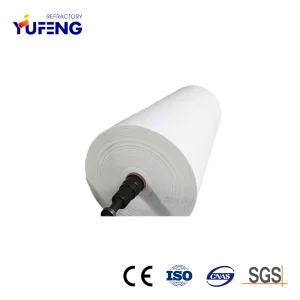
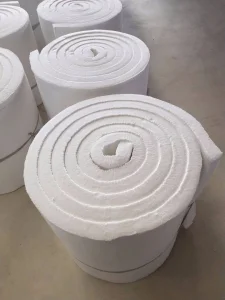
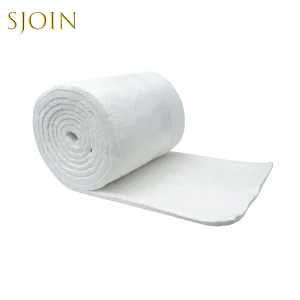
Classified into three temperatures: 1260°C, 1300°C, and 1430°C. Thicknesses range from 6mm to 50mm, with densities spanning 64kg/m³ to 160kg/m³.

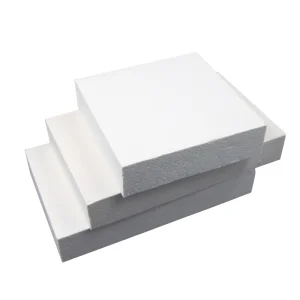
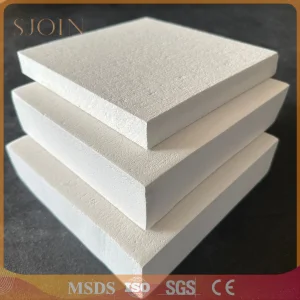
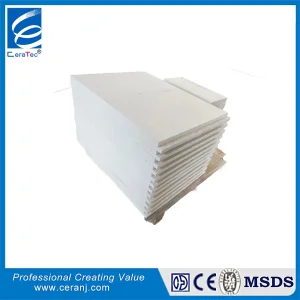
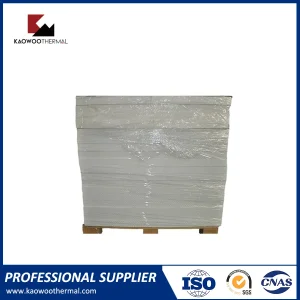
Classified into two main temperature ranges: 1260°C and 1430°C. Thicknesses range from 6mm to 100mm, with densities spanning 220kg/m³ to 600kg/m³.

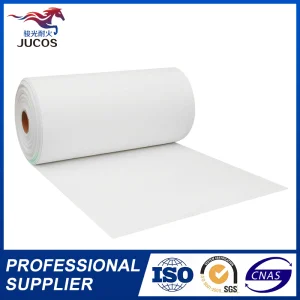
Classified into three distinct formulations: 1260°C Standard, 1350°C High-Aluminum, and 1430°C ZrO₂-stabilized. Thicknesses range from 1mm to 10mm, with densities spanning 170kg/m³ to 220kg/m³.

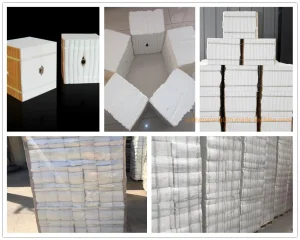
Fabricated from pre-compressed ceramic fiber blankets. Available in both stack-bonded and folded forms, with densities of 160kg/m³ to 240kg/m³. Available with pre-installed Type S, M, or T alloy anchors.
We design and manufacture high-performance ceramic fiber products for a wide variety of industrial thermal processing and fire safety applications.

Optimizing thermal efficiency in RTO incinerators, shuttle kilns, rotary kilns, rolling kilns, and high-temperature muffle furnaces.
Heavy-duty lining systems for movable and tunnel kilns used in ceramics and red brick production, designed to withstand soot and heat cycles.

Safe, food-contact backing insulation for residential and commercial stone deck ovens, ensuring rapid heating and thermal retention.
Slab reheating furnaces, ladle covers, tundish insulation linings, and molten metal splashing barriers designed for harsh metalworking environments.
High-density ceramic fiber blankets and boards integrated into fire doors to meet international building regulations (UL10C, BS476).

Wrapping steam lines, process piping, and refinery tubes to prevent thermal radiation losses and safeguard personnel from extreme heat.
Henan FibroCeram is committed to developing new technologies that improve durability, sustainability, and thermal performance.
Unfiberized particles, known as "shot," can degrade a material's thermal performance. Shot conduct heat much faster than fibers. By upgrading our spinning machines and optimizing centrifuge configurations, we have reduced shot content to under 10% in our high-end fiber lines. This modification lowers thermal conductivity by up to 15% at temperatures exceeding 1000°C.
To meet strict international environmental health regulations, we have developed bio-soluble calcium-magnesium-silicate fibers. These fibers dissolve in human lung fluids if inhaled, eliminating regulatory restrictions (EU Directive 97/69/EC) while maintaining continuous service temperatures up to 1200°C.
Combining ceramic fibers with silica aerogel matrices has allowed us to manufacture super-insulating blankets. These composites achieve a thermal conductivity of less than 0.020 W/m·K at room temperature. This enables compact insulation layers in tight spaces like aircraft fuselages, electric vehicle battery cells, and high-temperature piping.
Standard vacuum-formed ceramic boards rely on starch or polymer binders for structural integrity. During the first heat-up, these binders burn off, producing smoke and odor. Our research team has developed inorganic binder systems that produce zero off-gassing, keeping cleanroom-grade environments pristine throughout the heating cycle.
Direct answers to the most common questions raised by thermal engineers, furnace builders, and procurement officers.
From high-density board alternatives to lightweight aerogel systems, explore our full product range.