 FibroCeram Materials
FibroCeram Materials
FibroCeram Materials
Explore our top-tier industrial refractory solutions engineered to withstand extreme temperatures, maintain chemical resistance, and maximize industrial efficiency.
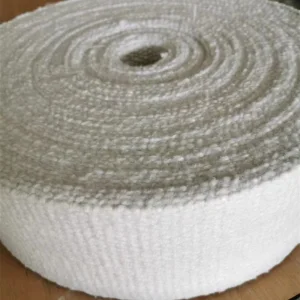
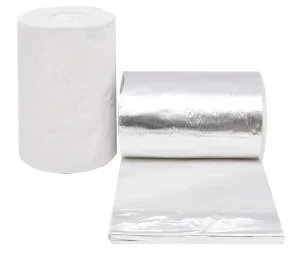
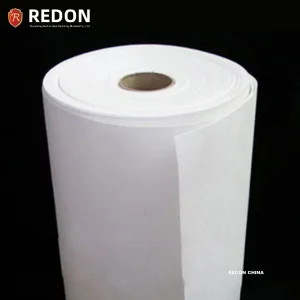
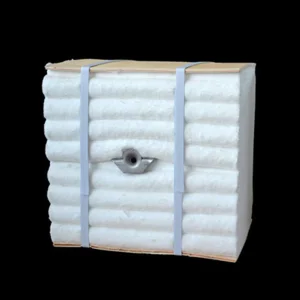
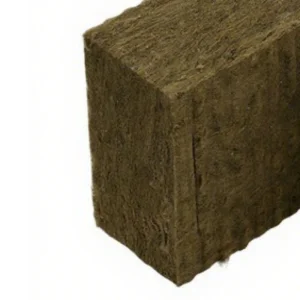
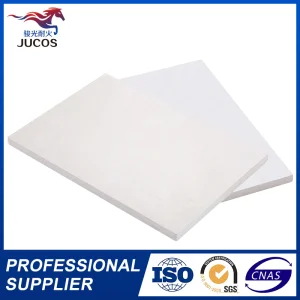
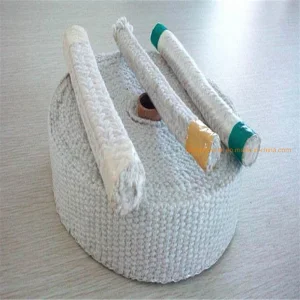
The global thermodynamic insulation sector is undergoing an unprecedented evolution. As carbon neutrality mandates intensify under ESG (Environmental, Social, and Governance) targets, heavy manufacturing industries, petrochemical plants, steel mills, and kiln operators are rapidly transitioning away from dense refractory structures. Ceramic fiber coils, blankets, modules, and papers stand at the forefront of this industrial shift, offering low thermal mass, low thermal conductivity, and unmatched resistance to thermal shock.
At a microscopic level, aluminosilicate ceramic fibers are engineered by melting high-purity alumina-silicate mineral components at temperatures exceeding 2000°C. The molten material is then subjected to high-pressure blowing or mechanical spinning processes to form long, intertwined amorphous filaments. The resulting matrix structures efficiently trap air, creating a high-density thermal barrier with a low heat storage coefficient.
The primary mechanism of heat attenuation inside ceramic fiber relies on the suppression of convective, conductive, and radiative heat transfer:
In the current macroeconomic landscape, global industrial supply chains require a balance of cost-efficiency and geographical resilience. Modern procurement directors prioritize suppliers that implement Industry 4.0 standards to ensure dimensional accuracy, structural uniformity, and stable material performance. Key global procurement hubs in Europe, North America, and APAC look for reliable long-term partners capable of delivering customized technical refractory configurations.
With volatile energy prices and rigorous emissions standards, utilizing premium ceramic fiber coils reduces furnace pre-heating cycles, resulting in substantial fuel efficiency gains. Manufacturers must maintain high-level certifications, including ISO 9001, CE, and ASTM test standards, to align with the safety and operational requirements of Western heavy industries.
An overview of our standard engineering classifications, structural options, and core product properties.
Titan New Material is a leading ceramic fiber manufacturer based in China. Our comprehensive portfolio includes ceramic fiber blankets, bulk fiber, boards, papers, modules, refractory castables, and high-performance refractory bricks designed to optimize thermal efficiency across multiple demanding sectors.

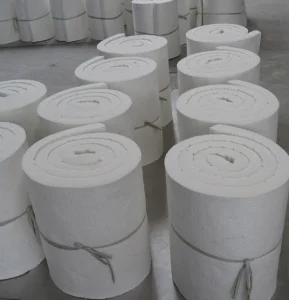
Classified into 1260°C, 1300°C, and 1430°C with thicknesses of 6mm to 50mm and densities from 64kg/m³ to 160kg/m³.

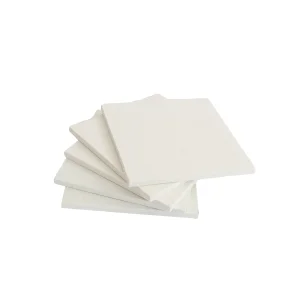
Rigid, vacuum-formed plates classified into 1260°C and 1430°C. Thicknesses range from 6mm to 100mm, with densities of 220kg/m³ to 600kg/m³.

Highly flexible thin-sheet solutions. Types: 1260°C Standard, 1350°C High Aluminum, 1430°C Zirconia. Density: 170-220kg/m³.

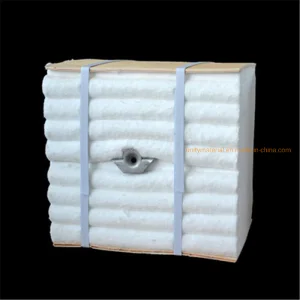
Pre-compressed modules (stack-bonded and folded). Density: 160-240kg/m³. Pre-installed with Type S/M/T industrial anchoring systems.
| Material Classification | Classification Temp (°C) | Al2O3 Content (%) | SiO2 Content (%) | ZrO2 Content (%) | Typical Applications |
|---|---|---|---|---|---|
| Standard Grade (STD) | 1260°C | 44 - 46% | 51 - 53% | - | Boiler and kiln hot-face lining, backup insulation |
| High Pure Grade (HP) | 1260°C | 47 - 49% | 50 - 52% | - | Metallurgical heat treatment, ceramics fast-firing kilns |
| High Aluminum Grade (HA) | 1350°C - 1400°C | 52 - 55% | 44 - 47% | - | Forging furnace lining, reform furnace backup |
| Zirconia Grade (HZ) | 1430°C | 39 - 41% | 38 - 40% | 15 - 17% | High-temperature chemical reactors, glass annealing kilns |
As a leading supplier and exporter in China, our manufacturing facilities utilize advanced automated processes to ensure product consistency and thermal performance. Our production lines feature:
This automated infrastructure allows us to maintain a stable, resilient supply chain, ensuring on-time delivery of premium refractory materials to our global partners.
Our ceramic fiber products are widely utilized in ceramics, metallurgical processing, electrical engineering, industrial piping insulation, and passive fire protection systems.

Engineered for RTO incinerators, shuttle kilns, rotary kilns, roller hearth kilns, and muffle furnaces requiring high thermal insulation.
Tailored refractory components for movable kilns and continuous tunnel kilns processing technical ceramics, red clay bricks, and sanitary ware.

Food-safe, non-hazardous, and highly efficient thermal insulation blankets and boards designed for domestic and commercial pizza ovens.
High-grade refractory linings, expansion joints, ladle backup linings, and tundish covers designed to withstand molten steel temperatures.
High-density ceramic fiber gaskets, tapes, and paper barriers designed for commercial fire doors and emergency exits.

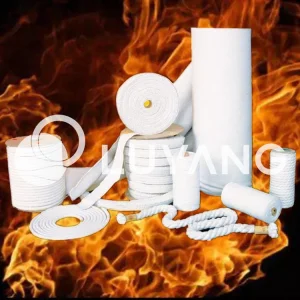
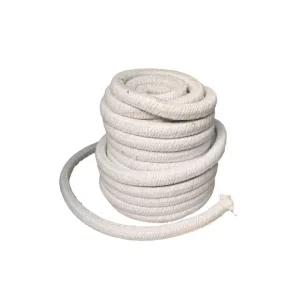
Flexible wraps, including ceramic fiber tapes, cords, and preformed tubes, engineered for high-pressure steam pipes and industrial exhaust ducts.
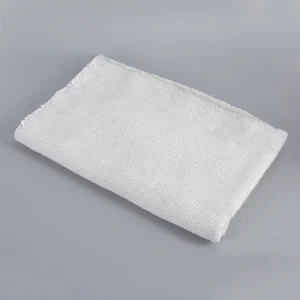
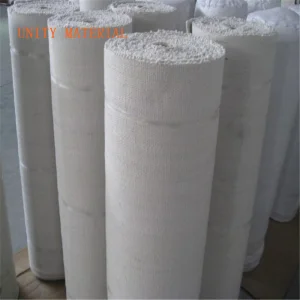
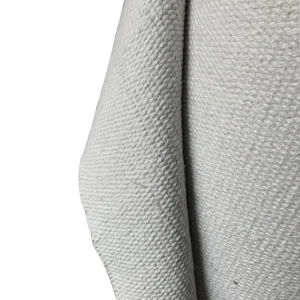
Our technical ceramic fiber selection includes specialized modules, heavy textiles, and silica aerogel panels.
Find answers to technical and logistical questions about sourcing ceramic fiber coils, blankets, and custom high-temperature insulation.
The distinction lies in chemical composition and the resulting maximum service limits. The 1260°C grade uses standard alumina-silicate formulations, whereas the 1430°C grade contains zirconium oxide (ZrO2). Adding zirconia alters the material's crystal formation at high temperatures, reducing linear shrinkage and maintaining structural flexibility under higher thermal loads.
Thermal performance depends on target temperature and convective load. At moderate temperatures (up to 600°C), lower densities (e.g., 64kg/m³ to 96kg/m³) provide sufficient thermal insulation. At higher operating temperatures (above 1000°C), higher densities (128kg/m³ or 160kg/m³) offer better resistance to convective airflow and compression, minimizing structural shrinkage over time.
Shot content refers to non-fibrous spherical particles formed during spinning or blowing that fail to attenuate into fibers. Standard industry processes result in shot content. Minimizing shot content is key: high shot concentrations increase thermal conductivity and density without contributing to thermal barrier properties, reducing overall efficiency.
Yes, they are safe when installed correctly. In pizza ovens or ovens processing food-grade packaging, the ceramic fiber must be fully encapsulated (covered by steel, refractory cement, or tiles) to prevent particulate matter from coming into contact with food or convective air circulation inside the cooking chamber.
Standard ceramic fiber textiles require a carrier yarn for structural strength during manufacturing. Incorporating stainless steel (SS) wire reinforcement increases the tensile strength of cloths and ropes, allowing them to withstand physical abrasion and mechanical stresses at continuous operating temperatures up to 1050°C.