FibroCeram Materials
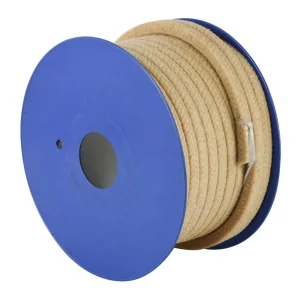
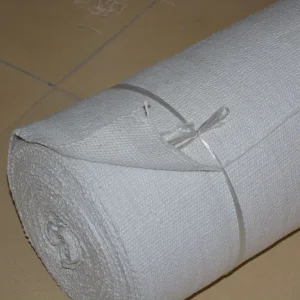
In the modern industrial era, where energy efficiency and carbon footprint reduction are no longer optional, the role of high-performance refractory materials has become paramount. Ceramic Fiber Adhesive, often referred to as high-temperature inorganic glue or refractory cement, serves as the critical "link" in thermal management systems. Globally, the demand for these materials is surging, driven by the aerospace, metallurgy, and petrochemical sectors.
Unlike traditional mortars, contemporary ceramic fiber adhesives are engineered to withstand extreme thermal cycling. In China, the manufacturing landscape has evolved from simple production to high-tech R&D, positioning Chinese factories as the global hub for both quality and cost-effectiveness. As industries transition toward "Green Manufacturing," the integration of bio-soluble fibers and low-VOC adhesives has become a defining trend.
Industrial Growth Factors
- Energy Decarbonization: Reducing heat loss in kilns saves up to 30% in fuel costs.
- Material Innovation: Shift from standard RCF (Refractory Ceramic Fiber) to AES (Alkaline Earth Silicate) wool.
- Precision Engineering: The rise of vacuum-formed shapes requiring specialized bonding agents.