📄
Product Description
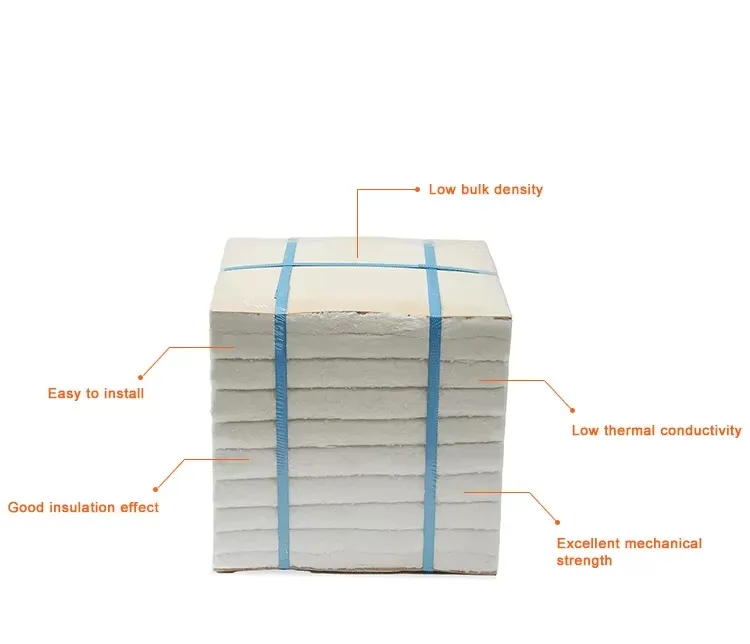
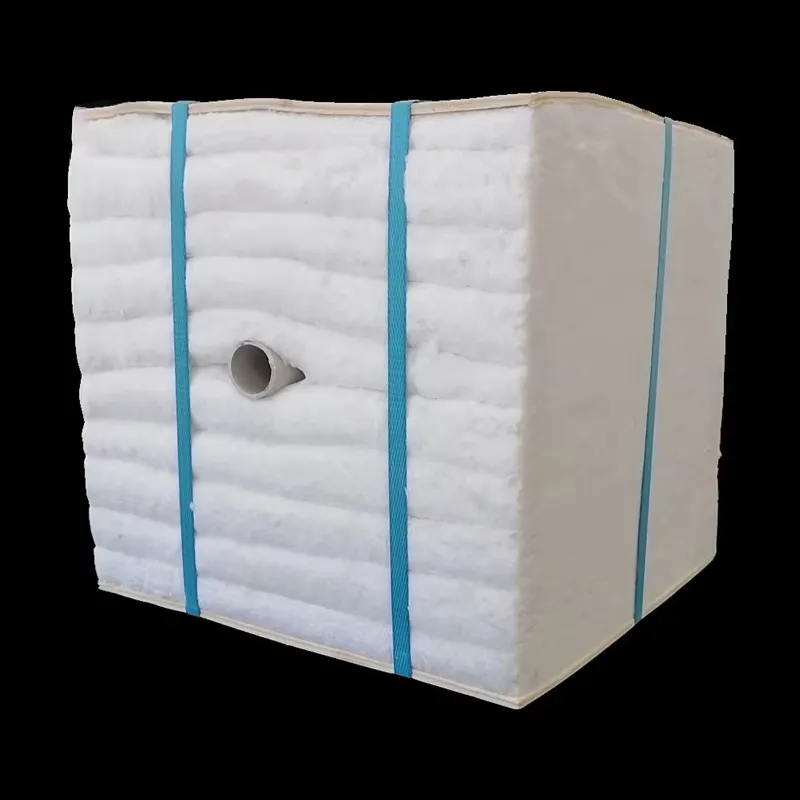
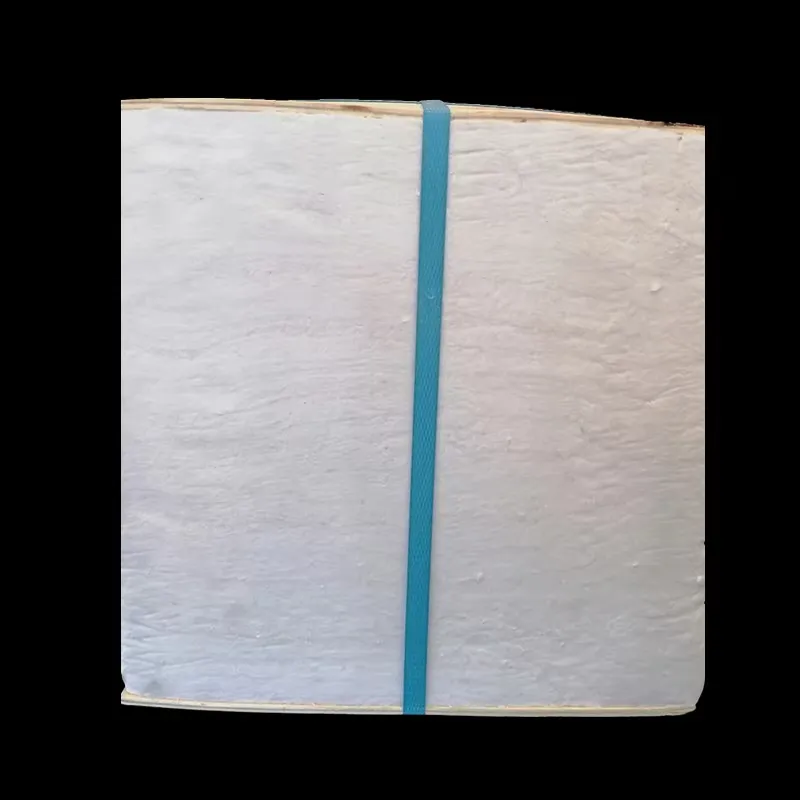
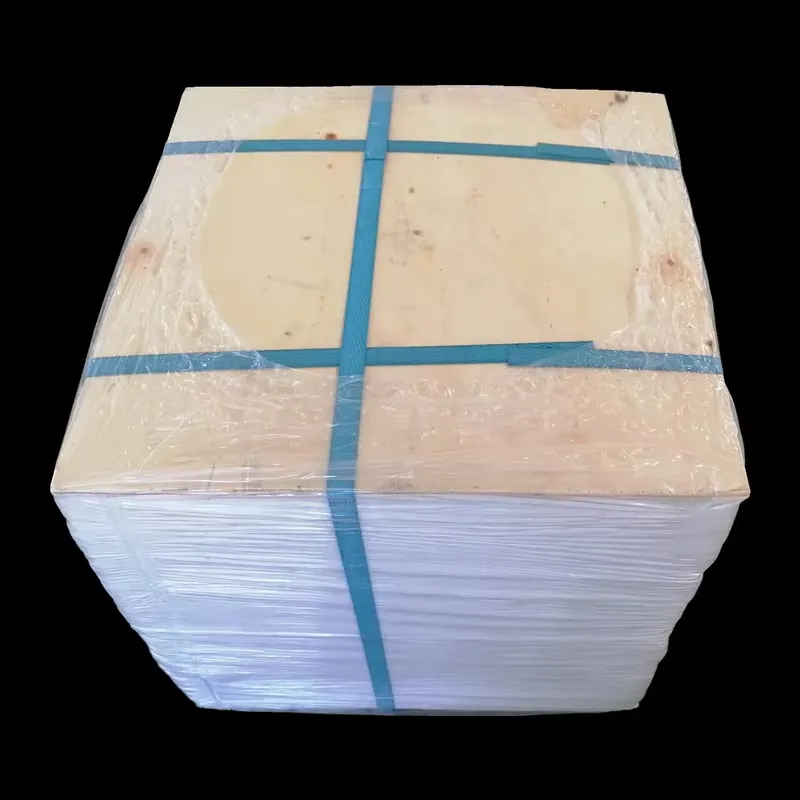
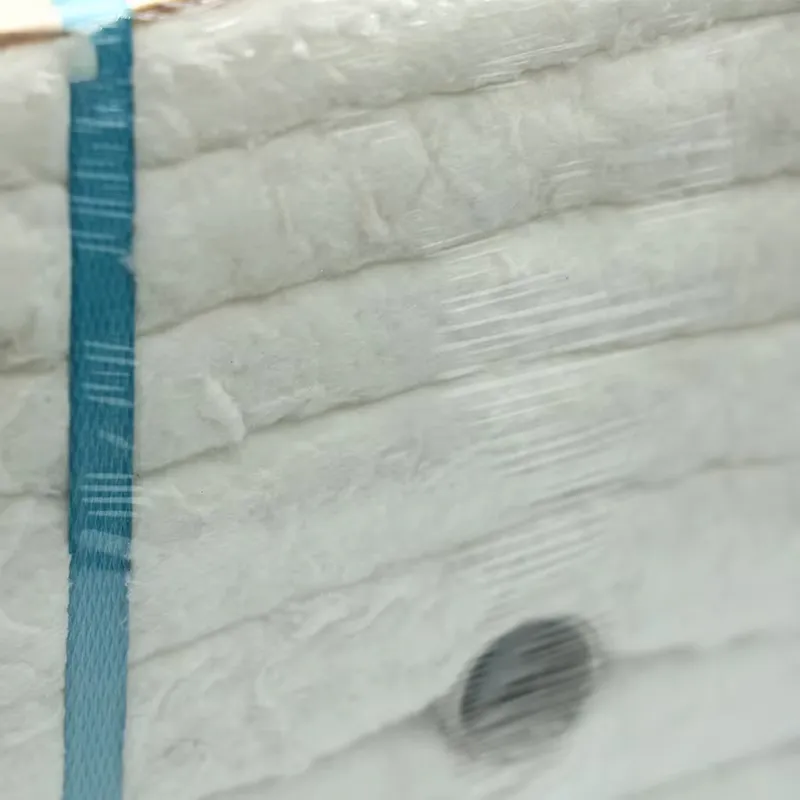
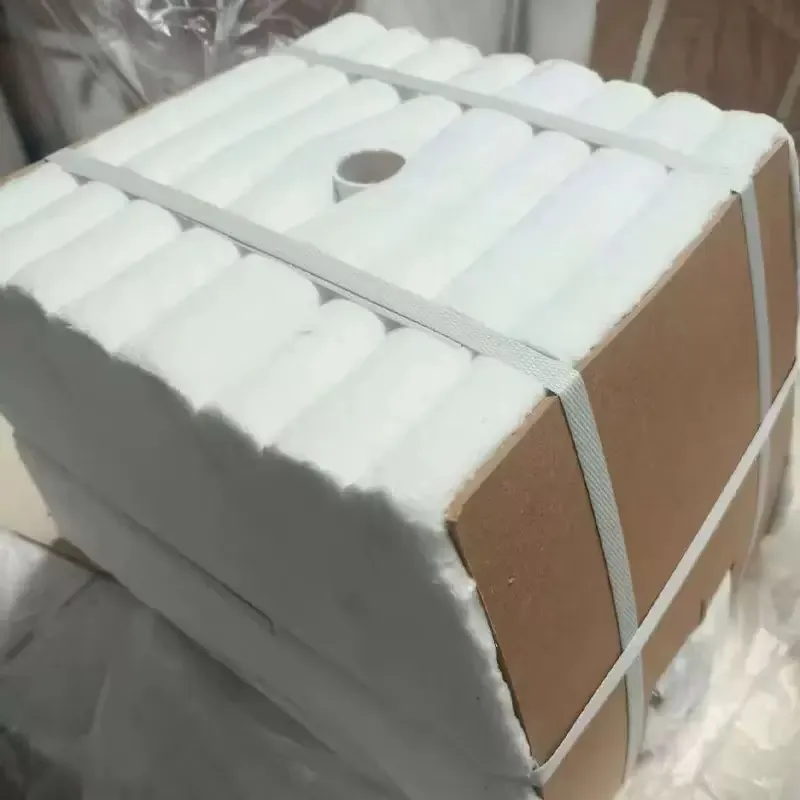
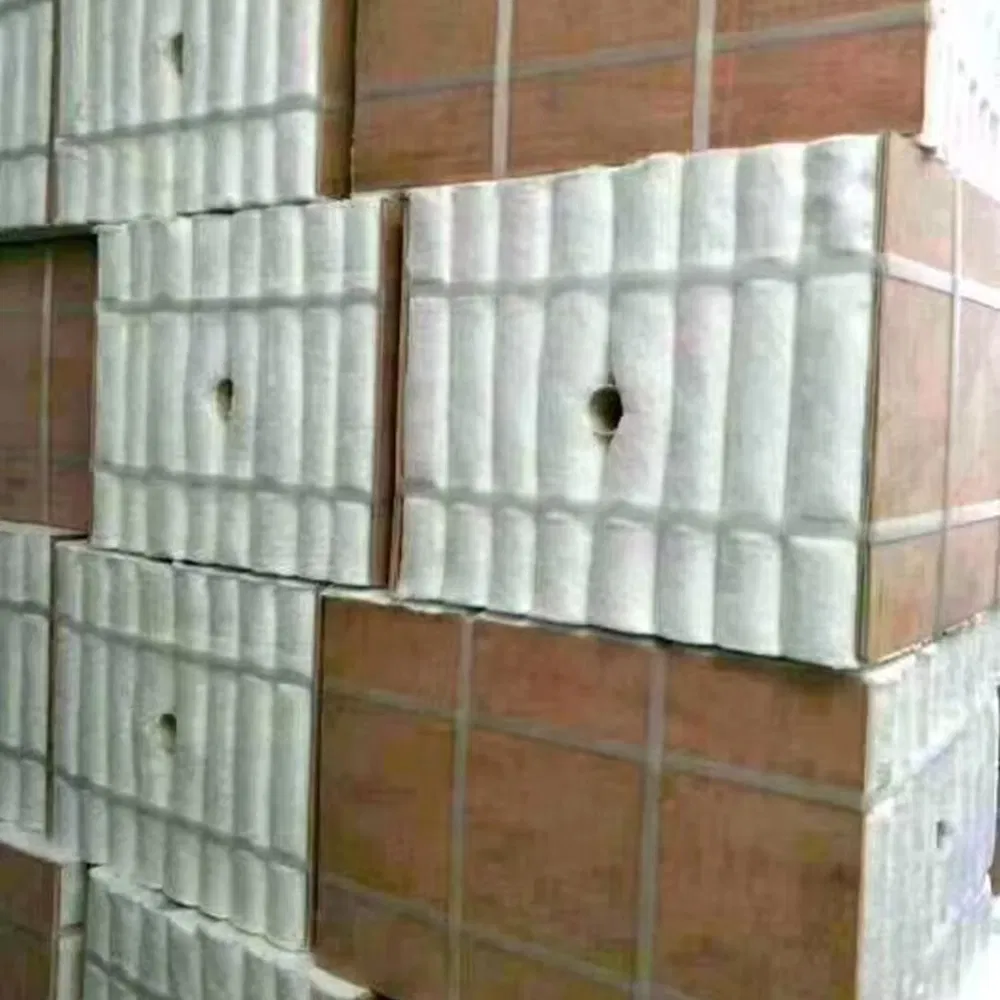
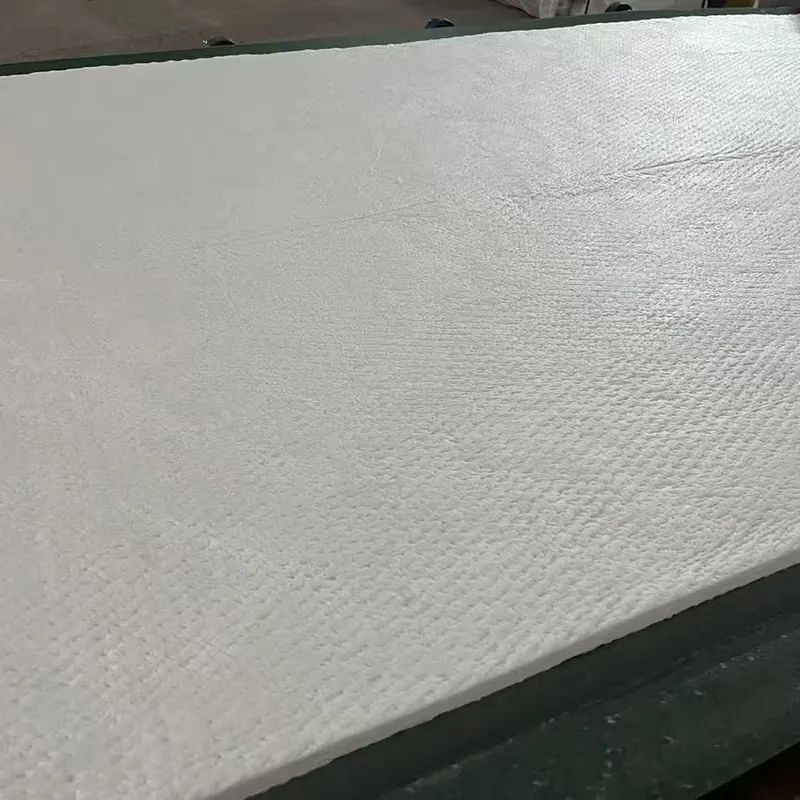
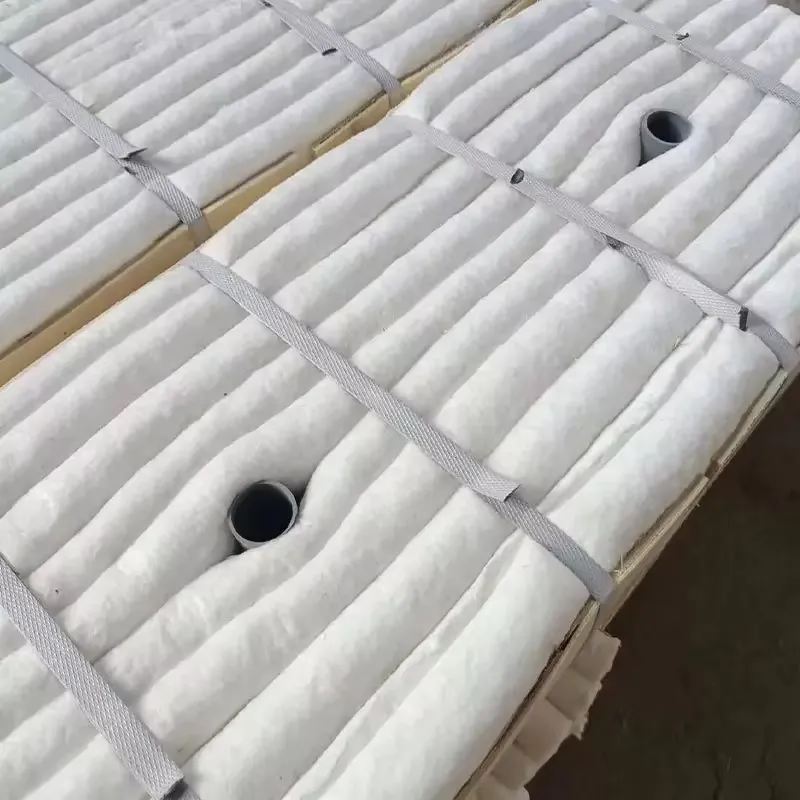
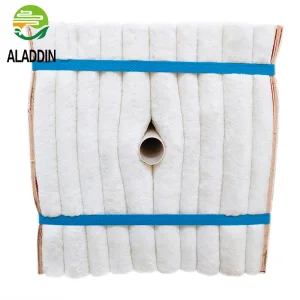
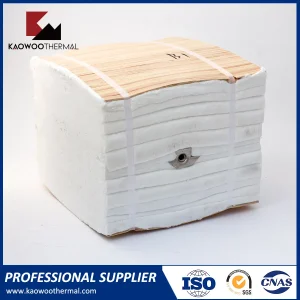
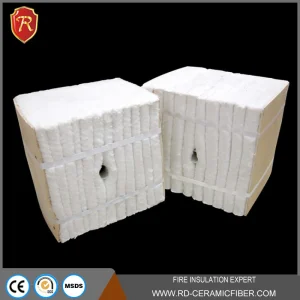
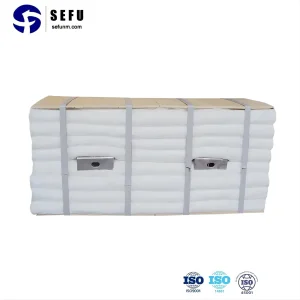
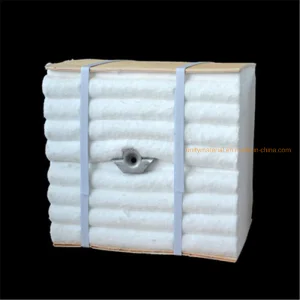
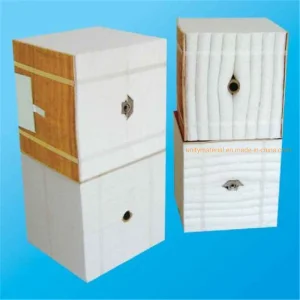
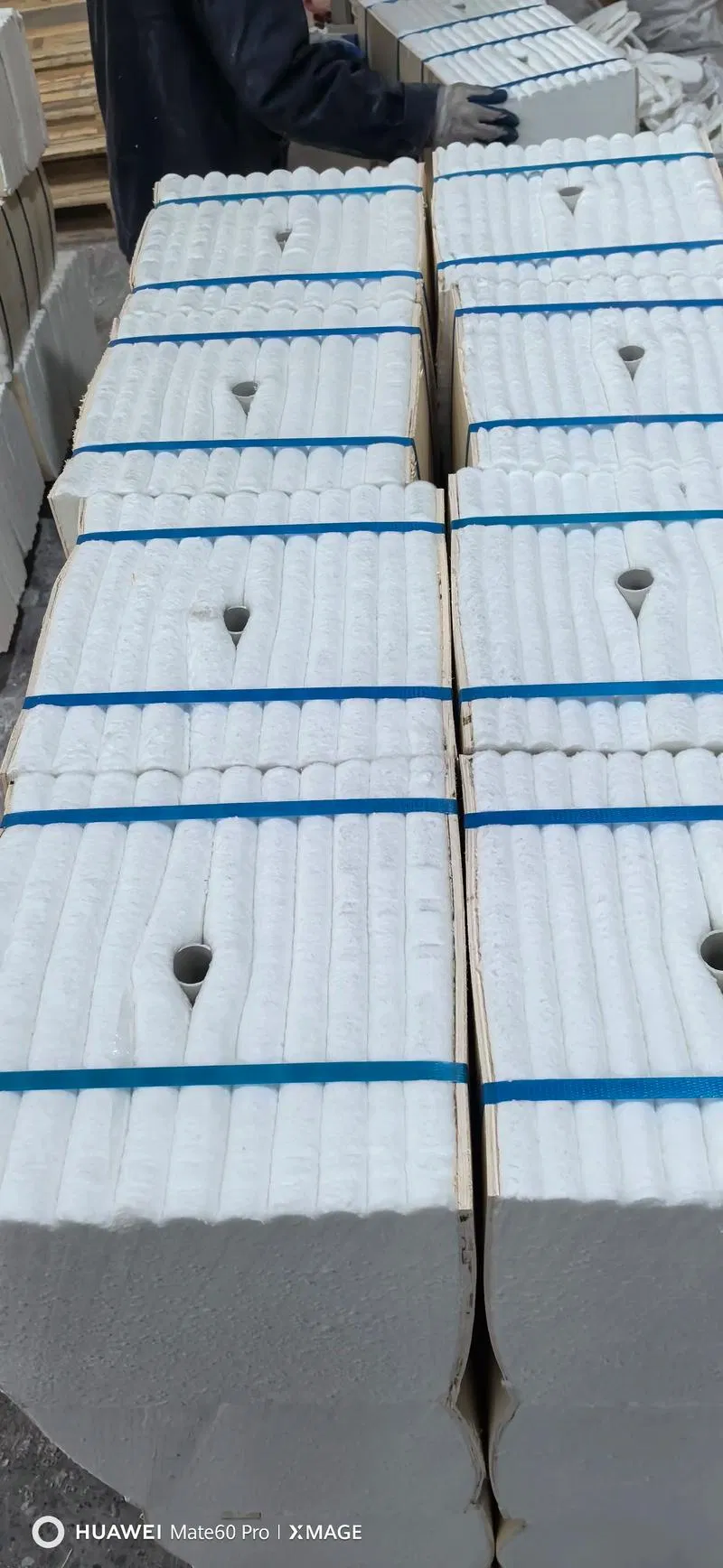
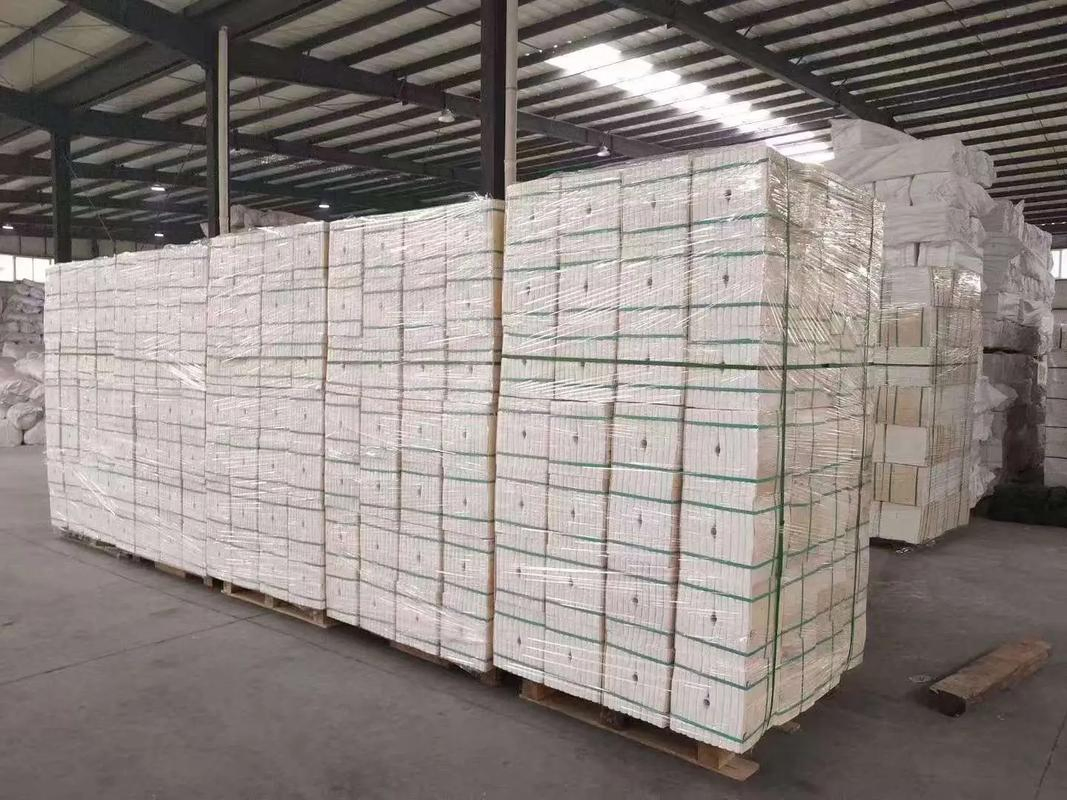
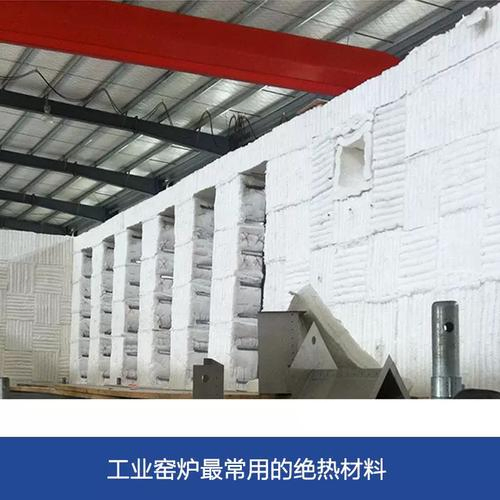
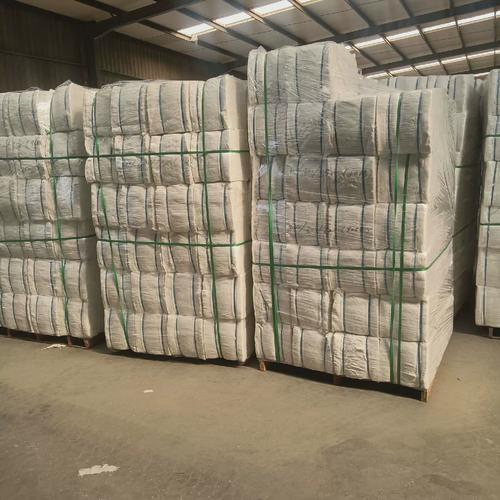
Ceramic fiber modules are made from compressed ceramic fiber blanket. These modules are specially designed to meet or improve the thermal insulation requirements of industrial furnaces in some special thermal conditions. The fiber modules are produced with various anchoring systems to enable quick, easy and efficient installation in most furnace linings.
⭐
Key Features
The anchor on the back allows both in-line and parquet installation.
Tightly sealed intermodular joints due to decompression of blanket folds.
Resilient blanket resistant to mechanical damage.
Low thermal conductivity provides high thermal efficiency.
Total resistance to thermal shock.
No drying or curing required, ready for operation immediately after installation.
Can be cut to satisfy specific requirements of different furnace parts.
⚙️
Manufacturing & Application
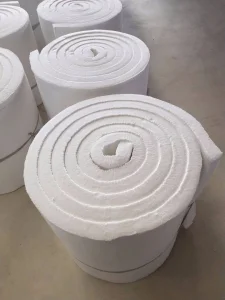
Our modules are processed from high-quality fiber blankets. A specific compression ratio is maintained to ensure that once masonry is completed, the expansion creates a seamless insulation layer.
Petrochemical and cracking furnaces
Steel industry annealing and roller hearth furnaces
Aluminum industry hot furnaces and Ceramic industry tunnel kilns
Waste recycling and combustion chambers
High-end household appliance insulation
❓
Frequently Asked Questions
Q1: What is the maximum classification temperature for these modules?
A: The standard Z-1260 model has a classification temperature of 1260°C, suitable for high-temperature industrial applications.
Q2: Do these ceramic fiber products contain asbestos?
A: No, our ceramic fiber products are 100% asbestos-free, ensuring safety and compliance with environmental standards.
Q3: How are the modules installed in a furnace?
A: They are produced with anchoring systems on the back, allowing for quick and efficient in-line or parquet style installation.
Q4: Can the size of the ceramic fiber module be customized?
A: Yes, we support customer customized services for thicknesses ranging from 6mm to 50mm and various length/width configurations.
Q5: What are the main benefits of using fiber modules over traditional refractory bricks?
A: Modules offer much lower thermal conductivity, excellent thermal shock resistance, and significantly faster installation without the need for drying or curing.
Q6: Are the modules resistant to mechanical damage?
A: Yes, the compressed fiber blanket construction provides a resilient structure that is resistant to typical mechanical stresses during furnace operation.
 FibroCeram Materials