 FibroCeram Materials
FibroCeram Materials
FibroCeram Materials
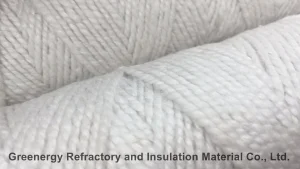
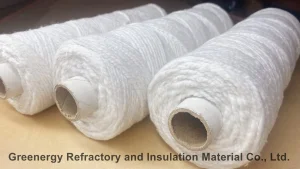
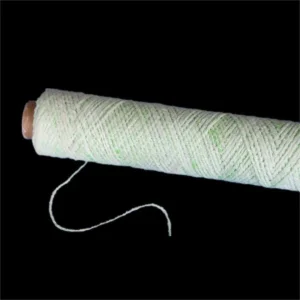
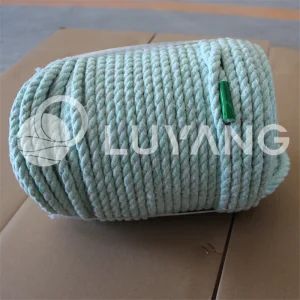
Namibia is currently undergoing a massive industrial transformation. Key sectors such as mining—specifically the world-class uranium operations at Husab and Rössing, copper metallurgy in Tsumeb, and coastal maritime repairs in Walvis Bay—rely heavily on robust process systems operating at temperatures exceeding 1000°C. Refractory insulation is the silent guardian of operational safety, energy containment, and carbon footprint reduction in these heavy-industry sites.
Furthermore, the emergence of the Southern African Development Community (SADC) green hydrogen corridor and domestic energy infrastructure upgrades require materials with severe environmental resilience. Regular industrial maintenance demands sealing solutions that withstand not only high heat but also vibration, mechanical stress, and aggressive gaseous environments. This is where high-quality Ceramic Fibre Yarns act as the foundational textile component.
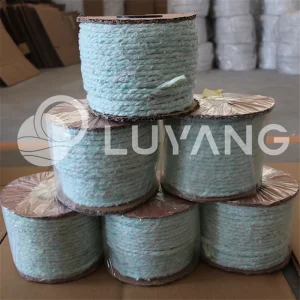
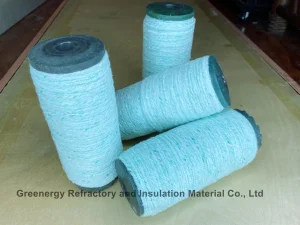
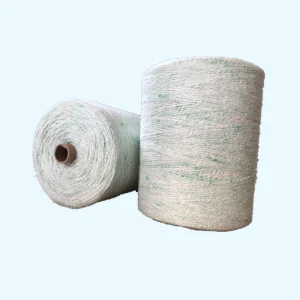
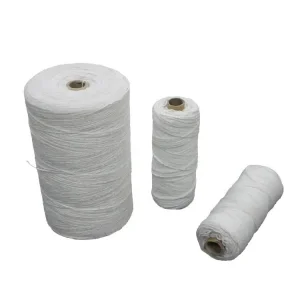
The global market for high-temperature insulation materials is transitioning towards high-performance composite fibers. Modern ceramic fiber yarns are manufactured by blending high-purity alumina-silicate blowing fiber with organic carriers, reinforced with either fiberglass filament or stainless steel wire. This hybrid configuration achieves excellent tensile strength at elevated operating limits.
| Fiber Type / Reinforcement | Classification Temp (°C) | Reinforcement Type | Tensile Strength (N) | Recommended Applications |
|---|---|---|---|---|
| Standard Ceramic Fiber Yarn | 1260°C | E-glass Filament | ≥ 150 | Static sealing, pipe wrap insulation, cable insulation sleeves. |
| Stainless Steel Reinforced Yarn | 1260°C | SS 304/316 Metal Wire | ≥ 280 | Dynamic high-pressure seals, kiln car joint seals, metallurgical furnace doors. |
| Bio-Soluble Fiber Yarn | 1100°C / 1200°C | E-glass / Stainless Steel | ≥ 220 | Green building fire doors, environmental protection machinery, European-regulated zones. |
| High Alumina Ceramic Fiber | 1430°C | Inconel Wire | ≥ 320 | Petrochemical heater seals, chemical synthesis reactors, extreme smelting. |
Titan New Material is a premier, technologically advanced ceramic fiber manufacturer in China. Relying on state-of-the-art production lines and severe quality control processes, we export high-temperature solutions to over 50 countries, including the rapidly expanding industrial sectors of Namibia.
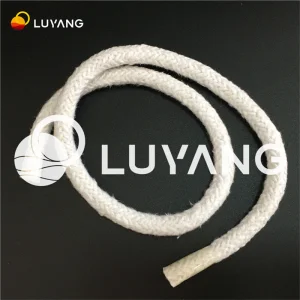
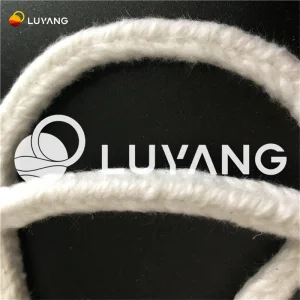
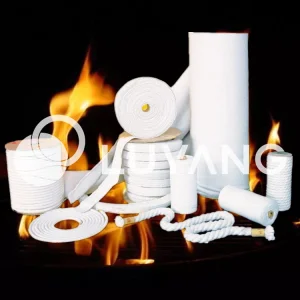
Our comprehensive engineering product lineup includes ceramic fiber blankets, bulk fiber, boards, papers, customized shapes, pre-formed modules, and specialized ceramic fiber textiles (yarn, rope, tape, cloth) designed to optimize system lifespan and reduce thermal losses.

Classified into 1260C, 1300C and 1430C. Thicknesses from 6mm to 50mm, densities from 64kg/m3 to 160kg/m3.

Classified into 1260C and 1430C. Thicknesses from 6mm to 100mm, densities from 220kg/m3 to 600kg/m3.

Standard 1260C, High Aluminum 1350C, and ZrO2 1430C. Thicknesses 1mm to 10mm, densities 170kg/m3 to 220kg/m3.

Stack bonded & folded. Densities from 160kg/m3 to 240kg/m3. Pre-installed S/M/T anchors options.
Providing engineered solutions across challenging industrial terrains.

RTO incinerators, shuttle kilns, rotary cement kilns, and muffle furnaces. High-temperature ceramic yarns prevent air leaks and thermal bridging.
Movable and tunnel kilns for ceramics and structural red bricks. Yarn gaskets allow thermal expansion without losing insulation integrity.

Insulation wrapping for commercial wood-fired and deck pizza ovens, serving tourism lodges and luxury hotels in Windhoek and Swakopmund.
Advanced refractory fabrics, gasket wraps, ladle seals, and furnace door insulation designed to withstand direct contact with molten metals.
High-density ceramic blankets and bio-soluble twisted yarn seals integrated directly inside heavy-duty fire doors for mines and municipal facilities.

High-temp wrapping for chemical fluid conduits, steam lines, and generator exhaust networks in Namibian ocean-bound shipping vessels.
To ensure complete reliability and alignment with regulatory bodies, our manufacturing plants implement standard QA policies according to ISO 9001:2015. For African regions—specifically Namibia and South Africa—we align with the structural recommendations of the South African Bureau of Standards (SABS).
Our bio-soluble yarn series uses Alkaline Earth Silicate (AES) wool, complying with the directive Note Q of European Regulation (EC) No 1272/2008. These fibers easily break down in human lungs if inhaled, ensuring safety without compromising on extreme-temp thermal shielding properties.
Select the specific structural grade required for your engineering project.
Contact our global technical support team today. We provide free material assessments, detailed data sheets, and competitive quotes for all projects in Namibia.
Send Inquiry Now