FibroCeram Materials
FibroCeram Materials
FibroCeram Materials
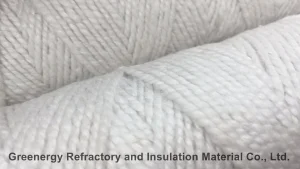
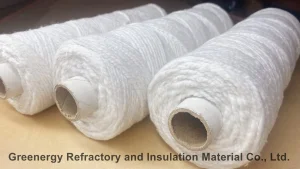
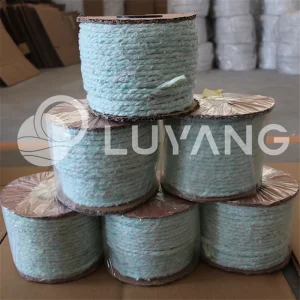
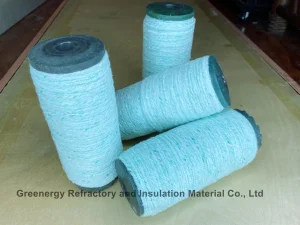
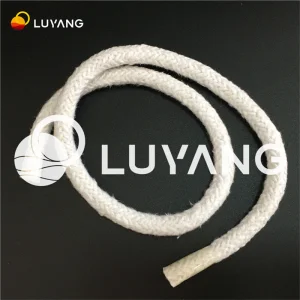
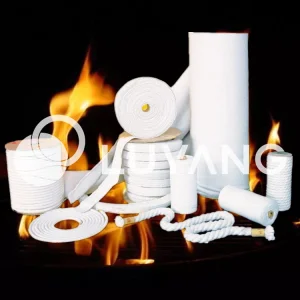
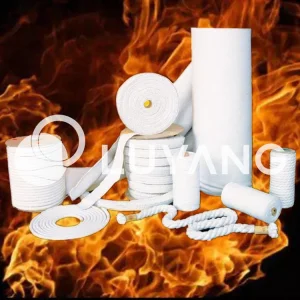
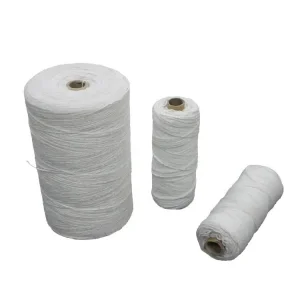
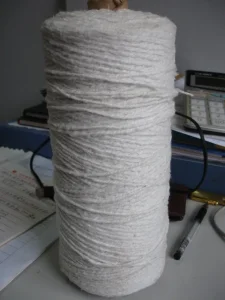
In the heart of the Levant, Jordan’s industrial sector is undergoing a rapid transformation. With the government’s vision for expanding manufacturing capabilities—particularly in cement, glass, petrochemicals, and phosphate processing—the demand for high-performance refractory materials, specifically Ceramic Fibre Yarn, has never been higher.
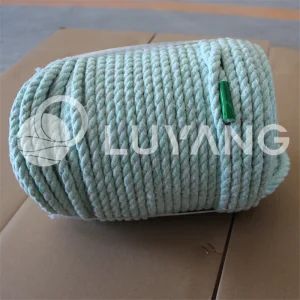
As a leading exporter, we provide the Jordanian market with specialized thermal insulation solutions that meet international standards. From the heavy-duty rotary kilns in cement plants to precise insulation requirements in local metal casting facilities, our yarn provides the structural integrity and thermal resistance necessary for safe, efficient operation.
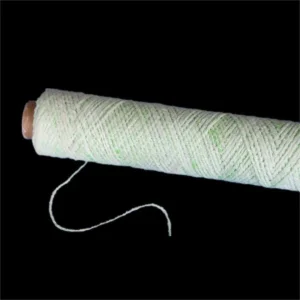
The global refractory industry is moving decisively away from traditional refractory ceramic fibers (RCF) toward Bio-Soluble Fiber technologies. This transition is driven by stringent international health and safety regulations (REACH, OSHA). Our product line, featuring advanced biowool options, offers the same high-temperature performance (up to 1260°C and beyond) while significantly reducing health risks for industrial workers.
Our R&D department is currently mapping the next generation of refractory textiles. We are focusing on:
For Jordan’s developing infrastructure, these advancements mean longer maintenance intervals for boilers, furnaces, and piping systems, ultimately lowering operational expenditures (OPEX) for local companies.
A: Bio-soluble fibers are designed to be broken down by body fluids if inhaled, making them significantly safer for handling while maintaining identical thermal resistance properties up to 1260°C.
A: Reinforcement prevents mechanical fatigue. Stainless steel inserts are used for high-tensile strength in vibrating environments, while glass fiber reinforcement offers superior cost-efficiency for static sealing applications.
A: Absolutely. We have extensive experience navigating international shipping protocols to Aqaba and other major regional hubs, ensuring competitive transit times and safety compliance.