FibroCeram Materials
FibroCeram Materials
FibroCeram Materials
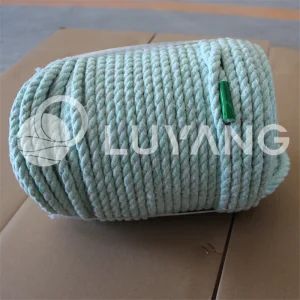
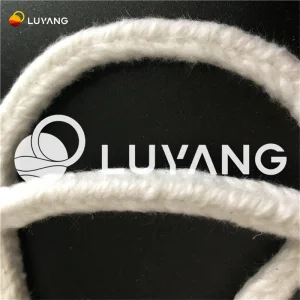
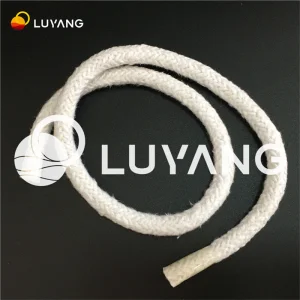
Premium grade refractory yarns designed to withstand high operational stresses, reinforced with structural fiberglass or high-alloy steel wire for optimal tensile capacity.
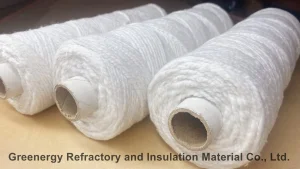
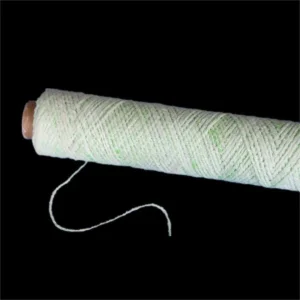
Equatorial Guinea, as a pivotal energy hub in West Africa with substantial investments centered on Bioko Island (Malabo) and the mainland (Bata), requires highly specialized, resilient materials to support its growing infrastructure. Major projects, including gas liquefaction at Punta Europa, LNG shipping terminals, offshore platform maintenance, and domestic power generation networks, operate under severe thermal constraints.
Within these critical sectors, high-temperature thermal management is not simply a matter of thermal retention; it is a fundamental pillar of structural safety, environmental protection, and operational continuity. High-quality ceramic fiber yarn serves as the primary structural unit for manufacturing customized high-temperature textiles, cords, ropes, braids, and seals. These assemblies provide reliable containment and insulation at temperatures exceeding 1000°C.
By preventing thermal runaways, containing chemical gases, and protecting crucial electrical conduits, high-spec insulation directly mitigates downtime, allowing facilities to maintain target production outputs even under corrosive maritime environments and equatorial humidity.
High ambient humidity and coastal salt spray mean that insulation systems must resist mechanical degradation, chemical corrosion, and intense heat simultaneously. Ceramic fiber products reinforced with stainless steel wire (SS304/SS310) provide the robust tensile strengths necessary to withstand high wind, heavy vibrations, and intense pressures encountered in offshore hydrocarbon extraction.
Tailored formulations utilizing high-purity alumina-silica chemistry ensure structural integrity under sustained extreme temperature loading without chemical decomposition.
Standard glass-fiber cores offer exceptional electrical insulation and flexibility, whereas high-alloy stainless steel wire reinforcement yields superior high-temperature tensile capacity.
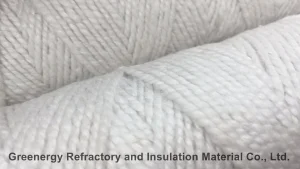
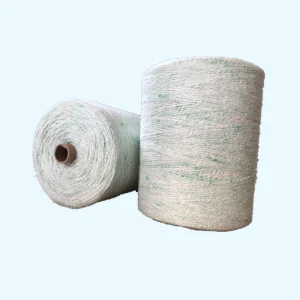
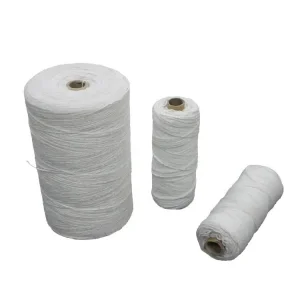
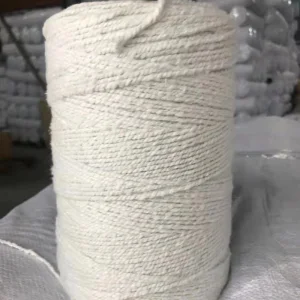
Ceramic fiber yarns are produced by cards spinning high-purity aluminum silicate blown or spun bulk fiber blended with organic carrier fibers. The organic carrier burns out cleanly at elevated temperatures, leaving a highly interlocking, stable ceramic fiber core matrix.
Depending on the mechanical demands of the installation, a reinforcing filament is spun alongside the ceramic bulk fibers. Under operating temperatures below 650°C where high electrical resistance is paramount, E-glass fiber reinforcement is the standard. For heavy mechanical applications at temperatures up to 1050°C, high-temperature stainless steel wire (typically 304 or 310 grades) is integrated, preserving structural form and preventing tensile breakage under physical stress.
Additionally, bio-soluble options engineered from alkaline earth silicate (AES) wool are available. These fibers offer low biopersistence, meeting rigorous international health and safety guidelines while delivering excellent thermal performance.
Max Operating Temperature
Al2O3 Chemical Purity
Non-Combustible Material
Low Thermal Conductivity
Explore our premium bio-soluble and high-tensile stainless steel configurations engineered to meet the stringent safety and mechanical requirements of modern chemical processing.
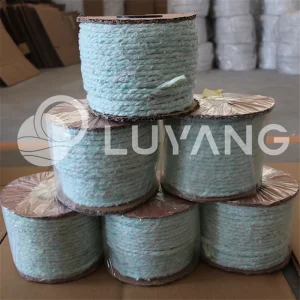
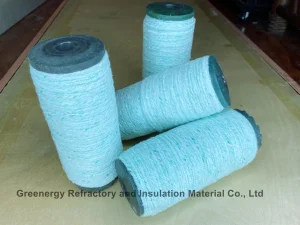
For industrial operators in Equatorial Guinea, sourcing thermal materials from Chinese manufacturing hubs under the Industry 4.0 standard ensures major operational advantages. Our automated production facilities integrate smart monitoring to maintain consistent yarn linear density, twist pitch, and reinforcement tensile strength.
This automated quality assurance minimizes structural deviations that can lead to rapid fiber wear or localized blowout under severe heat. As a high-volume manufacturing center, Henan FibroCeram & Titan New Material optimize the entire raw material pipeline, ensuring cost-efficient pricing while complying with international quality standards like ASTM, EN, and ISO.
Given the long transport times from overseas factories to West African ports, supply chain reliability is essential. We maintain large raw material stockpiles and have established direct freight partnerships to provide stable shipping routes to the Port of Malabo and Port of Bata. This reduces lead times and prevents expensive outages for heavy industrial operators.
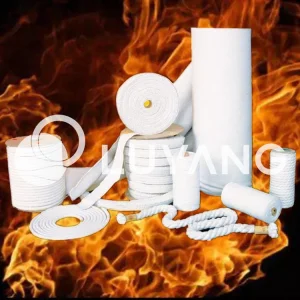
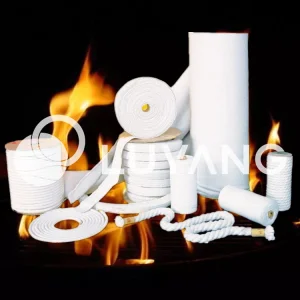
As industry-leading Thermal Insulation Material Experts, we offer a comprehensive portfolio of high-temperature refractory components to supplement industrial operations.

Classified into three temperature grades (1260°C, 1300°C, and 1430°C) with thicknesses ranging from 6mm to 50mm and densities from 64kg/m³ to 160kg/m³.

Rigid high-temperature panels available in 1260°C and 1430°C grades, with thicknesses ranging from 6mm to 100mm and densities from 220kg/m³ to 600kg/m³.

Flexible, highly uniform sealing sheets in standard (1260°C), high-aluminum (1350°C), and zirconia-grade (1430°C) formulations. Thicknesses range from 1mm to 10mm.

Pre-compressed, anchor-ready modules (folded or stack-bonded configurations) with densities of 160kg/m³ to 240kg/m³. Pre-installed Type S/M/T anchors available.
Our high-purity ceramic fiber insulation systems are deployed across various demanding environments, guaranteeing thermal safety and energy efficiency.

Reliable lining and door seals for Regenerative Thermal Oxidizers (RTOs), shuttle kilns, and rotary kilns.

High-durability thermal insulation for movable kilns and tunnel kilns operating under cyclical heat loads.

Food-safe exterior thermal barriers and backing layers for high-efficiency temperature retention.

Heavy-duty refractory materials for ladles, tundishes, and reheating furnaces running at high heat.

High-density ceramic fiber blankets and yarns used as reliable fire barriers in commercial structures.

Ceramic fiber and high-density rockwool pipe lagging for high-temperature process piping in refineries.
In-depth responses to frequent technical queries from project engineers, procurement managers, and maintenance teams in Equatorial Guinea.
Browse our complete catalog of industrial grade, high-purity aluminum silicate yarns, tailored for heavy industrial applications, sealing, and fire-resistant wrapping.
Partner with an industry-leading manufacturer to secure high-performance ceramic fiber yarns tailored for your facilities in Malabo, Bata, or the wider Gulf of Guinea.
Send Inquiry Now