FibroCeram Materials
FibroCeram Materials
FibroCeram Materials
In the modern era of industrial decarbonization and energy efficiency, Ceramic Fiber Piping and Insulation have emerged as critical components in high-temperature engineering. As global industries transition towards Net Zero targets, the demand for materials that can withstand temperatures exceeding 1400°C while maintaining low thermal mass is skyrocketing. The global ceramic fiber market is projected to reach USD 3.5 Billion by 2028, driven by the expansion of the petrochemical, iron, and steel industries.
Leading manufacturers are no longer just "suppliers"; they have become Refractory Solution Partners. From the rapid industrialization in Southeast Asia to the stringent environmental regulations in the European Union, the choice of a manufacturer determines not only the longevity of the equipment but also the operational energy costs. Today’s top factories, such as Henan FibroCeram Advanced Materials Co., Ltd. (Titan New Material), are integrating AI-driven manufacturing processes to ensure fiber consistency and density precision.
Modern factories are employing automated needle-punching and vacuum forming to reduce human error and enhance thermal stability.
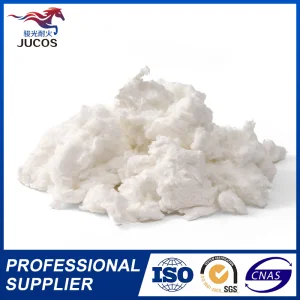
Rise of Bio-Soluble fibers that provide safety for workers while maintaining extreme heat resistance.
Advanced R&D focuses on reducing thermal conductivity to as low as 0.03 W/m·K at mean temperatures.
When selecting a manufacturer for high-temperature piping and insulation, professional procurement teams look beyond the price per ton. Based on the Search Quality Rater Guidelines, we evaluate the industry leaders through the lens of Experience, Expertise, Authoritativeness, and Trustworthiness.
With decades of specialized experience in China’s manufacturing hub, Henan FibroCeram has established itself as a beacon of Thermal Insulation Material Expertise. Their production lines cover the entire spectrum of refractory needs, from standard 1260°C blankets to specialized Zirconium-based 1430°C modules.

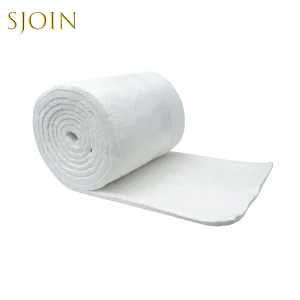
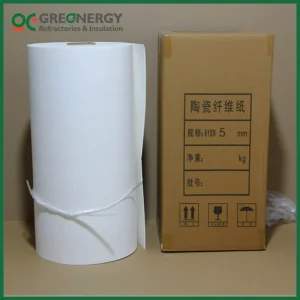
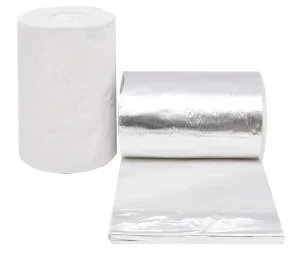
Classified into 1260C, 1300C, and 1430C. Thickness: 6mm-50mm. Density: 64kg/m3-160kg/m3.

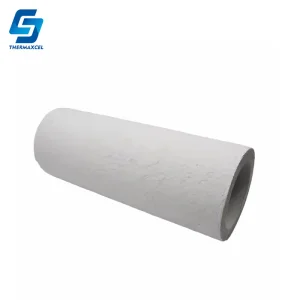
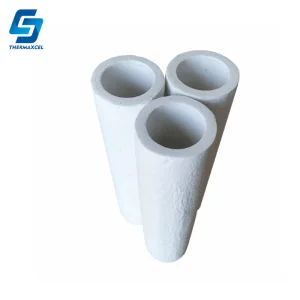
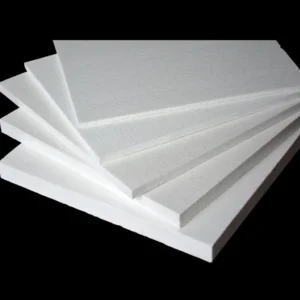
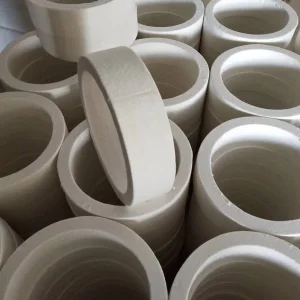
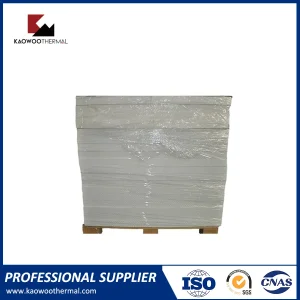
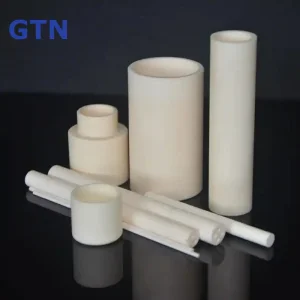
Vacuum-formed precision for 1260C and 1430C applications. Thickness up to 100mm. Density up to 600kg/m3.

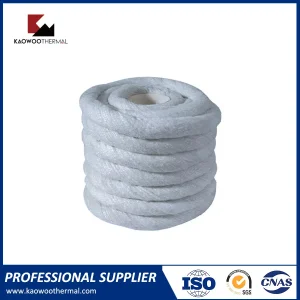
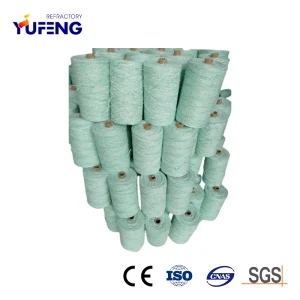
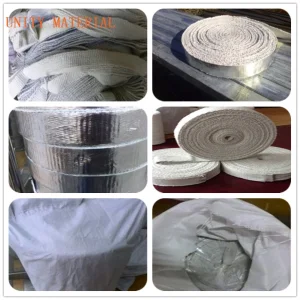
Highly flexible, including 1260C Standard, 1350C High Alumina, and 1430C ZrO2 grades.
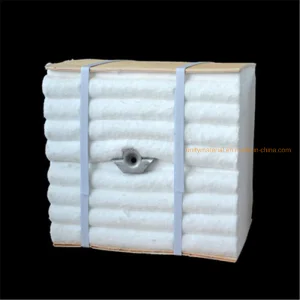
In the top-tier manufacturing segment, the inclusion of Zirconium (ZrO2) is a game-changer. Standard alumina-silicate fibers often suffer from shrinkage at temperatures above 1200°C. However, Zirconia-stabilized fibers (1430°C) provide the structural integrity required for heavy industrial furnaces and aerospace heat shields. Titan New Material offers stack-bonded and folded modules with pre-installed Type S/M/T anchors, showcasing their understanding of mechanical installation challenges.
Our ceramic fiber products are engineered for the most demanding environments across multiple sectors.

Precision thermal lining for RTO incinerators, shuttle kilns, and rotary kilns where temperature cycling is frequent.
Movable and tunnel kilns for ceramics and red bricks, optimizing heat retention and reducing fuel consumption.

Food-grade safety considerations paired with superior heat insulation for residential and commercial ovens.
Managing molten metal and ladle insulation where refractory materials are non-negotiable for safety.
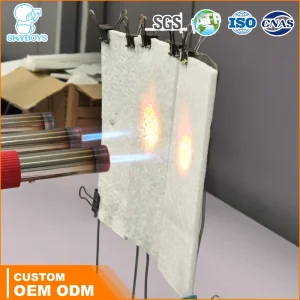
High-density ceramic fiber blankets utilized as the core thermal barrier in fire-rated doors and safety safes.

Ceramic fiber or Rockwool solutions for steam piping, exhaust systems, and high-temp fluid transport.
As an SEO Growth Director and industry analyst, I see a clear shift toward Hybrid Refractory Systems. The future roadmap includes:
Max Operating Temp
Energy Savings
Manufacturing Experience
Certified Quality
A: The 1260C variant is standard Alumina-Silicate, while the 1430C version contains Zirconium. Zirconium prevents the crystallization and subsequent shrinkage of the fiber at higher temperatures, ensuring the integrity of the insulation over longer periods.
A: Yes, ceramic fiber products like blankets and modules are designed for direct exposure to high-temperature gas and flame in furnace linings, provided the velocity does not exceed the material's physical limits.
A: Vacuum-formed boards and tubes provide structural rigidity. In piping, this means the insulation won't sag over time, maintaining a consistent air gap and thermal resistance, which is crucial for vertical pipe runs.
A: Modern Bio-Soluble fibers have reached thermal performance parity with 1260C standard fibers. They are the preferred choice in regions with strict health and safety regulations (like the EU) due to their low bio-persistence.