 FibroCeram Materials
FibroCeram Materials
FibroCeram Materials
Choosing insulation is not merely a matter of comparing R-values or reducing heating bills. The material surrounds occupied spaces for decades. It can affect indoor air quality, moisture control, fire performance, and construction waste. That is why homeowners, architects, and contractors must Ensure environmental safety and non-toxicity of insulation materials before installation.
Building scientist Dr. Joseph Lstiburek often says, “A building is a system.” His statement offers a practical warning. Insulation cannot be judged separately from air sealing, ventilation, humidity, and wall design. A low-emission product may still fail when trapped moisture encourages mold. A natural fiber product may perform poorly if installed carelessly. Details matter.
Consider a renovation site. Fibers drift beside an open window. Workers cut boards with loud saws. Adhesive odors remain after sunset. These small observations reveal real environmental questions. Does the product release harmful chemicals? Can workers handle it safely? Will its performance remain stable in damp conditions? Responsible selection requires safety data sheets, third-party certifications, recycled content information, and installation guidance.
No insulation is perfect. That is worth admitting. Some products have lower toxicity but higher transport impacts. Others save energy yet contain difficult-to-recycle components. A credible evaluation must examine the whole life cycle, not one attractive label. Experience from well-designed projects can guide decisions, but assumptions should still be tested.
This article explores safer insulation choices, practical verification methods, and the compromises behind sustainable building envelopes. It focuses on evidence, not fashionable claims. The goal is simple: warmer rooms, healthier air, and fewer hidden environmental costs.
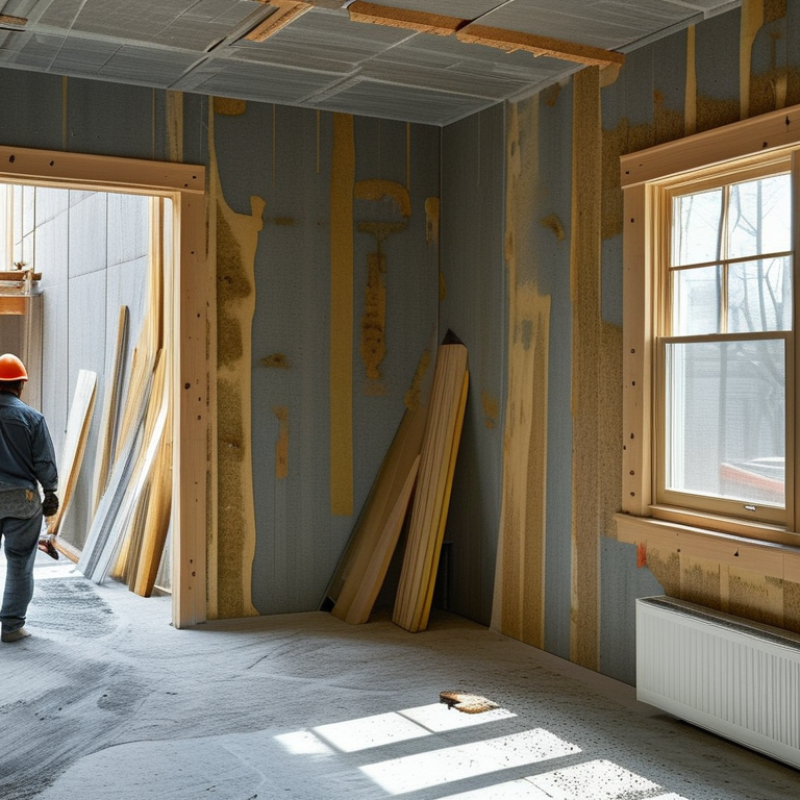
Eco-friendly, non-toxic insulation materials reduce heat transfer without adding unnecessary pollutants indoors. Common options include cellulose made from recycled paper, cork, sheep wool, and mineral wool. Each material has conditions. Cellulose requires fire and pest treatment. Mineral wool needs careful dust control during cutting. Cork can perform well, but long-distance transport may increase its embodied emissions. No material is automatically harmless.
The 2023 Global Status Report for Buildings and Construction states that buildings and construction used 34% of global energy in 2022. The sector also produced 37% of energy and process-related carbon dioxide emissions. Better insulation can reduce heating and cooling demand, especially in poorly sealed homes. The International Energy Agency identifies building envelopes as a major energy-efficiency opportunity. Small details matter.
Indoor air quality deserves equal attention. The U.S. Environmental Protection Agency reports that indoor pollutant concentrations can be two to five times higher than outdoor levels. Look for low-emission binders, transparent ingredient information, and third-party VOC testing. A product declaration should also show thermal resistance, moisture behavior, recycled content, and disposal guidance. On site, a two-centimeter gap around a window can undermine an otherwise excellent installation. That part is often overlooked. “Non-toxic” is not a universal scientific category, so treating it as a guarantee would be careless. Ask for measured evidence, not only attractive wording.
A practical comparison of commonly used insulation materials, their thermal performance, environmental characteristics, and indoor-air considerations.
| Material | Typical R-Value per Inch* | Common Composition | Environmental Profile | Indoor-Air and Health Considerations | Moisture and Fire Performance | Typical Applications |
|---|---|---|---|---|---|---|
| Cellulose | Approximately R-3.2 to R-3.8 | Recycled paper fibers, usually treated with fire-retardant mineral salts. | Often contains a high proportion of post-consumer recycled content and can reduce demand for virgin raw materials. | Generally low-emission after installation; dust can be produced during handling, so installers should use appropriate respiratory and eye protection. | Can absorb moisture if exposed to leaks; requires proper air sealing and moisture control. Fire performance depends on the treatment and installation quality. | Attics, wall cavities, retrofit projects, and dense-pack applications. |
| Mineral Wool | Approximately R-3.0 to R-3.3 | Rock, basalt, or industrial mineral fibers formed into batts or boards. | May contain recycled mineral or industrial materials and is durable over long service periods. | Does not normally require formaldehyde-based binders in all product types, but product formulations vary. Fibers may irritate skin, eyes, and lungs during installation. | Naturally noncombustible in many formulations and relatively resistant to water absorption, although it should not be used to replace a waterproofing system. | Exterior walls, interior partitions, roofs, basements, and areas requiring sound control. |
| Fiberglass | Approximately R-2.2 to R-2.7 | Fine glass fibers made from sand and, in many products, recycled glass. | Can include recycled glass content and is widely available, but manufacturing requires significant energy. | Modern low-emission products are available. Loose fibers can irritate the skin, eyes, and respiratory system during installation. | Noncombustible glass fibers, but facings, binders, and adjacent building materials can affect overall fire performance. Performance decreases when compressed or poorly installed. | Walls, ceilings, floors, attics, and standard framed construction. |
| Hemp Fiber | Approximately R-3.5 to R-4.0 | Fibers from the hemp plant, usually formed into batts or semi-rigid panels. | Hemp is a rapidly renewable agricultural material and can require relatively low pesticide input, depending on cultivation practices. | Typically low odor and low emission when manufactured without added hazardous chemicals. Natural fibers can still create dust during cutting. | Can buffer limited changes in humidity but must remain protected from persistent water exposure. Fire resistance depends on treatment and assembly design. | Timber-frame walls, interior renovations, ceilings, and roofs where vapor-open assemblies are appropriate. |
| Sheep’s Wool | Approximately R-3.5 to R-3.8 | Processed natural wool fibers, sometimes blended with supporting fibers and treated against pests or fire. | Renewable and biodegradable under suitable conditions; transportation and farming practices influence its total environmental impact. | Generally low in irritating fibers and can help regulate humidity. Treatment chemicals should be checked when selecting a product. | Can absorb and release limited amounts of moisture without losing all insulating capacity, but it still requires protection from leaks and condensation. Fire performance varies by treatment. | Wall cavities, roofs, attics, floors, and small-scale residential projects. |
| Wood Fiber | Approximately R-3.5 to R-4.0 | Wood fibers or residual wood products compressed into flexible or rigid insulation boards. | Can use renewable wood resources and manufacturing residues; responsible forestry certification and adhesive selection are important. | Usually has a relatively low odor profile, but binders and additives differ among products. Cutting may release wood dust. | Can provide useful vapor-buffering capacity. Needs correct detailing against bulk water, and fire resistance depends on density, additives, and assembly. | Exterior continuous insulation, roofs, walls, floors, and energy-efficient timber construction. |
| Cork | Approximately R-3.6 to R-4.2 | Expanded cork granules or cork board made from the bark of cork oak trees. | Cork bark can be harvested without cutting down the tree, and the material is durable and renewable when sourced responsibly. | Generally low odor and low fiber shedding. Adhesives, coatings, and fire treatments should be reviewed for emissions. | Naturally resistant to some moisture and biological deterioration, but prolonged water exposure can still damage assemblies. Fire performance varies by product. | Exterior wall insulation, floors, roofs, acoustic applications, and thermal-bridge reduction. |
*R-value ranges are approximate and vary with product density, temperature, moisture content, installation quality, and testing method. A material described as “non-toxic” should still be evaluated through its safety data sheet, emissions certification, fire rating, and complete ingredient disclosure.
: It can reduce heating and cooling demand throughout a building’s life. A well-insulated wall stays warmer during winter. A roof can slow summer heat entering rooms. Lower energy use may reduce operational emissions, though results depend on installation quality.
Yes, insulation helps stabilize indoor temperatures. Rooms may feel less drafty near exterior walls and windows. Some materials also reduce sound from traffic or neighboring rooms. Comfort still depends on ventilation, shading, and air sealing.
No. Natural does not automatically mean sustainable. Transport distance, binders, fire treatments, durability, and disposal can change the environmental result. This deserves careful checking.
Performance depends on thickness, climate, moisture, and installation quality. Some conventional materials are affordable and familiar. Eco-friendly options may use recycled, renewable, or mineral-based inputs. A higher thermal rating alone does not prove the better choice.
Check thermal resistance, moisture behavior, sound control, fire performance, and expected service life. Review declared emissions and formaldehyde content. Independent test reports are more useful than broad green claims. The perfect material probably does not exist.
Damp insulation can settle and lose performance. Moisture may also encourage mold on nearby surfaces. Coastal rooms and poorly ventilated spaces need special attention. A renewable material can still fail in a wet wall assembly.
Yes, some products release fewer irritating chemicals after installation. Others may require ventilation and protective handling. Check VOC emissions, fiber shedding, and formaldehyde information. Open a window during installation when practical.
Not always. More material may increase cost without solving air leaks or moisture problems. Choose thickness for the local climate and wall design. Seal gaps around windows, pipes, ducts, and electrical outlets. Small gaps matter.
Compare material price, labor, maintenance, service life, and disposal options. Some materials need skilled installation or extra wall space. A cheaper product may perform poorly if installed carelessly. The calculation is easy to overlook.
Eco-friendly, non-toxic insulation materials are made from responsibly sourced or recycled components and are designed to reduce harmful emissions during installation and use. By limiting volatile organic compounds, irritating fibers, and other hazardous substances, they can support cleaner indoor air and create a more comfortable living environment. Their benefits extend beyond the home: renewable or recycled inputs, lower manufacturing impacts, and improved energy efficiency can help reduce waste, resource consumption, and greenhouse gas emissions over time.
Compared with conventional insulation, these materials may offer safer handling, better moisture management, and comparable thermal and acoustic performance, although their suitability depends on the building and climate. When selecting insulation, homeowners and professionals should consider thermal resistance, fire and moisture performance, durability, installation requirements, recycled or renewable content, and end-of-life disposal. They should also Ensure environmental safety and non-toxicity of insulation materials by reviewing credible product information and choosing options with transparent health and environmental documentation.
