 FibroCeram Materials
FibroCeram Materials
FibroCeram Materials
Heat stress poses a significant challenge to industrial equipment and components. Elevated temperatures can lead to reduced efficiency and costly breakdowns. To ensure optimal performance, it's essential to focus on methods that can effectively reduce heat stress on industrial equipment and components.
Several strategies exist to manage heat in industrial settings. Implementing proper cooling systems is critical. Additionally, regular maintenance checks help identify potential overheating issues. Understanding the specific heat tolerance of various components also aids in selecting the right materials.
Moreover, operators must remain vigilant. Over-reliance on a single cooling method can create vulnerabilities. Continuous assessment and adjustment based on environmental changes are necessary for long-term success. These practices foster reliability and extend the lifespan of industrial equipment. Balancing the demands of productivity while managing heat effectively is a constant challenge.
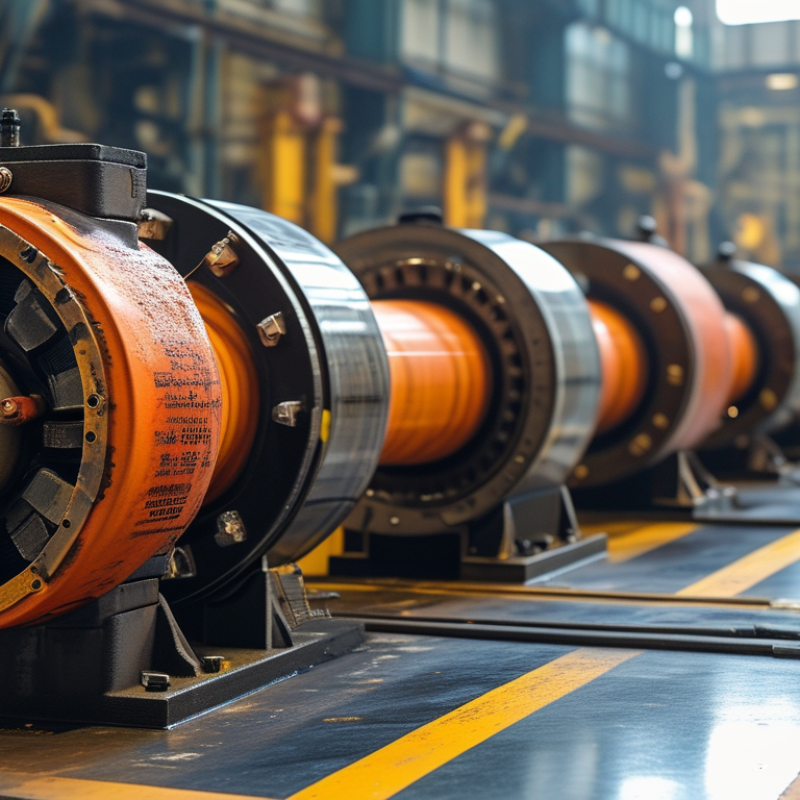
Heat stress in industrial equipment is a critical issue. High temperatures can lead to equipment failure, reduced efficiency, and costly downtime. Understanding how heat stress develops is essential for proper management. Factors such as ambient temperature, humidity, and equipment load play significant roles. Knowing how these elements interact can help prevent serious problems.
To combat heat stress, consider proper ventilation. Ensuring adequate airflow around machinery can significantly lower operating temperatures. Fans or ventilation systems can disperse heat, improving performance. Regular maintenance is also crucial. Check for dust buildup on equipment, which can hinder cooling mechanisms.
Implementing routine checks is important. Engage staff in monitoring equipment temperature regularly. This proactive approach allows for early detection of possible issues. Staff training contributes to better awareness of heat stress impacts. Small changes can lead to meaningful outcomes, ensuring equipment longevity and reliability. Always review and refine your strategies.
| Method | Description | Effectiveness (1-10) | Cost ($) |
|---|---|---|---|
| Improved Ventilation | Enhancing airflow around equipment reduces heat buildup. | 8 | 500 |
| Heat Exchanger Systems | Using heat exchangers to transfer heat away from critical components. | 9 | 2000 |
| Thermal Insulation | Insulating hot equipment to maintain temperature and reduce heat transfer. | 7 | 1500 |
| Regular Maintenance | Scheduled maintenance to ensure equipment operates efficiently. | 9 | 800 |
| Heat Resistant Materials | Using materials that withstand higher temperatures for equipment. | 8 | 3000 |
: Heat stress often arises from inefficient cooling systems and poor ventilation. Overloading machinery also contributes significantly.
Overloading machinery generates excessive heat, which may lead to component failure. Continuous operation without breaks increases the risk of overheating.
Regular maintenance helps identify heat stress issues early. Ignoring small problems can lead to significant faults later.
Technicians should check coolant levels, replace worn components, and monitor load capacities to maintain efficiency.
Proper ventilation can significantly lower ambient temperatures. Inadequate airflow may cause equipment performance to drop by 20%.
Thermal imaging helps identify hot spots within machinery, allowing for preventative measures to be taken before failures occur.
Real-time monitoring systems track temperature fluctuations and provide alerts for excessive heat, preventing breakdowns and extending machinery lifespan.
Many prefer traditional methods due to perceived cost savings. However, this approach can lead to expensive downtime and repairs.
Although initial costs may seem high, investing in monitoring technologies often reduces maintenance costs and decreases unplanned outages significantly.
Neglecting maintenance can lead to frequent breakdowns and increased downtime. Regular checks are vital for sustaining equipment health.
Heat stress on industrial equipment can significantly impact performance and longevity, making it essential to implement effective strategies to mitigate this issue. Understanding the common causes of heat stress, such as inadequate ventilation or excessive operational loads, is crucial for industrial operators. To reduce heat stress on industrial equipment and components, businesses can adopt several effective cooling solutions, including advanced ventilation systems and heat exchangers, alongside regular maintenance practices that ensure optimal machine performance.
Furthermore, the implementation of monitoring systems can provide real-time data on heat levels, enabling proactive measures to be taken before equipment reaches critical temperatures. By integrating these strategies, companies can not only enhance the reliability of their machinery but also extend the lifespan of their industrial systems, leading to greater efficiency and reduced downtime.
