FibroCeram Materials FibroCeram Materials

Top 10 Tips to Extend Service Life of High Temperature Insulation Systems?

Time:2026-05-05 Author:Mason
0%

High-temperature insulation systems play a critical role in various industrial applications. These systems are essential for energy efficiency and the safety of operations. However, their service life can be compromised by several factors. To effectively extend the service life of high-temperature insulation systems, it is vital to adopt best practices.

Understanding the environmental conditions and operational stresses allows for informed decisions. Regular maintenance and inspection are key elements that can prevent unexpected failures. An effective approach is to select suitable materials and installation techniques tailored to specific needs. Training personnel in handling these systems is also crucial.

Implementing these strategies will enhance performance and reliability. The goal is not only to avoid costly downtime but also to foster a culture of safety and efficiency. Reflection on past experiences often reveals areas for improvement. By focusing on the right methods, we can significantly extend service life of high-temperature insulation systems.
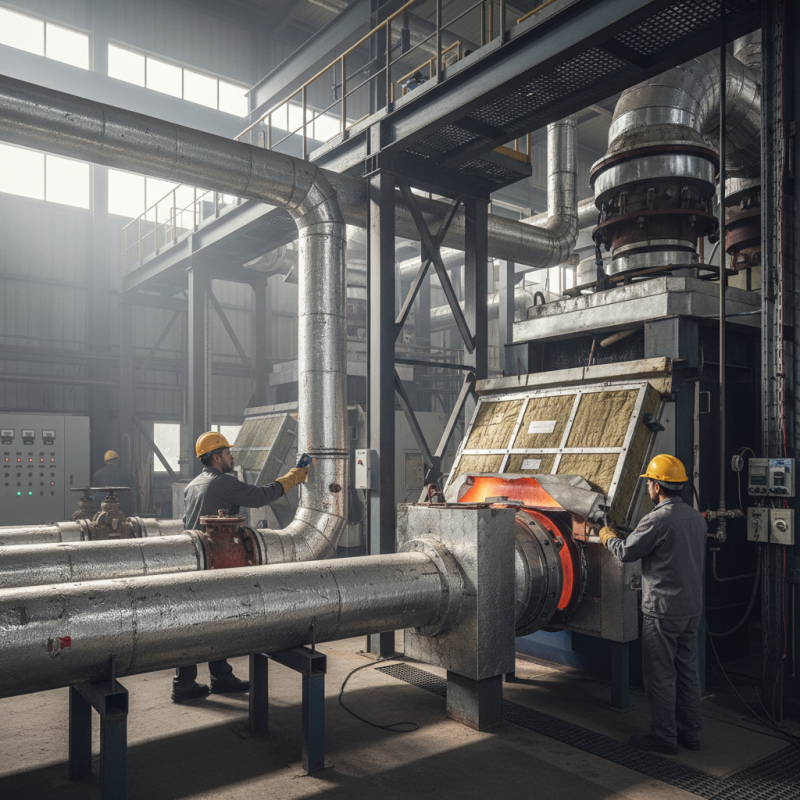
Top 10 Tips to Extend Service Life of High Temperature Insulation Systems?

Understanding the Importance of High Temperature Insulation Systems

High-temperature insulation systems play a vital role in various industrial applications. They are essential for energy efficiency, operational safety, and overall system reliability. When machines operate at elevated temperatures, the insulation barriers help to minimize heat loss. This containment leads to improved performance and reduced energy costs. Effective insulation can also safeguard personnel from hazardous exposure to heat.

However, these systems can degrade over time due to constant exposure to extreme heat. Factors like thermal cycling, mechanical stress, and contaminants can significantly shorten their lifespan. Regular inspection and maintenance are crucial to identify any signs of wear. Encouraging a culture of vigilance can make a real difference. Operators should be trained to recognize issues early and respond swiftly. The reality is, neglect can lead to costly failures and downtime.

Implementing robust strategies to extend the service life of insulation systems is essential. This includes selecting the right materials and ensuring proper installation. Additionally, educating staff about the importance of insulation care is paramount. Yet, even the best practices can fall short without ongoing evaluation. Reflecting on what works and what doesn’t is an ongoing challenge. Creating a feedback loop can lead to continuous improvement in how we manage high-temperature insulation systems.

Top 10 Tips to Extend Service Life of High Temperature Insulation Systems

Factors Affecting the Lifespan of Insulation Materials

High temperature insulation systems are crucial in various industries, yet their lifespan can vary significantly. Factors affecting the longevity of these materials include the operating temperature and the conditions they encounter. Excessive heat can accelerate degradation, while mechanical damage from abrasion reduces effectiveness.


Preventive measures can help extend service life. Regular inspections are essential. They identify early signs of wear. Keeping insulation systems clean also plays a significant role. Dust and debris can trap heat, increasing stress on materials.


When installing insulation, proper techniques matter. Avoid tight bends or excessive stress on the materials. These choices can lead to premature failure. Each factor contributes to overall sustainability in high temperature settings. This awareness is key to ensuring optimal performance over time.

Maintenance Practices for Enhancing Insulation Longevity

Maintaining high temperature insulation systems is crucial for longevity and efficiency. Regular inspections should be a priority. Studies show that up to 30% of insulation failure results from moisture intrusion. Checking for leaks and moisture accumulation can prevent costly repairs.

Simple practices like cleaning dust from insulation surfaces can help. Dust reduces thermal efficiency and may lead to heat retention issues. According to the National Insulation Association, regular cleaning can enhance efficiency by up to 10%. More importantly, access points should be inspected regularly to ensure they are properly sealed. Sealing leaks can save energy and maintain system performance.

Documenting findings from each inspection forms a useful history. This can highlight recurring issues, allowing for targeted solutions and upgrades. Some facilities overlook this step, which can hinder long-term planning. Involving skilled technicians for more complex assessments is also beneficial. They can identify subtle signs of wear and provide valuable insights into maintenance needs.

Top 10 Tips to Extend Service Life of High Temperature Insulation Systems

Tip Number Maintenance Tip Frequency Expected Benefit
1 Regular Visual Inspections Monthly Identify early signs of wear
2 Correct Installation Checks Annual Prevent heat loss
3 Moisture Control Quarterly Reduce thermal resistance loss
4 Thermal Imaging Annually Detect hidden flaws
5 Repair Damage Promptly As needed Extend insulation lifespan
6 Check for Compressed Insulation Biannually Maintain thermal efficiency
7 Monitor Operating Conditions Continuous Ensure optimal performance
8 Ensure Proper Ventilation Regular checks Prevent moisture accumulation
9 Evaluate External Damage Monthly Identify maintenance needs
10 Training for Personnel Annually Ensure best practices

Installation Techniques to Improve Insulation Durability

High temperature insulation systems require careful installation techniques to ensure durability and longevity. Start by selecting the right insulation material based on temperature limits. Properly trained professionals must handle installations. Incorrect techniques can lead to premature failure. Misalignment during installation is a common mistake that can reduce insulation efficiency.

Consider using support systems to hold insulation in place. These can help prevent sagging and maintain structure. Ensure all joints are sealed correctly. Gaps can lead to heat loss and increased energy costs. Use thermal barriers where necessary to protect insulation from high-stress areas.

Even experienced installers can overlook key details. Regular inspections during and after installation can catch issues early. Documenting installation processes can help identify potential improvement areas. Mistakes are learning opportunities. Analyzing past projects leads to better practices for future installations.

Monitoring and Evaluating Insulation Performance Over Time

Monitoring and evaluating insulation performance is crucial in high-temperature environments. Regular inspections can identify potential issues early. Conducting temperature surveys helps assess heat loss and reveals insulation weaknesses. These assessments should be systematic and performed at scheduled intervals.


Visual inspections can uncover signs of wear. Cracks, moisture, or gaps are common indicators of failing insulation. Documenting these findings aids in tracking changes over time. It’s essential to take measurements under operating conditions. This provides a real-world perspective on how insulation performs.


Data analysis plays a vital role in performance evaluation. Collecting and reviewing data over time allows for trend identification. This information can guide maintenance decisions and upgrades. However, relying solely on past data can lead to complacency. Continuous improvement requires being open to new assessment methods for long-term efficiency.

FAQS

: What factors should be considered when selecting insulation materials?

: Choose materials based on specific temperature limits. Quality is key for durability.

Why is professional installation important?

Trained professionals ensure correct techniques. This avoids premature failure and inefficiencies.

What common mistakes occur during insulation installation?

Misalignment is frequent. It reduces efficiency and longevity of the insulation.

How can sagging insulation be prevented?

Use support systems during installation. They maintain structure and prevent sagging.

Why is sealing joints important?

Unsealed gaps lead to heat loss. This can increase energy costs significantly.

What role do inspections play in insulation installation?

Regular inspections identify issues early. This helps address potential problems before they worsen.

How can past projects improve future installations?

Analyzing past mistakes helps identify better practices. Learning from failures leads to growth.

What signs indicate failing insulation?

Look for cracks, moisture, or gaps. These can indicate serious performance issues.

How often should insulation performance be evaluated?

Perform evaluations systematically and at scheduled intervals. Regular checks are crucial for long-term efficiency.

Can data analysis improve insulation maintenance?

Yes, it helps identify trends over time. But don’t rely solely on past data; seek new methods.

Conclusion

High-temperature insulation systems play a crucial role in various industrial applications, providing thermal resistance and energy efficiency. To extend the service life of high-temperature insulation systems, it is essential to understand the factors that influence the lifespan of insulation materials, such as temperature extremes, mechanical stress, and exposure to chemicals. Regular maintenance practices, including inspections and timely repairs, can significantly enhance insulation longevity, while proper installation techniques ensure optimal performance.

Additionally, monitoring and evaluating insulation performance over time allow for proactive measures to be taken, addressing any potential issues before they lead to significant degradation. By implementing these strategies, industries can effectively extend the service life of high-temperature insulation systems, ensuring reliable operation and reducing replacement costs.

Mason

Mason

Mason is a seasoned marketing professional with a deep expertise in the company's offerings and a passion for driving brand awareness. With a strong background in digital marketing strategies, he has an innate ability to connect with diverse audiences and effectively communicate product benefits.......