In the pursuit of energy efficiency, understanding how to reduce thermal conductivity is crucial. Experts in the field, like Dr. Emilia Hart, emphasize this point. She states, "Reducing thermal conductivity directly enhances energy efficiency, making buildings more sustainable." This highlights the importance of tackling thermal management in our constructions.
Reducing thermal conductivity for better energy efficiency starts with the materials we choose. Insulation plays a key role. High-performance insulation materials can significantly lower energy loss. Inadequate insulation, however, remains a common oversight. In many cases, builders prioritize aesthetics over functionality. This misstep can lead to increased energy costs.
Moreover, the design of buildings must consider airflow. Proper ventilation can mitigate heat loss or gain. Innovations in smart technology also offer solutions, but reliance on gadgets should not overshadow basic principles. A holistic view is essential to truly improve energy efficiency while reducing thermal conductivity.
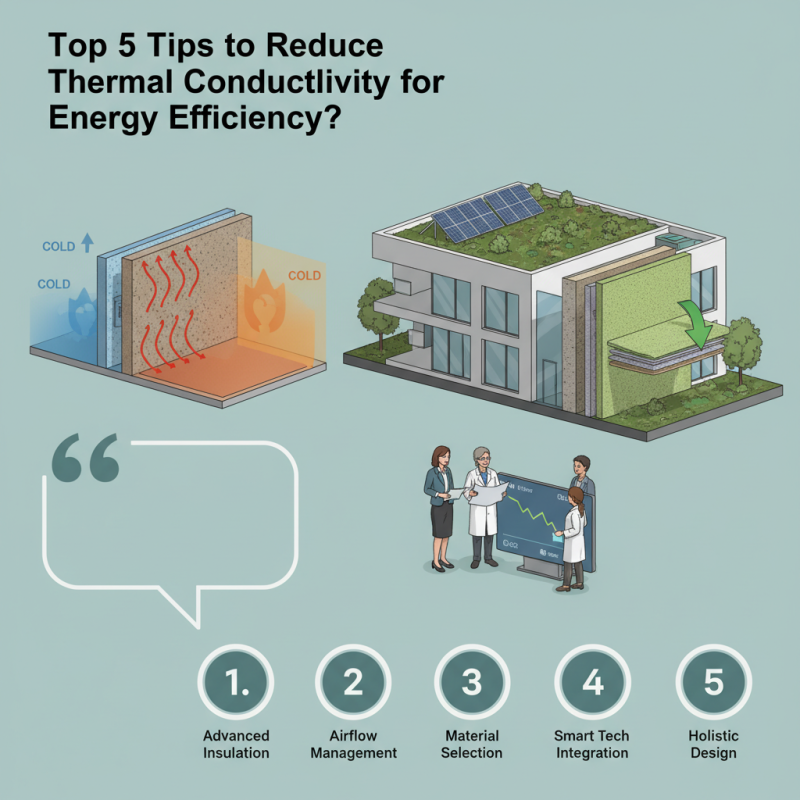
Understanding Thermal Conductivity and Its Impact on Energy Efficiency
Understanding thermal conductivity is crucial. It measures a material's ability to transfer heat. High thermal conductivity can lead to
energy loss. This impacts energy efficiency significantly. When buildings lose heat, they require more energy for heating. Consequently, the overall energy bills rise.
To reduce thermal conductivity, consider insulation upgrades. Proper insulation keeps heat in during winter and out in summer.
Another tip is to use thermal curtains. They help maintain indoor temperatures effectively. Also, evaluate your windows.
Double-glazed windows can vastly improve energy efficiency by minimizing heat transfer.
Thoughtful landscaping can also help. Trees provide shade and reduce heat absorption. However, remember that not every approach fits all homes. Some materials may not perform well in all climates.
Reflect on what works best for your situation. Effective energy management blends awareness with action.
Identifying Common Materials with High Thermal Conductivity
When discussing thermal conductivity,
it's essential to identify materials known for their high conductivity.
Metals like copper and aluminum are at the top of the list.
They are excellent heat conductors, often used in wiring and cookware. These materials help transmit heat quickly,
leading to energy losses in buildings and appliances.
On the other hand, certain plastics and wood have lower thermal conductivity.
They can be effective insulators, reducing energy waste. However, not all plastics perform equally well.
Some may degrade over time, impacting their insulating properties.
This variability highlights the importance of mindful material selection.
It’s valuable to assess the efficiency of materials regularly. Choose wisely
to optimize energy usage. A comprehensive understanding of material properties is crucial for effective insulation strategies.
Are we fully utilizing the potential of low-conductivity materials?
Reflecting on our choices could lead to better energy-efficient solutions.
Implementing Insulation Solutions to Minimize Heat Transfer
Implementing effective insulation solutions is crucial for minimizing heat transfer. Proper insulation not only keeps your home comfortable but also reduces energy bills. One essential tip is to choose the right insulation material. Materials like fiberglass, foam, and cellulose can provide excellent thermal resistance. Each type has its pros and cons, so research is essential to find the best fit for your space.
Another important strategy is to seal air leaks. Gaps around windows, doors, and electrical outlets can lead to significant heat loss. A quick inspection can reveal hidden areas where cold air enters. Use weatherstripping or caulk to seal these leaks. Minor fixes can lead to noticeable energy savings over time.
Consider the placement of insulation too. Attic insulation plays a vital role in heat retention. Insulating your attic properly minimizes heat escape. You might find that your home feels warmer with minimal additional heating. Always remember that each home is different, and solutions may need adjustments based on your unique situation. Don't hesitate to consult with professionals for an assessment.
Top 5 Insulation Solutions to Reduce Thermal Conductivity
Exploring Innovative Technologies to Reduce Thermal Conductivity
Innovative technologies play a crucial role in reducing thermal conductivity. According to the U.S. Department of Energy, buildings account for 40% of total energy consumption. Optimizing thermal insulation can significantly lower this figure. Advanced materials, such as aerogels and phase change materials (PCMs), have shown remarkable potential. Aerogels can have thermal conductivities as low as 0.013 W/m·K, making them one of the best insulators available.
Research indicates that the use of reflective insulation can also provide substantial benefits. Reflective barriers can reduce heat transfer by reflecting radiant heat away from living spaces. A study from the Lawrence Berkeley National Laboratory revealed that homes using reflective insulation techniques could save about 70% on cooling costs during peak temperatures. However, implementation can be challenging due to installation complexities.
While these technologies are promising, there are limitations. Costs for advanced materials often remain high, which can deter widespread adoption. Additionally, not all buildings are suitable for retrofitting with new materials. Further research is necessary to improve affordability and adaptability of these innovations. Industry experts continue to encourage evaluations of thermal management systems for better performance.
Adopting Sustainable Practices for Long-Term Energy Efficiency Improvements
Energy efficiency begins with reducing thermal conductivity. Sustainable practices not only lower energy costs but also promote environmental responsibility. One effective strategy is improving insulation in buildings. Quality insulation materials can substantially minimize heat transfer. Insulation helps maintain comfortable indoor temperatures, reducing reliance on heating and cooling systems.
Another approach involves using energy-efficient windows. Double or triple-glazed windows can significantly cut down heat transfer. They keep buildings warm in winter and cool in summer. Yet, it’s essential to consider installation quality. Poorly installed windows may defeat the purpose and lead to higher energy bills.
Landscaping also plays a role in energy efficiency. Planting trees strategically can provide shade and cool air. This natural barrier reduces the heat entering buildings. However, choosing the right plant species is crucial. Some trees may require more water and maintenance, detracting from their benefits. Evaluate your local climate while making decisions. Adopting these practices can lead to long-term energy savings, although they require upfront investment and continuous assessment.
FAQS
: Thermal conductivity measures how well a material can transfer heat.
It impacts energy efficiency by affecting heat loss in buildings.
Consider insulation upgrades and use thermal curtains to maintain indoor temperatures.
Double-glazed windows effectively minimize heat transfer and improve energy efficiency.
Trees provide shade, reducing heat absorption and helping manage energy efficiency.
Yes, aerogels and phase change materials offer significant insulation benefits.
Reflective barriers reflect radiant heat, reducing heat transfer and cooling costs.
Yes, installation complexities and high costs can deter adoption of advanced materials.
No, not all buildings are suitable for retrofitting with advanced materials.
Further research is needed to improve the affordability and adaptability of energy solutions.
Conclusion
Reducing thermal conductivity is essential for improving energy efficiency in buildings and industrial applications. This article highlights the importance of understanding thermal conductivity and its significant impact on energy consumption. By identifying common materials that exhibit high thermal conductivity, one can effectively target areas for improvement. Implementing insulation solutions plays a crucial role in minimizing heat transfer, thereby reducing energy loss.
Additionally, exploring innovative technologies can provide new methods to reduce thermal conductivity for better energy efficiency, such as advanced insulating materials and reflective coatings. Lastly, adopting sustainable practices not only addresses immediate energy efficiency challenges but also contributes to long-term environmental benefits. By focusing on these strategies, individuals and organizations can ensure a more energy-efficient future.
 FibroCeram Materials
