FibroCeram Materials
In today's industrial landscape, managing energy consumption is crucial. High-temperature equipment significantly impacts energy bills. Many businesses seek ways to reduce energy consumption in high-temperature equipment. By doing so, they can lower operational costs and reduce environmental impact.
Achieving energy efficiency demands a keen understanding of equipment design and operations. Regular maintenance plays a key role. Insulation is essential but not always sufficient. Observations often reveal inefficiencies that need addressing. Unexpected energy losses can occur in various forms, driving up costs.
With proper strategies, it's possible to make substantial improvements. Implementing advanced technologies offers promising results. However, not every solution fits all circumstances. A tailored approach is vital for real change. Engaging with experts can provide valuable insights. Energy consumption in high-temperature equipment must remain a priority for all industries.
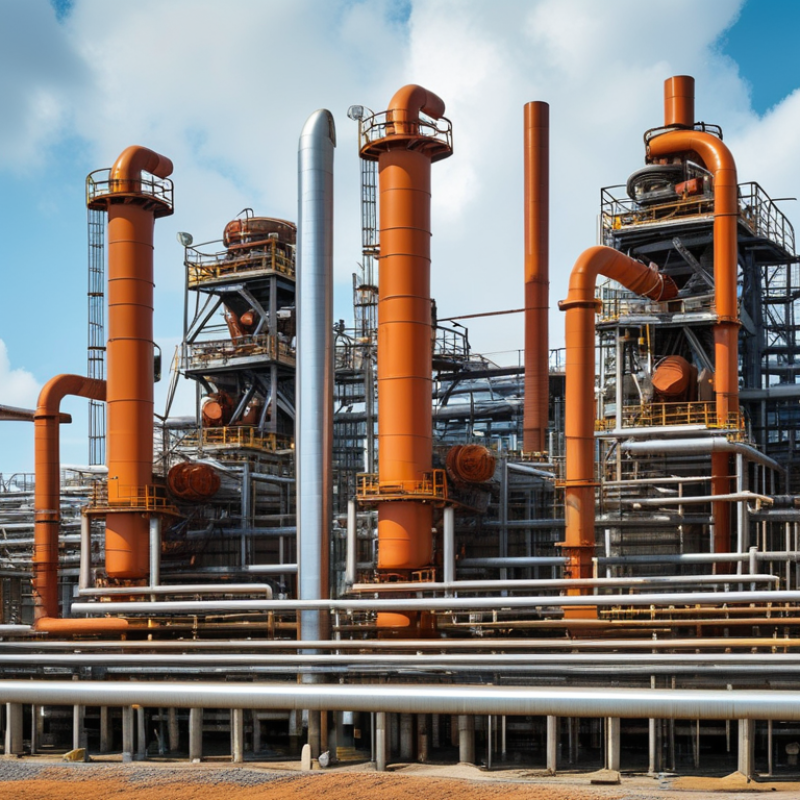
High temperature equipment operates under extreme conditions and demands significant energy. Understanding the specific energy needs of these systems is crucial. They include furnaces, kilns, and reactors, which often operate at temperatures exceeding 1000 degrees Celsius. These devices consume energy not just for heating but also for maintaining stability. Accurate assessments of their energy requirements can lead to better management and reduced costs.
Energy efficiency in high temperature equipment is achievable through careful design and regular maintenance. Insulation plays a vital role in minimizing heat loss. A poorly insulated furnace can waste energy significantly. Innovative designs that incorporate advanced materials can improve performance. However, these solutions often come with high initial costs, which can deter users. It’s essential to weigh long-term gains against upfront investments.
Training personnel is another key factor. Staff must understand the operation and energy implications of these systems. Often, the human element can lead to inefficiencies through misuse or lack of knowledge. Awareness and education are important. Reflecting on these aspects can drive meaningful changes in energy consumption patterns in high temperature equipment.
Identifying energy loss sources in high-temperature equipment is crucial for improving efficiency. High operating temperatures often lead to increased rates of heat loss. Insulation failures are common culprits. Poorly insulated pipes and components can lead to significant energy waste. Regular inspections can help in spotting these issues. Even minor gaps can translate to substantial losses over time.
Another significant source of energy loss is through equipment cycling. When machinery operates intermittently, it consumes more energy during startup. This spike in energy use can exceed steady-state consumption. Implementing effective controls can mitigate this cycling issue. Simple adjustments to operational schedules may yield better results.
Finally, consider the effects of scaling and deposits in heat exchangers. These can reduce heat transfer efficiency, leading to higher energy demands. Regular cleaning and maintenance are vital. Neglecting these tasks may result in hidden losses, complicating energy management efforts. Understanding and addressing these factors will lead to better energy efficiency strategies.
Energy loss in high-temperature equipment is a significant issue. Insulation plays a critical role in minimizing that loss. Proper insulation can reduce energy costs. Studies highlight that inadequate insulation can lead to a 20-30% increase in energy consumption.
Effective insulation solutions, such as ceramic fibers or mineral wool, can dramatically improve efficiency. According to the Department of Energy, efficient insulation can save up to 15% on energy bills in industrial settings. However, selecting the right insulation material is essential. Incorrect choices can lead to heat retention issues and safety risks.
Regular maintenance of insulation materials is equally vital. Over time, insulation can degrade or become less effective. Inspections should occur at least once a year to assess integrity. Keeping insulation in optimal condition may require additional investments. Some companies overlook this aspect, resulting in higher operational costs. Careful assessment and continuous monitoring can significantly enhance energy efficiency in high-temperature environments.
| Insulation Type | Thermal Conductivity (W/m·K) | Temperature Range (°C) | Application Benefits | Estimated Energy Savings (%) |
|---|---|---|---|---|
| Mineral Wool | 0.035 | -50 to 1000 | Fire resistant and low thermal conductivity | 20-30 |
| Fiberglass | 0.038 | -40 to 500 | Cost-effective and versatile | 15-25 |
| Ceramic Fiber | 0.15 | Up to 1260 | High-temperature resistance | 25-35 |
| Rock Wool | 0.040 | -50 to 1000 | Good sound absorption and fire resistance | 20-30 |
| Aerogel | 0.013 | -200 to 1000 | Exceptional thermal efficiency | 40-50 |
High-temperature equipment plays a crucial role in industries like manufacturing and energy. However, these systems often consume excessive energy, leading to high operational costs. Advanced control systems offer innovative solutions. By implementing smart sensors and automated controls, facilities can optimize performance in real-time. These systems analyze data continuously, adjusting parameters to match current demands.
Switching to these advanced systems might seem daunting at first. Many facilities are used to traditional methods, which may not maximize efficiency. It is essential to evaluate current operational practices critically. Often, small modifications can yield significant benefits. For instance, integrating predictive maintenance can reduce downtime and energy waste.
Implementing advanced controls requires training and adaptation from the workforce. Misunderstandings about new systems may arise, leading to inefficiencies. Open communication and continuous learning are vital. Sharing insights and experiences can help create a culture of improvement. This transformation can enhance energy efficiency and foster a sustainable working environment.
Incorporating renewable energy sources into high-temperature equipment operations presents unique opportunities. Solar and wind energy can significantly reduce reliance on fossil fuels. According to the International Energy Agency (IEA), renewable sources accounted for nearly 30% of global electricity generation in 2021. This trend continues to grow, especially in industries with high energy demands.
Optimizing the use of renewable energy can enhance sustainability. Industries often overlook the importance of energy storage solutions. Battery systems can store excess energy generated during peak production times. A recent report by the U.S. Department of Energy highlighted that integrating energy storage can boost efficiency by up to 15%. These advancements offer both economic and environmental benefits, yet some organizations still hesitate to adopt them.
However, challenges persist. Transitioning to renewables requires upfront investments that many companies find daunting. The complexity of integrating these systems into existing operations often leads to resistance. Yet, this is where innovative thinking can drive real change. Evaluating energy consumption patterns can identify potential savings. A move toward renewables is not just beneficial; it’s essential for long-term sustainability and efficiency in high-temperature equipment operations.
: High temperature equipment includes furnaces, kilns, and reactors. They often exceed temperatures of 1000 degrees Celsius.
Proper insulation minimizes heat loss. Poor insulation can increase energy consumption by 20-30%.
Energy efficiency reduces operational costs. It supports sustainable practices in industrial settings.
Innovative insulation materials, like ceramic fibers and mineral wool, enhance performance but may have high initial costs.
Insulation should be inspected at least once a year. Regular checks keep it effective and reduce energy waste.
Staff training ensures efficient operation. Knowledge gaps can lead to energy inefficiencies and mismanagement.
Advanced control systems use smart sensors to optimize equipment performance and reduce energy costs in real-time.
Predictive maintenance anticipates issues before they occur, minimizing downtime and energy waste.
Companies should critically assess operations. Small adjustments can often lead to significant efficiency improvements.
Open communication fosters a culture of improvement. Sharing experiences helps avoid misunderstandings and inefficiencies.
To reduce energy consumption in high-temperature equipment, it is essential to understand the unique energy demands of these systems. Identifying sources of energy loss, such as inadequate insulation or inefficient control processes, is the first step in improving efficiency. Implementing effective insulation solutions can minimize heat loss, while advanced control systems can optimize performance by adjusting operations based on real-time data.
Moreover, incorporating renewable energy sources can enhance sustainability and further decrease reliance on fossil fuels. By focusing on these strategies, industries can significantly reduce energy consumption in high-temperature equipment, leading to both cost savings and a lower environmental impact. Overall, a holistic approach that combines insulation, advanced technology, and renewable resources will pave the way for more efficient operations.
