 FibroCeram Materials
FibroCeram Materials
FibroCeram Materials
In the realm of industrial operations, fire safety is paramount. Companies must take proactive steps to optimize fire resistance and safety performance in industrial facilities. Fires can lead to significant losses, both in property and human life. Therefore, understanding how to enhance safety measures is essential.
Implementing effective strategies can be challenging. Factors like facility design, materials, and employee training play critical roles. Regular assessments of fire hazards help identify vulnerabilities. Fire-resistant materials and advanced safety systems create a safer work environment.
Moreover, it is crucial to foster a culture of safety among employees. They should be aware of potential risks and emergency responses. Ongoing training can lead to more effective fire prevention practices. Reflecting on past incidents can reveal lessons that drive improvements. By focusing on these areas, companies can better protect their assets and personnel.
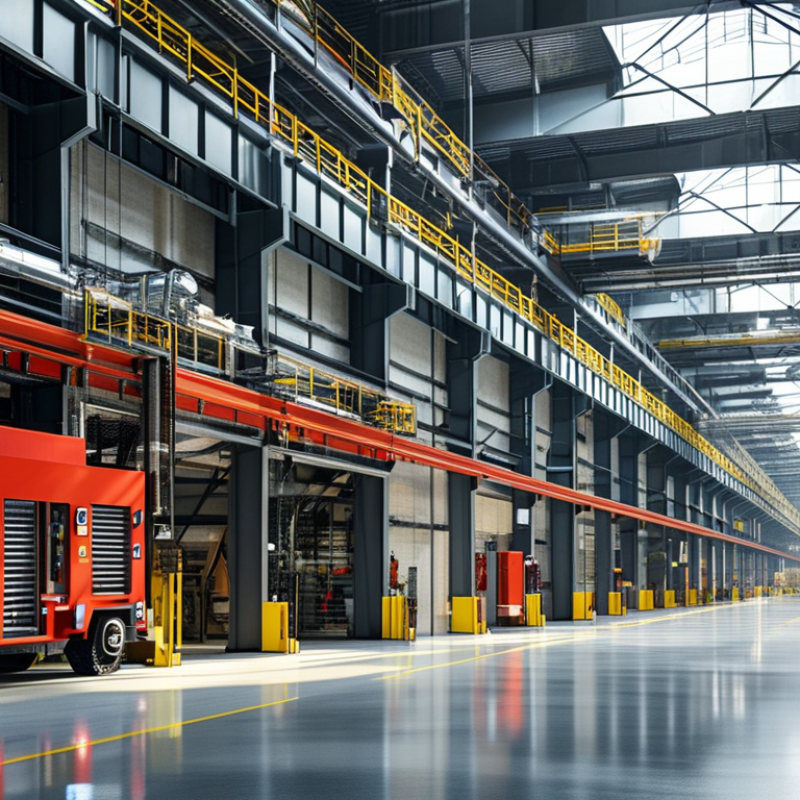
Fire resistance in industrial facilities is critical for ensuring safety and minimizing damage. Choosing the right building materials can significantly enhance fire safety. According to the National Fire Protection Association (NFPA), fires in industrial properties cause over $1 billion in direct property damage annually. This emphasizes the necessity of using materials that can withstand high temperatures and slow down fire spread.
Concrete is a favored choice due to its natural fire resistance. It does not burn and can withstand temperatures of over 1,000 degrees Fahrenheit. Similarly, fire-rated drywall can be used to create barriers that delay the spread of flames. A study by the International Code Council found that buildings with such materials can increase the time it takes for a fire to escalate, giving occupants more time to evacuate. However, not all materials are equally effective, and inadequate knowledge can lead to poor choices.
Incorporating fire-resistant windows and doors is also essential. These features reduce the risk of fire entering or leaving designated areas. Furthermore, frequent inspections and maintenance of fire protection systems are needed. A report by the Fire Protection Research Foundation shows that nearly 20% of industrial fires originate from mechanical failures. This highlights the importance of integrating proactive fire resistance strategies, while also considering the need for ongoing improvements in safety measures.
: Fire resistance minimizes damage and ensures safety. It is crucial for protecting lives and property.
Concrete and fire-rated drywall are excellent choices. They withstand high temperatures and slow fire spread.
Concrete can endure over 1,000 degrees Fahrenheit. Its natural fire resistance makes it a favored option.
They reduce fire entry and exit. This containment is vital for safety during a fire incident.
Frequent inspections are essential. Nearly 20% of industrial fires arise from mechanical failures, underscoring this need.
Assess unique risks and identify hazards. Implement control measures and utilize fire-resistant materials.
Accurate records of inspections and training build reliability. They are vital for compliance and safety assurance.
Regular training ensures all employees know their roles. Awareness promotes timely reactions during emergencies.
Continuous evaluation fosters a culture of safety. Regular discussions engage employees and improve practices.
Some might overlook fire resistance when retrofitting. This lapse can lead to vulnerabilities and increased risks.
To optimize fire resistance and safety performance in industrial facilities, it is crucial to utilize fire-resistant building materials that can withstand high temperatures and prevent the spread of flames. In addition to material selection, implementing fire safety codes and standards ensures compliance and creates a safer work environment. Regular fire risk assessments and management practices help identify potential hazards, allowing for proactive measures to mitigate risks.
Furthermore, effective fire suppression systems tailored to industrial settings play a vital role in both prevention and response. Employee training is essential for preparedness, ensuring staff know how to react in emergencies. Comprehensive emergency response planning complements these efforts, fostering a culture of safety that minimizes risks and enhances overall resilience against fire-related incidents. Through these strategic initiatives, organizations can significantly improve their fire resistance and safety protocols.
