FibroCeram Materials FibroCeram Materials

Top Ways to Minimize Heat Loss in Industrial Furnaces?

Time:2026-05-07 Author:Madeline
0%

Industrial furnaces and kilns are essential for various manufacturing processes. However, they can be significant sources of energy loss. To maximize efficiency, it is crucial to minimize heat loss in industrial furnaces and kilns. Achieving this goal can lead to substantial cost savings and improved productivity.

Many industries struggle with maintaining optimal thermal efficiency. Insulation quality, furnace design, and operational practices play vital roles. By addressing these factors, businesses can enhance their performance. Implementing effective strategies is not just about saving energy; it’s about sustainability and reducing environmental impact.

Yet, despite best practices, challenges remain. Regular audits and innovative technologies could provide solutions. A focus on continuous improvement can lead to more reliable operations. By understanding how to minimize heat loss in industrial furnaces and kilns, manufacturers can meet both economic and ecological goals.
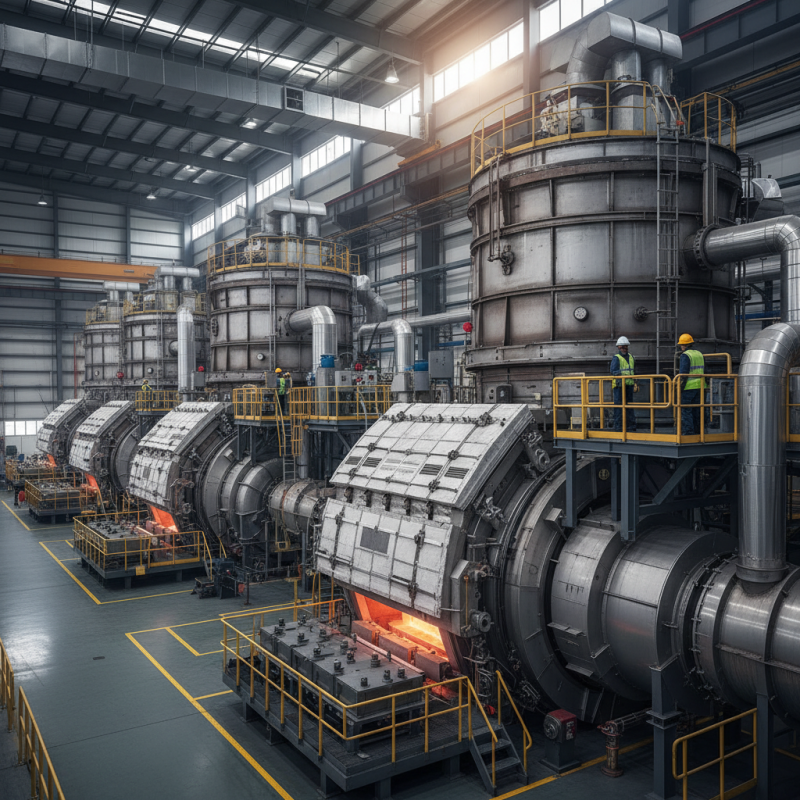
Top Ways to Minimize Heat Loss in Industrial Furnaces?

Top Strategies for Reducing Heat Loss in Industrial Furnaces

Reducing heat loss in industrial furnaces is crucial for energy efficiency. One effective strategy is insulating furnace walls. Research indicates that proper insulation can reduce heat loss by up to 80%. This is vital as up to 30% of energy is lost through inadequate insulation in poorly designed furnaces. Using high-quality insulation materials can mitigate this issue significantly.

Another strategy involves optimizing airflow. Studies show that improper airflow can lead to increased heat losses. Maintaining the right air-fuel ratio helps maximize combustion efficiency. This can enhance furnace performance and minimize energy wastage. Implementing advanced controls to monitor combustion can further improve results.

Regular maintenance is often overlooked but essential. A well-maintained furnace system operates more efficiently. Minor leaks or faulty components can lead to significant heat loss. According to industry reports, up to 5% of energy consumption can escalate due to maintenance neglect. Regular inspection routines can enhance reliability and prolong equipment life while promoting energy savings.

Understanding the Importance of Insulation Materials in Furnace Efficiency

Insulation materials play a crucial role in enhancing the efficiency of industrial furnaces. Proper insulation can reduce heat loss by up to 80%, significantly lowering energy costs. A study by the U.S. Department of Energy shows that nearly 30% of energy used in industrial processes is wasted due to inadequate insulation. These materials help maintain high temperatures, which is essential for optimal furnace performance.

Choosing the right insulation material is vital. Common options include ceramic fibers and mineral wool. Ceramic fibers can withstand temperatures exceeding 1,800 degrees Fahrenheit. This makes them suitable for high-temperature applications. Conversely, mineral wool may offer better thermal resistance for lower-temperature operations. However, it is essential to assess the specific needs of each furnace type. Not every material fits all applications, and the decision requires careful consideration.

Regular inspections and maintenance can uncover issues with insulation. Damaged or worn insulation may lead to unexpected heat loss and increased energy consumption. Upgrading insulation can improve efficiency but requires an investment. Sustaining energy efficiency is an ongoing challenge, and manufacturers must remain vigilant about their insulation choices. Inadequate insulation may result in hidden costs that affect overall productivity.

Implementing Advanced Control Systems for Optimal Temperature Regulation

Implementing advanced control systems is vital for minimizing heat loss in industrial furnaces. These systems enhance temperature regulation, improving efficiency. A well-designed control system allows precise temperature adjustments, ensuring that fluctuations are minimal. Inaccurate settings can lead to heat wastage. Regular tuning of the controls can prevent this.

Many industries struggle with outdated systems. These can be slow to react to changes, consequently allowing unnecessary heat loss. Upgrading to smart technologies can bridge this gap. Sensors and automated feedback loops can optimize furnace operations, creating a dynamic environment that reacts to real-time data. However, complexity might introduce new challenges and require staff retraining.

The integration of predictive analytics is another promising step. It helps in forecasting temperature variations and adjusting controls accordingly, reducing reliance on manual interventions. Yet, the data must be reliable for effective outcomes. Poor data integrity can lead to misguided adjustments. Continuous monitoring and improvement of these systems are crucial for success.

Conducting Regular Maintenance to Prevent Unwanted Heat Escape

Regular maintenance is crucial for minimizing heat loss in industrial furnaces. Checking insulation integrity is one effective approach. Over time, insulation can wear down. Gaps may appear, allowing heat to escape. Regular inspections help identify these areas before they become problematic. This proactive strategy ensures better energy efficiency and operational performance.

Another essential aspect of maintenance is the examination of furnace seals and doors. Seals can degrade due to high temperatures. Even slight leaks can lead to significant heat loss. Inspecting these components reduces unnecessary energy consumption. Often, users might overlook minor wear. Yet, these small faults can result in larger inefficiencies. Addressing them promptly can optimize heat retention.

Routine cleaning of components is also necessary. Dust and debris can accumulate within the furnace, affecting its performance. A clean furnace runs more efficiently and maintains temperature better. Regular cleaning can reveal hidden issues as well. Keeping a maintenance schedule helps ensure that these tasks are not neglected. Small measures, taken regularly, can lead to significant savings and improved reliability.

Top Ways to Minimize Heat Loss in Industrial Furnaces

This chart illustrates the effectiveness of various maintenance strategies in reducing heat loss in industrial furnaces. The data represents the percentage reduction in heat loss achieved through regular maintenance practices.

Utilizing Heat Recovery Systems to Improve Overall Energy Efficiency

Industrial furnaces are vital in many manufacturing processes, but they can be significant energy consumers. Heat loss is a critical concern in these environments. Utilizing heat recovery systems is one effective method to enhance energy efficiency. Research shows that steam and hot water can reclaim up to 20-50% of energy from wasted heat. This recovered energy can be redirected to preheat air or liquids, reducing the overall energy demand.

Implementing heat recovery systems involves upfront investment. However, the return on investment is often rapid. A study by the U.S. Department of Energy notes that investing in heat recovery can yield energy savings of 10-30% annually. It also highlights the importance of periodic assessments to ensure optimal operation. Companies should regularly review their systems to spot and mend inefficiencies.

Tips: Regularly monitor exhaust temperatures to identify heat recovery potential. Look for areas where low-grade waste heat exists. Install heat exchangers where possible to maximize recovery. These steps can significantly reduce energy costs over time. Emphasizing system efficiencies will offer not just energy savings, but also a competitive edge in the market.

Top Ways to Minimize Heat Loss in Industrial Furnaces

Method Description Efficiency Improvement (%) Initial Cost ($) Payback Period (Years)
Heat Recovery Systems Captures waste heat from exhaust for reuse. 20-50% 10,000 - 50,000 2-5
Insulation Improvements Enhances thermal insulation to prevent heat escape. 15-30% 5,000 - 20,000 3-7
Waste Heat Boilers Generates steam or hot water from waste heat. 25-45% 15,000 - 100,000 3-6
Regenerative Burners Reuses heat from exhaust gases for combustion air. 10-25% 20,000 - 70,000 4-8
Variable Frequency Drives (VFDs) Optimizes fan and pump speed for reduced energy consumption. 5-15% 1,000 - 10,000 2-4

FAQS

: Why are insulation materials important for industrial furnaces?

: Insulation materials enhance furnace efficiency by reducing heat loss, potentially lowering energy costs by up to 80%.

How much energy is wasted due to inadequate insulation?

Research indicates that nearly 30% of industrial energy use is wasted because of poor insulation.

What are common insulation materials used in furnaces?

Common options include ceramic fibers and mineral wool, each suited for different temperature needs.

What temperature can ceramic fibers withstand?

Ceramic fibers can endure temperatures exceeding 1,800 degrees Fahrenheit, making them ideal for high-temperature applications.

How can regular maintenance improve insulation efficiency?

Regular inspections can reveal damage, preventing heat loss and reducing energy consumption.

Is upgrading insulation worthwhile?

While upgrading requires investment, it can improve efficiency and reduce hidden costs affecting productivity.

What is a heat recovery system?

A heat recovery system reclaims energy from wasted heat, potentially redirecting 20-50% back into use.

What is the potential annual energy savings from heat recovery?

Investing in heat recovery may yield energy savings of 10-30% each year.

How can companies optimize heat recovery systems?

Regular assessments help identify inefficiencies. Monitoring exhaust temperatures is key to maximizing recovery.

Why do manufacturers need to be vigilant about insulation?

Inadequate insulation may lead to unexpected costs and energy losses that harm overall productivity.

Conclusion

Minimizing heat loss in industrial furnaces and kilns is crucial for improving energy efficiency and reducing operational costs. One effective strategy is to employ high-quality insulation materials, which play a vital role in maintaining optimal temperatures within the furnace. Additionally, integrating advanced control systems allows for precise temperature regulation, decreasing heat loss due to fluctuations.

Regular maintenance is equally important in preventing unwanted heat escape, ensuring that any potential inefficiencies are addressed promptly. Furthermore, implementing heat recovery systems can capture and reuse waste heat, significantly enhancing the overall energy efficiency of the operation. By adopting these strategies, industries can effectively minimize heat loss in their furnaces and kilns, leading to a more sustainable and cost-effective production process.

Madeline

Madeline

Madeline is a dedicated marketing professional with a wealth of expertise in our company's core offerings. With a keen understanding of the industry, she brings a unique perspective to her role, consistently delivering high-quality content that highlights the superior aspects of our products. As......