FibroCeram Materials
In the manufacturing sector, energy efficiency is paramount. Minimizing heat loss in industrial furnaces and kilns can significantly reduce operational costs. According to a recent report by the Energy Efficiency Industrial Consortium, inefficient heat management can lead to energy losses of up to 30%. This not only impacts profitability but also contributes to environmental issues.
Dr. Emily Tran, a leading expert in thermal energy management, emphasizes the importance of this focus. She states, "To minimize heat loss in industrial furnaces and kilns, proper insulation and design are crucial." Implementing advanced materials and technologies can help maintain optimal temperatures, enhancing productivity and sustainability.
While many industrial operations strive for improvement, there is often a gap between awareness and action. Employees may overlook minor leaks or gaps, resulting in significant energy waste over time. Reflecting on these challenges can drive necessary changes in practices and equipment, ultimately leading to better energy management.
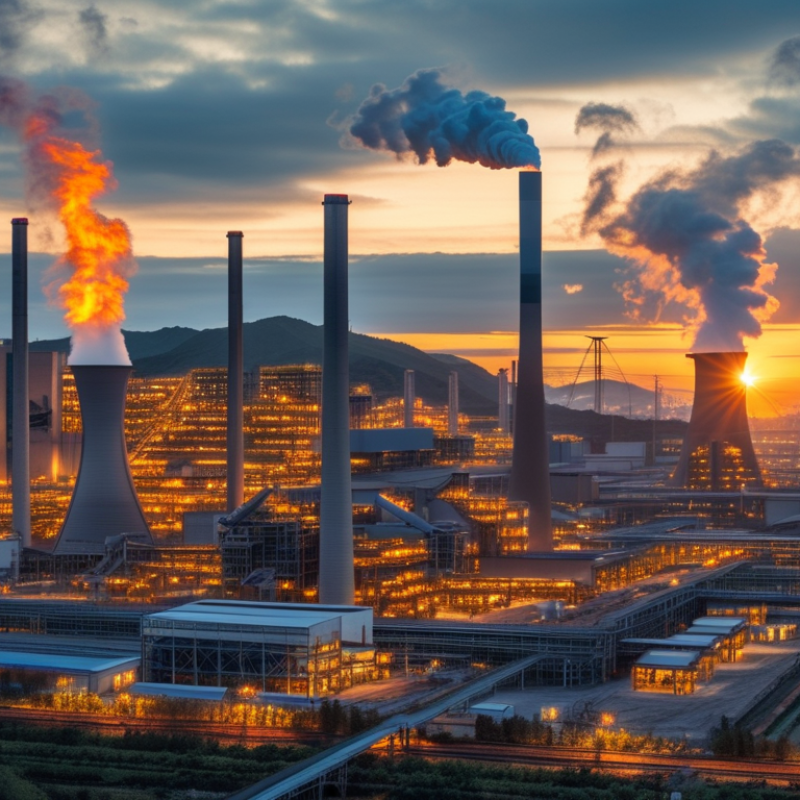
Insulating industrial furnaces and kilns is crucial for minimizing heat loss. Effective insulation not only enhances energy efficiency but also maintains optimal operating temperatures. Common materials for insulation include ceramic fiber, mineral wool, and castable refractories. Each material has unique properties and performance characteristics. For example, ceramic fiber offers excellent thermal resistance while being lightweight.
However, choosing the right insulation is not just about performance. Installation quality matters too. Seams and joints can be weak points that lead to heat escape. Proper sealing methods and regular maintenance checks can help mitigate this. Monitoring temperature variations can indicate insulation failures.
It's also wise to consider the surrounding environment. Factors like ventilation and humidity can affect heat retention. Inappropriately tested designs may result in unexpected heat loss. Regular audits of insulation effectiveness can help identify areas for improvement. Adapting strategies based on performance data enhances both safety and efficiency in operations. Always strive for continuous improvement in insulating practices.
Selecting the right refractory materials is vital for industrial furnaces and kilns. These materials can impact heat retention significantly. High-performance refractories are engineered to withstand extreme temperatures and reduce heat loss efficiently. Many reports indicate that using advanced materials can decrease energy consumption by up to 30%.
The thermal conductivity of the chosen refractories plays a critical role. Materials with low thermal conductivity can trap heat more effectively, enhancing efficiency. According to a recent study, optimizing refractory linings could prevent up to 40% of heat loss. However, finding the right balance between durability and thermal performance is challenging. Some products might promise performance but can falter under high-stress conditions.
Moreover, maintenance cannot be overlooked. Even the best materials degrade over time. Regular inspections can forecast potential failures. Ignoring wear can lead to increased energy expenses and lower operational efficiency. Businesses must remain vigilant to truly harness the benefits of high-performance refractory materials.
Effective temperature management is essential in industrial settings. Advanced control systems can greatly enhance this. By implementing real-time monitoring, manufacturers can optimize furnace and kiln operations. Sensors provide crucial data on temperature fluctuations. This information allows for prompt adjustments to minimize heat loss.
Moreover, predictive algorithms play a significant role. They analyze data patterns and suggest proactive measures. This approach not only saves energy but also improves product quality.
However, integrating these systems can present challenges. Staff may require training to fully utilize new technologies. There’s a learning curve that can delay immediate benefits.
In addition, outdated infrastructure might hinder effectiveness. Retrofitting existing equipment with modern sensors can be costly. Yet, this investment could lead to substantial energy savings over time. It’s important to weigh the short-term costs against long-term gains. Establishing a balance is crucial for optimal furnace and kiln performance.
Regular maintenance is crucial for minimizing heat loss in industrial furnaces and kilns. Inadequate care can lead to significant energy waste. According to the U.S. Department of Energy, maintaining efficient thermal insulation can reduce heat loss by 10-30%. Regular inspections can detect wear and tear in materials and components, ensuring optimal performance.
Routine checks should focus on insulation integrity, burner performance, and casing condition. Common issues include cracks or gaps in insulation, which can allow heat to escape. A recent study highlighted that 30% of energy in industrial processes is lost due to insulation failure. Addressing these maintenance needs not only conserves heat but also enhances equipment longevity.
Training staff on maintenance protocols is equally important. Staff should understand how to identify early signs of deterioration. This empowers teams to act proactively. Neglecting maintenance often leads to unexpected downtimes and increased energy costs. Regular upkeep is not just beneficial; it’s essential for operational efficiency in heat-intensive industries.
| Maintenance Practice | Frequency | Impact on Heat Loss (%) | Notes |
|---|---|---|---|
| Insulation Inspection | Monthly | 15% | Check for damage or wear |
| Refractory Brick Maintenance | Quarterly | 25% | Replace damaged bricks |
| Flue Gas Analysis | Biannually | 10% | Optimize combustion efficiency |
| Duct Sealing | Annually | 20% | Prevent air leaks |
| Regular Calibration | Annually | 5% | Ensure accurate temperature control |
Heat recovery systems play a vital role in enhancing efficiency in industrial furnaces and kilns. These systems capture excess heat generated during operations. The heat can be reused, significantly reducing energy costs. According to the U.S. Department of Energy, businesses can recover 20-50% of energy used in high-temperature processes. This not only lowers operational expenses but also decreases greenhouse gas emissions.
Implementing heat recovery involves various technologies. One effective method is to use heat exchangers, allowing hot flue gases to preheat incoming air or materials. The Energy Efficiency Guide emphasizes that a well-designed recovery system can improve overall efficiency by up to 30%. Yet, installation costs and technical challenges may deter some facilities.
Regular maintenance of these systems is critical for optimal performance. Neglecting this could lead to reduced efficiency. Many facilities overlook this aspect, not realizing that minor adjustments can yield significant savings. The success of heat recovery depends on ongoing monitoring and adaptation.
: Effective temperature management reduces energy waste and optimizes furnace operations.
They provide real-time monitoring and data on temperature fluctuations.
They analyze data patterns and suggest proactive measures for efficiency.
Staff training is needed, and outdated infrastructure can hinder effectiveness.
It minimizes heat loss and prevents energy waste, boosting efficiency.
Inspections should focus on insulation integrity and burner performance.
Trained staff can identify early signs of deterioration, preventing costly downtimes.
Inadequate maintenance can lead to increased energy costs and unexpected failures.
Good insulation can reduce heat loss by 10-30%, saving energy significantly.
They should weigh short-term costs against long-term energy savings.
To minimize heat loss in industrial furnaces and kilns, several effective strategies can be implemented. First, investing in high-quality insulation materials and meticulously selecting high-performance refractory materials is crucial for enhancing heat retention. Furthermore, integrating advanced control systems allows for more precise temperature management, ensuring that heat is utilized efficiently rather than escaping into the environment.
Regular maintenance practices are essential to identify and rectify potential points of heat escape, thereby enhancing overall system performance. Additionally, utilizing heat recovery systems can significantly improve efficiency by repurposing the heat generated during the process. By adopting these strategies, industries can significantly minimize heat loss in their furnaces and kilns, leading to improved energy efficiency and reduced operational costs.
