FibroCeram Materials
In the realm of industrial operations, fire safety stands as a critical pillar. Every year, countless businesses face devastating losses due to fire incidents. It is essential to ensure compliance with industrial fire safety standards to mitigate such risks effectively. These standards provide a framework for fire prevention, detection, and response within industrial settings.
Achieving compliance is not merely a legal obligation; it is a moral imperative. Fire safety standards enhance workplace safety and protect lives. They also safeguard valuable assets and promote business continuity. A single lapse can lead to catastrophic consequences, both financially and emotionally. Despite this knowledge, many industries overlook these crucial guidelines.
Neglecting fire safety can stem from complacency or inadequate training. It raises questions about accountability and risk management. Organizations must prioritize training and awareness programs. This commitment to fire safety creates a culture where everyone contributes to reducing risks. Ultimately, compliance with these standards is not just about regulations—it's about saving lives and preserving communities.
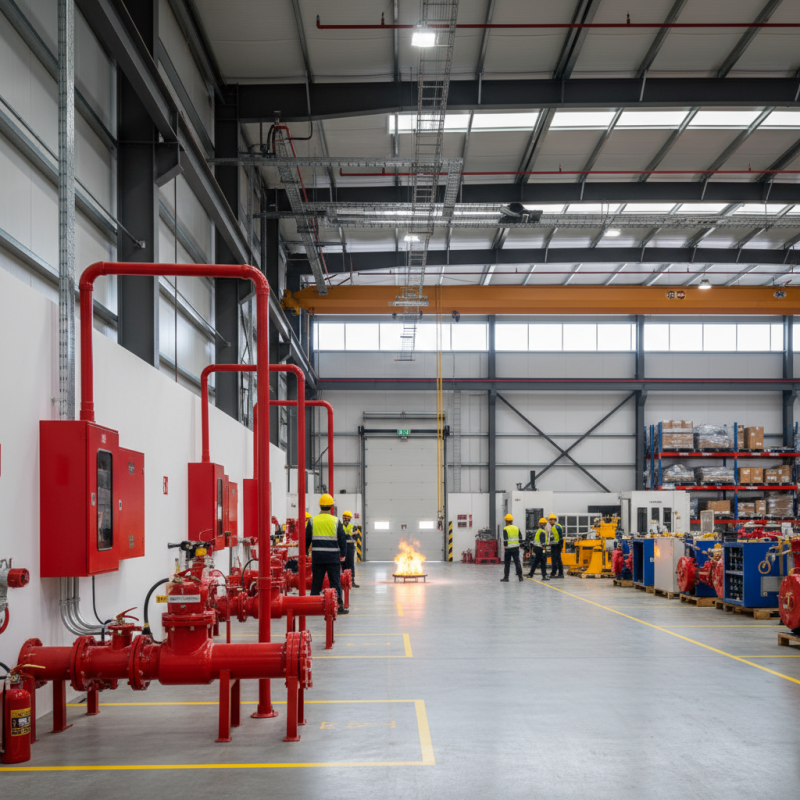
Fire safety standards are essential in industrial workplaces. They protect employees, equipment, and the environment from fire hazards. Compliance with these standards significantly reduces the risk of devastating fires, which can have dire consequences. Safety measures not only safeguard lives but also enhance productivity and morale.
To create a safer workplace, companies should conduct regular fire risk assessments. These assessments help identify potential hazards. Employees must also receive fire safety training. Understanding fire prevention strategies can empower workers to act quickly during emergencies. Ensure that fire exits are accessible and clearly marked.
Tips: Regular drills should be scheduled. Practice makes perfect. Fire extinguishers should be visibly located and checked often. Remember, a proactive approach saves lives. Conducting regular training and drills is crucial to reinforce safety knowledge.
Compliance with industrial fire safety standards is crucial for maintaining a safe workplace. Non-compliance can significantly impact employee safety and health. According to the National Fire Protection Association (NFPA), workplace fires cause an average of 3,340 injuries annually. These incidents lead to not only physical injuries but also emotional distress for employees and their families.
In facilities without proper fire safety measures, the risk of severe accidents increases. A report indicated that 30% of workplace fire incidents occur in manufacturing settings, where flammable materials are prevalent. Employees exposed to such hazards face long-term health consequences, including respiratory problems and trauma due to fire-related injuries.
Tips: Regular fire safety training is essential. Conduct drills and educate staff on evacuation procedures. Ensure fire extinguishers are accessible and checked periodically.
A lack of compliance may also lead to financial repercussions. Companies can face fines and increased insurance premiums after a fire incident. Beyond legal penalties, the reputational damage can have lasting effects on business operations. Employees who feel unsafe are less productive, and labor turnover can rise significantly.
Tips: Invest in safety audits to identify vulnerabilities. Collaboration with safety experts can elevate compliance and enhance a culture of safety.
Ignoring fire safety standards can lead to severe legal and financial consequences for industrial facilities. The National Fire Protection Association (NFPA) reports that more than 3,300 workplace fires occur annually in the U.S., resulting in over $2 billion in direct property damage. These statistics underline the devastating impact of fire incidents and the economic risk associated with inadequate fire safety measures.
Failure to comply with fire safety regulations can expose companies to hefty fines. The Occupational Safety and Health Administration (OSHA) can impose penalties up to $13,653 per violation. Repeat offenders can face penalties that double. Moreover, companies may encounter lawsuits from employees or third parties affected by fire incidents, leading to potential settlements that can exceed millions of dollars. Such financial burdens often left unaddressed can threaten the very survival of a business.
The aftermath of a fire incident often includes loss of business reputation. Customers may shy away from companies perceived as negligent. This loss can be long-lasting and challenging to recover from. The reality is that many organizations underestimate the importance of proactive fire safety measures. Inadequate training and equipment failures are often reflections of this negligence. Addressing such issues is crucial for not just compliance, but for safeguarding lives and investments.
| Dimension | Data |
|---|---|
| Average Cost of Fire Damage | $1.2 million |
| Legal Penalties for Non-Compliance | $250,000 - $500,000 |
| Insurance Premium Increase | 20% - 30% |
| Fatalities from Industrial Fires (annually) | 100 - 200 |
| Business Closure Due to Severe Fires | 40% within 3 years |
Achieving compliance with industrial fire safety regulations is critical for any organization. Implementing best practices can help ensure a safer workplace. Training staff on fire safety procedures is key. Regular fire drills can enhance preparedness. Employees need to know how to react during an emergency. This builds confidence and fosters a safety culture.
Tips for Compliance:
- Conduct regular internal audits of fire safety equipment. Check alarms, extinguishers, and exits frequently.
- Keep safety signage clear and visible. This includes markers for fire exits and equipment locations.
- Collaborate with local fire departments for guidance. They can provide resources to improve your safety measures.
Documentation is also essential. Maintain records of safety inspections and training sessions. This not only demonstrates compliance but also provides valuable insights. Reflecting on past drills can identify areas for improvement. Many companies overlook this step, leading to repeated mistakes. A proactive approach is necessary to adapt and enhance fire safety compliance.
Training and education play a critical role in ensuring compliance with industrial fire safety standards. Employees must be well-informed about the potential fire hazards in their workplace. Regular training sessions create awareness, helping to identify risks early. This should include hands-on drills and interactive learning methods that engage participants. A well-rounded training program not only informs but also empowers workers.
Fire safety regulations can be complex and often change over time. It’s essential that training is up-to-date and covers current standards. Employees should understand the correct use of fire extinguishers, evacuation routes, and safety protocols. Some companies overlook ongoing education, assuming initial training is enough. This can create gaps in knowledge. Regular refreshers are vital for maintaining a high level of readiness.
Real-world simulations can deepen comprehension. Experiencing a fire drill in a controlled environment prepares employees for real emergencies. However, not all training programs adequately reflect actual conditions. By evaluating and improving these programs, organizations can build a safer workplace. Fire safety is an ongoing commitment, where continuous education helps to sustain compliance and fosters a culture of safety.
: Fire safety standards protect employees, equipment, and the environment from fire hazards. They help prevent devastating fires.
Companies should conduct regular fire risk assessments. Identifying hazards is crucial for improving safety.
Employee training empowers workers to act quickly during emergencies. Understanding fire prevention strategies is vital.
Regular drills should be scheduled. Practice helps employees respond effectively in real situations.
Ignoring fire safety can lead to hefty fines and lawsuits. This can jeopardize a company's survival.
Non-compliance can result in penalties up to $13,653 per violation. Repeat offenses may incur higher penalties.
A fire can damage a company's reputation. Customers may avoid businesses perceived as negligent.
Conduct internal audits and keep safety signage clear. Document safety inspections and training sessions regularly.
Documentation demonstrates compliance and provides insights for improvement. It helps identify areas needing attention.
Many overlook the importance of training and regular inspections. This negligence can lead to repeated issues.
Ensuring compliance with industrial fire safety standards is crucial for maintaining a safe and healthy workplace. These standards serve as a guideline to prevent fire incidents that can pose severe risks to employee safety and health. Non-compliance can have dire consequences, including legal repercussions and substantial financial losses. Organizations that fail to adhere to fire safety regulations expose themselves to potential lawsuits and increased insurance premiums, emphasizing the importance of proactive measures.
To achieve compliance, companies should implement best practices such as regular safety audits, risk assessments, and establishing comprehensive fire safety policies. Additionally, investing in training and education for employees ensures they are well-informed about fire safety protocols and emergency procedures. By fostering a culture of safety, organizations not only protect their workforce but also safeguard their financial integrity and reputation.
