 FibroCeram Materials
FibroCeram Materials
FibroCeram Materials
Refractory insulation materials play a crucial role in industries like metallurgy, ceramics, and glass manufacturing. These materials face extreme temperatures and harsh conditions. Enhancing the thermal stability of refractory insulation materials is essential for improved performance and longevity. According to a report by the Advanced Materials and Processes Journal, the global market for refractory materials is projected to reach $35 billion by 2025. This increasing demand highlights the importance of developing more stable and efficient insulation solutions.
The thermal stability of these materials directly impacts energy efficiency and production costs. As industries strive to optimize processes, the need for innovative approaches to enhance thermal stability has never been greater. Research indicates that small changes in composition can lead to significant improvements in performance. However, many manufacturers still struggle with achieving the desired thermal properties consistently.
Investing in advanced research and development is vital. Collaboration between industry experts and academic institutions can accelerate innovation in this field. The journey to enhance thermal stability is ongoing, with many challenges remaining. Still, the potential rewards are substantial, making it a critical focus in refractory materials engineering.
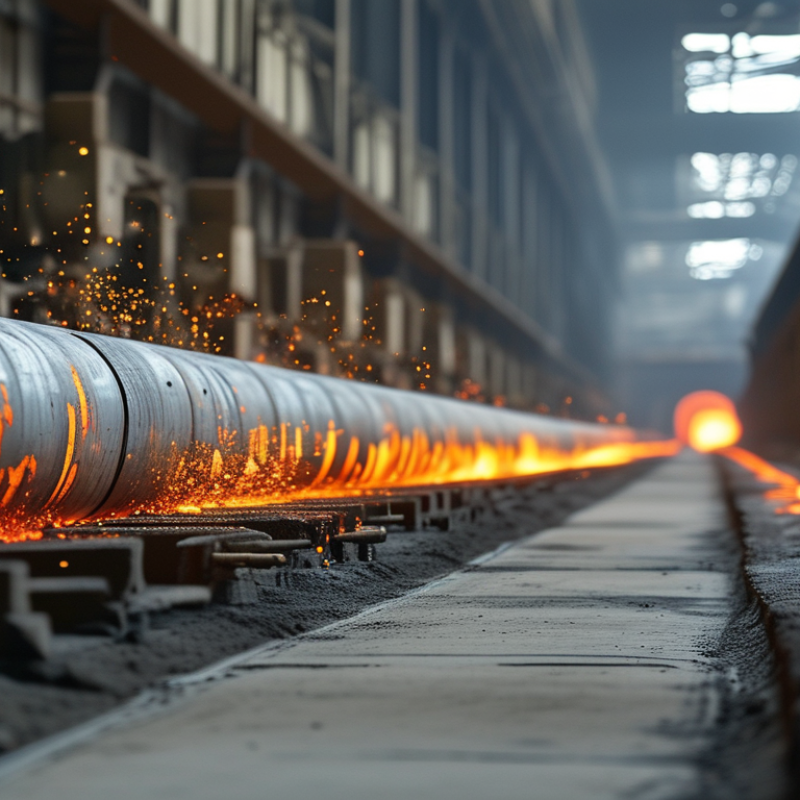
In the realm of refractory insulation materials, thermal stability is critical. High thermal stability can significantly improve performance and longevity. According to the American Ceramic Society, materials should maintain their integrity at temperatures exceeding 1,600°C. High-quality refractories utilize components that endure extreme heat while resisting thermal shock.
One effective method to enhance thermal stability is through the incorporation of additives. These additives can lower the thermal expansion coefficient. This adjustment helps maintain dimensional stability under heat. Research from the Journal of Materials Science indicates that mixing aluminosilicate fibers with ceramic aggregates improves thermal resistance by 30-40%. Selecting appropriate raw materials also plays a vital role. Testing shows that fine particle sizes often yield better thermal properties.
Tips: To ensure better thermal stability, monitor the processing temperatures closely. Maintain uniform heating to avoid stress concentrations. Furthermore, conduct regular inspections of the material's structure to find potential flaws early on. Reinforcing your processes can lead to innovative improvements. Experimenting with different ratios of additives offers insights into optimizing performance.
: Thermal stability refers to a material's ability to maintain integrity at high temperatures. It improves performance and longevity.
Additives can lower thermal expansion coefficients. This helps maintain dimensional stability under heat, improving performance.
The selection of raw materials is vital. Fine particle sizes often yield better thermal properties and overall performance.
Moisture can compromise insulation performance. It leads to potential degradation and weakens thermal resistance.
Frequent temperature fluctuations may cause microstructural damage. This can reduce mechanical strength significantly, sometimes over 30%.
Different compositions yield varying performance levels. Silica-based materials often outperform alumina in certain high-temperature conditions.
Achieving the right balance is difficult. It requires ongoing experimentation and testing to find optimal formulations.
Coatings can protect materials from environmental factors. They may also reflect heat, but long-term effectiveness needs evaluation.
Processing temperatures should be monitored closely. Uniform heating helps avoid stress concentrations and improves performance.
Using innovative additives can improve cohesion within the insulation matrix, reducing the risk of cracking and delamination.
This article provides a comprehensive overview of strategies to enhance thermal stability of refractory insulation materials. It begins by discussing the significance of thermal stability in ensuring the effective performance of these materials under extreme conditions. Various factors influencing thermal stability, such as composition, microstructure, and environmental conditions, are explored to understand their impacts on material performance.
Furthermore, the article outlines several techniques for improving the thermal stability of insulation materials, including specialized treatments and manufacturing processes. Evaluation methods for assessing the effectiveness of these enhancements are also detailed, ensuring that industry professionals can accurately measure improvements. Finally, the applications of enhanced refractory insulation materials in various industrial sectors highlight the importance of these innovations in achieving superior thermal management and energy efficiency.
