FibroCeram Materials
Corrosion resistance in high-temperature insulation is critical for many industries, from aerospace to energy. Experts emphasize the need to improve corrosion resistance of high-temperature insulation materials to ensure longevity and performance. Dr. Emily Thompson, a leading authority in materials science, expressed, "Robust insulation can mean the difference between efficacy and equipment failure."
High- temperature environments can accelerate corrosion. Insulation materials often face harsh conditions. Temperature fluctuations, moisture, and chemical exposure might weaken them. This vulnerability requires innovative solutions. Enhanced materials can withstand these challenges. They must possess strong protective qualities. Consideration of the environment is essential.
To improve corrosion resistance of high-temperature insulation materials, advanced coatings and treatments can play a vital role. However, achieving optimal formulations remains a challenge. Continuous research is critical. Mistakes can lead to improper applications, resulting in failures. Industry professionals must reflect on their approaches to ensure reliability in insulation performance.
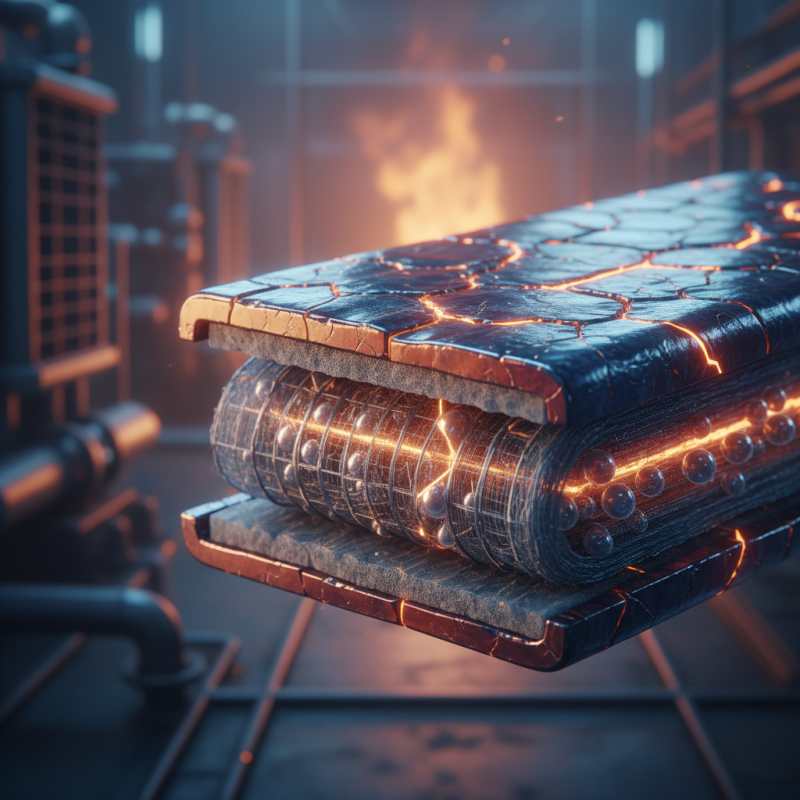
High temperature insulation materials play a crucial role in industrial applications. These materials can withstand extreme conditions while providing thermal protection. There are various types of these materials, each with distinct properties that make them suitable for specific environments.
One popular choice is ceramic fiber insulation. It offers high thermal resistance and maintains strength at elevated temperatures. However, it can be brittle and may not stand up to mechanical stress. Another option is mineral wool, which provides excellent fire resistance. But it can absorb moisture, leading to reduced effectiveness over time. Understanding these characteristics helps in selecting the right material for your project.
Next, we have aerogel, known for its exceptional insulation properties. It is lightweight and has a low thermal conductivity. However, aerogels can be costly and may require careful handling. Choosing the right material involves balancing cost, performance, and durability. Each type carries unique advantages and challenges. Understanding their behaviors in high temperature environments is essential for enhancing corrosion resistance.
High temperature insulation materials face significant corrosion challenges. Understanding the underlying corrosion mechanisms is crucial in enhancing their resistance. The high temperatures can accelerate reactions that lead to material degradation. Oxidation, for example, occurs when metal surfaces react with oxygen at elevated temperatures. This process can weaken the integrity of the insulation over time.
Another key mechanism is the formation of corrosive compounds. In certain environments, moisture and salts can interact with insulation materials. This creates a corrosive solution that penetrates the material. Once inside, it can initiate further degradation. Monitoring the environmental conditions can help mitigate these risks. A thorough assessment of exposure to moisture is essential.
It’s also important to evaluate the material selection. Not all insulation materials perform equally at high temperatures. Some may be less resistant to specific corrosive agents. Researching and testing materials under real conditions can lead to better choices. This approach may reveal unexpected vulnerabilities in seemingly robust materials.
Corrosion resistance in high-temperature insulation materials is a crucial factor for longevity and performance. One effective strategy is choosing the right raw materials. For example, silicon carbide and aluminum oxide are known for their high thermal stability and oxide layer formation. These materials can better withstand harsh environments. However, their cost can be relatively high, leading to budget constraints.
Another prominent approach is applying protective coatings. These coatings can be developed to have a low coefficient of thermal expansion, which helps maintain structural integrity over time. Careful monitoring of the coating application process is essential. In some cases, improper application can result in early failures. This highlights the importance of skilled personnel in the application process.
Furthermore, regular maintenance is key. By inspecting insulation materials periodically, potential corrosion issues can be identified early. However, maintenance can be time-consuming and may not always catch hidden problems. Balancing proactive measures and reactive maintenance is an ongoing challenge. This complexity shows the need for continuous research and adaptation of strategies to improve corrosion resistance in insulation materials.
Corrosion resistance in high temperature insulation is crucial for safety and performance. Evaluating this resistance requires specific techniques. One method is exposure testing, where insulation materials are subjected to high temperatures in corrosive environments. This simulates real-world conditions and measures degradation over time. Another technique is electrochemical testing. It provides insights into corrosion rates without damaging the material.
Visual inspection plays a role too. Experienced technicians can identify early signs of corrosion, such as discoloration or surface changes. This skill is vital, yet subjective. It relies heavily on the evaluator's expertise. Using imaging techniques like scanning electron microscopy offers a more objective assessment, highlighting minute changes that the naked eye may miss.
Data analysis also enhances understanding. Tools like finite element analysis can predict how insulation materials will behave over time. However, achieving accurate predictions requires detailed input data. Gaps in knowledge can lead to incorrect assumptions. Continuous improvement in evaluation techniques is necessary. Advances in technology promise better insights into the integrity of insulation systems. This ongoing research is essential for developing more reliable materials.
As industries evolve, so does the demand for high-temperature insulation that resists corrosion. A report from the International Journal of Thermal Sciences highlights the notable increase in corrosion-related failures in thermal systems, reaching up to 30% in certain sectors. These failures often stem from inadequate insulation materials that cannot withstand harsh conditions. This scenario drives innovation in developing advanced corrosion-resistant solutions.
Future trends indicate a shift towards hybrid materials combining ceramics and polymers. These materials can significantly enhance temperature durability and chemical resistance. Research suggests that ceramic-polymer composites can withstand temperatures exceeding 1,200°C while maintaining structural integrity. However, challenges remain. These composites may face issues with manufacturing consistency and scalability.
The importance of ongoing research in this field cannot be overstated. Continuous testing and real-world applications are essential for evaluating performance. Companies need to invest in advanced testing methods to better understand the long-term impacts of various environmental factors on insulation performance. There remains a gap between theoretical advancements and practical, reliable solutions for industry application.
| Material Type | Temperature Resistance (°C) | Corrosion Resistance Rating | Applications | Future Trends |
|---|---|---|---|---|
| Ceramic Fiber | 1260 | High | Industrial Furnaces | Nanotechnology Integration |
| Mineral Wool | 800 | Moderate | Building Insulation | Reinforced Coatings |
| Aerogel | 1200 | Very High | Oil & Gas Pipelines | Smart Materials |
| Calcium Silicate | 1100 | High | Marine Applications | Eco-friendly Materials |
| Silica Aerogel | 1000 | High | Space Applications | Phase Change Materials |
: Silicon carbide and aluminum oxide offer high thermal stability. They form protective oxide layers in harsh environments.
They maintain structural integrity and resist thermal expansion. Proper application is crucial to avoid early failures.
Periodic inspections help identify potential corrosion issues. However, maintenance can be time-consuming and may miss hidden problems.
It involves subjecting materials to high temperatures in corrosive environments. This simulates real-world conditions for assessing degradation.
It evaluates corrosion rates without damaging the insulation material. This method provides valuable insights into material performance.
Technicians can detect early signs of corrosion like discoloration. However, this method relies on the evaluator's skill and can be subjective.
Imaging techniques like scanning electron microscopy reveal minute changes. These methods provide a more objective analysis than visual inspections.
Tools like finite element analysis predict material behavior over time. Accurate predictions depend on detailed input data and understanding.
Balancing proactive strategies with reactive maintenance is complex. Continuous research is needed to adapt to existing challenges.
Advances in technology promise better insights into insulation integrity. Ongoing research is crucial for developing reliable materials.
High temperature insulation materials are essential for various industrial applications, yet they can be prone to corrosion under harsh conditions. To improve corrosion resistance of high-temperature insulation materials, it is vital to understand the different types of insulation available and their inherent properties. Identifying the corrosion mechanisms that affect these materials is crucial in developing effective strategies to mitigate their impact.
Several strategies can be employed to enhance corrosion resistance, including the application of protective coatings and the selection of corrosion-resistant formulations. Evaluation techniques play a significant role in assessing the performance of insulation systems against corrosion, ensuring that materials meet required standards. As we look to the future, ongoing research and innovation will drive the development of even more effective corrosion-resistant solutions for high temperature insulation, helping to improve the longevity and reliability of insulation systems in demanding environments.
