FibroCeram Materials FibroCeram Materials

Top 10 Eco Friendly Insulation Solutions to Promote Sustainability?

Time:2026-06-19 Author:Charlotte
0%

In today's world, the impact of our choices on the environment is undeniable. Home insulation plays a crucial role in energy efficiency and sustainability. However, many traditional insulation materials harm our planet. It’s essential to explore alternatives that promote sustainable and eco-friendly insulation solutions.

This article highlights the top 10 insulation options that are both effective and responsible. Each solution prioritizes minimal environmental impact while providing necessary thermal performance. By focusing on renewable or recycled materials, these options show how the industry is evolving. There are challenges, of course. Not all eco-friendly options have the same effectiveness as conventional materials. Misunderstandings about performance can lead to hesitation.

Choosing the right insulation is not just a matter of comfort, but a statement of values. Adopting these sustainable practices benefits us and future generations. The following sections will explore innovative materials that align with a commitment to environmental stewardship. Let’s rethink insulation as an opportunity to make a positive impact.
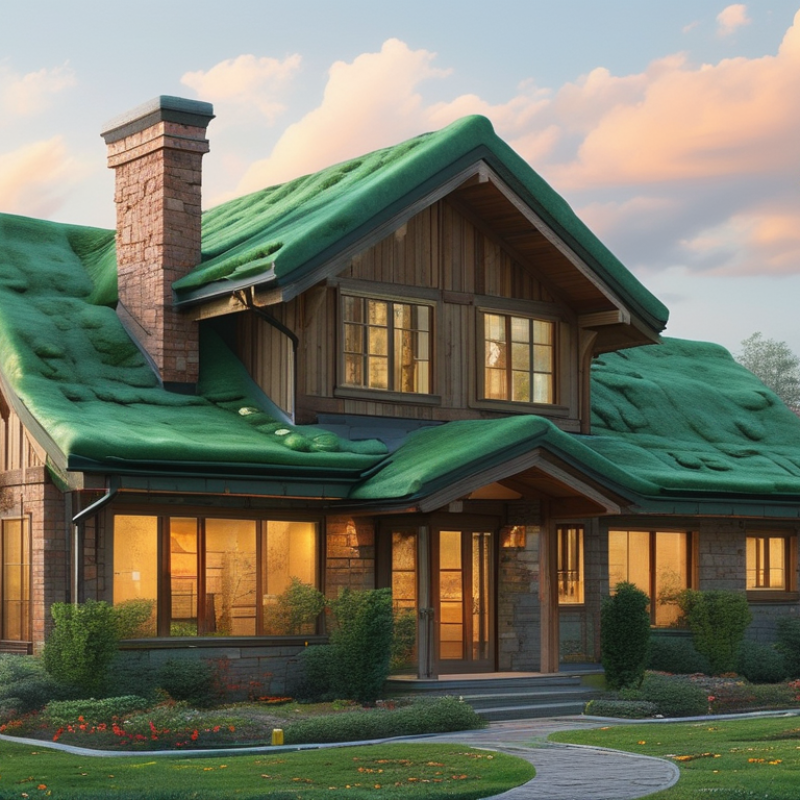
Top 10 Eco Friendly Insulation Solutions to Promote Sustainability?

Understanding the Importance of Eco-Friendly Insulation for Sustainability

Eco-friendly insulation is essential for promoting sustainability in our built environment. Traditional insulation materials often contribute to environmental degradation and energy inefficiency. By opting for sustainable insulation solutions, we can reduce energy consumption in homes and buildings, fostering a healthier planet.

Natural materials like cellulose and sheep’s wool are excellent alternatives. Cellulose is made from recycled paper, making it a responsible choice. Sheep’s wool offers superior thermal performance while being biodegradable. These materials not only insulate well but also help create a more sustainable construction process.

Many consumers may not realize the importance of eco-friendly insulation. Some might overlook the need to investigate materials' origins and impacts. Choosing insulation wisely can significantly reduce carbon footprints. This choice reflects a commitment to the environment and future generations. Cost and availability can be challenges, but the long-term benefits outweigh these hurdles. Exploring local options can enhance sustainability further. We all have a role in making conscious choices about insulation.

Types of Eco-Friendly Insulation Materials: An Overview

Eco-friendly insulation materials are crucial for promoting sustainability in construction. These materials help reduce energy consumption and minimize environmental impact. Some popular options include cellulose, made from recycled paper, and wool, which offers excellent thermal performance.

Hemp insulation is another standout option. It is renewable and has excellent moisture-regulating properties. However, sourcing hemp can be challenging in some regions. Cotton insulation, often made from recycled denim, is also gaining popularity. It’s soft, but its effectiveness can be questioned when compared to traditional insulations.

With choices like straw bales and earth wool, the variety is extensive. However, some eco-friendly options may not perform as well in extreme weather. This is where trade-offs become significant. Not all these alternatives are widely available, and installation can sometimes be more complex. Each choice requires careful consideration of local climate conditions and building codes.

Comparative Analysis of Top Eco-Friendly Insulation Solutions

When considering eco-friendly insulation solutions, many options stand out for their sustainability. Natural materials like cellulose, made from recycled paper, offer excellent thermal performance. It is both cost-effective and biodegradable, making it a popular choice among eco-conscious builders. However, its susceptibility to moisture can lead to potential complications.

Another alternative is sheep's wool, which is naturally breathable and regulates humidity. This insulation option has a lower carbon footprint than synthetic materials. Nonetheless, sourcing can pose ethical concerns. It’s essential to verify that wool is harvested sustainably. Additionally, bamboo insulation captures carbon during growth, contributing positively to environmental health. Yet, the processing methods can sometimes negate these benefits, leaving consumers in a dilemma.

Cotton insulation, which is often made from recycled denim, presents another viable choice. It is non-toxic and safe for indoor air quality. While its fire resistance is impressive, its higher cost can deter some. Striking a balance between performance, cost, and sustainability is crucial. Each material has its pros and cons. Evaluating them requires careful thought and consideration of individual project needs.

Benefits of Using Sustainable Insulation in Construction Projects

Sustainable insulation brings numerous benefits to construction projects. It reduces energy consumption by maintaining comfortable indoor temperatures. By choosing eco-friendly materials, builders can significantly lower heating and cooling costs. This not only helps the environment but also saves homeowners money over time.

Using sustainable insulation also improves air quality. Many eco-friendly materials are free from harmful chemicals. They don’t release volatile organic compounds (VOCs), making indoor spaces healthier. Good indoor air quality promotes better health for occupants.

Moreover, sustainable insulation materials often have a lower carbon footprint. The production processes may use less energy compared to traditional options. That said, it’s important to consider sourcing and manufacturing practices carefully. Not all products marketed as "green" are equally sustainable. Therefore, proper research is crucial in making informed choices.

How to Choose the Right Eco-Friendly Insulation for Your Needs

When choosing eco-friendly insulation, several factors come into play. Understanding the specific requirements of your home is essential. Consider the climate you live in, as this influences insulation needs. Evaluate your building’s structure and existing materials. Look for insulation that complements what you have.

Tips: Check local regulations. Standards may differ based on your area. Getting permits can save you from future troubles. Investigate the R-value, which indicates thermal resistance. A higher R-value is typically more effective. However, balance this with your budget.

Consider the source of the materials. Recycled or natural options often have lower environmental impact. Cellulose, wool, and hemp are desirable choices. Each comes with pros and cons. Some may require more maintenance or have varying costs. It’s essential to research carefully. You’ll find that what works best for someone else might not suit your needs. Evaluate the installation process too. Some materials are DIY-friendly, while others may need professional help.

FAQS

: What is eco-friendly insulation?

: Eco-friendly insulation promotes sustainability by reducing energy consumption and environmental impact in buildings.

Why should I choose sustainable insulation materials?

Sustainable materials lower carbon footprints and support a healthier planet for future generations.

What are some popular eco-friendly insulation options?

Popular options include cellulose, sheep’s wool, hemp, and cotton insulation. Each has unique benefits.

Are natural materials effective for insulation?

Yes, natural materials like cellulose and sheep's wool offer good thermal performance, but each has limitations.

What are the challenges of using hemp insulation?

Sourcing hemp can be difficult in some regions, affecting its availability and use in construction.

Can eco-friendly insulation be installed in extreme climates?

Some eco-friendly options may struggle in extreme weather, requiring careful consideration of local conditions.

How does moisture affect cellulose insulation?

Cellulose can be susceptible to moisture, leading to potential complications if not installed correctly.

Is cotton insulation a good choice?

Cotton insulation is non-toxic but may not perform as well as traditional options in some situations.

What should I consider when selecting insulation materials?

Evaluate performance, cost, and sustainability, along with local building codes and climate conditions.

Are all eco-friendly insulation materials widely available?

No, some materials may have limited availability, making sourcing a potential challenge for builders.

Conclusion

Eco-friendly insulation plays a crucial role in promoting sustainability within construction projects. By understanding the significance of these materials, builders and homeowners can make informed choices that not only enhance energy efficiency but also reduce environmental impact. Various types of eco-friendly insulation materials are available, each with unique properties that cater to different needs. A comparative analysis reveals the top solutions in this category, highlighting their effectiveness in conserving energy and reducing carbon footprints.

Choosing the right eco-friendly insulation solutions is essential for maximizing benefits in construction. Sustainable insulation contributes to a healthier indoor environment and helps mitigate climate change effects. When selecting materials, consider factors such as thermal performance, durability, and environmental impact to ensure you are promoting sustainable and eco-friendly insulation solutions tailored to your specific requirements.

Charlotte

Charlotte

Charlotte is a seasoned marketing professional with a deep understanding of the company's portfolio and a passion for elevating its presence in the market. With a keen eye for detail and a commitment to excellence, she ensures that our professional blog is regularly updated with insightful articles......