FibroCeram Materials FibroCeram Materials

Top 10 Eco Friendly Insulation Solutions for Global Buyers

Time:2026-11-18 Author:Aria
0%

Insulation is easy to overlook: it sits behind plasterboard, above ceilings, or between timber studs. Yet those hidden layers influence heating and cooling demand, indoor comfort, and a building’s material footprint. The stakes are real. The United Nations Environment Programme and GlobalABC’s 2024 Global Status Report for Buildings and Construction estimates that buildings and construction account for about 32% of global energy demand and 34% of energy-related carbon dioxide emissions. Better-performing building envelopes are part of the response, though insulation alone cannot solve the sector’s climate challenge.

The aim is clear: “Promote sustainable and eco-friendly insulation solutions” with evidence, not slogans. This guide introduces ten options for global buyers, from cellulose and wood fibre to recycled-content products and natural-fibre materials. It considers thermal performance, moisture behaviour, fire considerations, durability, availability, and installation needs. No material is perfect. A low-impact product may travel far, cost more, or require careful moisture detailing; a familiar option may contain more fossil-based content. Details matter. Results also depend on climate, workmanship, and the rest of the wall or roof assembly.

The International Energy Agency’s Energy Efficiency 2023 report highlights building efficiency as a key part of reducing energy use. But product comparisons can be messy: environmental declarations differ in scope, and local supply changes the picture. There is no universal winner. Buyers should check current technical data, independent certifications, and project-specific requirements before choosing. A compact, well-installed layer may outperform a greener product used badly. That deserves reflection.
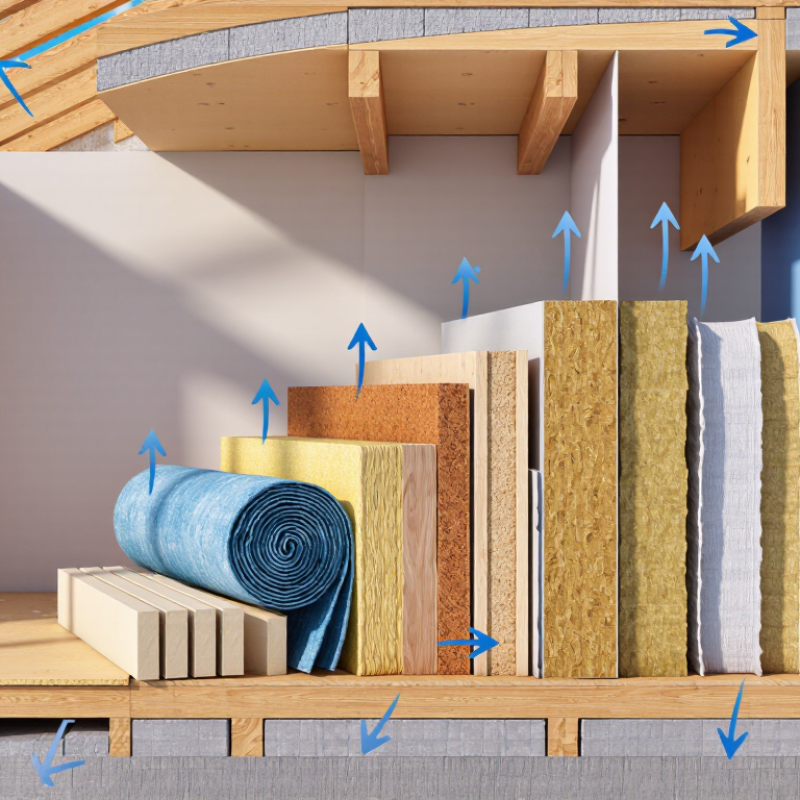
Top 10 Eco Friendly Insulation Solutions for Global Buyers

What Defines Eco-Friendly Insulation and How Is It Assessed?

Eco-friendly insulation is not simply material made from plants or recycled fibers. It is insulation assessed for its impacts from raw-material sourcing through installation, use, and disposal. A useful comparison checks embodied carbon, recycled or renewable content, manufacturing energy, and transport distance. It also considers durability: insulation that needs early replacement may create more impact over time. That matters.

Performance must be assessed alongside environmental claims. Buyers can compare thermal resistance, air leakage, moisture behavior, and fire performance for the intended building and climate. Indoor emissions matter too, especially in tightly sealed rooms. Look for test results and independently reviewed environmental product declarations, while checking that products are compared using the same functional unit and life-cycle boundaries. Labels can mislead. A low-carbon claim may omit transport or end-of-life impacts.

In practice, ask for documented data, not just a “natural” description. Check whether the material can handle local humidity, temperature swings, and installation conditions. For example, a sample that stays dry in a mild climate may behave differently in a humid wall cavity. Assessment methods and available disclosures vary by region, so comparisons are not always neat. Even well-documented data leaves uncertainty; real installation quality can change energy performance substantially.

Ten Sustainable Insulation Materials for Global Buyers

Insulation choices shape both heating demand and material impacts. UNEP and GlobalABC’s 2023 Global Status Report found that buildings and construction used 34% of global energy in 2022. The sector also generated 37% of energy- and process-related carbon dioxide emissions. These figures make insulation relevant, but they do not make every “natural” product automatically sustainable. Check the full product data.

Global buyers can compare cellulose, sheep’s wool, wood fiber, cork, hemp, straw, recycled cotton, mineral wool, recycled-glass foam, and perlite. Cellulose can be blown into wall cavities, helping fill awkward gaps. Straw suits projects with enough wall depth, while cork boards offer a compact, durable option. Fiber-based products need careful moisture detailing. Mineral wool and perlite are mineral options; recycled content and production impacts vary by supplier. No option is perfect.

Compare environmental product declarations, thermal conductivity, recycled content, and expected service life. Also check local availability: a low-impact material shipped very far may lose part of its advantage. Installers should match insulation to the wall assembly, climate, and ventilation plan. A small gap around a window can undermine otherwise careful work. Data sheets help, but actual installation quality deserves equal attention.

How Insulation Options Compare in Performance and Environmental Impact

Eco-friendly insulation differs in more than its heat-retaining ability. Cellulose, recycled denim, sheep’s wool, hemp, cork, wood fiber, straw, mycelium, recycled-glass batts, and mineral wool each bring different trade-offs. Cellulose can fit snugly around framing, but gaps still waste heat. Wool can buffer moisture; it is not a substitute for good water management. Cork and wood fiber offer renewable feedstocks, while their transport distances matter. Straw performs best when carefully protected from persistent dampness.

Check product data, not just material names. Thermal resistance depends on thickness, density, and installation quality. Mineral wool and glass batts can resist fire, while loose-fill materials need appropriate detailing around heat sources. Some products also help reduce sound transfer. Small gaps matter. A poorly fitted low-impact material may perform worse than a carefully installed conventional option.

Environmental impact includes manufacturing energy, recycled content, durability, and end-of-life handling. Agricultural fibers may use fewer fossil resources, but farming practices and processing still count. Recycled content is useful, though it does not automatically mean low emissions. There is no perfect ranking for every building. I would compare declared performance and environmental data for the exact product, then factor in local climate and available installers. That last step is easy to overlook.

Choosing Insulation for Climate, Building Type, and Budget

Top 10 Eco Friendly Insulation Solutions for Global Buyers

Choosing insulation starts with the local climate, not a product label. In cold regions, steady thermal resistance can reduce heat loss through roofs and walls. Hot, humid areas need careful moisture control, because trapped water can damage timber and finishes. Details matter. A breathable material is not a substitute for sound ventilation or good installation.

Building type changes the choice. Cellulose can suit enclosed wall cavities, while mineral wool is often practical around pipes or irregular spaces. Cork and sheep’s wool may appeal in renovations where handling and material origin matter. For older buildings, check how added insulation affects existing walls before covering them. A small test area can reveal unexpected dampness or fit problems.

Budget includes labor, preparation, and future maintenance, not just the price per bag or panel. A lower-cost option may need more careful air sealing to perform well. Compare installed thickness, expected service life, and local availability. Ask installers how they will manage gaps around windows, wiring, and roof edges. I would not assume one material is best everywhere; even a well-chosen option can disappoint when the building’s moisture behavior is overlooked.

Global Sourcing, Safety Standards, and Installation Considerations

For global buyers, insulation sourcing starts with the building, not the brochure. UNEP and GlobalABC’s 2024/25 Global Status Report says buildings and construction used 32% of global energy and produced 34% of energy-related emissions in 2023. That scale makes product choice important, but performance depends on climate, wall design, and workmanship. Request current technical data, safety documentation, and product-specific environmental declarations. Check where materials are made and how they are protected during shipping.

Standards differ by market. Compare fire-test classifications, thermal-conductivity data, and emissions test methods only when the test conditions match your project. ISO 14025 explains principles for Type III environmental declarations; it does not certify a product as safe or low-carbon by itself. Ask suppliers for batch traceability and clear evidence behind recycled-content claims. Details matter. Paperwork can look perfect while insulation sits damp in a warehouse; that gap deserves attention.

Installation can change the result. Follow the product instructions for thickness, joint sealing, and vapour control, then inspect for gaps around pipes and window frames. A small unfilled edge can become a cold spot. Protect workers from dust and fibres with suitable handling procedures and protective equipment, guided by the product’s safety documentation and local requirements. Confirm storage conditions before delivery, especially in wet seasons. No single material suits every climate, and choosing only by price is a tempting shortcut.

FAQS

What makes insulation eco-friendly?

It is assessed across sourcing, manufacturing, transport, use, and disposal. Renewable content alone is not enough. Durability matters too.

Which environmental details should buyers compare?

Check embodied carbon, recycled content, manufacturing energy, and transport distance. Compare product declarations using the same boundaries and measurement unit.

Which insulation materials can buyers consider?

Options include cellulose, sheep’s wool, wood fiber, cork, hemp, straw, recycled cotton, mineral wool, recycled-glass foam, and perlite. No option is perfect.

How should insulation suit a building’s climate?

Check moisture behavior, temperature range, and wall design. A dry sample may behave differently inside a humid wall cavity.

Why does installation quality matter?

Gaps around pipes or window frames can create cold spots. Follow instructions for thickness, joint sealing, and vapor control. Small details matter.

What safety information should buyers request?

Ask for current technical data, safety documents, fire-test results, and emissions test methods. Make sure test conditions match the project.

How can buyers check sourcing and storage?

Ask where materials are made and how they are protected during shipping. Confirm storage conditions before delivery, especially in wet seasons. Paperwork is not the whole story.

Does insulation have a meaningful effect on building impacts?

A 2023 global report estimated buildings and construction used 32% of global energy and produced 34% of energy-related emissions. Insulation can help, but real results depend on the whole building. I would still question any claim that sounds too neat.

Conclusion

This guide explains what makes insulation eco-friendly, including the role of renewable or recycled materials, energy efficiency, durability, indoor air quality, and environmental impacts across a product’s life cycle. It introduces ten sustainable options, such as cellulose, cork, hemp, sheep’s wool, wood fiber, and recycled textile insulation, and considers how their thermal and acoustic performance, moisture behavior, and environmental footprints differ.

Choosing the right solution depends on local climate, building design, performance needs, availability, and budget. The guide also highlights practical considerations for global buyers, including responsible sourcing, relevant safety and quality standards, transport impacts, and correct installation. By comparing these factors, readers can make informed choices that support comfortable, efficient buildings and Promote sustainable and eco-friendly insulation solutions.

Aria

Aria

Aria is a dedicated marketing professional with a deep passion for innovative strategies and a keen understanding of our company's product offerings. With a wealth of experience in the industry, Aria excels at crafting engaging content that highlights the unique features and benefits of our......