Choosing the right insulation materials is crucial for both energy efficiency and environmental safety. Dr. Emily Carter, a renowned expert in sustainable building practices, emphasizes the importance of this choice. She states, "To ensure environmental safety and non-toxicity of insulation materials, we must prioritize products that are safe for both humans and the planet." This insight underscores a vital aspect of material selection.
The market offers a variety of insulation options, each with distinct properties. It can be overwhelming to navigate through these choices. Many materials contain harmful substances that may compromise health and safety. Thus, careful evaluation is essential. It is not just about insulation performance; it is about the long-term impact on the environment.
As we explore various insulation types, we should focus on renewable or recycled materials. These options often have a lower ecological footprint. However, some green products may still fall short in terms of safety. Thus, verifying certifications and testing for harmful emissions is important. Making informed decisions is not easy, but necessary. By doing so, we contribute to a safer, healthier environment for all.
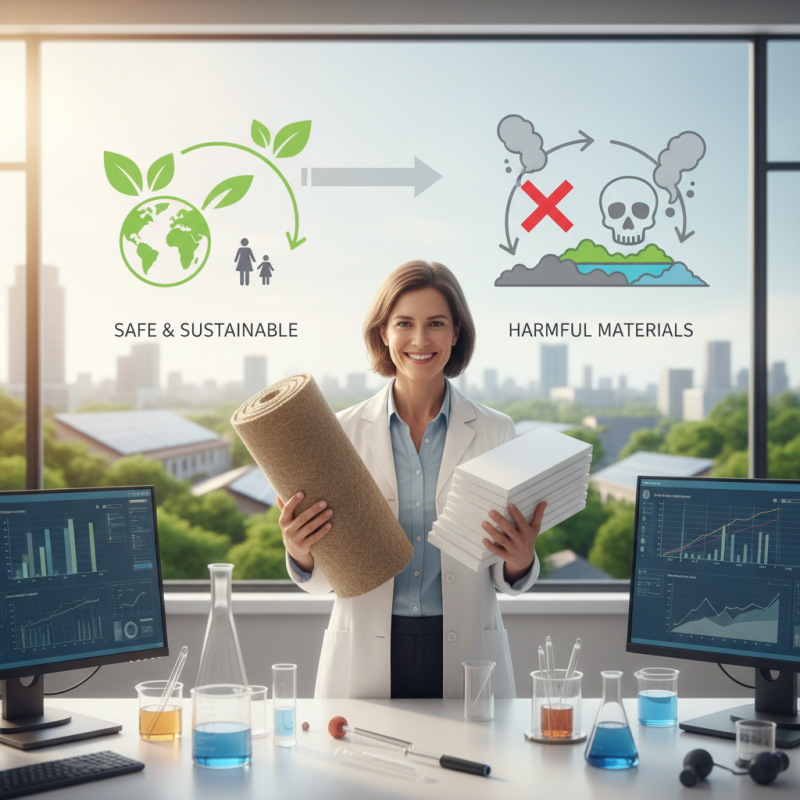
Selection Criteria for Insulation Materials Based on Environmental Impact
Choosing insulation materials with environmental safety in mind can be challenging. It’s important to assess the ecological impact of these materials. Consider their life cycle assessment (LCA), which looks at environmental effects from production to disposal. Opt for materials that minimize harmful emissions and have sustainable sourcing.
Tips: Always research the environmental certifications of materials. Look for options that highlight recycled content or renewable resources.
Another factor to consider is the insulation performance. High R-values can ensure energy efficiency, reducing overall environmental impact. Make sure the chosen material contributes to lower energy consumption for heating and cooling. Be wary of materials that may release toxins over time.
Tips: Consult with experts in environmental safety. They can offer insights on product sustainability and performance.
Reflect on your choices. Some materials may seem eco-friendly but have hidden drawbacks. Always seek out transparent information to ensure informed decisions.
Comparative Analysis of Eco-Friendly Insulation Materials in Construction
Choosing eco-friendly insulation materials is crucial for sustainable construction. Recent studies indicate that traditional insulation often contains harmful chemicals. For instance, the U.S. Green Building Council highlights that conventional fiberglass can release volatile organic compounds (VOCs). These emissions affect indoor air quality and long-term health.
In contrast, materials like cellulose and sheep's wool offer safer alternatives. Cellulose insulation, derived from recycled paper, can reduce energy consumption by 30% compared to fiberglass. Sheep's wool, a natural insulator, not only provides good thermal resistance but also regulates humidity effectively. However, these organic options sometimes face challenges, such as higher costs and availability.
Investing in eco-friendly insulation may seem costly upfront. Yet, the long-term benefits in energy savings and health improvements cannot be overlooked. A report from the Environmental Protection Agency notes that energy-efficient buildings reduce greenhouse gas emissions significantly. As society pushes for greener construction practices, understanding these options will be vital for responsible building projects.
Key Regulations Governing Insulation Materials and Environmental Safety Standards
When selecting insulation materials, understanding regulations is crucial for environmental safety. Various standards govern how insulation materials should be sourced, produced, and disposed of. These regulations aim to minimize environmental impact and enhance safety. For example, materials must limit volatile organic compounds (VOCs), which can harm air quality. Compliance with these standards ensures not only safety but also sustainability.
Key regulations include guidelines from environmental agencies and building codes. These frameworks often specify acceptable materials and their properties. For instance, they may dictate the use of recycled content or renewable resources. Failure to adhere to these standards can lead to legal repercussions and environmental harm. However, it's worth reflecting on the enforcement of these regulations. Are they consistently applied? Do they adapt to emerging environmental challenges?
Moreover, transparency in sourcing is essential. Knowing where materials come from can influence sustainability. Some materials might look good on paper but could have hidden environmental costs. It’s important to weigh these factors when making selections. Choosing insulation is more than a technical decision. It is a commitment to environmental stewardship and public health.
How to Choose Insulation Materials for Environmental Safety? - Key Regulations Governing Insulation Materials and Environmental Safety Standards
| Insulation Material |
Thermal Conductivity (W/m·K) |
Environmental Impact Rating |
Regulatory Compliance |
| Fiberglass |
0.04 |
Low |
ASTM, EPA |
| Spray Foam |
0.02 - 0.04 |
Moderate |
ICC, ASTM |
| Cellulose |
0.04 |
Very Low |
EPA, Energy Star |
| Mineral Wool |
0.035 |
Low |
ASTM, ISO |
| Polystyrene |
0.03 |
Moderate |
ASTM, ICC |
Life Cycle Assessment of Insulation Materials: A Sustainable Approach
Choosing insulation materials based on their environmental impact is critical. A Life Cycle Assessment (LCA) provides insights into sustainability. This assessment examines every stage of a material's life, from extraction to disposal. According to a report by the International Energy Agency, insulation materials can significantly reduce energy consumption in buildings, cutting greenhouse gas emissions by 30%.
Professionals note that materials like cellulose and mineral wool have notable eco-friendly credentials. Cellulose, made from recycled paper, can sequester carbon dioxide. Mineral wool, while not as carbon-neutral, often has a longer lifespan. The Environmental Protection Agency highlights that proper insulation reduces heating and cooling needs, leading to lower energy bills and a reduced carbon footprint. However, environmental impact can vary. Not all insulation is created equal; some methods can be energy-intensive.
The challenge lies in balancing performance and sustainability. Some effective insulation materials require careful sourcing and processing, possibly negating their benefits. Studies indicate that the production phase can account for up to 75% of emissions related to certain insulation types. Monitoring these parameters is crucial for making informed choices in insulation selection. Understanding the LCA helps consumers and builders prioritize environmental safety while ensuring effective insulation performance.
Performance Metrics: R-Value and Its Importance for Eco-Conscious Choices
When selecting insulation materials for environmental safety, understanding R-value is crucial. R-value measures thermal resistance. It indicates how well a material resists heat flow. Higher R-values mean better insulating properties. This metric is essential for eco-conscious choices.
According to the U.S. Department of Energy, proper insulation can improve energy efficiency by 20% to 30%. This reduction leads to lower energy consumption and less fossil fuel use. The Environmental Protection Agency also states that appropriate insulation helps in decreasing greenhouse gas emissions. However, not all materials have the same impact on health and the environment. Some insulation options may contain harmful chemicals.
Choosing insulation materials should involve analyzing both R-value and environmental safety. Materials like cellulose have an R-value ranging from 3.2 to 3.8 per inch, and they often use recycled content. However, some products might off-gas, releasing volatile organic compounds. Reflecting on these factors is essential. Aim for materials that balance efficiency and safety, considering long-term effects on both health and the planet.
Comparison of Insulation Materials by R-Value
Conclusion
In addressing the selection of insulation materials with an emphasis on environmental safety, it is crucial to ensure environmental safety and non-toxicity of insulation materials through comprehensive evaluation criteria. This includes understanding the environmental impact of various materials, which can be assessed through life cycle assessments that highlight their sustainability. A comparative analysis of eco-friendly options in construction reveals that choosing materials with favorable R-values not only improves energy efficiency but also contributes to healthier living environments.
Additionally, awareness of key regulations governing insulation materials and their associated environmental safety standards is essential for compliance and advocacy for greener practices. By prioritizing these elements, stakeholders in the construction industry can make informed decisions that align with eco-conscious choices, promoting safer and more sustainable building practices.
 FibroCeram Materials
