FibroCeram Materials
The durability of high-temperature insulation materials is crucial in many industrial applications. One significant challenge in this field is corrosion. Corrosion can severely compromise the performance and longevity of insulation products. To address this issue, researchers and manufacturers are focusing on ways to improve corrosion resistance of high-temperature insulation materials.
Innovative techniques and materials are emerging that enhance resistance without sacrificing thermal efficiency. For example, coatings with protective properties are being developed. These coatings prevent moisture and chemicals from initiating corrosion. Additionally, using advanced composites with inherent resistance properties can further extend the lifespan of insulation materials.
Industry experts emphasize the importance of rigorous testing to validate performance claims. Understanding the specific environments where insulation will be used is vital. Through careful selection and application of these strategies, businesses can achieve reliable insulation solutions. However, challenges remain, and further research is necessary to optimize these improvements.
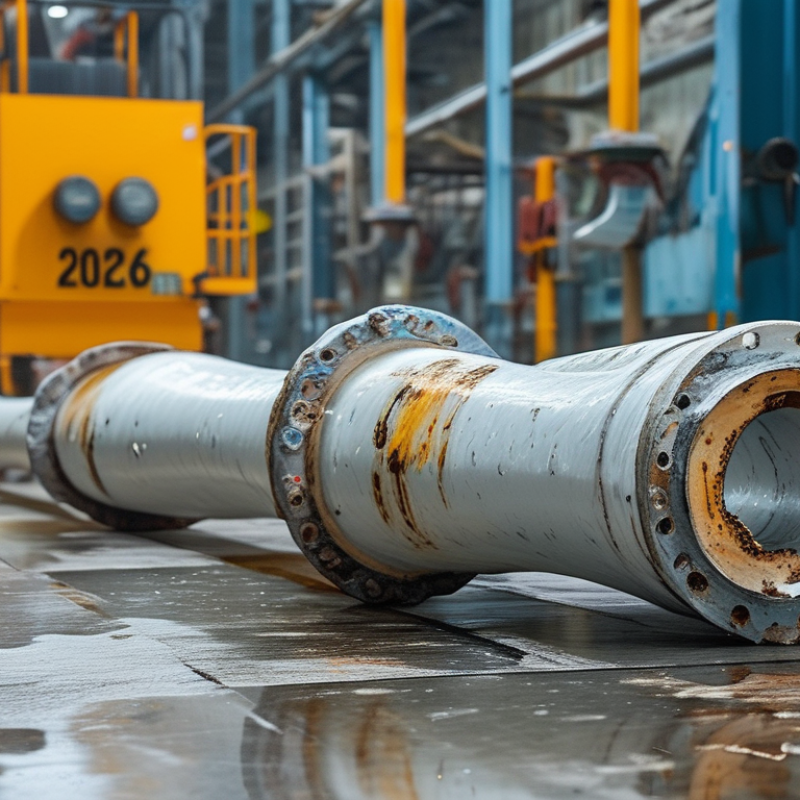
Corrosion resistance in insulation materials is crucial for enhancing longevity and performance. Corrosion can lead to significant deterioration, especially in harsh environments. A report by the American Society of Testing and Materials (ASTM) indicates that nearly 30% of insulation failures stem from inadequate corrosion protection. Understanding this issue can help mitigate risks in various applications, including pipes, tanks, and HVAC systems.
When selecting insulation materials, consider their exposure to moisture and chemical agents. Inadequate protection can result in early degradation and costly repairs. According to a recent study, materials that incorporate specialized coatings improve lifespan by up to 50%. These enhancements reduce moisture absorption and resist chemical attacks, ensuring insulation remains intact for a longer period.
Here are a few considerations: look for materials with high resistance ratings and inquire about performance under specific environmental pressures. Specialized insulation can be worth the investment. Periodic inspections also play a critical role. Knowing when to replace or assess insulation can prevent unexpected failure. Seek expert opinions on the best practices for maintaining insulation in your facility. Continuous education in corrosion management is vital for operational success.
Corrosion in insulation materials is a significant concern for many industries. Various factors influence this degradation. One critical aspect is moisture exposure. Water can lead to chemical reactions that corrode insulation materials. For instance, insulation in humid environments may deteriorate faster than in dry conditions. Hence, controlling moisture is key.
Another factor is the type of materials used. Some insulation materials inherently resist corrosion better than others. Knowing which materials offer higher resistance is essential for selecting appropriate insulation for specific applications. Corrosive environments, like those with high salinity, can further accelerate the breakdown of insulation. Evaluating the environment before installation is crucial.
Consider using protective coatings on insulation materials. These coatings can provide an additional layer of defense against moisture and chemicals. Regular inspection of insulation can prevent unseen corrosion issues. Identifying damage early helps mitigate larger problems down the line. This proactive approach strengthens overall system integrity. Always remain cautious and aware of environmental factors affecting insulation performance.
| Method | Effectiveness | Material Type | Cost | Longevity |
|---|---|---|---|---|
| Coatings | High | Polyurethane | Medium | 10-15 years |
| Use of Corrosion Inhibitors | Medium | Fiberglass | Low | 5-10 years |
| Alternative Materials | High | Mineral Wool | Medium | 15-20 years |
| Regular Maintenance | High | All Types | Varies | Ongoing |
| Advanced Insulation Systems | Very High | Aerogel | High | 20+ years |
Corrosion resistance in insulation materials is crucial for enhancing longevity and safety in various applications. Innovative coatings and treatments have emerged as effective solutions. According to a report by the National Institute of Standards and Technology, using advanced nanotechnology in coatings can increase corrosion resistance by up to 50%. These coatings can create a barrier against moisture and corrosive elements. They significantly reduce the degradation of insulation materials over time.
Another promising treatment is the application of thermally sprayed coatings. These coatings can withstand extreme temperatures and harsh environments. Data from the American Society for Testing and Materials shows that these coatings improve resistance to corrosive agents like saltwater. However, the application process may be complex and costly, which raises questions about their widespread adoption. Moreover, not all application environments favor such treatments, necessitating careful evaluation.
Emerging options like self-healing coatings are generating interest. These innovative solutions can repair themselves when damaged, which presents an exciting frontier in corrosion prevention. However, the long-term performance and reliability of these materials remain questionable. Industry experts suggest a cautious approach, considering both potential benefits and limitations in various scenarios.
Choosing the right materials for insulation is crucial for enhancing corrosion resistance. The selection process should prioritize durability and performance under various conditions. Materials such as polyethylene, PVC, and special elastomers can offer excellent resistance to various corrosive agents. Each material behaves differently in industrial settings. Understanding environmental factors allows for smarter choices.
Installation techniques play a significant role in performance. Poor sealing can trap moisture, leading to accelerated corrosion. Using moisture-resistant adhesives and techniques helps mitigate this risk. It’s also vital to conduct regular inspections. Identifying early signs of wear can prevent serious issues later on.
The cost of high-quality materials may seem daunting. However, the long-term benefits often outweigh initial expenditures. Inadequate materials can lead to costly repairs down the line. Not all insulation materials provide equal protection. Evaluating and testing in relevant conditions strengthens decision-making processes.
This chart represents the corrosion resistance ratings of various insulation materials, highlighting their effectiveness in corrosive environments. The higher the rating, the better the material's ability to resist corrosion.
In the quest for better corrosion resistance in insulation materials, emerging technologies are paving the way for future advancements. Innovations in coatings and nanotechnology are particularly noteworthy. For instance, studies show that advanced polymer coatings can reduce corrosion rates by up to 85%. This offers significant potential for insulation in harsh environments, ensuring longevity and reliability.
Nanotechnology is making strides as well. Incorporating nanoparticles into insulation materials has been shown to enhance barrier properties. A recent report from a leading industry association highlighted that nanomaterials can improve resistance to moisture, a critical factor in corrosion. Yet, the integration of these technologies is not without challenges. The long-term performance of nanostructured materials must be closely monitored to ensure they provide consistent protection over time.
Furthermore, predictive analytics is emerging as a valuable tool in assessing corrosion risks. By utilizing data analytics, engineers can anticipate corrosion-related failures in infrastructure. This approach allows for timely maintenance and reinforces the need for ongoing research. While the future of corrosion protection in insulation materials is promising, there remain uncertainties that necessitate continued exploration and testing.
: Advanced coatings can increase corrosion resistance by up to 50%. They create barriers against moisture.
These coatings withstand extreme temperatures. They also resist corrosive agents like saltwater. However, application can be complex and costly.
Self-healing coatings can repair themselves when damaged. They offer exciting possibilities for corrosion prevention but lack long-term reliability data.
Nanotechnology improves barrier properties in insulation. Nanoparticles increase resistance to moisture, a key factor in corrosion.
Long-term performance must be monitored. Some environments may not suit new application methods, requiring careful evaluation.
Predictive analytics anticipates corrosion-related failures in infrastructure. This enables timely maintenance and reduces risks.
Advanced polymer coatings can reduce corrosion rates by up to 85%. They improve insulation longevity in harsh conditions.
Many new technologies are still being researched. Their long-term effectiveness and reliability need further exploration.
Continued research addresses uncertainties. It ensures that emerging technologies remain effective over time.
Not all application environments favor these treatments. Each scenario must be evaluated for effectiveness.
The article "2026 Best Ways to Improve Corrosion Resistance in Insulation Materials" provides a comprehensive overview of the vital issue of corrosion resistance in insulation materials. It emphasizes the key factors influencing corrosion, such as environmental conditions and material properties. To effectively improve corrosion resistance of high-temperature insulation materials, innovative coatings and treatments are highlighted as essential solutions.
Additionally, the article discusses best practices for material selection, ensuring that suitable insulation materials are chosen based on their resistance to corrosive elements. It also explores future trends and technologies that could further enhance corrosion protection strategies in insulation applications. This holistic approach aims to ensure the longevity and performance of insulation materials in challenging environments.
