FibroCeram Materials FibroCeram Materials
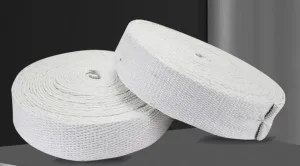
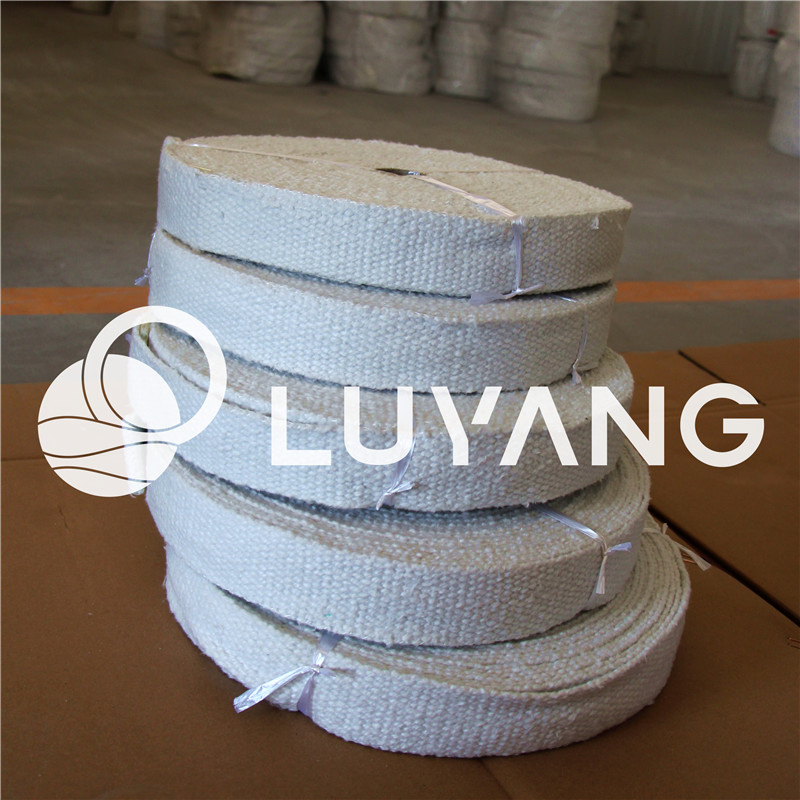
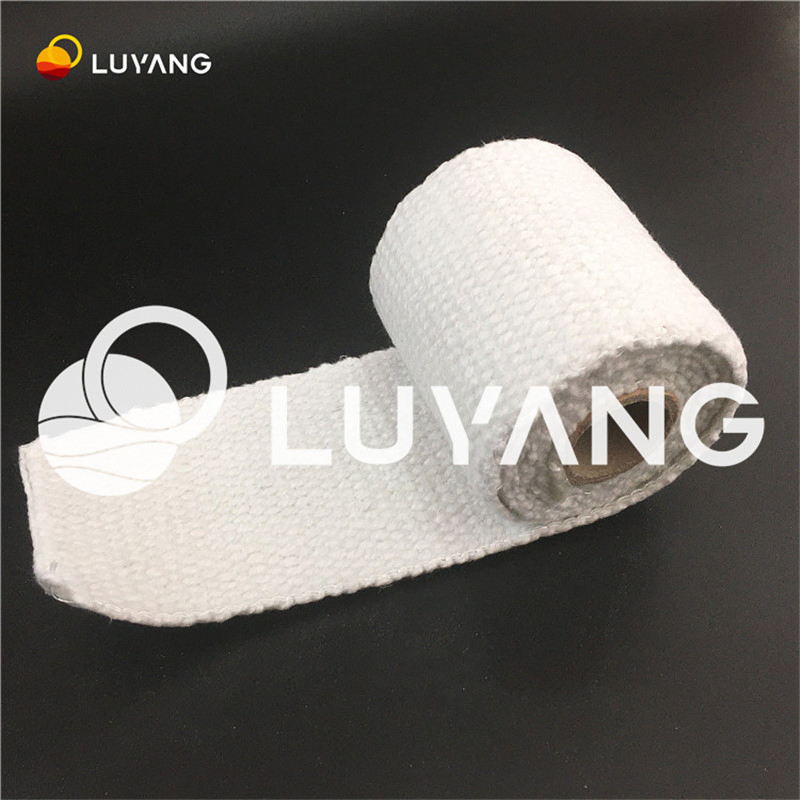
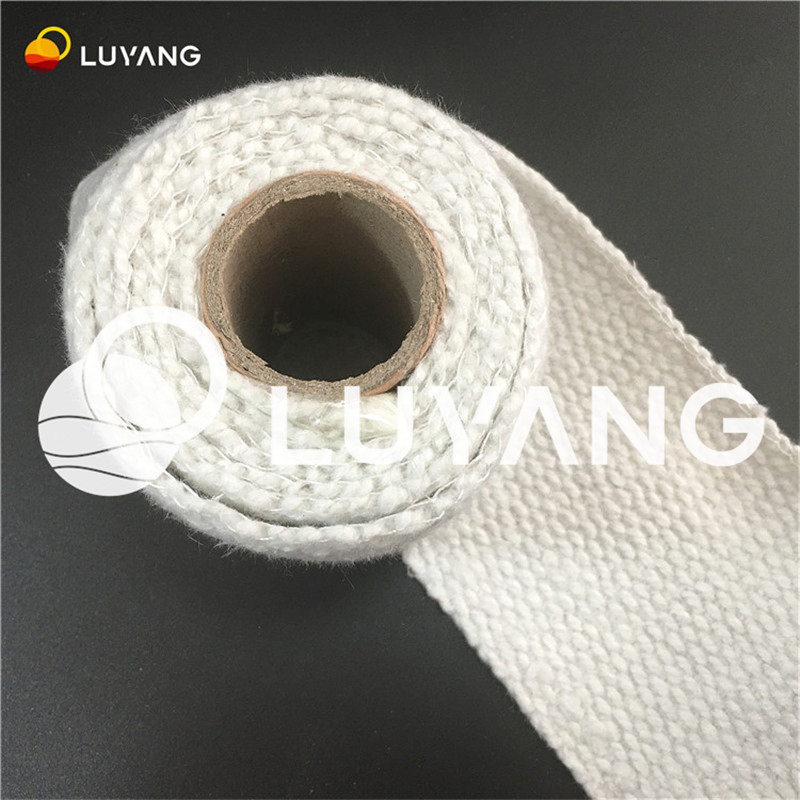
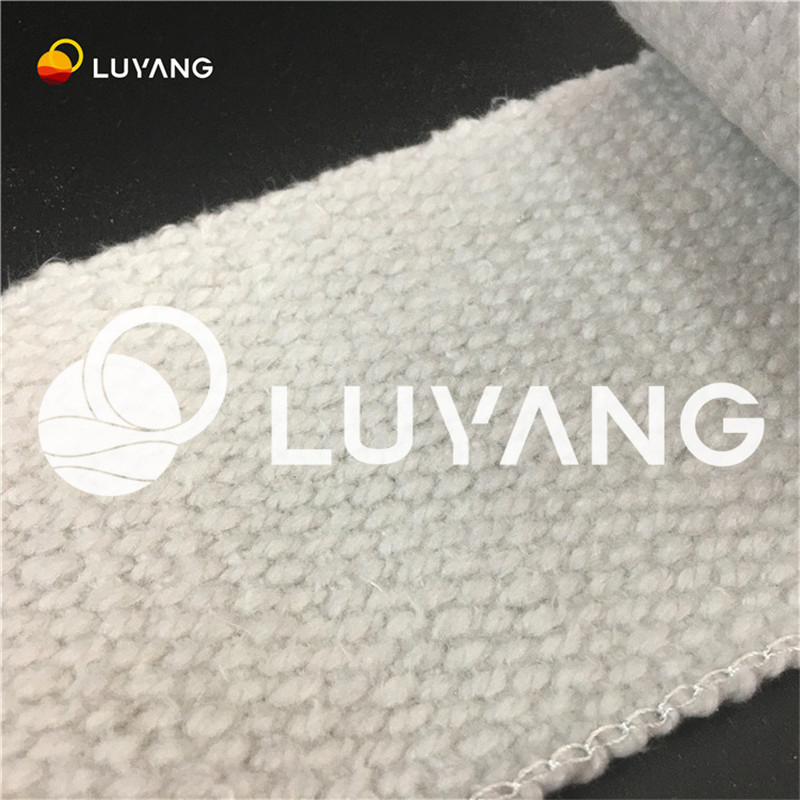
Thermal Insulation Ceramic Fiber Tape for Industrial Furnace

Still deciding? Get samples of $ !
Request Sample

Product Description

Basic Information
Model NO.
Luyangwool
Chemical Composition
SiO2, Al2O3.SiO2, Al2O3
Shape
Textile
Kind
Ordinary Ceramic Fiber
Name
Ceramic Fiber Textiles
Product
Aluminum Silicate Textiles
Raw Material
Aluminum Silicate Fiber
Transport Package
Carton/Bag/Pallet
Specification
100~300mm
Production Capacity
500, 000 Tons
Thermal Insulation Ceramic Fiber Tape
Product Description

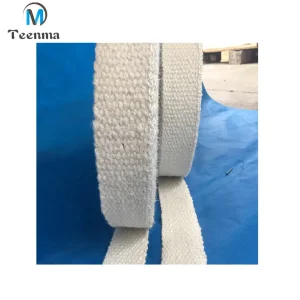
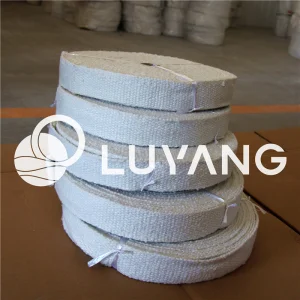
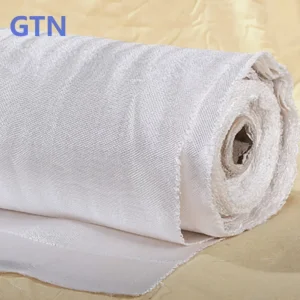
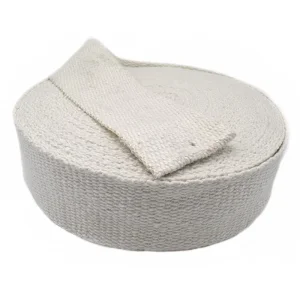
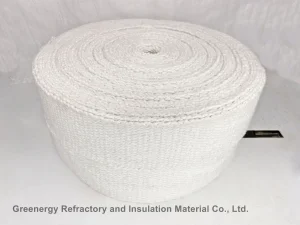
LUYANGWOOL® 1260 1400 1430 Ceramic Fiber Textile Tape Rope Cloth / RCF Textile

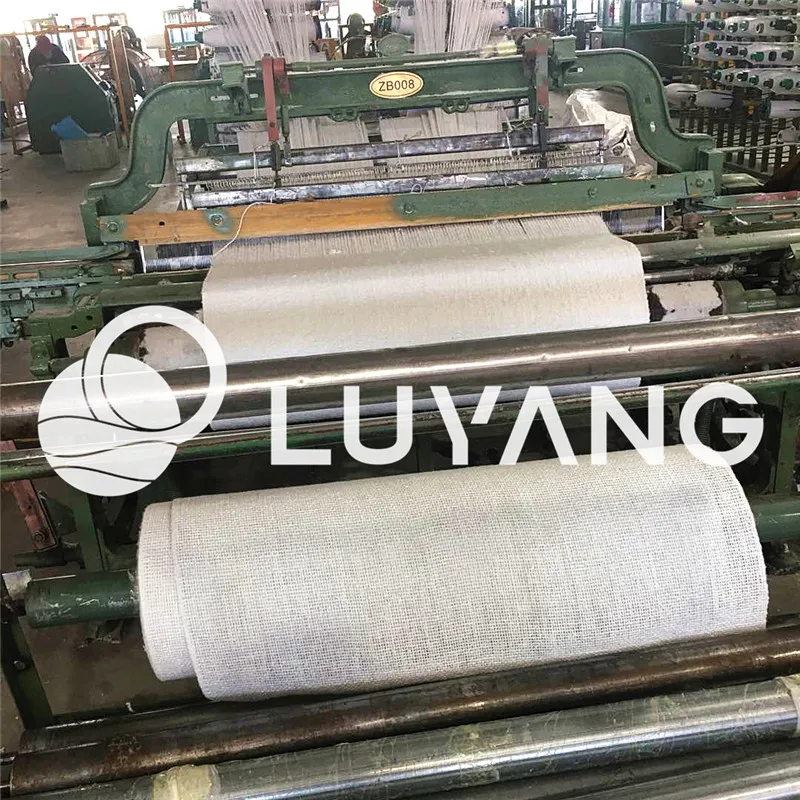
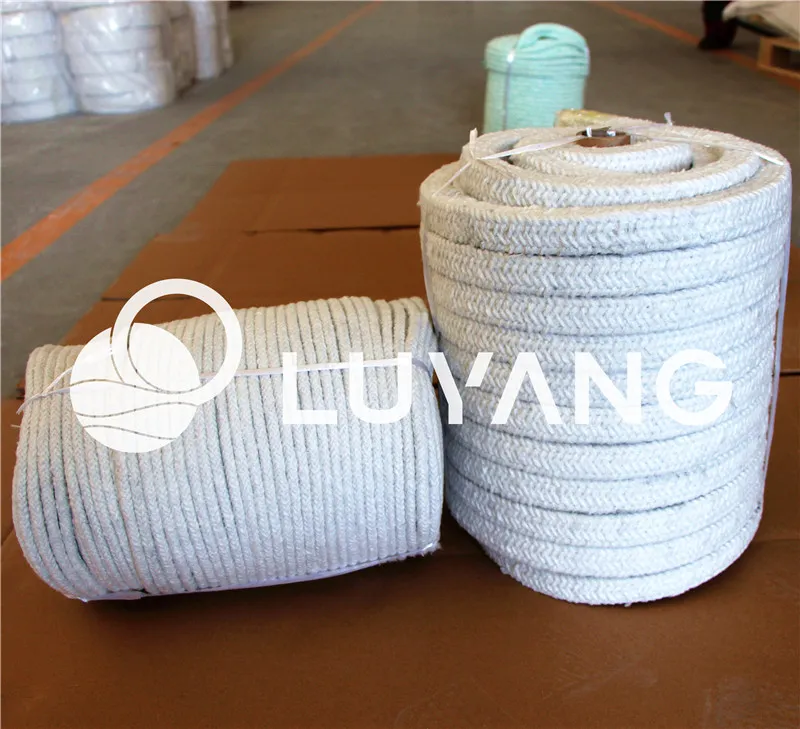
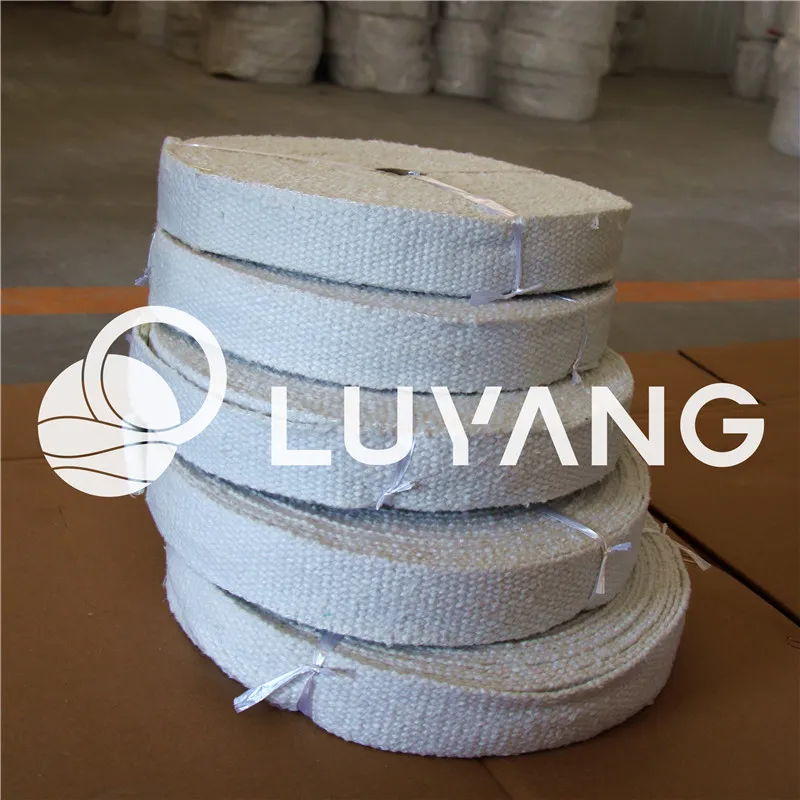
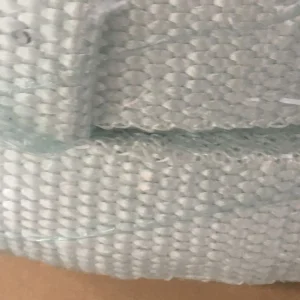
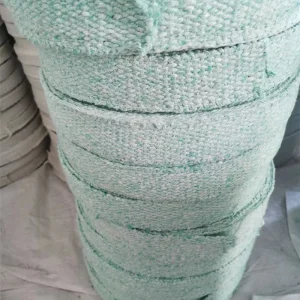
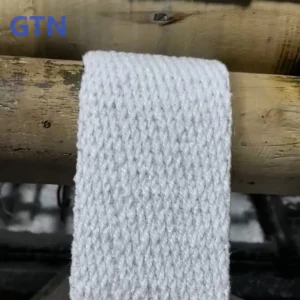
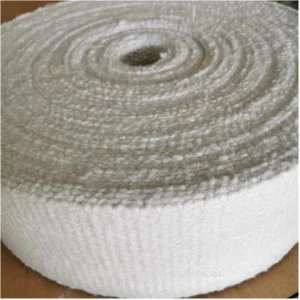
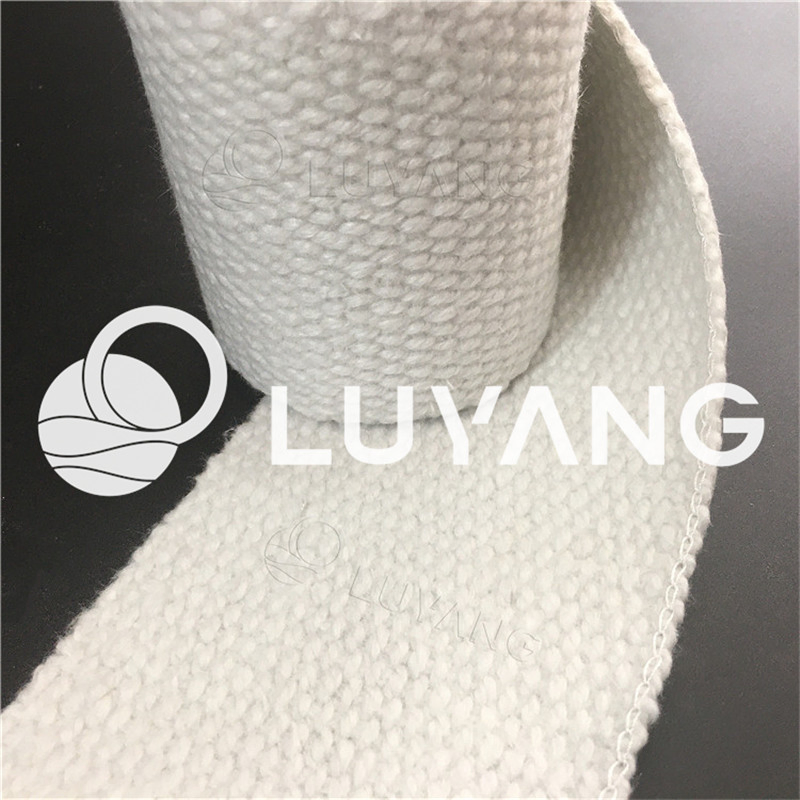
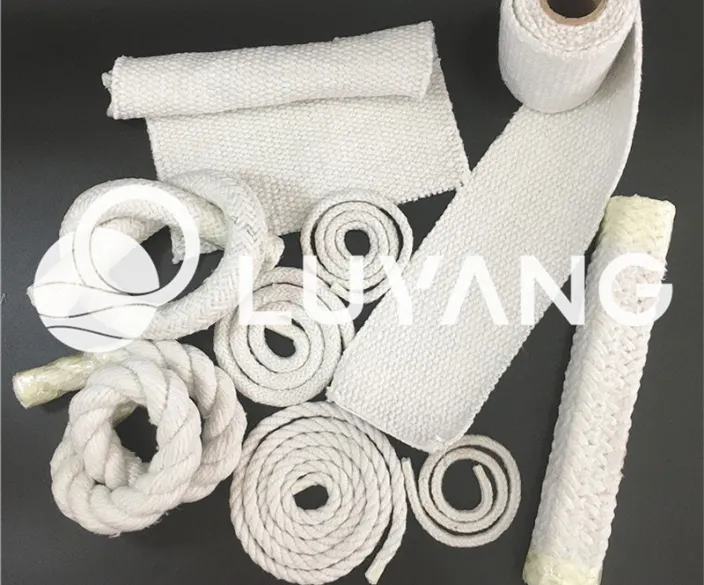
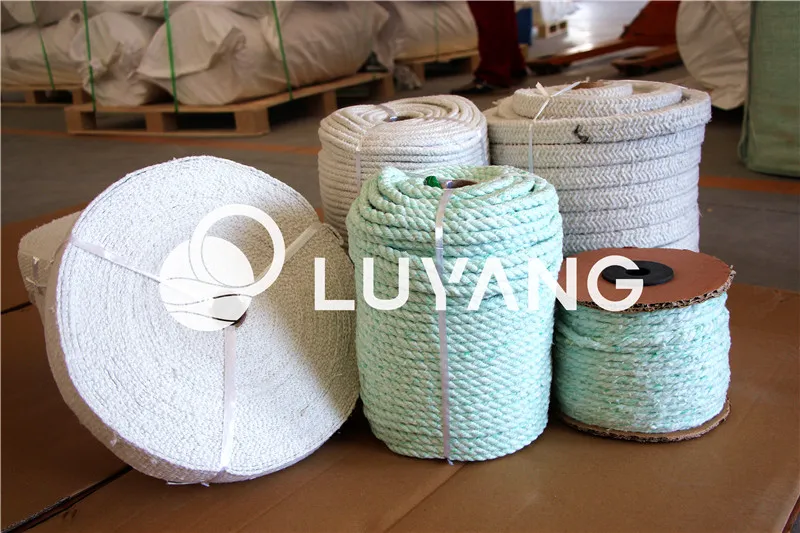
Luyangwool® ceramic fiber textile is made from ceramic fiber and viscose fiber, reinforced with glass filament or stainless steel. It includes ceramic fiber yarn, rope, tape, and cloth. These textiles are essential for insulating linings in metallurgical ovens, furnaces, prochemical heaters, and ceramic kilns.
Detail 1
Detail 2
Key Features
Excellent thermal shock resistance
Excellent thermal stability
High-temperature stability
Low thermal conductivity
Flexible and easy to use
Typical Applications
Gaskets in furnaces and domestic appliances
Door seals in furnaces and kiln car seals
Welding curtains and expansion joints
Technical Parameters (Cloth, Tape, Yarn)
DescriptionLUYANGWOOL® TEXTILE
TypeClothTapeYarn
ReinforcementGlassSteelGlassSteelGlassSteel
Temp Limit (ºC)650100065010006501000
Density (kg/m³)500500-550-
Organic Content≤15%
Rope Type 1
Rope Type 2
Rope Type 3
Processing
Application
Ceramic Textile
Final Product
FAQ - Ceramic Fiber Textiles
Q1: What is the maximum temperature for ceramic fiber textiles? A: The continuous temperature use limit depends on the reinforcement: up to 650ºC for glass fiber reinforcement and up to 1000ºC for stainless steel reinforcement.
Q2: What forms do these textiles come in? A: Luyangwool® textiles are available in various forms including cloth, tape, yarn, twisted rope, round braided rope, and square braided rope.
Q3: Are these textiles flexible enough for complex furnace doors? A: Yes, they are designed to be flexible and easy to handle, making them ideal for door seals, kiln car seals, and expansion joints.
Q4: What is the typical organic content in these products? A: The organic content is kept at a low level, typically less than or equal to 15%.
Q5: Can these be used in welding applications? A: Absolutely. One of the typical applications is for welding curtains due to their excellent high-temperature stability and thermal shock resistance.
Q6: What materials are used for reinforcement? A: They are reinforced with either glass filament or stainless steel wire to maintain structural integrity at high temperatures.

Related Products