FibroCeram Materials FibroCeram Materials
Luyangwool Yarn Stainless Steel

Still deciding? Get samples of $ !
Request Sample

Product Description

📋 Basic Information
Model NO.
yarn
Chemical Composition
SiO2, Al2O3.SiO2, Al2O3, Zro2
Shape
Ceramic Fiber Textile
Manufacturing Technique
Refractory Powder and Organic Fillers
Kind
High Ahlmirla Fibre
Color
White
Trademark
Luyangwool
Origin
China
HS Code
68061010
Production Capacity
100tons/Year
🔍 Product Description

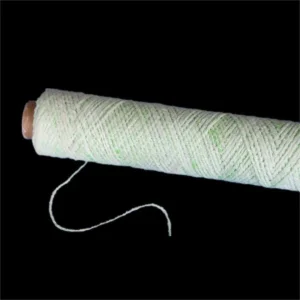
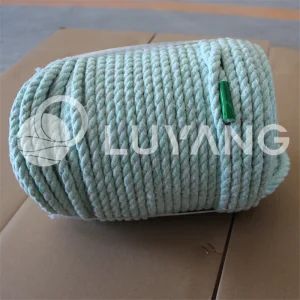
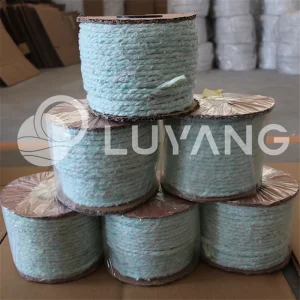
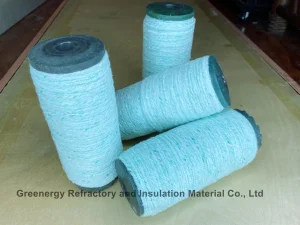
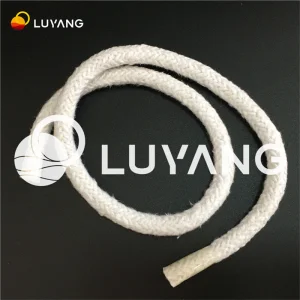
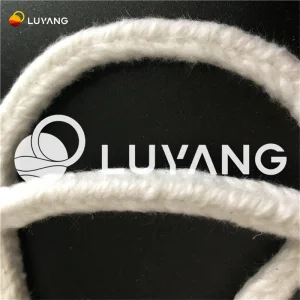
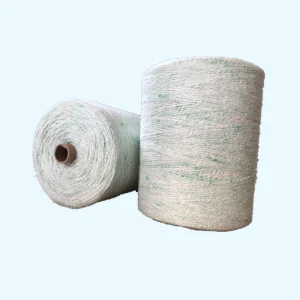
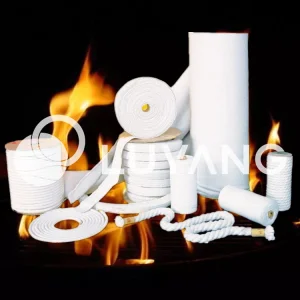
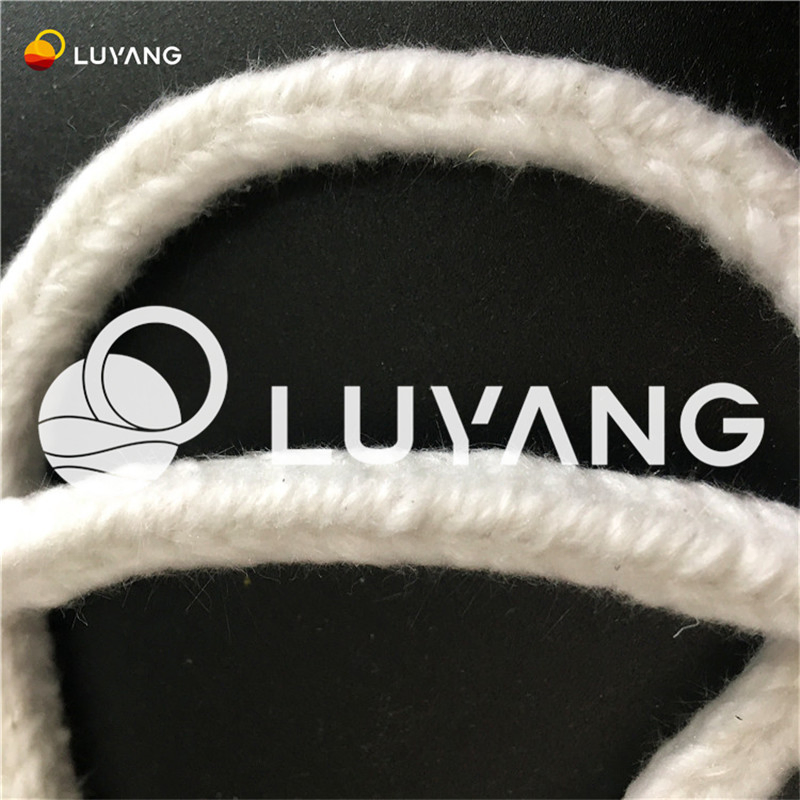
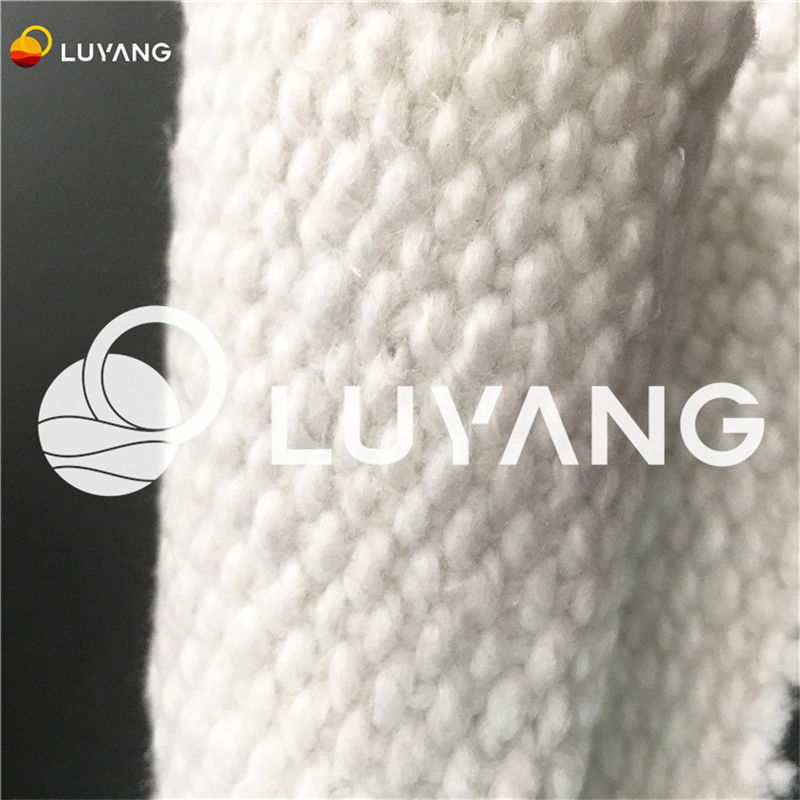
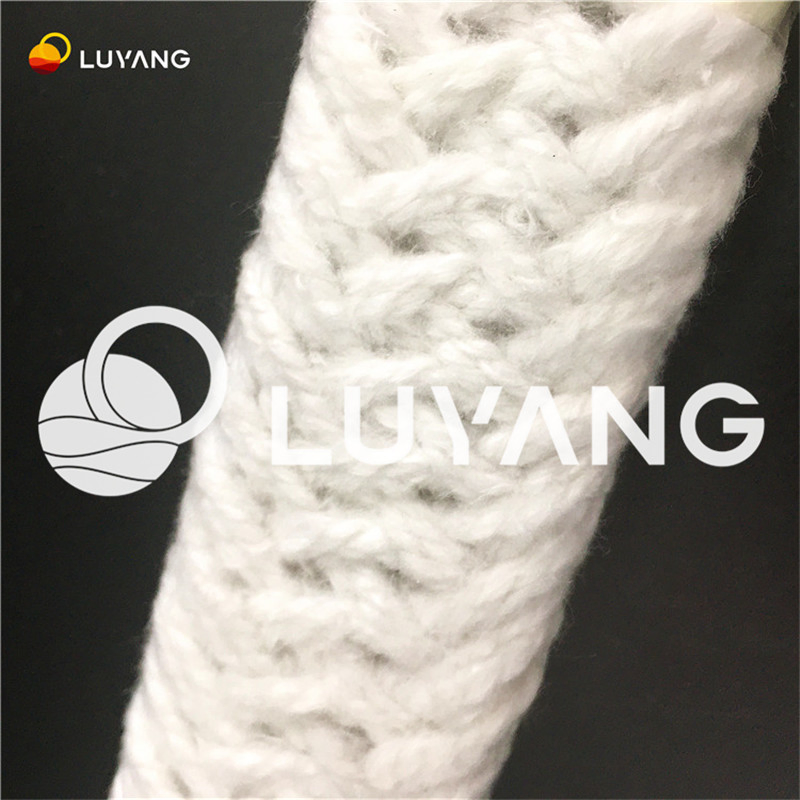
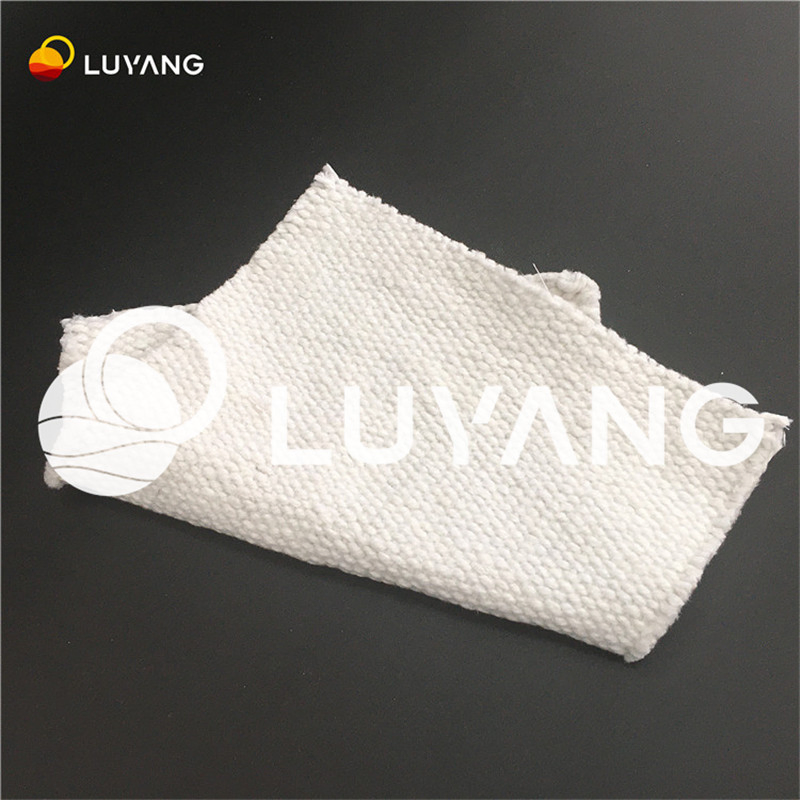
Luyang textile is made from ceramic fiber and viscose fiber, reinforced with glass filament or stainless steel. The product range includes ceramic fiber yarn, ceramic fiber rope, ceramic fiber tape, and ceramic fiber cloth.

These materials are widely used in critical applications such as the insulating lining of metallurgical ovens and furnaces, petrochemical heaters, and ceramic fiber kilns.
✨ Key Features
Excellent thermal shock resistance
Excellent thermal stability
High-temperature stability
Low thermal conductivity
Flexible and easy to use
🚀 Typical Applications
Gaskets in furnaces and domestic appliances
Door seals in furnaces
Kiln car seals
Welding curtains
Expansion joints
Frequently Asked Questions
What materials are used in Luyangwool textiles?
Our textiles are primarily composed of ceramic fiber and viscose fiber, reinforced with either glass filament or stainless steel for enhanced durability.
What types of ceramic fiber textiles are available?
The product line includes ceramic fiber yarn, rope, tape, and cloth to suit various industrial insulation needs.
In which industries are these products most commonly used?
They are widely used in metallurgical processing, petrochemical heating, and ceramic kiln operations for insulation and sealing.
What are the main thermal advantages of these fibers?
They offer excellent thermal shock resistance, low thermal conductivity, and high-temperature stability.
Can these materials be used for safety applications?
Yes, they are commonly used in the manufacturing of welding curtains and fire-resistant expansion joints due to their flexible nature and heat resistance.
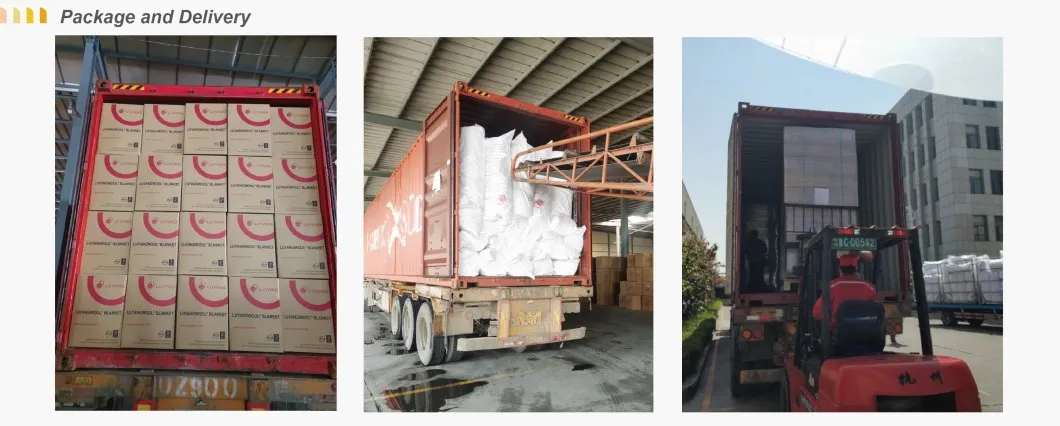
What is the standard packaging for transport?
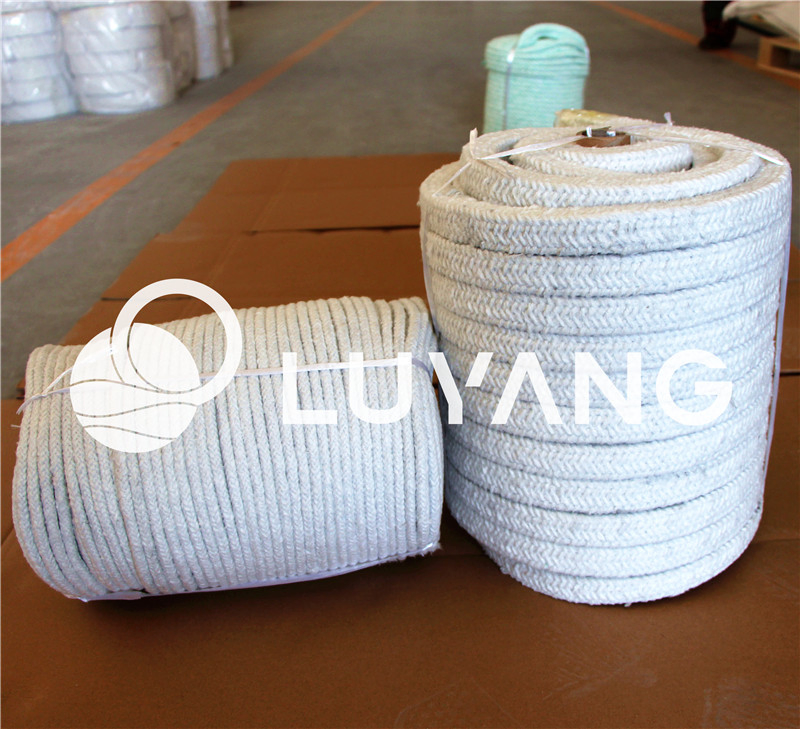
The products are typically packed in cartons to ensure they remain dry and intact during transit.

Related Products