FibroCeram Materials FibroCeram Materials
1600º C 1500º C Luyangwool Ceramic Fibre Module Aluminum Silicate Fiber Module

Still deciding? Get samples of $ !
Request Sample

Product Description

Basic Specifications

Model NO.:Luyangwool
Chemical Composition:SiO2, Al2O3.SiO2, Al2O3
Shape:Bloc
Kind:Ordinary Ceramic Fiber
Name:Aluminum Silicate Fiber Module
Product:Ceramic Fiber Module
Raw Material:Aluminum Silicate Fiber
Transport Package:Carton/Bag/Pallet
Specification:100~300mm
HS Code:68061010
Production Capacity:500,000 Tons

Product Description

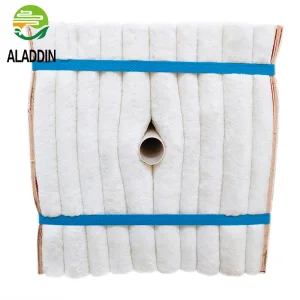
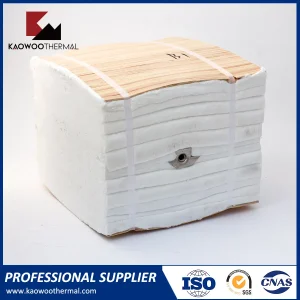
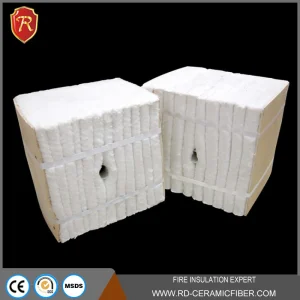
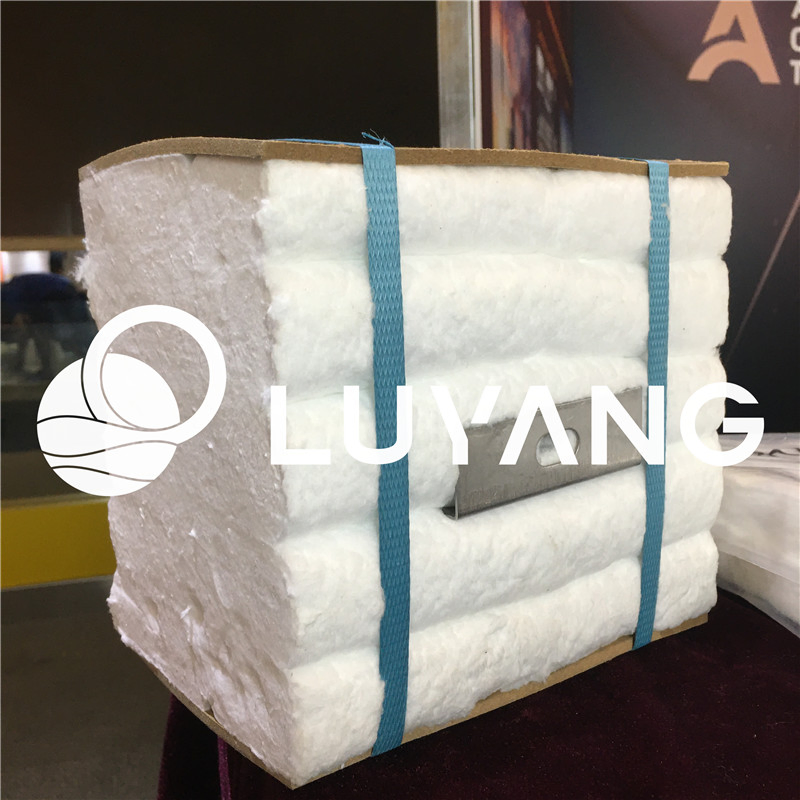
Luyangwool Ceramic Fibre Module
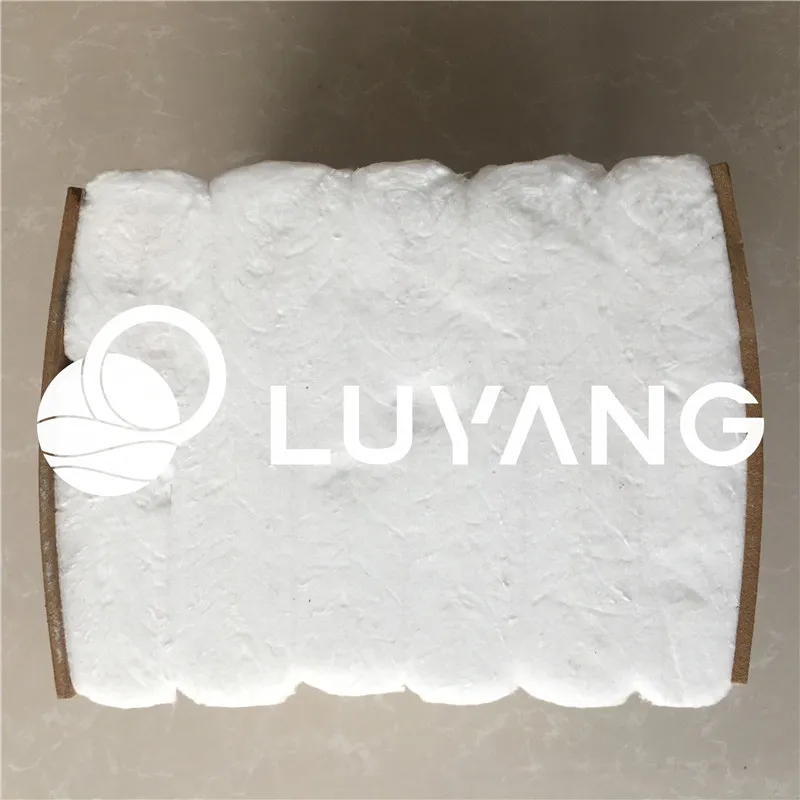
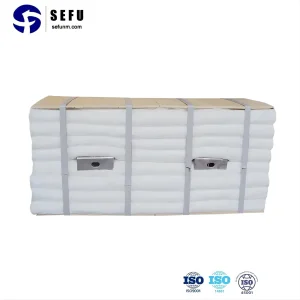
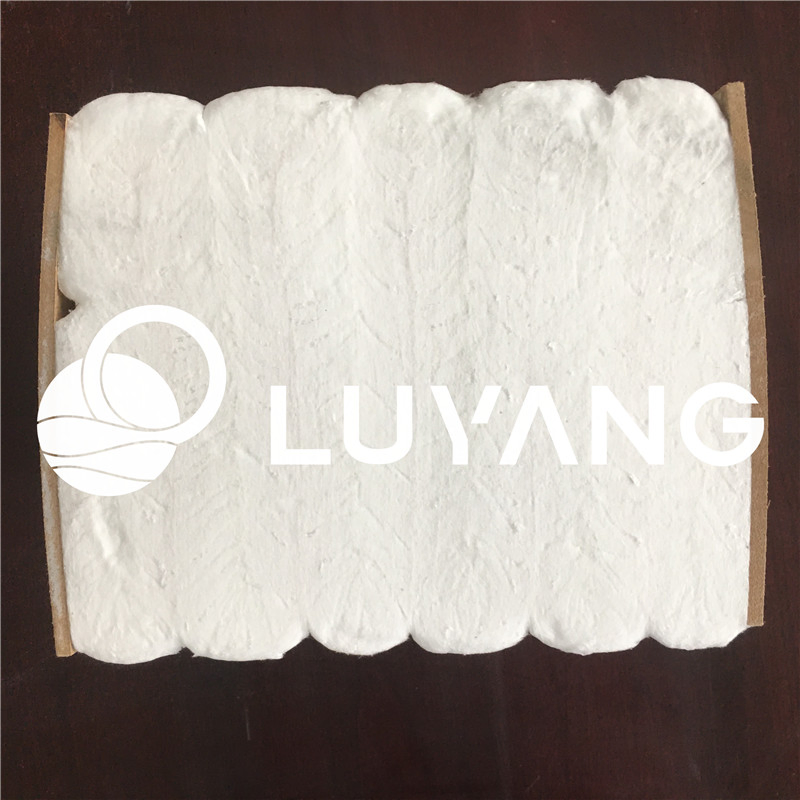
Fiber Module View 1
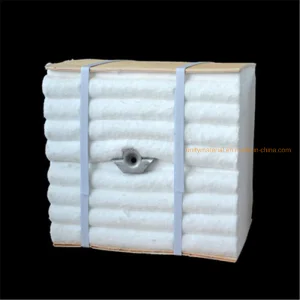
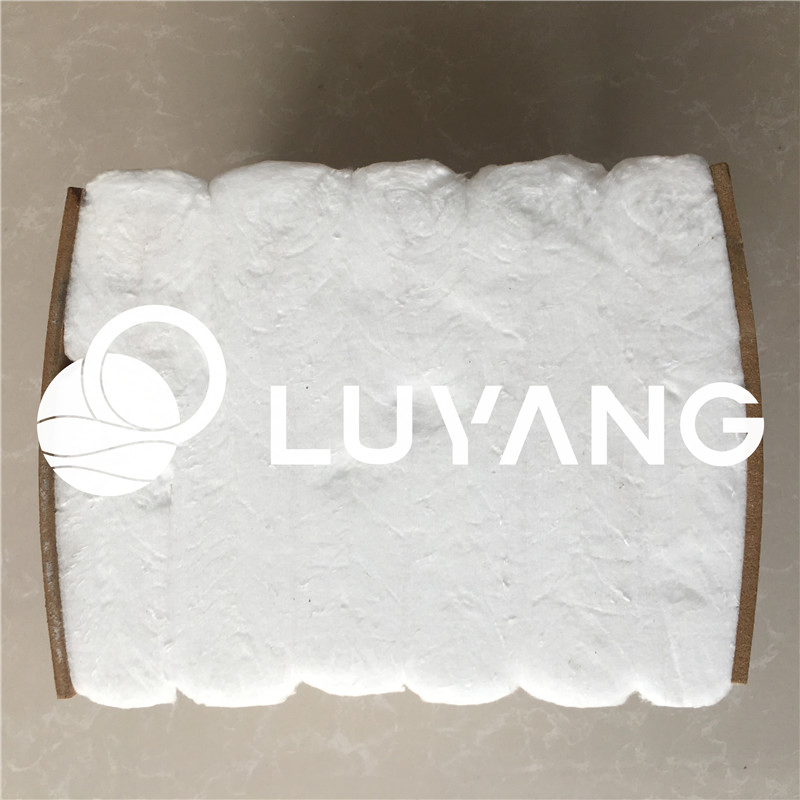
Fiber Module View 2

LUYANGWOOL® Ceramic Fiber Module / RCF Module

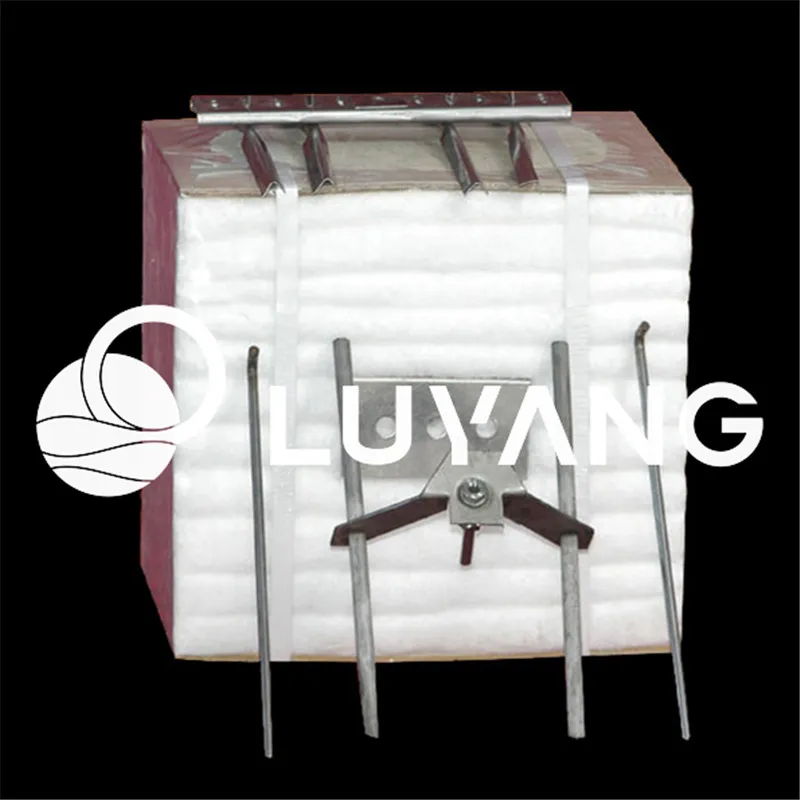
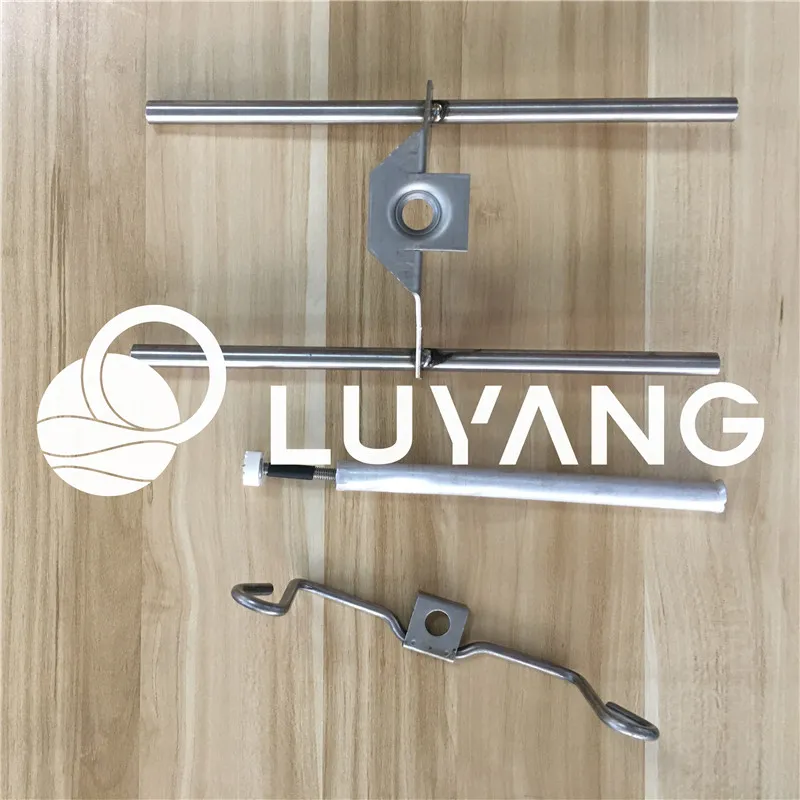
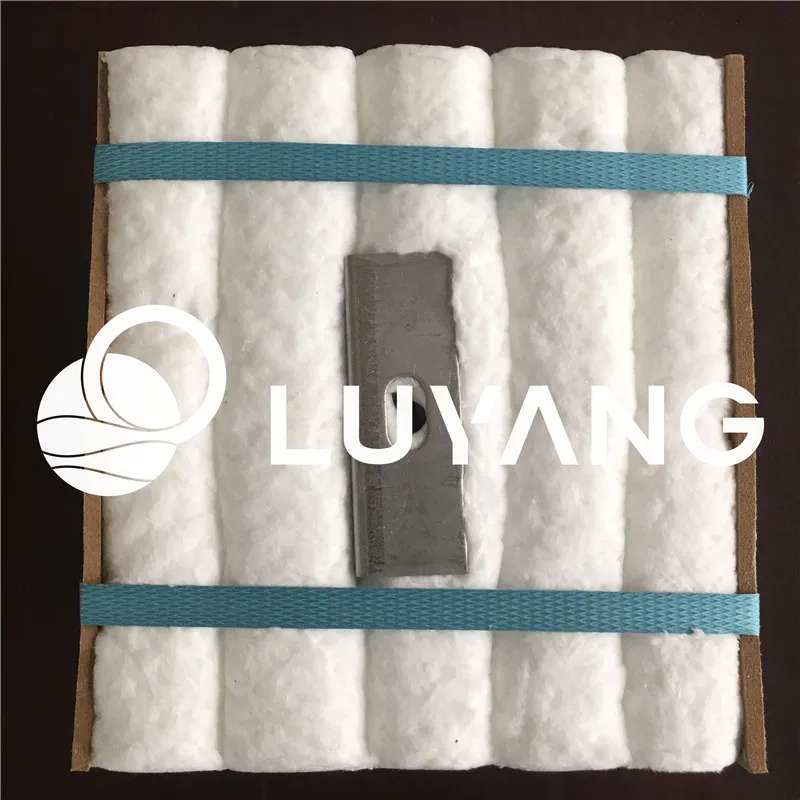
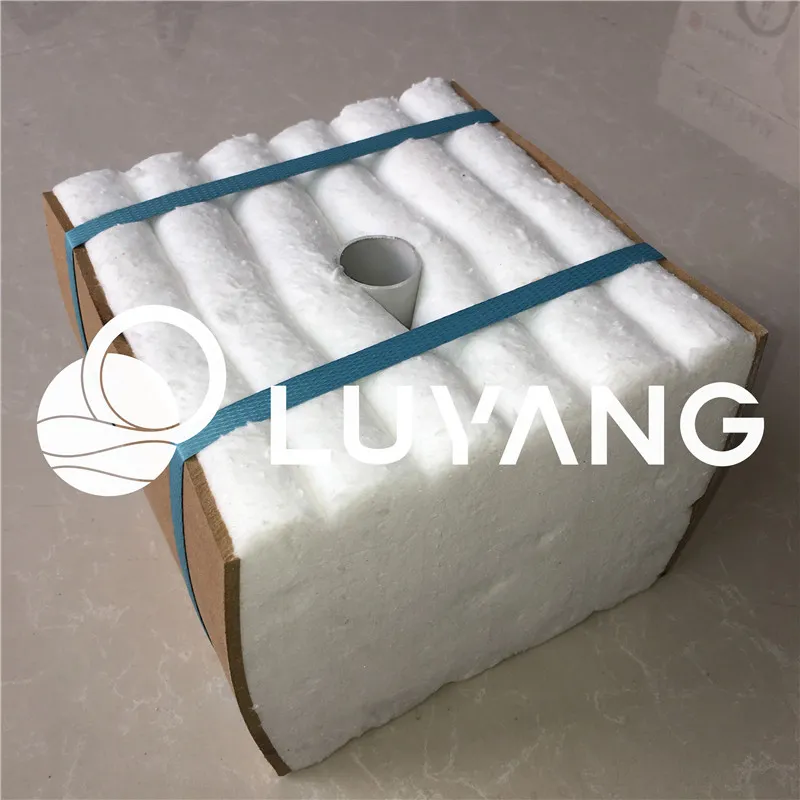
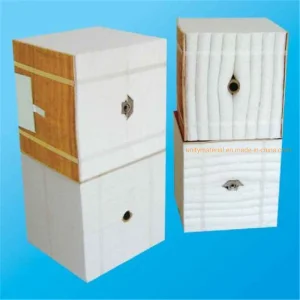
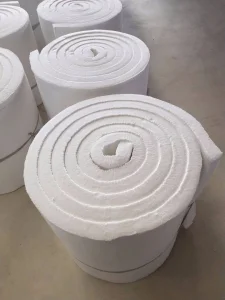
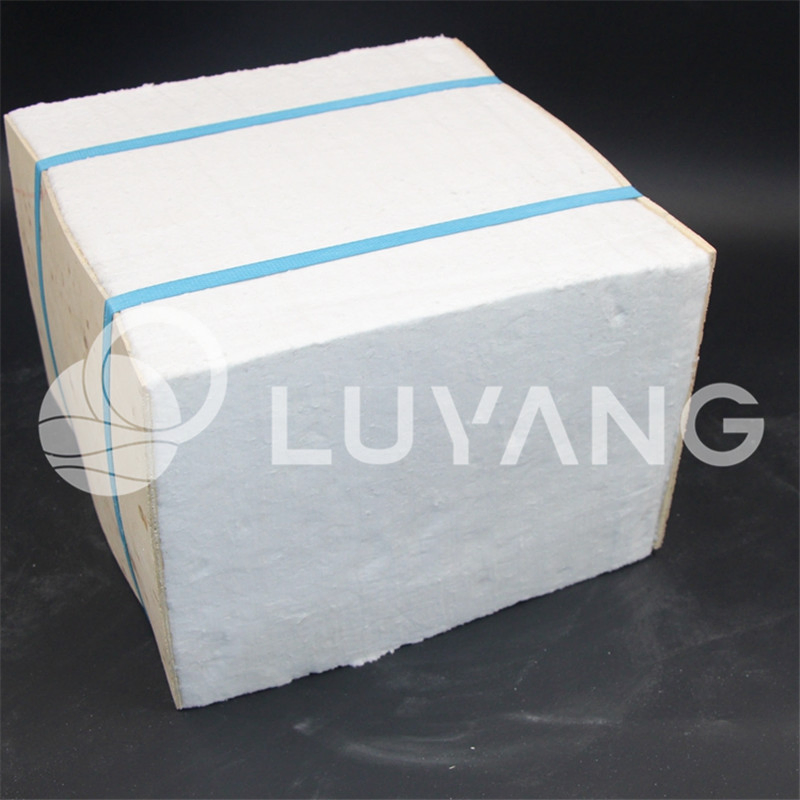
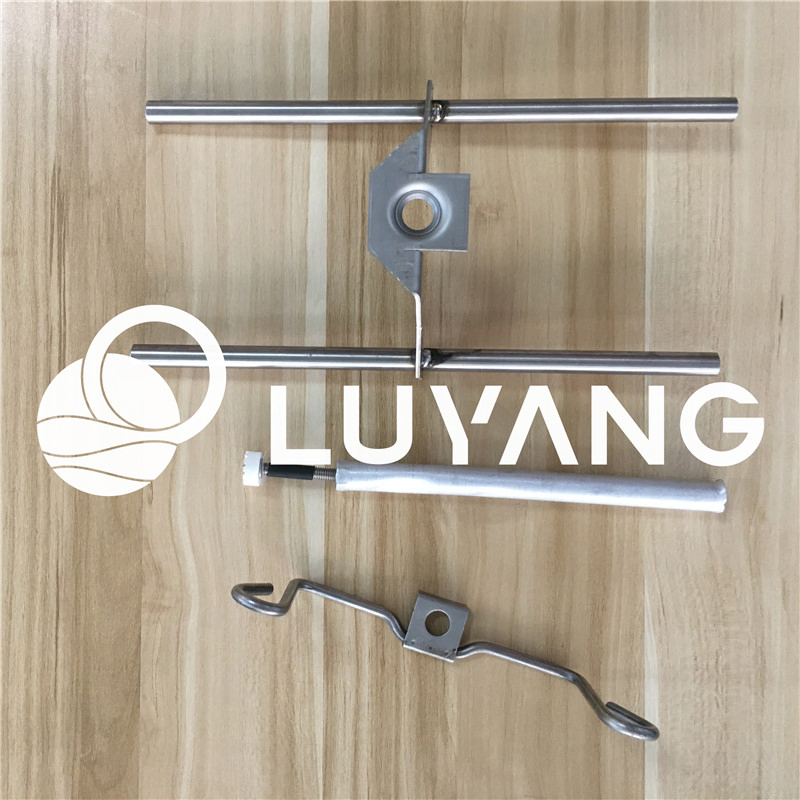
Luyangwool® ceramic fiber module is made from compressed ceramic fiber blanket. The module is specially designed to meet the thermal insulation requirements of industrial furnaces in some special thermal conditions. Luyangwool® ceramic fiber module is produced with various anchoring systems to enable quick, easy and efficient installation in most furnace linings. Ceramic fiber module linings can increase the furnace productivity and reduce the maintenance costs.

Features

  • Fast and easy installation
  • Fast and easy repair
  • Fast temperature cycling
  • Low installation and repair costs
  • Low heat storage

Typical Applications

  • Petrochemical
  • Refining, iron and steel
  • Non ferrous
  • Ceramic and glass
  • Heat treatment

Typical Parameters

Description STD MODULE HP MODULE HA MODULE HZ MODULE
Classification Temp (ºC) 1260 1260 1350 1430
Al2O3 (%) ≥43 ≥44 ≥52 ≥35
SiO2 (%) ≥54 ≥55 ≥47 ≥49
Density (kg/m³) 160-220 160-220 160-220 160-220
Thermal Cond. (800ºC) 0.20 0.20 0.20 0.19
Product 1
Product 2
Product 3

Frequently Asked Questions

Q1: What is the main advantage of using ceramic fiber modules? A: They allow for faster installation, lower heat storage, and improved thermal efficiency in industrial furnaces.
Q2: What are the temperature limits for these modules? A: Classification temperatures range from 1260ºC (STD/HP) up to 1430ºC (HZ) depending on the material grade.
Q3: Are the modules easy to repair? A: Yes, the modular design allows for fast and localized repairs compared to traditional refractory linings.
Q4: What densities are available? A: Typical densities range from 160 kg/m³ to 220 kg/m³.
Q5: Can these be used in petrochemical applications? A: Absolutely, petrochemical refining is a primary application area due to the material's excellent thermal stability.
Q6: How are the modules installed? A: They are produced with various anchoring systems to facilitate quick and efficient installation on furnace shells.

Related Products