Basic Information
Model NO.
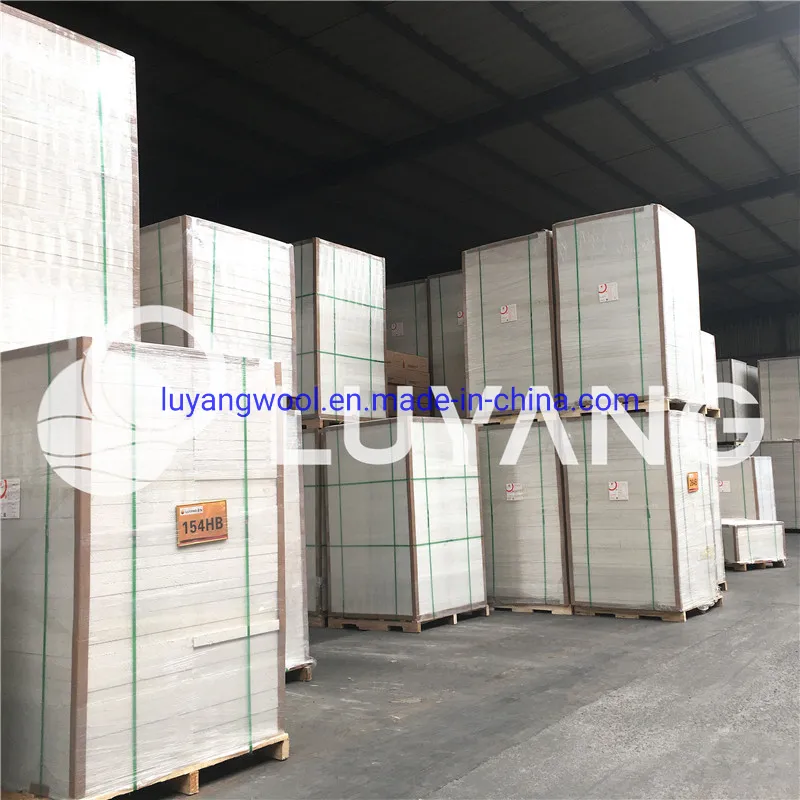
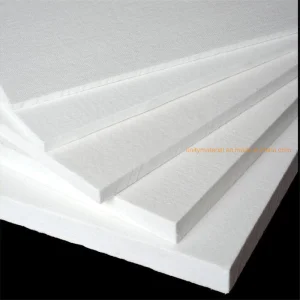
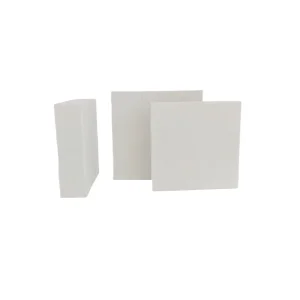
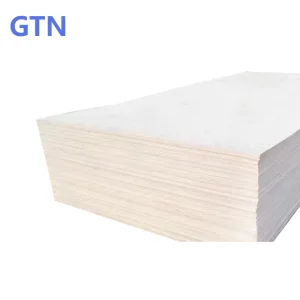
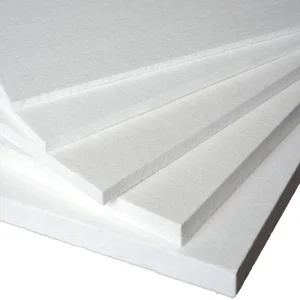
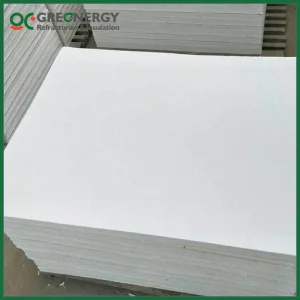
Ceramic Fiber Board
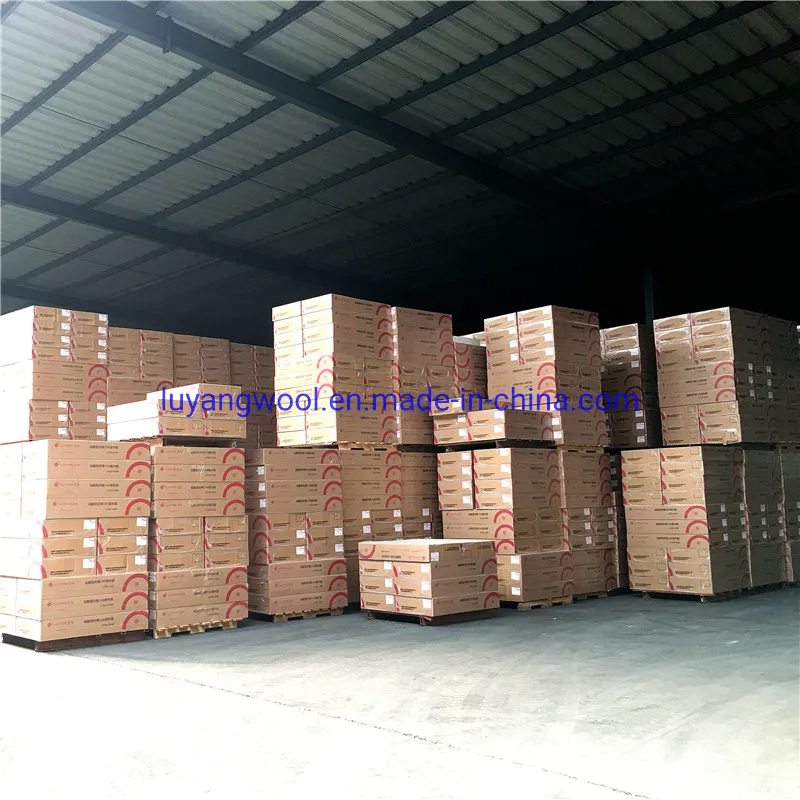
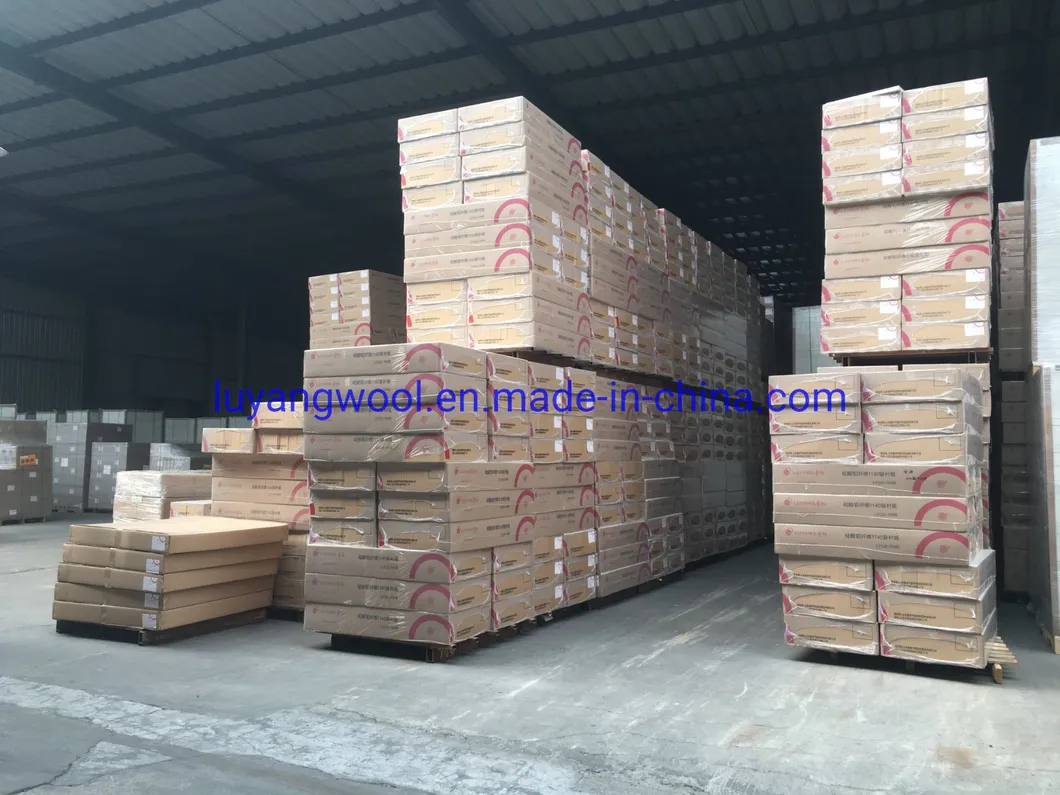
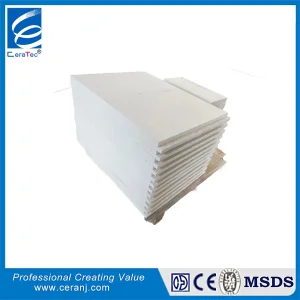
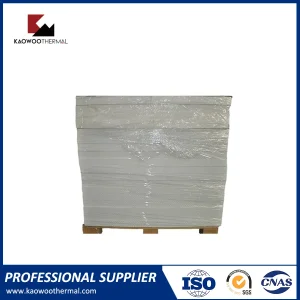
Transport Package
Carton/Pallet
Product Description
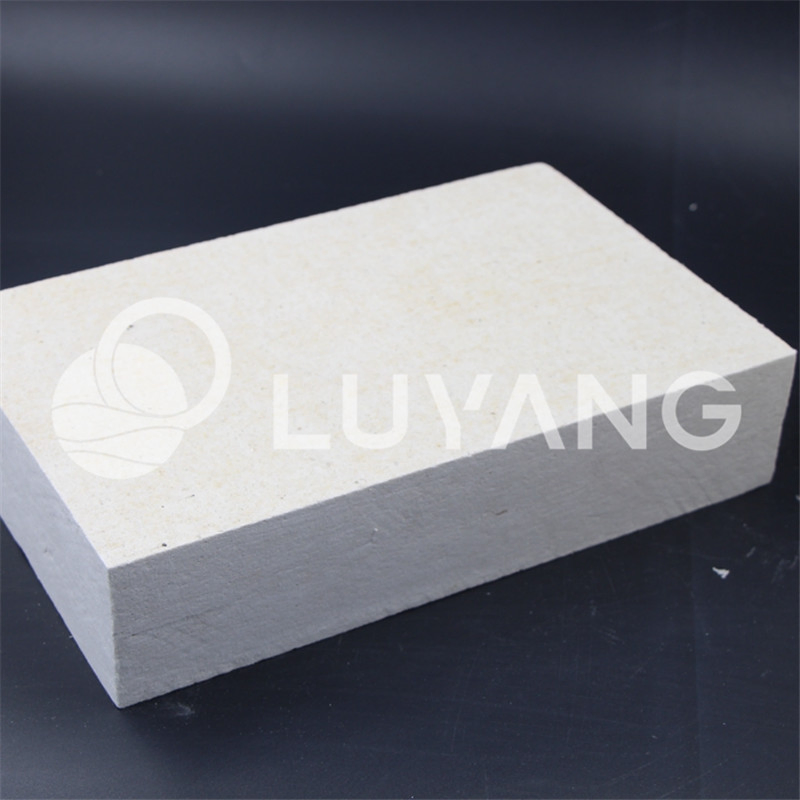
CERAMIC FIBER BOARD / RCF Board
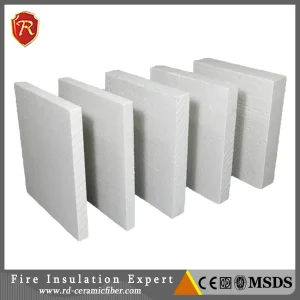
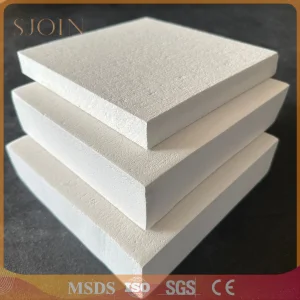
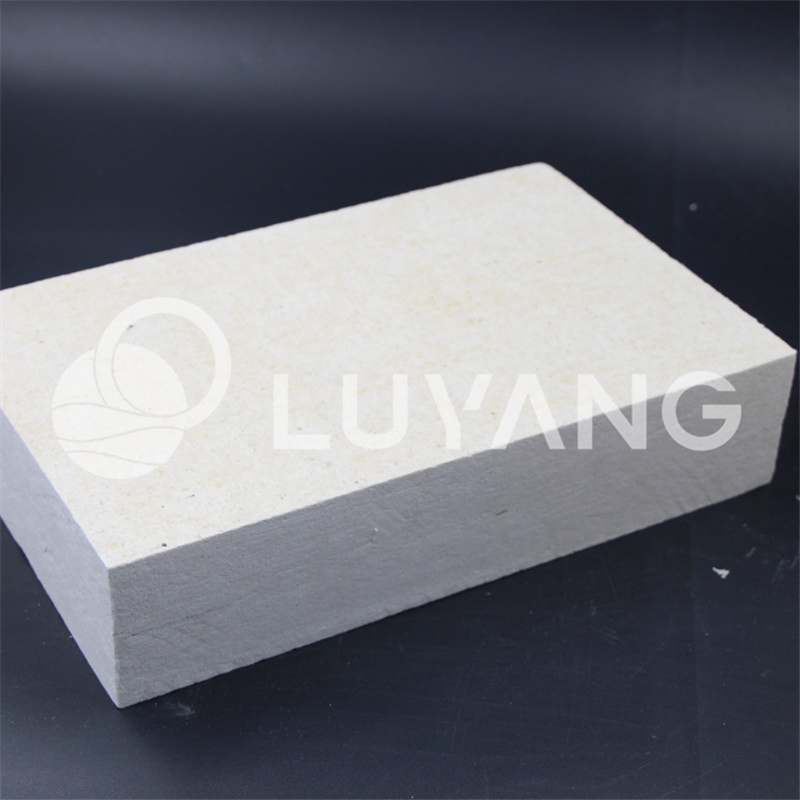
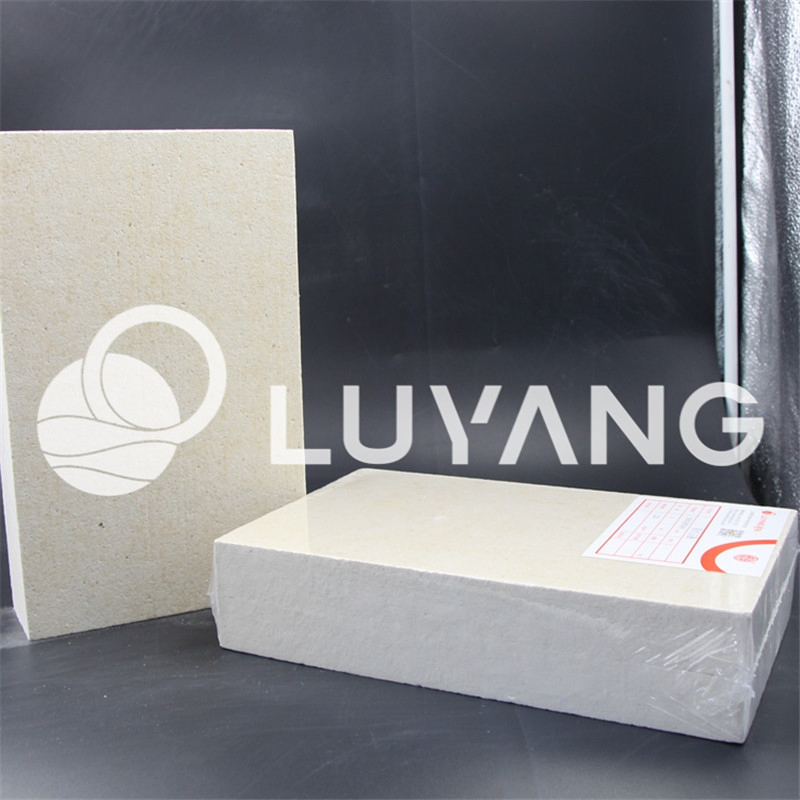
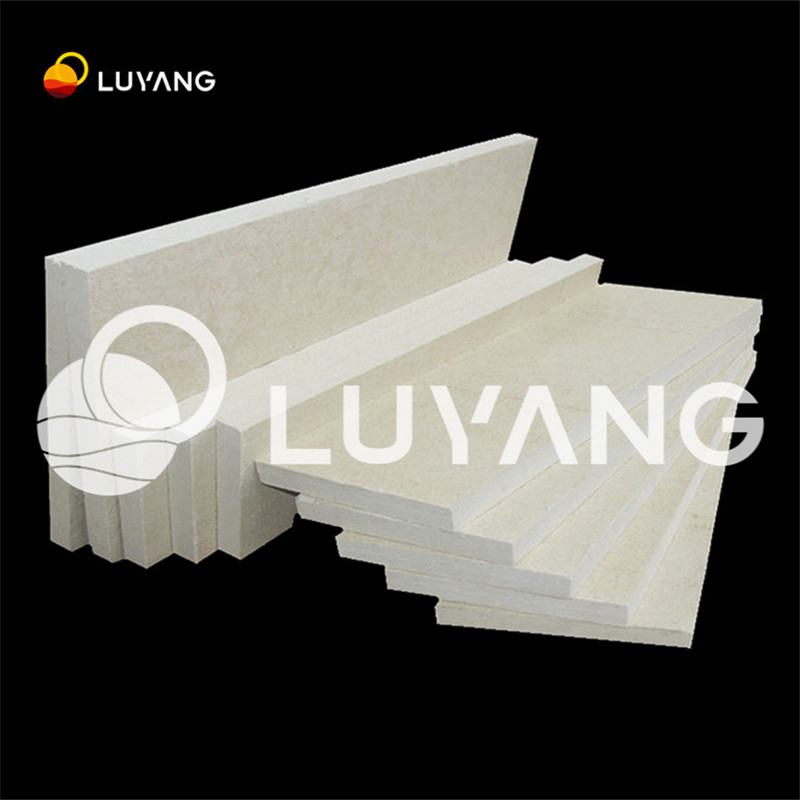
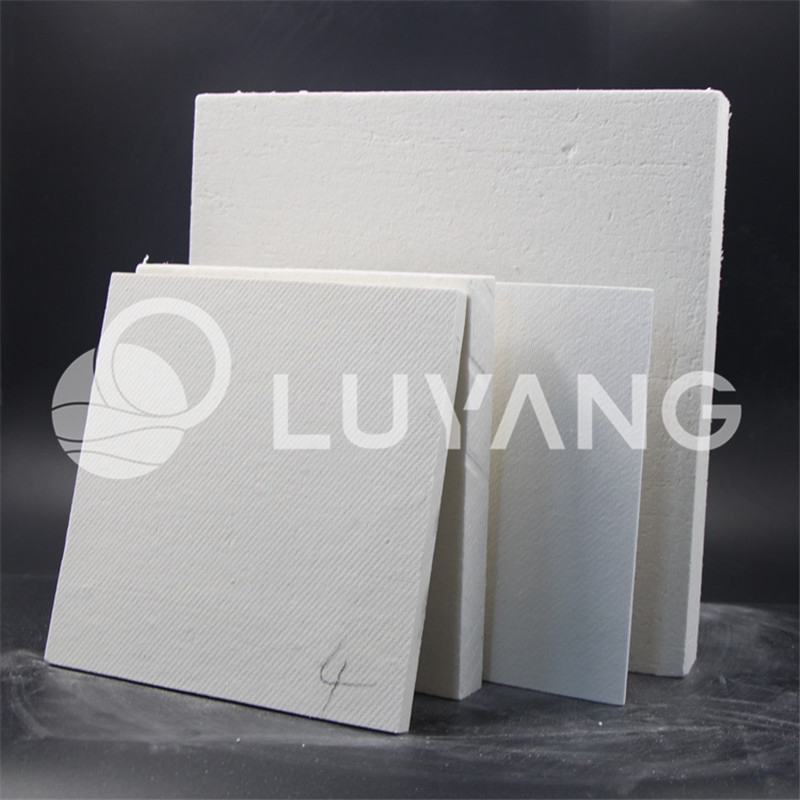
Ceramic fiber board is manufactured in a wet forming process using ceramic fiber bulk and binders. It is designed for insulation applications experiencing vibration, mechanical stress and erosive forces. It can reduce energy costs and cycling times due to high insulating capability, as well as serving to protect refractory surfaces from thermal shock and chemical attack.
Features
Excellent thermal shock resistance
Can be machined, cut and shaped easily
High rigidity and light weight
Low thermal conductivity
Low heat storage
Typical Applications
Furnace hot face lining in petrochemical furnace
Furnace hot face lining in ceramic kiln
Board over blanket hot face lining
Back-up insulation to brick & castable
Expansion joints
Technical Parameters
| Description |
STD BOARD |
HP BOARD |
HA BOARD |
HZ BOARD |
| Classification Temp (ºC) |
1260 |
1260 |
1350 |
1430 |
| Color |
White |
White |
White |
White |
| Density (kg/m³) |
250/300/360 |
250/300/360 |
300/360 |
300/360 |
| Modulus of Rupture (MPa) |
≥0.3 |
≥0.3 |
≥0.3 |
≥0.3 |
| Thermal Conductivity (600ºC) |
0.11 |
0.10 |
0.10 |
0.09 |
Frequently Asked Questions
What is the maximum temperature Ceramic Fiber Board can withstand?
Depending on the grade (STD, HP, HA, or HZ), the classification temperature ranges from 1260ºC to 1430ºC.
Can the board be easily customized on-site?
Yes, ceramic fiber boards are designed to be easily machined, cut, and shaped using standard tools to fit specific furnace requirements.
What are the primary benefits of using these boards over traditional bricks?
They offer much lower thermal conductivity and heat storage, are significantly lighter, and provide superior thermal shock resistance.
Are these boards resistant to chemical attack?
Yes, ceramic fiber boards serve to protect refractory surfaces from both thermal shock and various chemical attacks in industrial environments.
What industries typically use this insulation?
They are widely used in petrochemical furnaces, ceramic kilns, and other high-temperature industrial heating equipment.
How is the board packaged for transport?
The products are typically secured in cartons or on pallets to ensure stability and safety during international shipping.
 FibroCeram Materials