1 / 5
 FibroCeram Materials
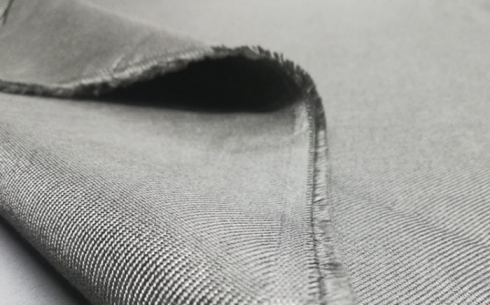
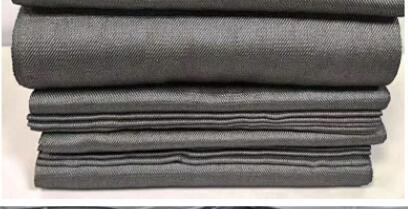
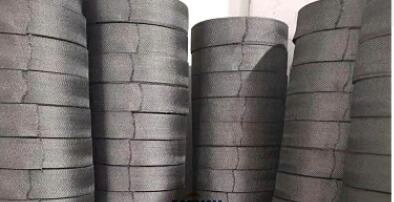
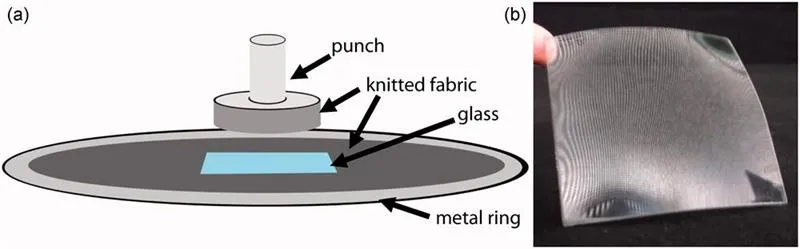
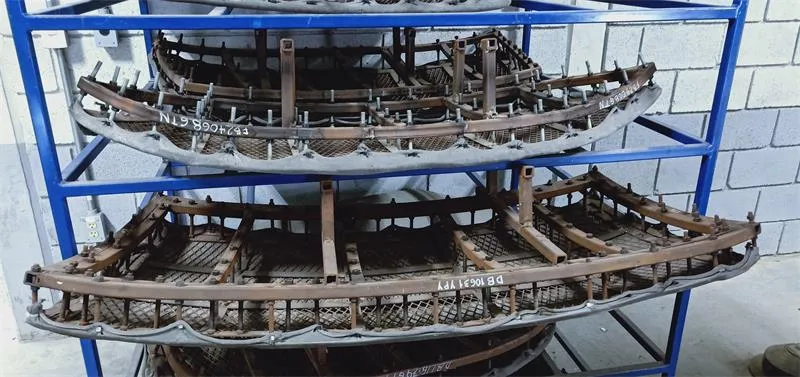
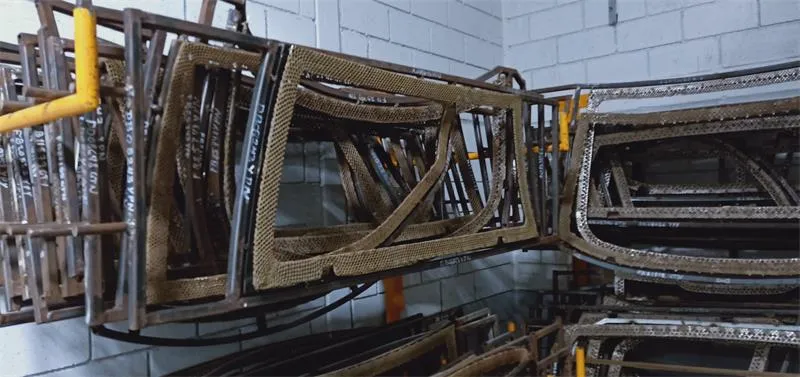
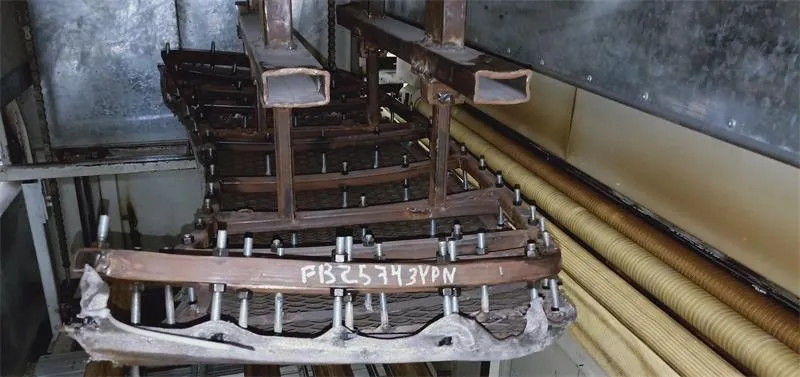
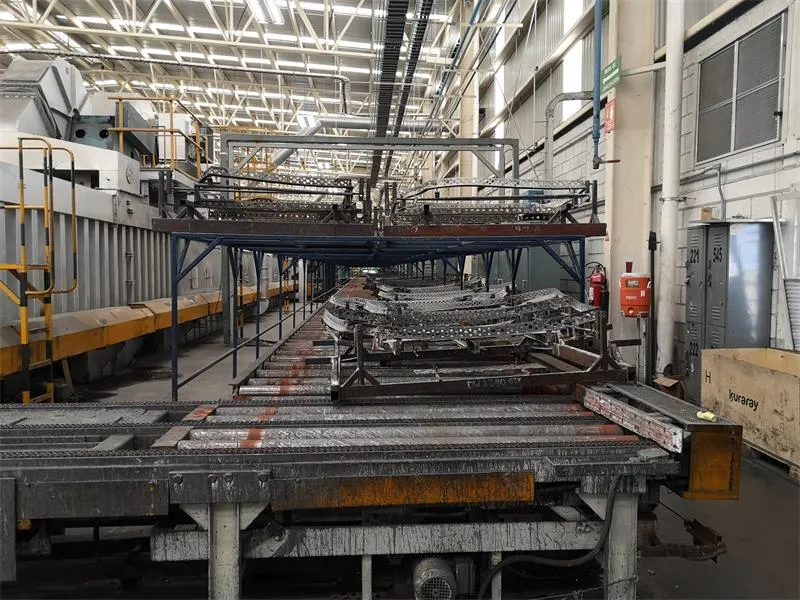
Glass Mould Textiles are widely used in the production of glass having complex curvatures, such as automotive windshields and bottles. These thermal resistant textiles are applied as a buffer layer between hot soft glass and tools to prevent optical defects and scratches.
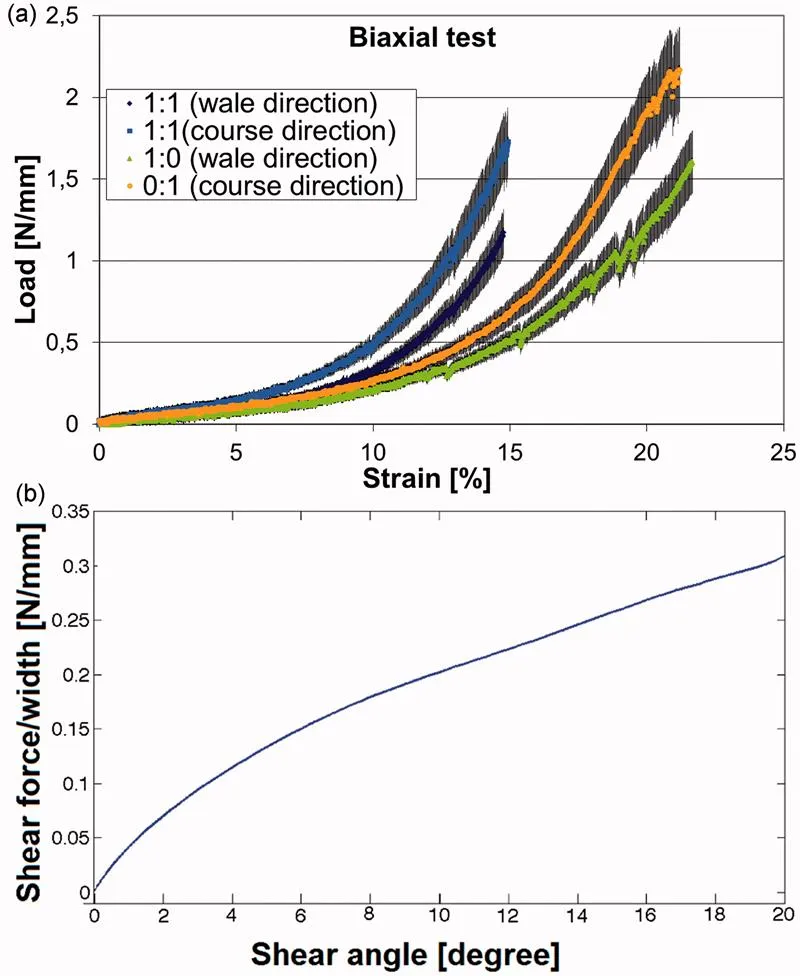
Thermal resistant textiles are made of stainless steel fiber which provides excellent mechanical properties, especially impact durability, flexibility, and air permeability in environments of approximately 700ºC.
| Description | Material | Application | Features |
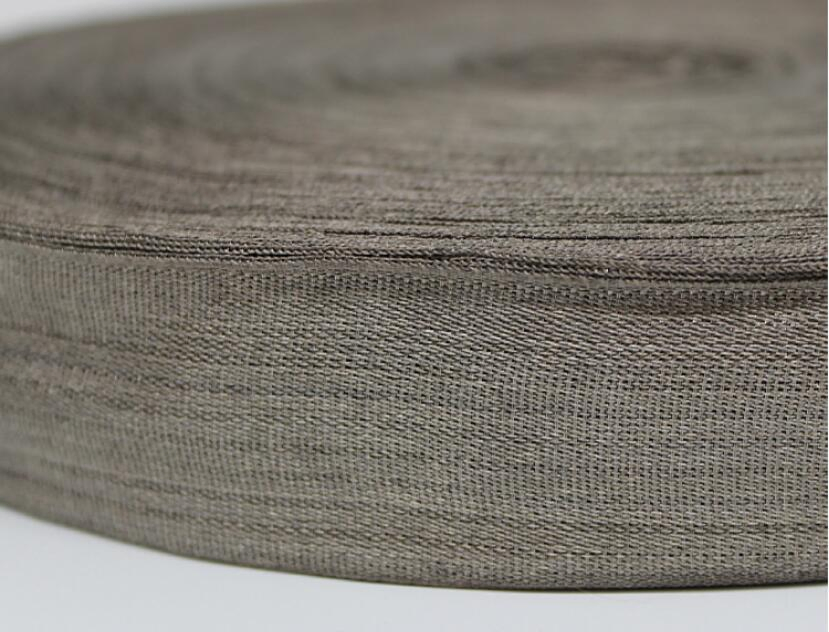
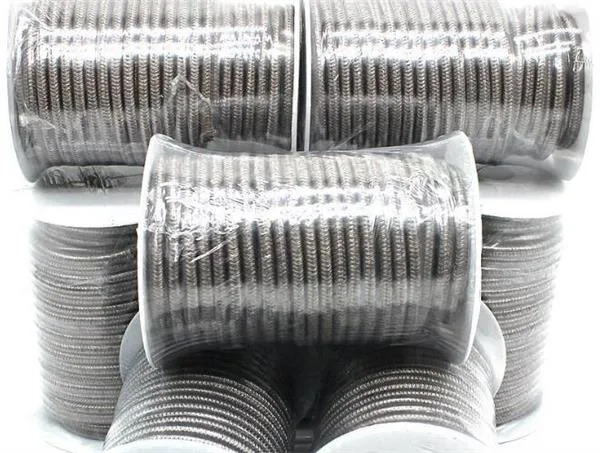
| SS Fiber Cloth/Sleeve | 316L Stainless Steel | Mould cloth for tempered glass; automotive glass cover plate | Wear & cutting resistant; Low elongation; Acid & alkali resistance |
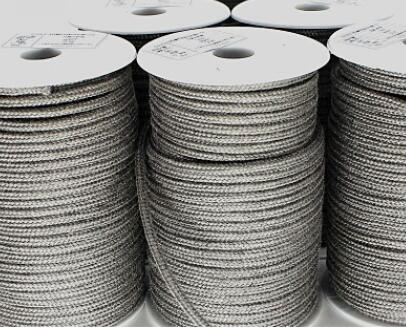
| Anti-static SS Rope | Conductive yarn / 316L SS | Paper machinery, printing, packaging, coating | Strong conductivity; Eliminates 99% of static; Low resistance |
Standard 316L stainless steel textiles withstand 600-700°C, while Fecralloy versions can handle up to 900-1000°C.
Yes, the stainless steel fiber ropes and tapes are highly conductive and can eliminate up to 99% of static electricity in industrial machinery.
They are primarily used in automotive glass molding, bottle manufacturing, printing, textile machinery, and high-temperature filtration.
Yes, being made of 316L stainless steel, they offer excellent resistance to various chemicals, including nitric acid (HNO3) and organic solvents.
Woven belts are available in widths from 4mm to 120mm, and sleeves can be produced with inner diameters from 10mm to 120mm.
They act as a soft, thermal-resistant buffer layer between the hot glass and the mold tools, preventing scratches and optical marks during the bending process.