FibroCeram Materials FibroCeram Materials
Heat Resistant Ceramic Fibre Module

Still deciding? Get samples of $ !
Request Sample

Product Description

📋

Basic Specifications

Model NO.
Z-1260
Chemical Composition
SiO2, SiC, Al2O3.SiO2, Al2O3
Shape
Ceramic Fiber Plate
Standard Density
96, 128, 160 Kg/M3
Classification Temp
1260°C
Color
White
Features
No Asbestos, Low Thermal Conductivity
📘

Product Description

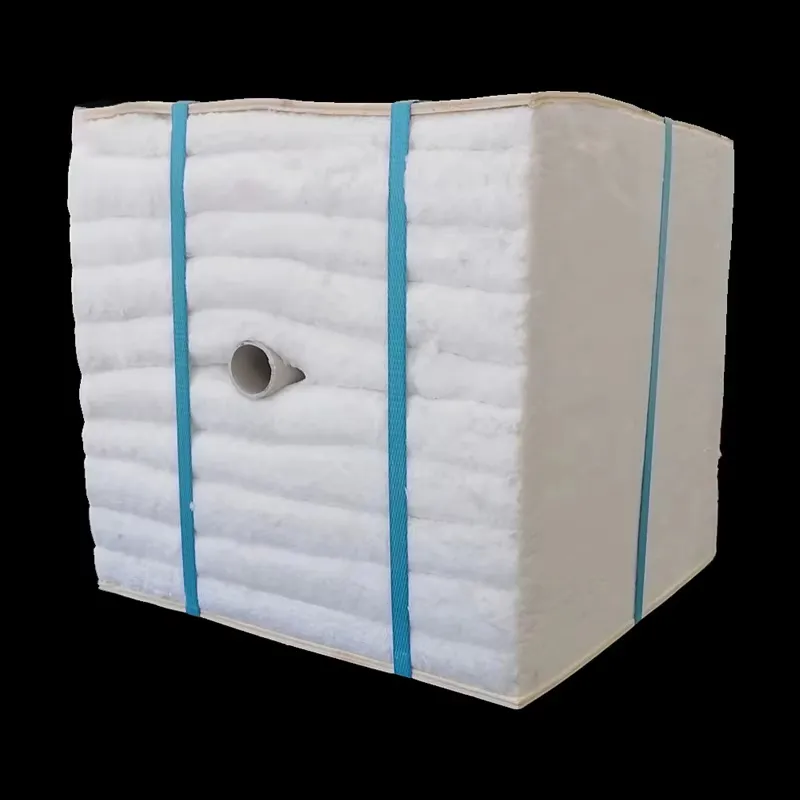
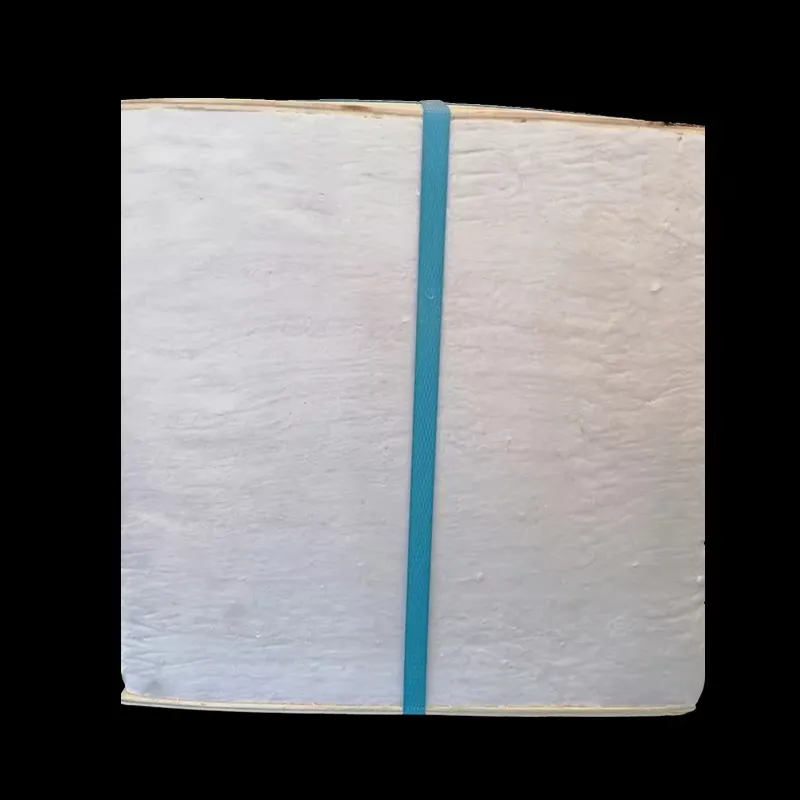
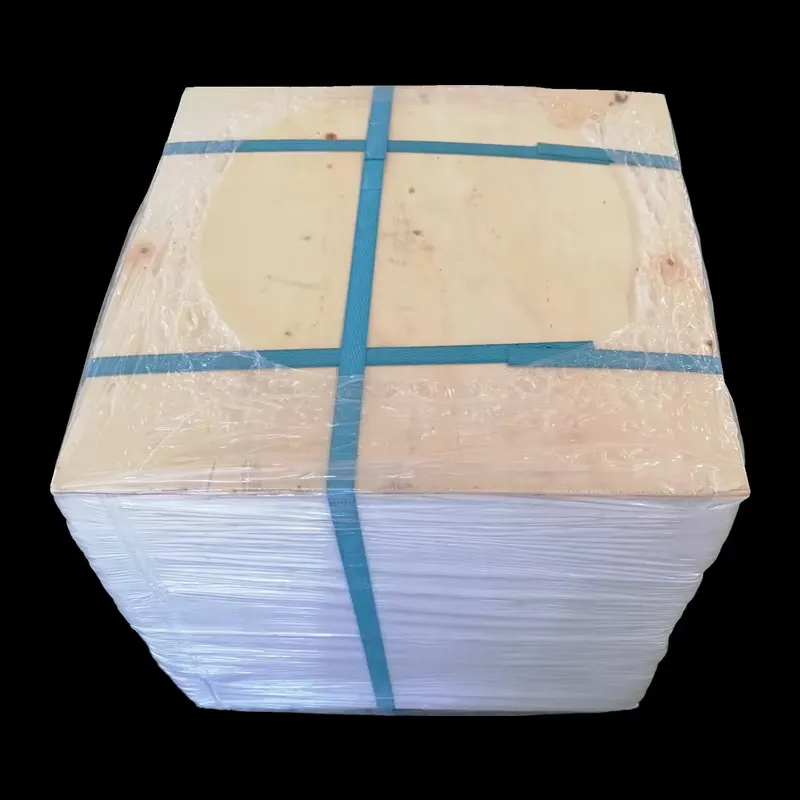
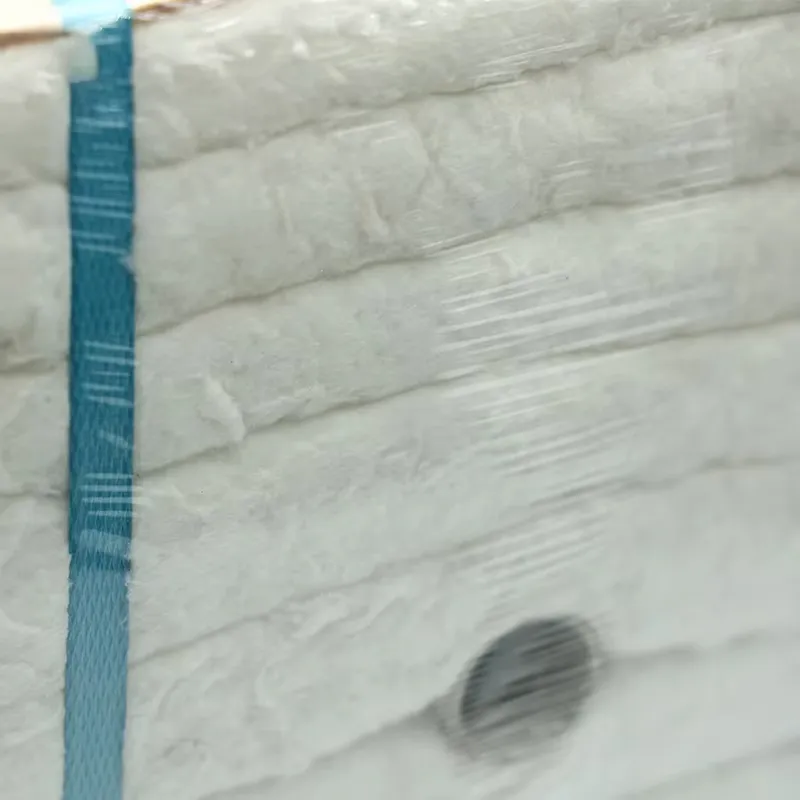
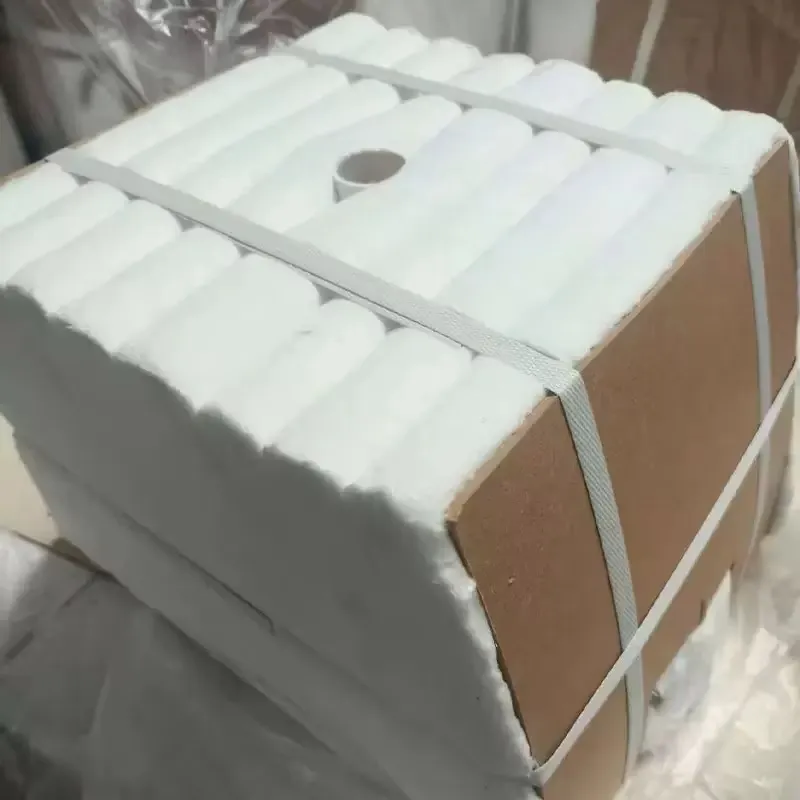
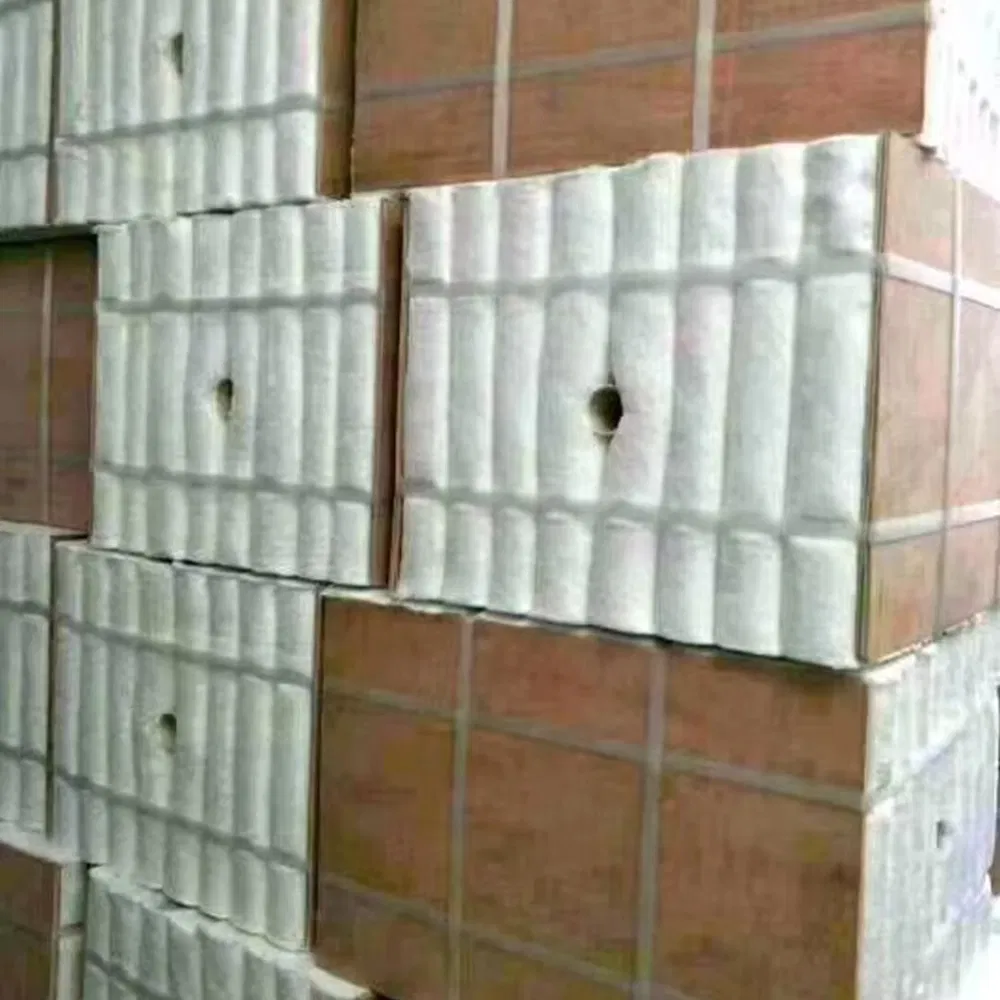
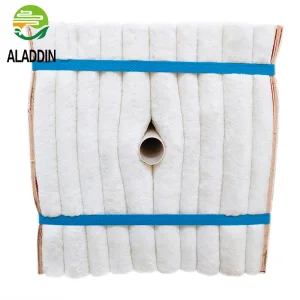
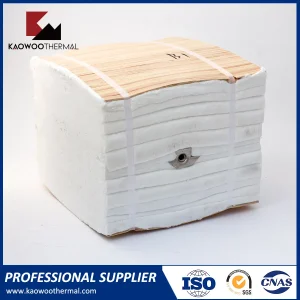
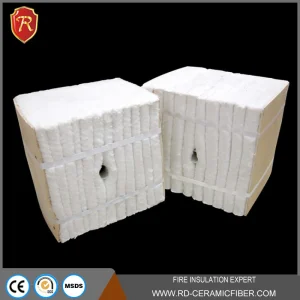
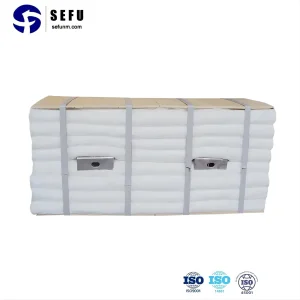
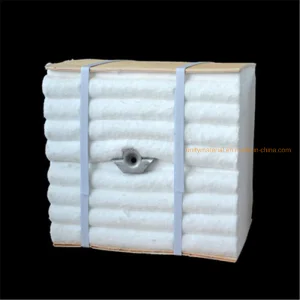
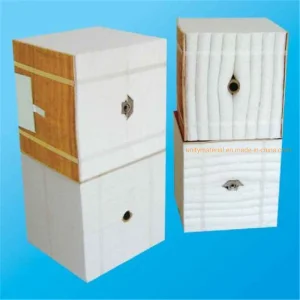
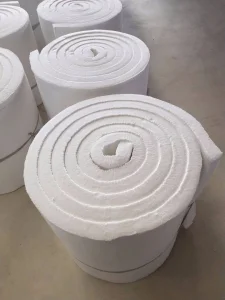
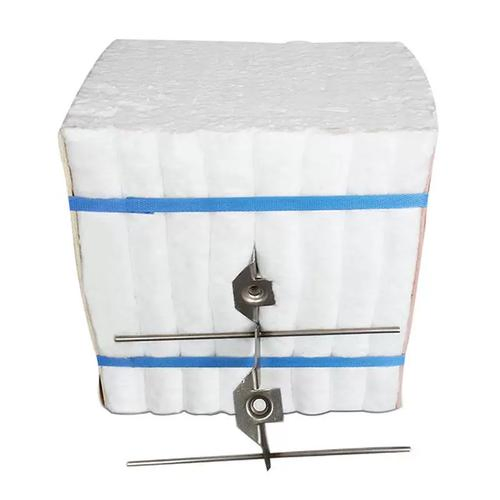
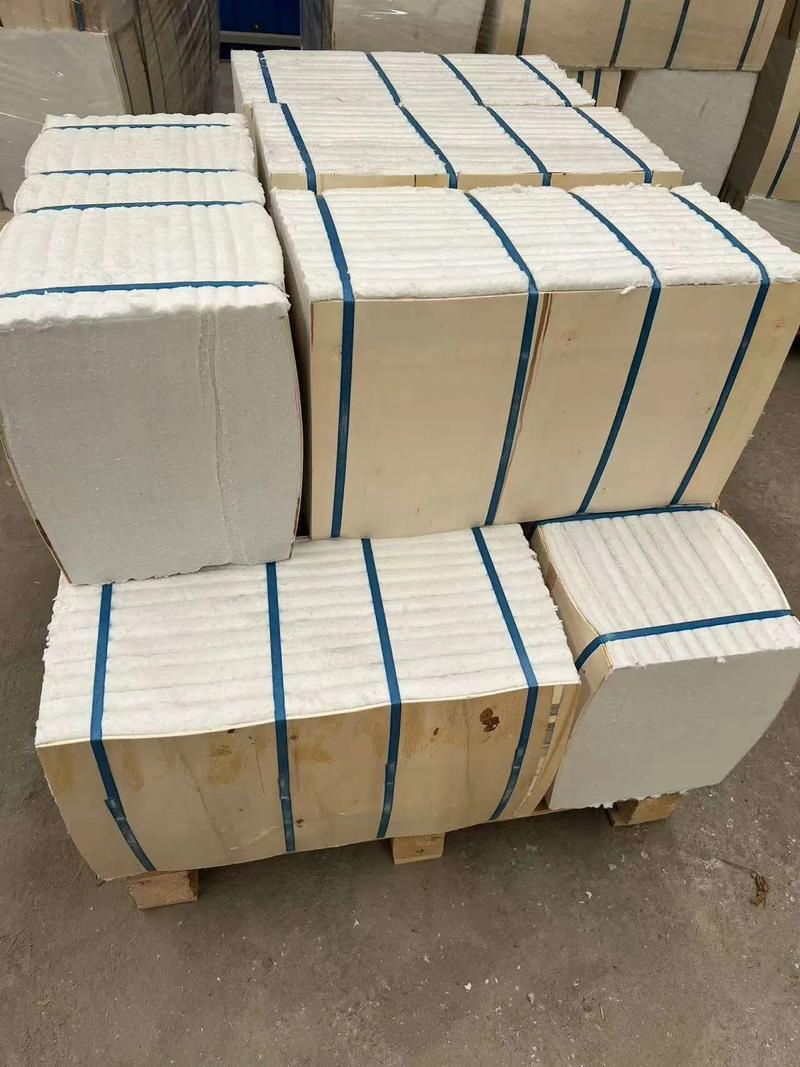
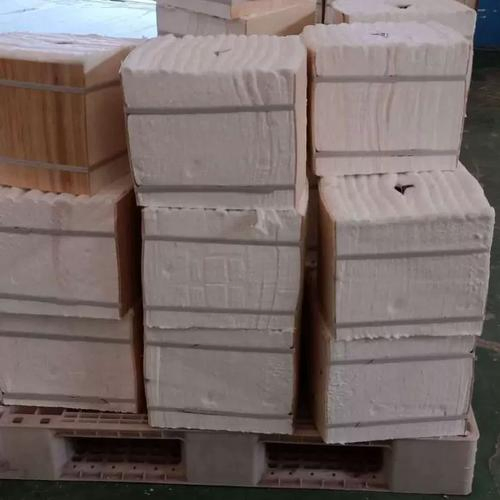
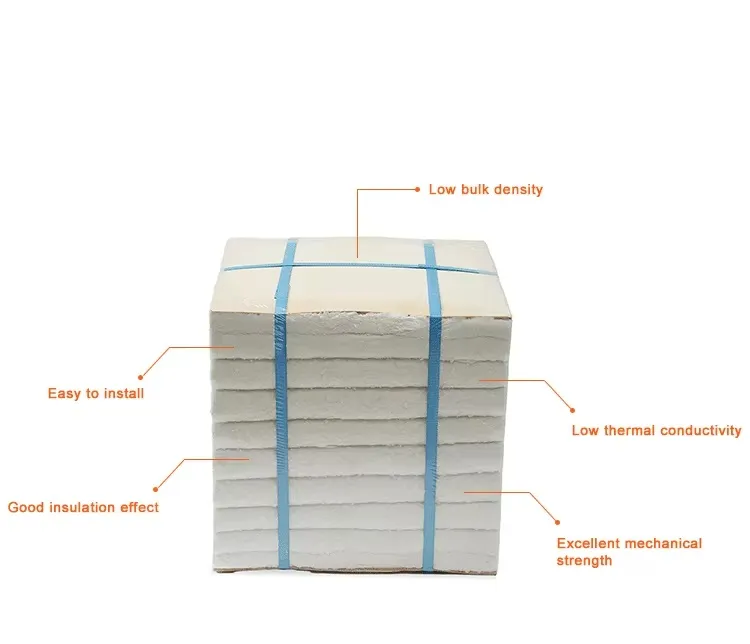
Ceramic fiber modules are made from compressed ceramic fiber blanket. These modules are specially designed to meet or improve the thermal insulation requirements of industrial furnaces in some special thermal conditions. The fiber modules are produced with various anchoring systems to enable quick, easy and efficient installation in most furnace linings.
Ceramic Fibre Module Overview

Key Features

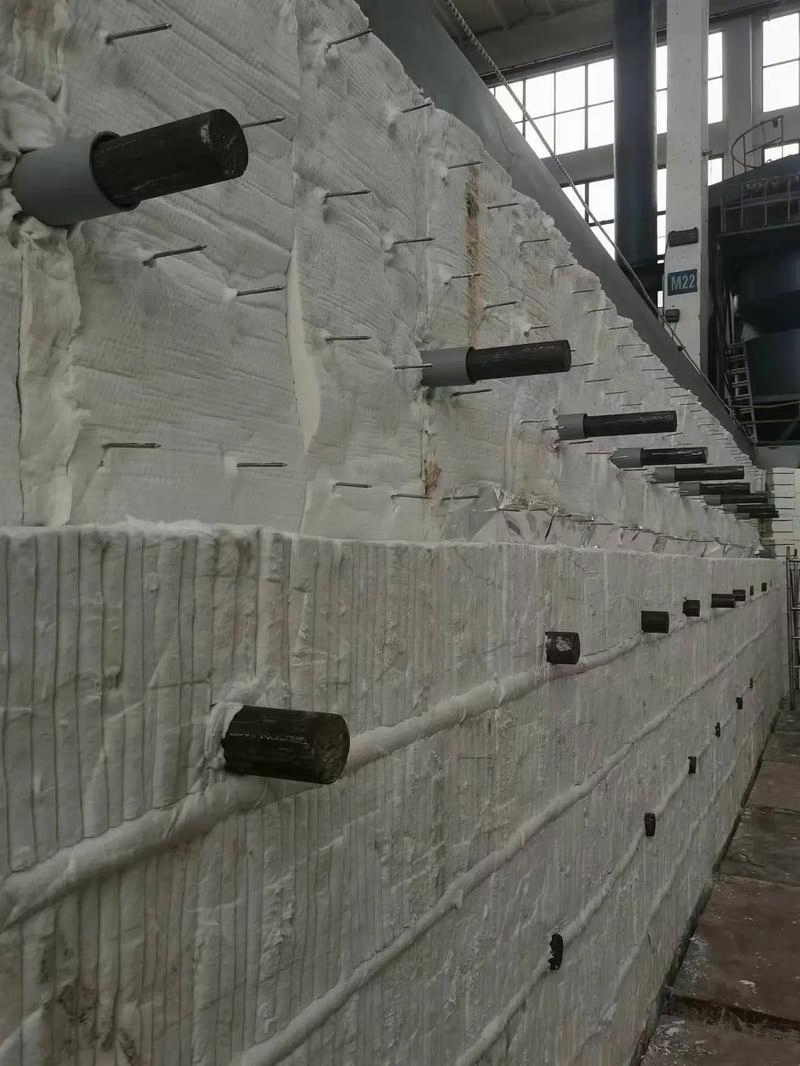
The anchor on the back allows both in-line and parquet installation.
Decompression of folds ensures tightly sealed intermodular joints.
Resilient blanket construction is resistant to mechanical damage.
Low thermal conductivity provides superior thermal efficiency.
Total resistance to thermal shock; no drying or curing required.
📷

Detailed Photos

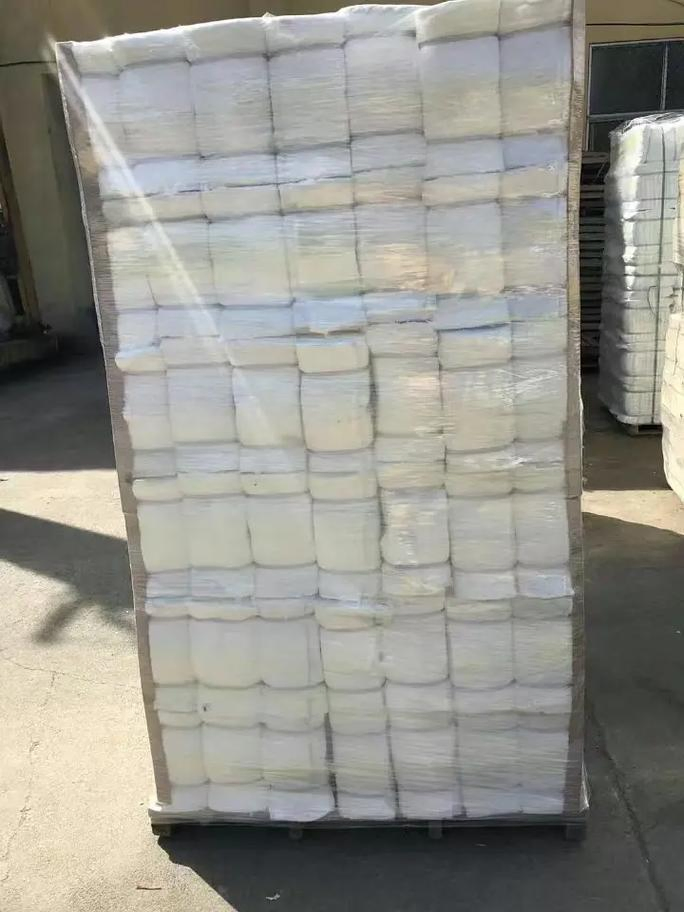
Module Detail 1
Module Detail 2
Module Detail 3
Module Detail 4
Module Detail 5
Module Detail 6
📊

Product Parameters

Type 1050 Common 1260 1350 1450
Operating Temp (ºC) 950°C 1150°C 1250°C 1350°C
Bulk Density (kg/m3) 64 / 96 / 128 / 160
Al2O3 (%) 44 44-46 52-55 39-40
🏗️

Industrial Applications

  • Petrochemical and cracking furnaces
  • Steel industry: annealing and roller hearth furnaces
  • Aluminum industry hot furnaces
  • Ceramic industry: tunnel and intermittent kilns
  • Waste recycling and combustion chambers
  • High-end household insulation devices
Application Scenarios

Frequently Asked Questions

Q1: What are the main advantages of using ceramic fiber modules? A: They offer low thermal conductivity, high thermal efficiency, and are resistant to thermal shock, allowing for immediate production use after installation.
Q2: Do these modules require a drying period? A: No, ceramic fiber modules do not require drying or curing, which significantly reduces downtime for industrial furnaces.
Q3: Are customized sizes available for specific projects? A: Yes, we support customized services with thicknesses ranging from 6mm up to 50mm to meet specific project requirements.
Q4: How do the modules prevent heat loss? A: The modules are compressed during production so that they expand and squeeze against each other after installation, creating a seamless, tight seal.
Q5: Can these modules be used in the petrochemical industry? A: Absolutely. They are widely used in petrochemical furnaces, cracking furnaces, and other high-temperature industrial environments.

Related Products