Product Description
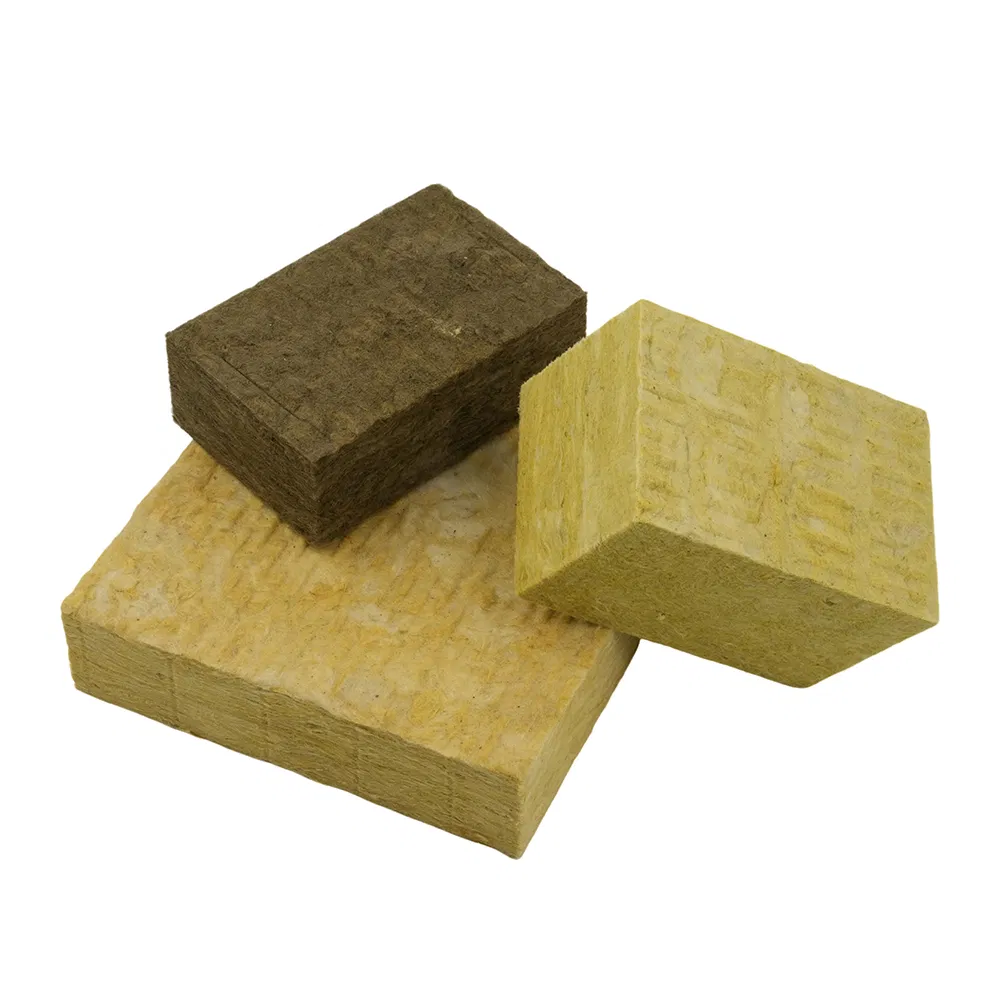
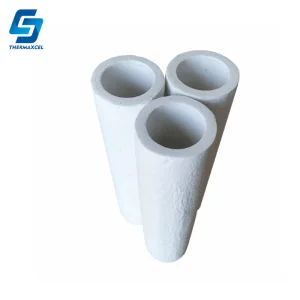
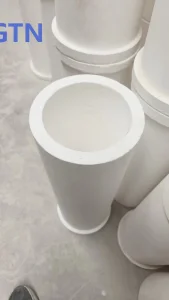
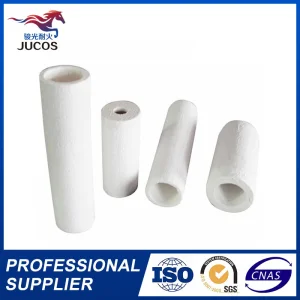
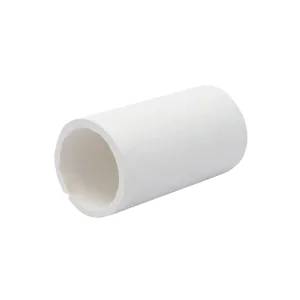
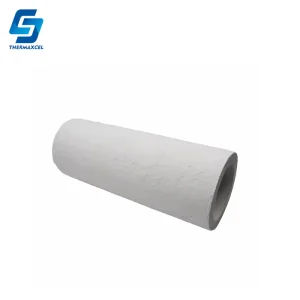
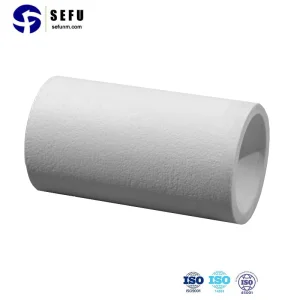
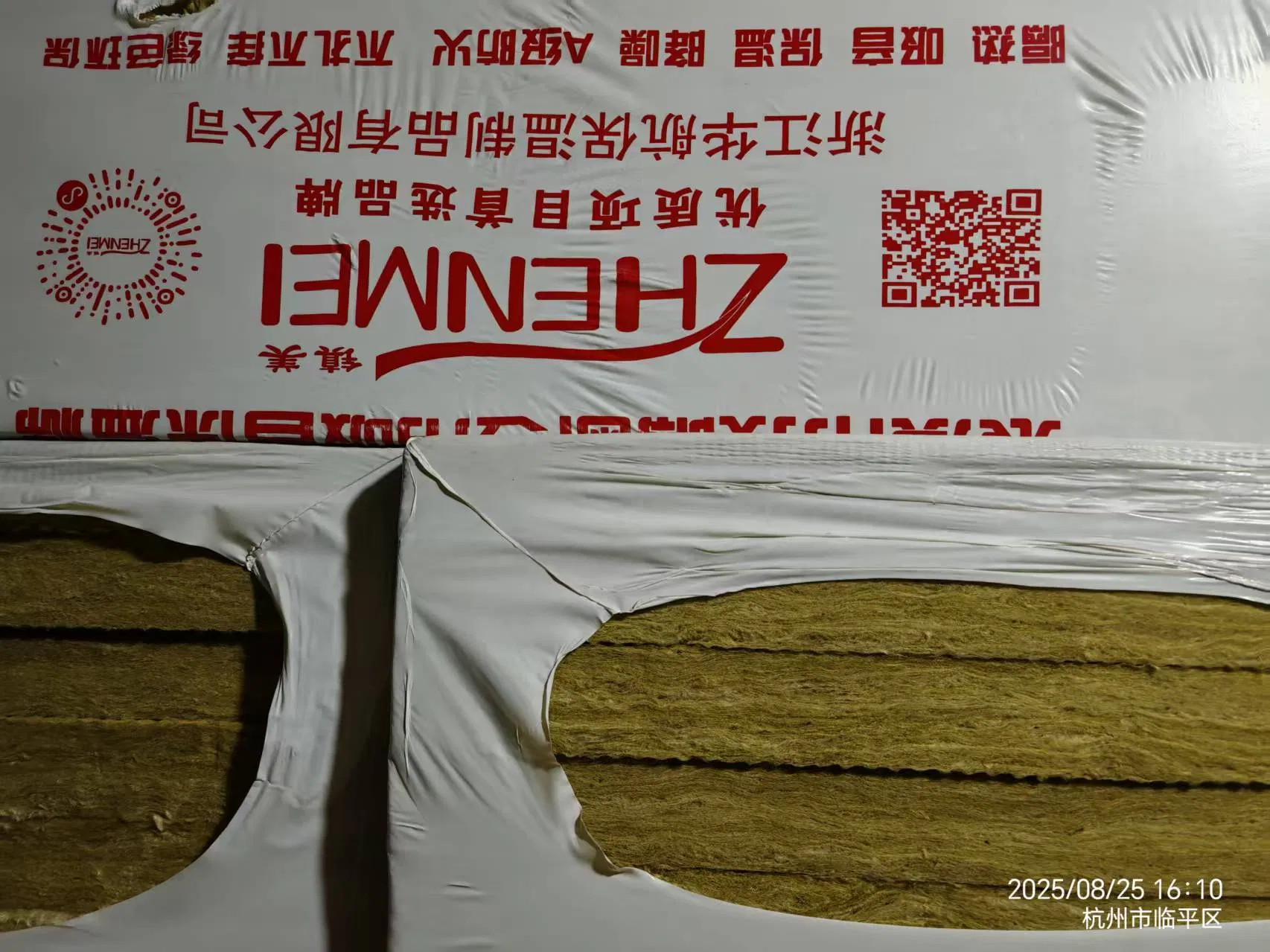
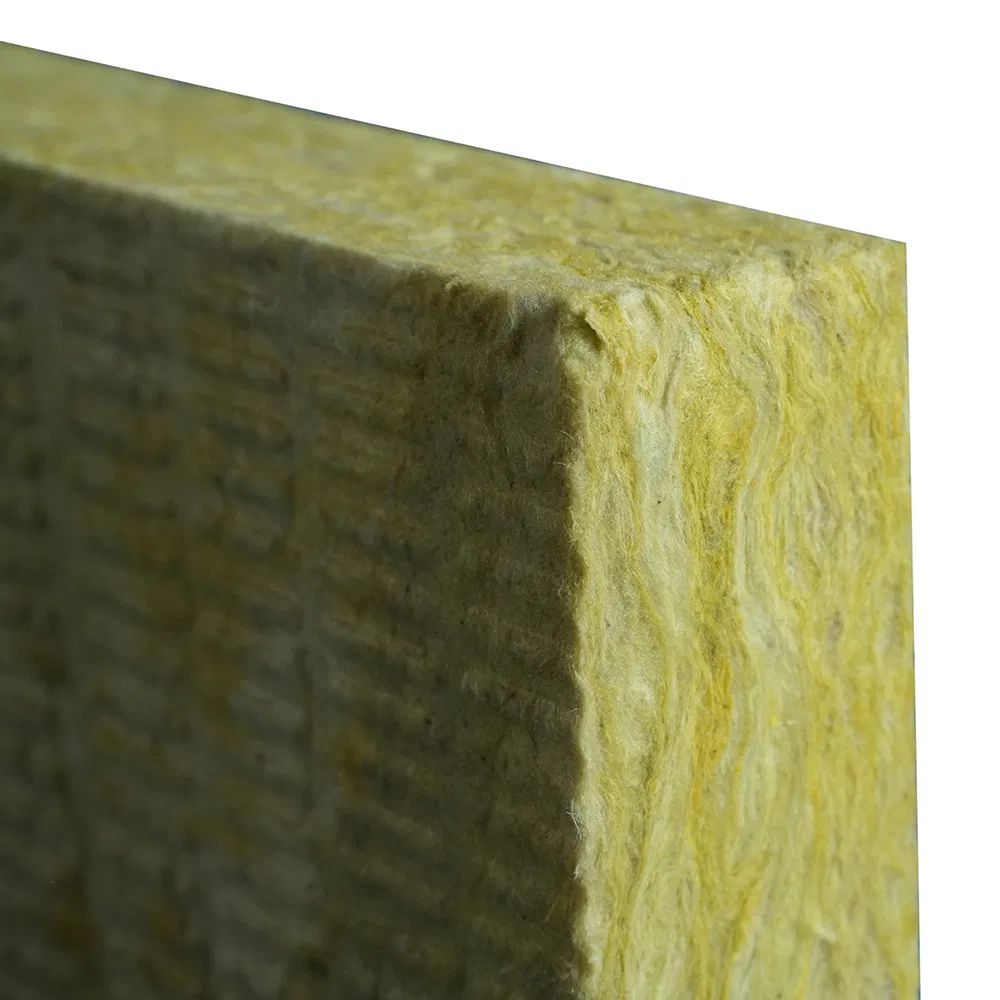
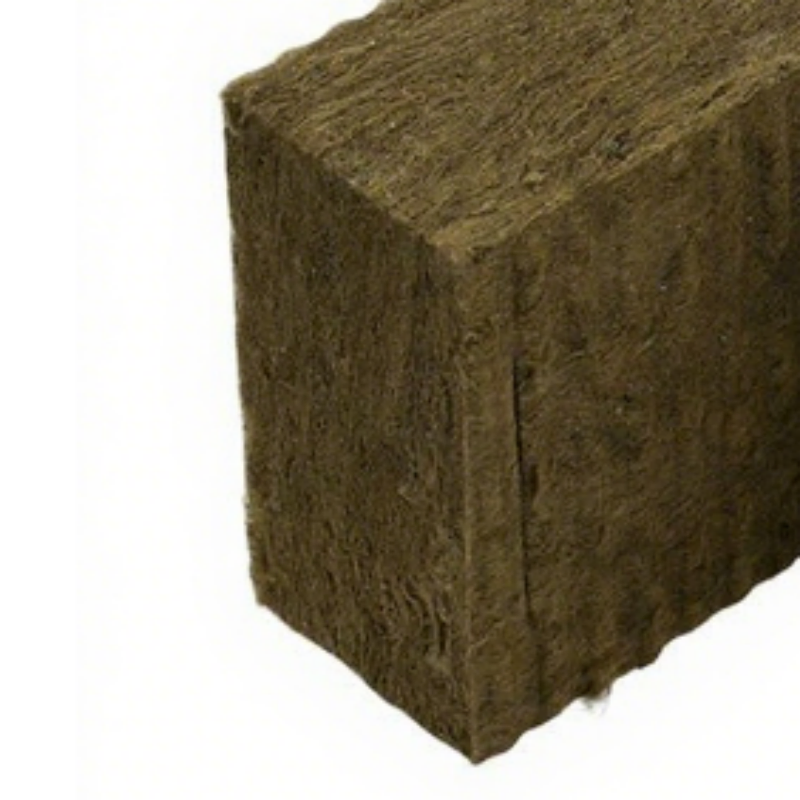
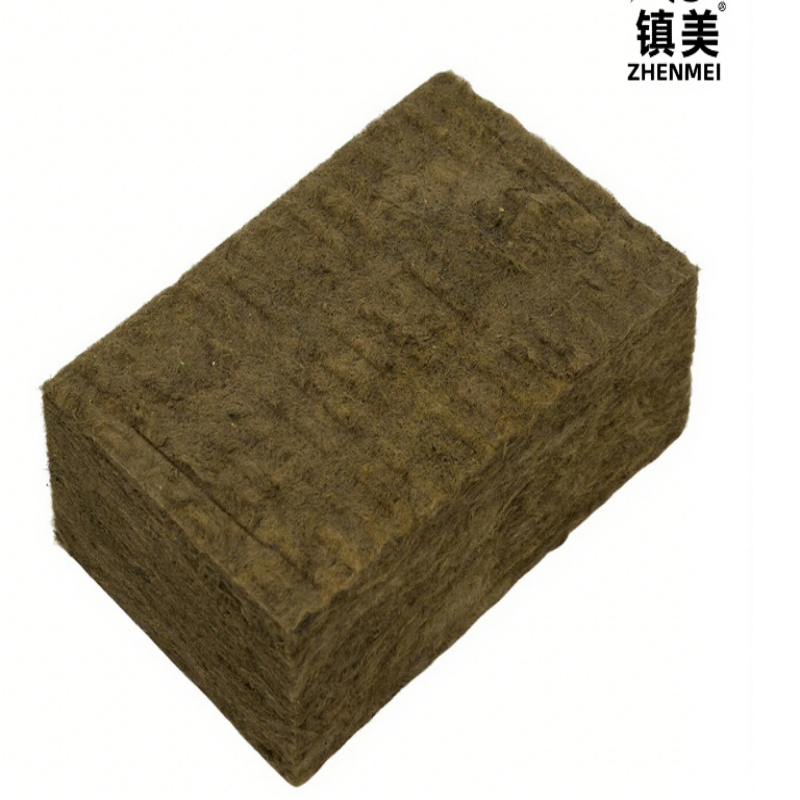
Rock wool is primarily manufactured from natural ores such as basalt and dolomite as the core raw materials, combined with appropriate amounts of coke, limestone, and other auxiliary materials. Under extreme temperatures of 1450℃ or higher, these materials are completely melted. Using advanced four-axis centrifuges, the melt is stretched into fine fibers through high-speed centrifugal force. During this process, specific amounts of binder, dust-suppressing oil, and water-repellent agents are applied. The fibers are then collected and processed using a three-dimensional pendulum method before being cured and cut into various specifications.
| Characteristics | Durable, Easy to Install, Fireproof, Flame Retardant, Heat Insulation, Noise Reduction |
| Material Composition | Basalt rock, slag, and binder |
| Thermal Conductivity | ~0.035-0.042 W/m·K |
| Sound Absorption | NRC 0.75-0.95 |
| Water Repellency | Hydrophobic |
| Density | 40-200 kg/m³ |
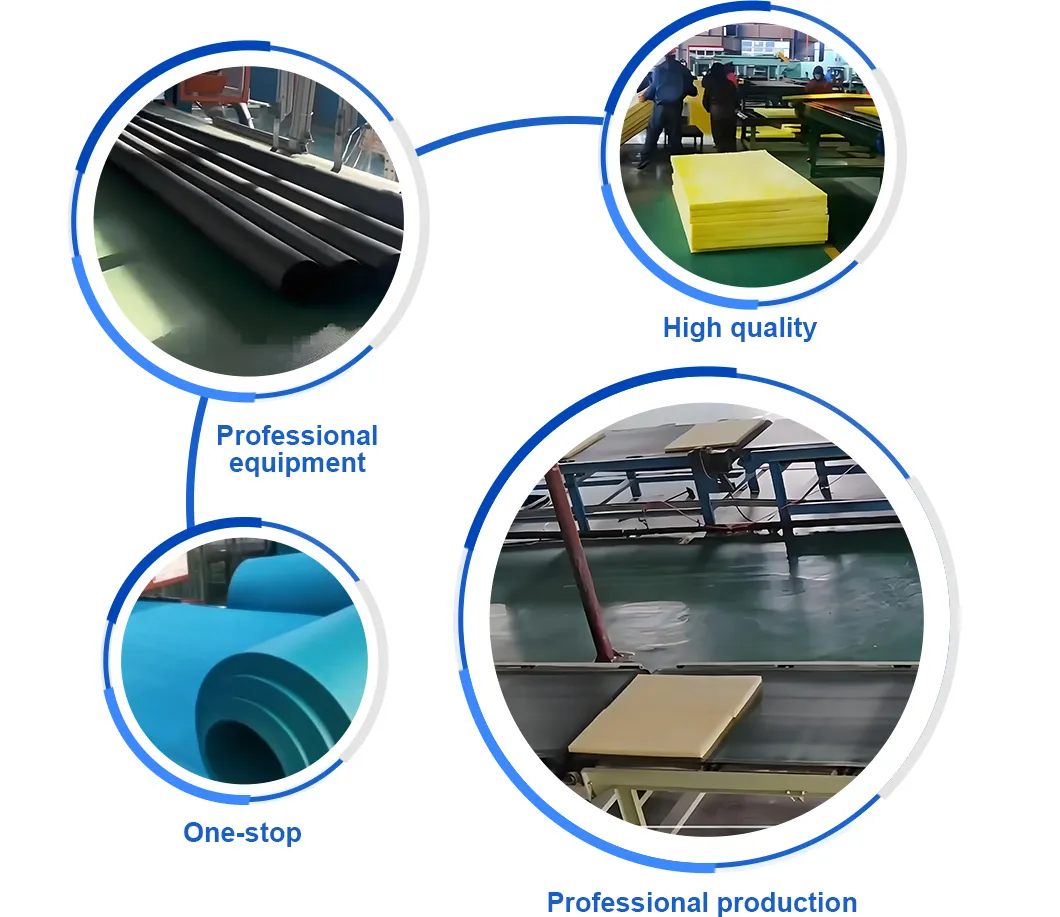
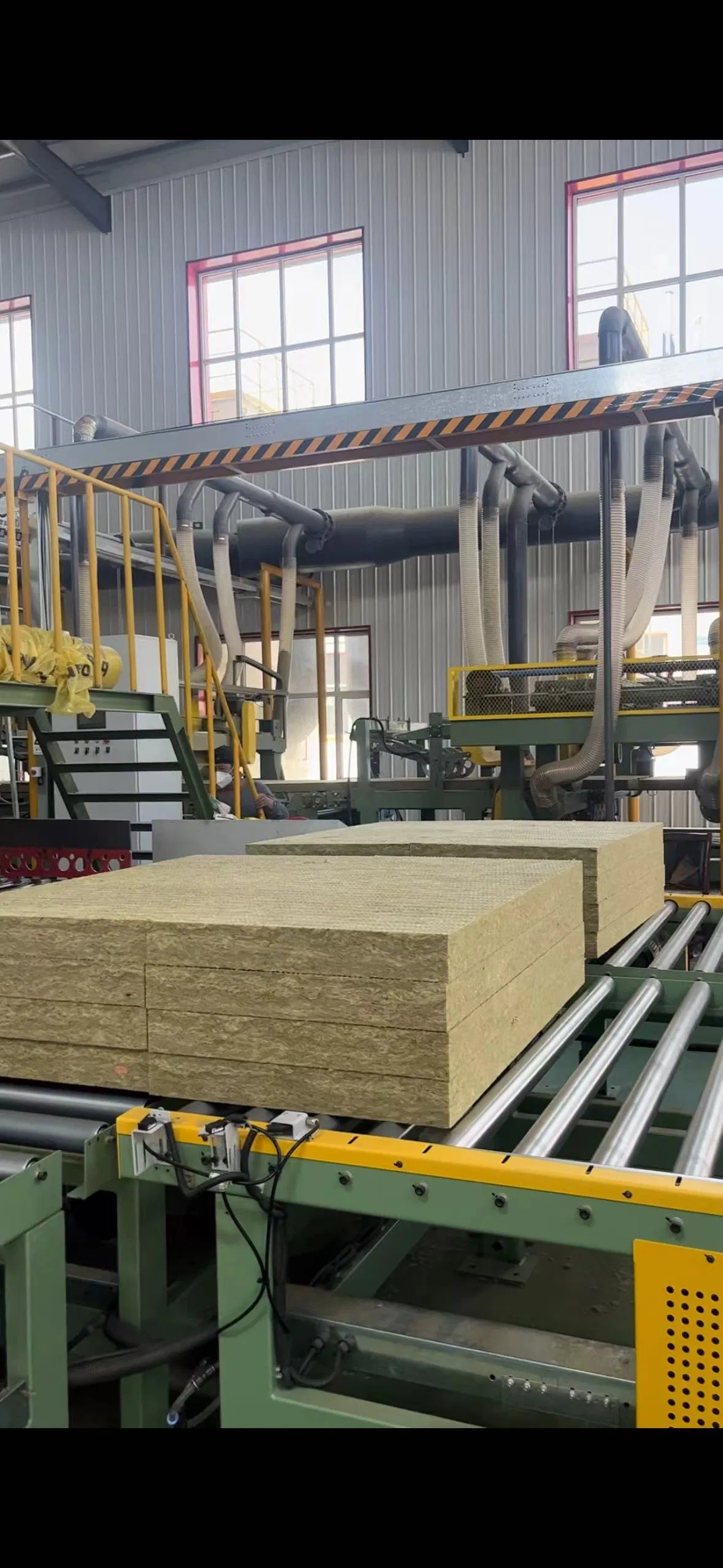
Main Products & Production Display
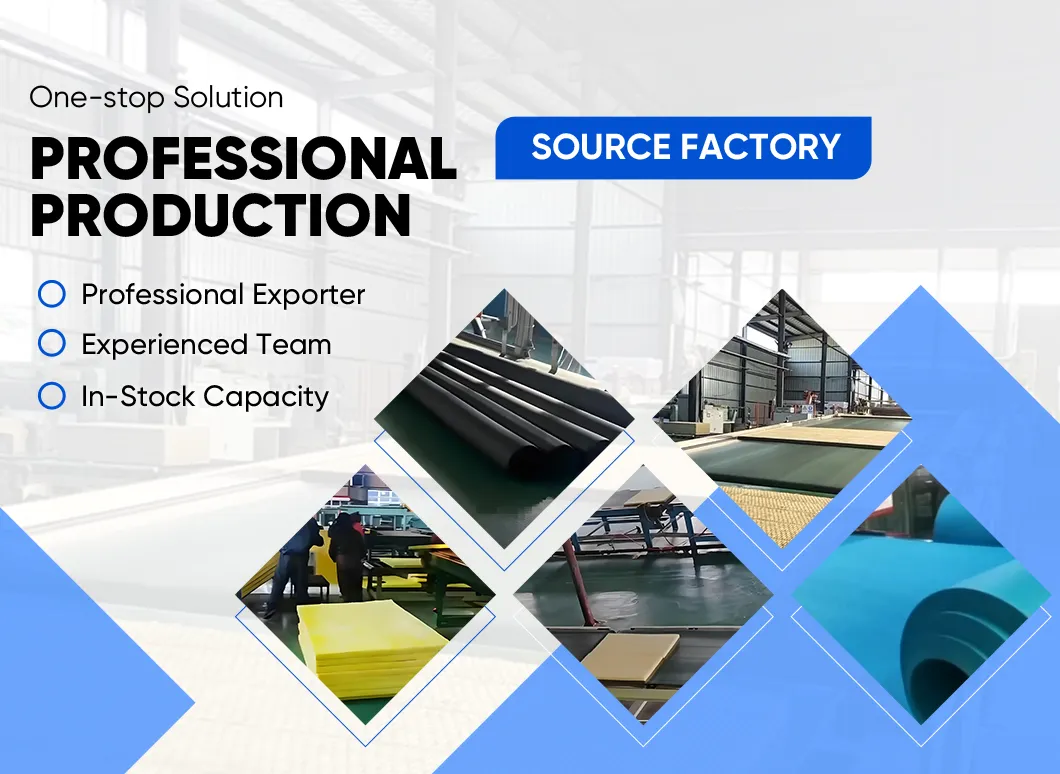
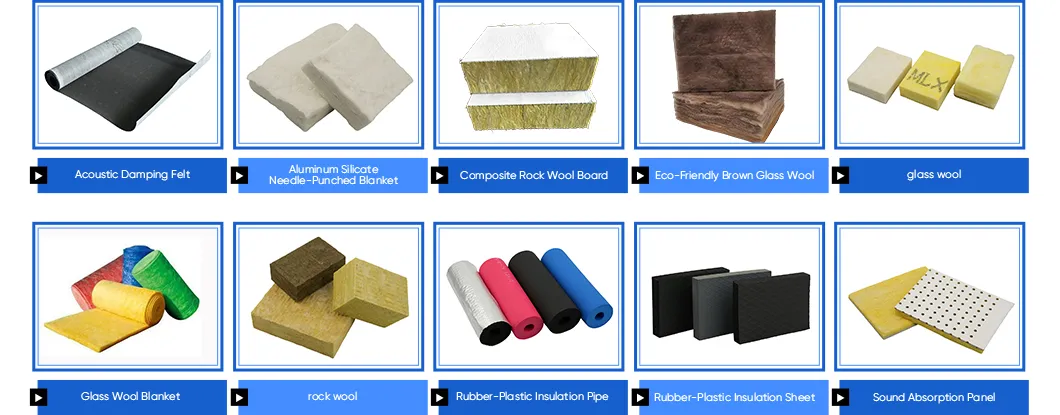
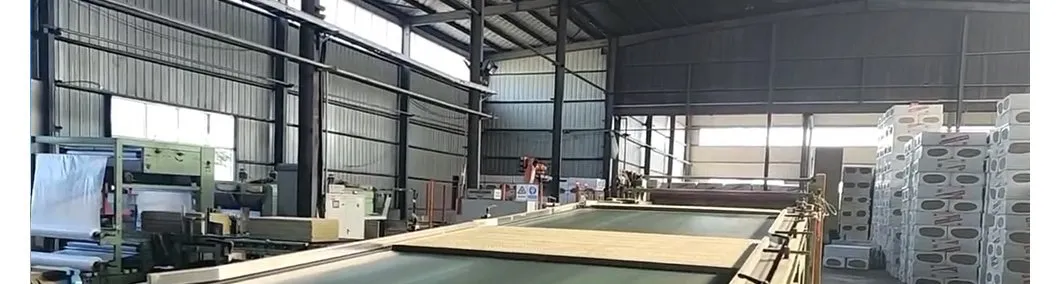
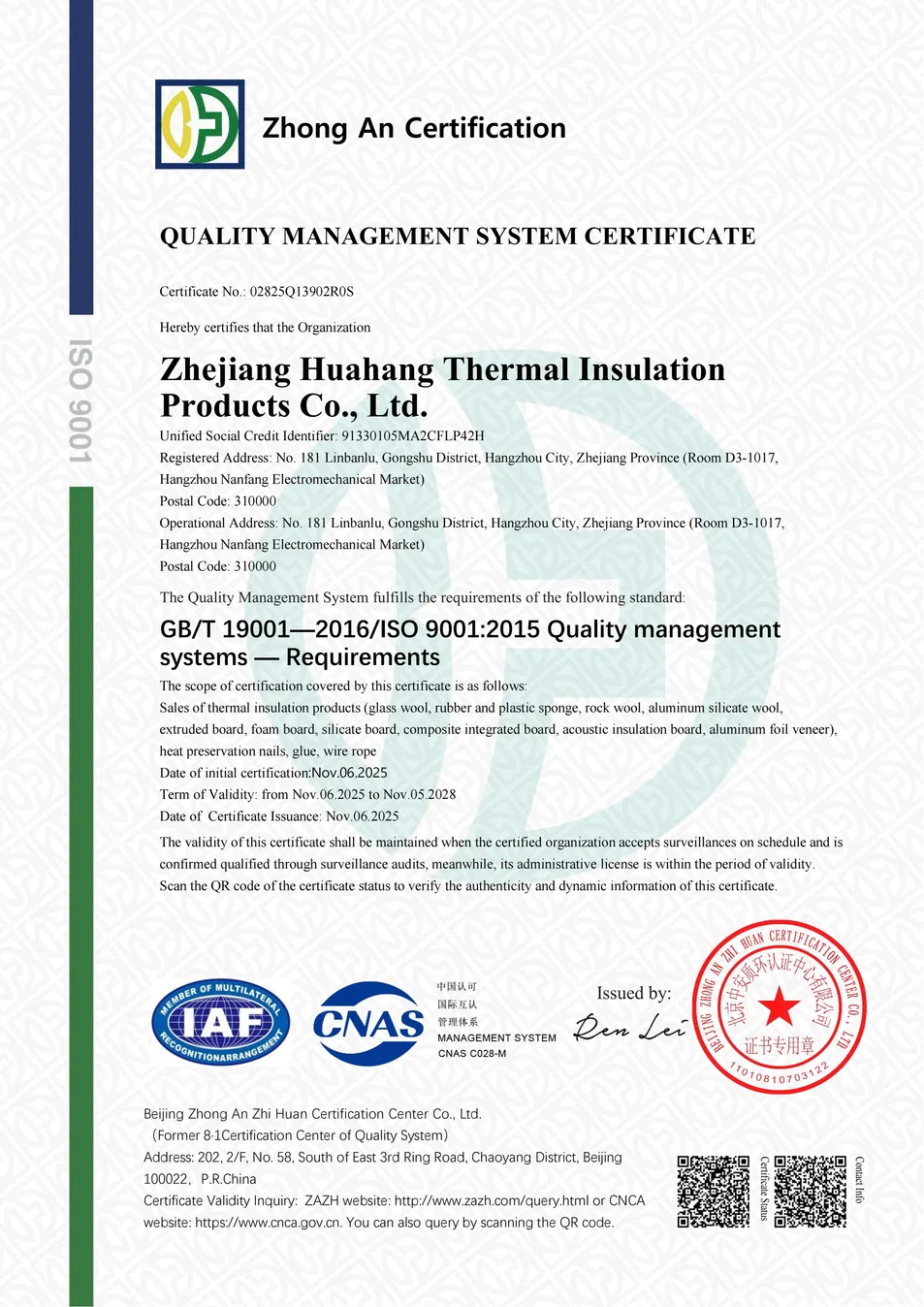
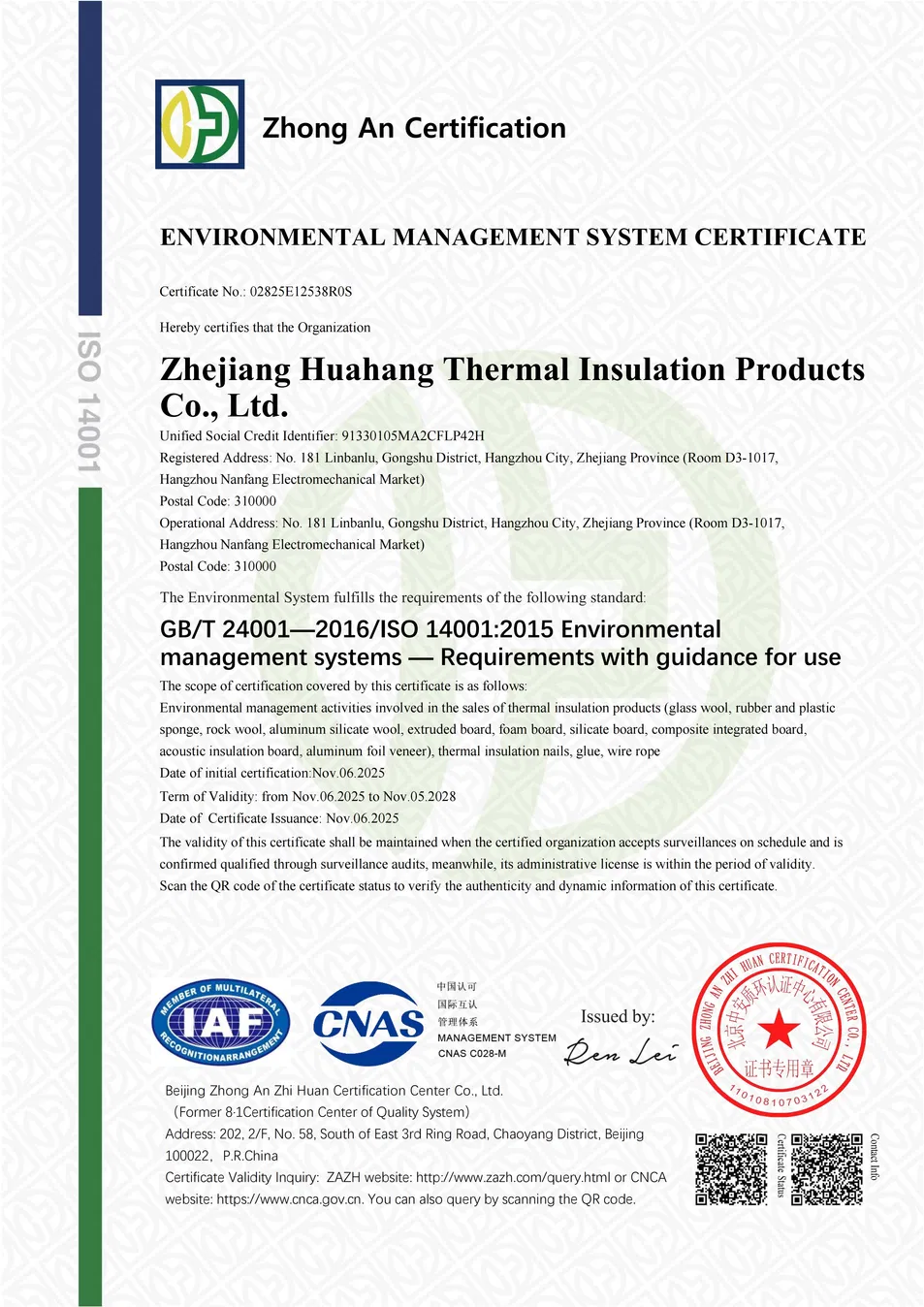
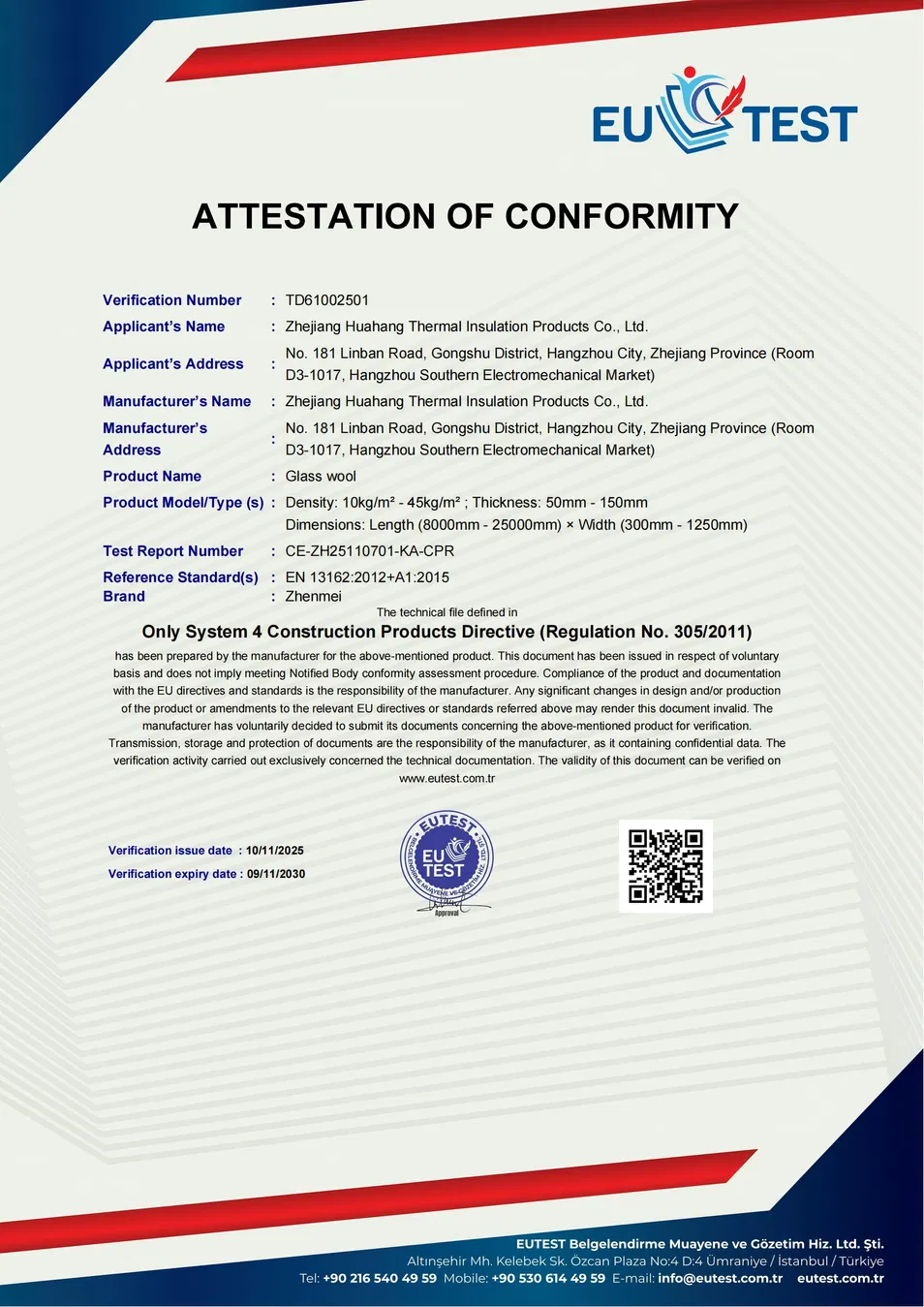
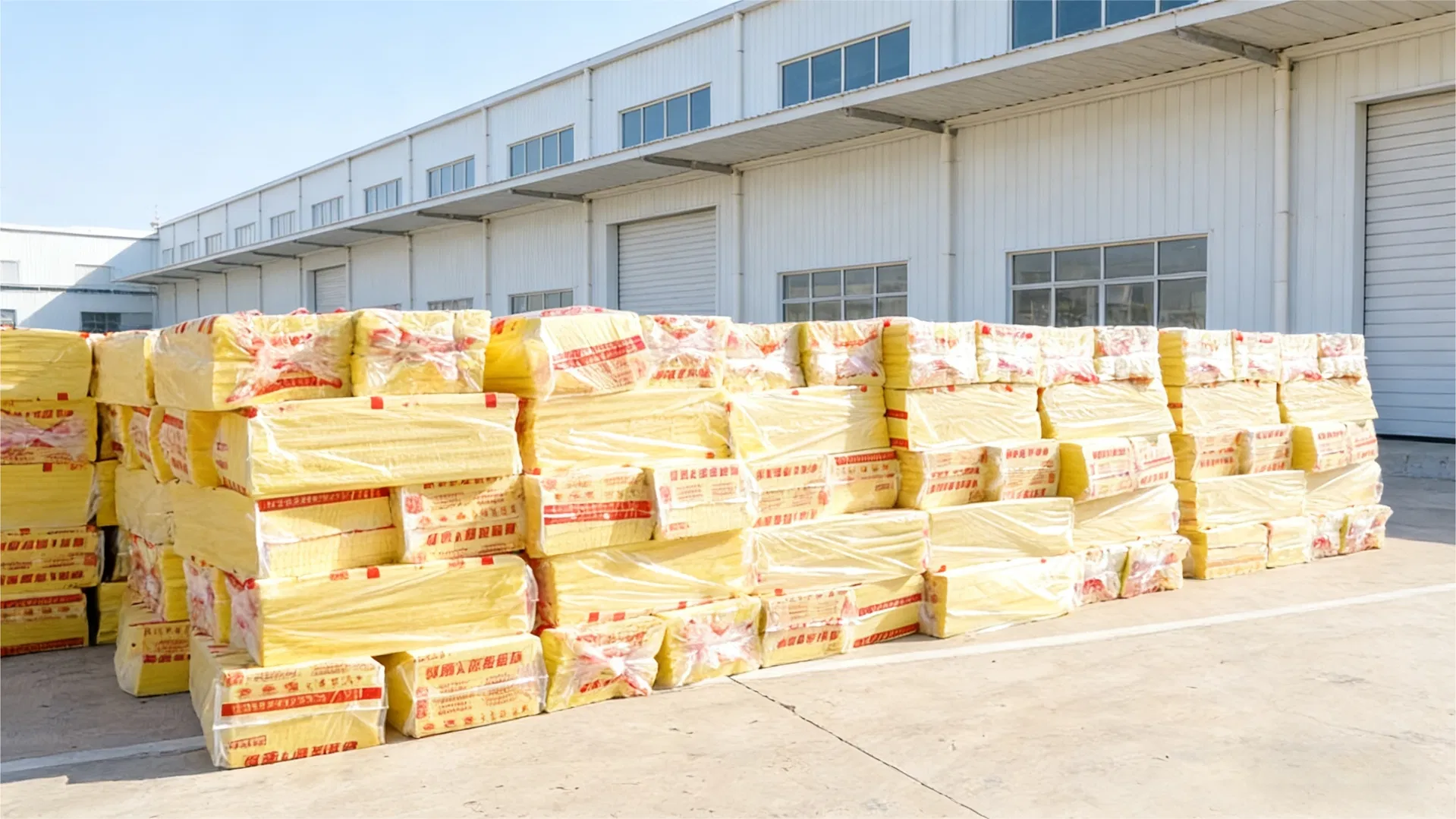
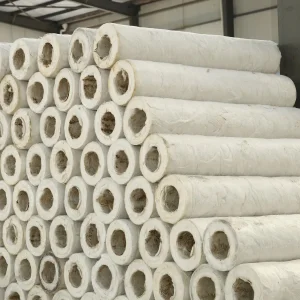
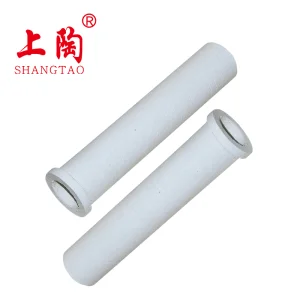
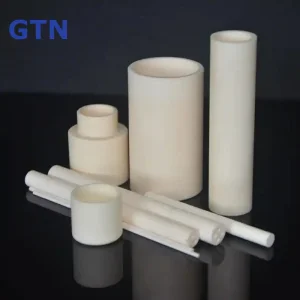
Our main product line includes high-quality rock wool products, extruded products, fiberglass wool, rubber & plastic foam, and aluminum silicate materials. These are extensively used in steel structures, wall insulation, industrial pipelines, and power plants. We adhere to strict technical standards in production, utilizing modern facilities and scientific management to ensure every product meets global quality requirements.
Frequently Asked Questions
Which insulation material is best for my home?
For exterior walls, fireproof Class A rock wool boards are highly recommended for durability. For roofs, XPS extruded boards offer excellent waterproof and pressure resistance.
How are fire resistance ratings classified?
Class A materials like rock wool are non-combustible. Class B1 refers to flame-retardant materials. Public buildings generally require Class A certification.
Are these insulation products eco-friendly?
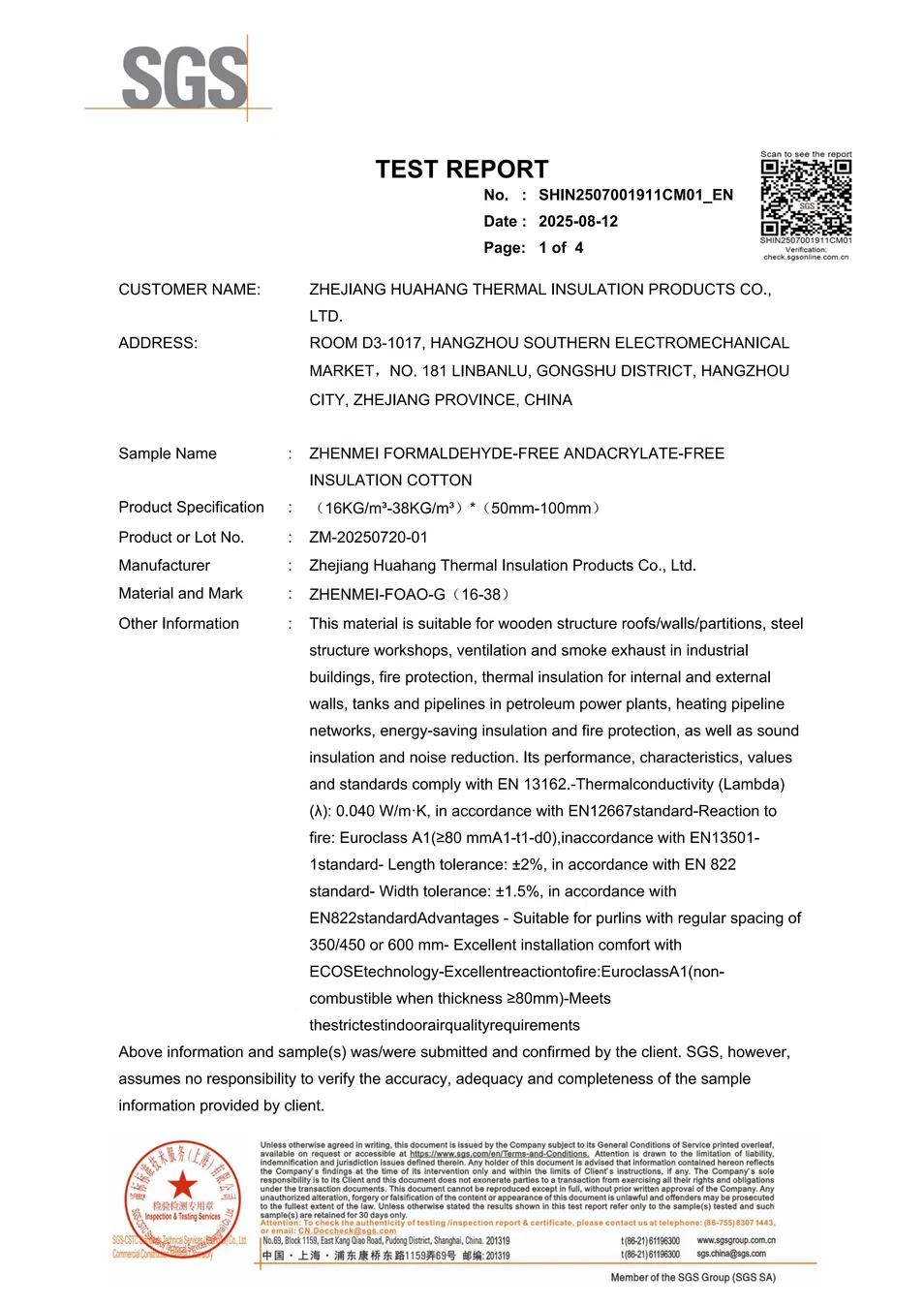
Yes, our products are made from natural ores, are recyclable, and non-toxic. We provide test reports regarding formaldehyde emission and green building standards.
How do I calculate the amount of material needed?
Use the formula: Total Area (m²) × Thickness (cm) ÷ Package volume. For example, 100m² of wall using 5cm boards requires approximately 5m³ of material.
What is the expected lifespan of the insulation?
Typically, these materials last 20–30 years. Inorganic materials like rock wool maintain their performance as long as they are kept dry and protected from physical damage.
Does winter installation affect the performance?
Installation in temperatures below 5°C requires winter-grade specialized adhesives. It is crucial to avoid rain or snow exposure during the installation process.
 FibroCeram Materials