FibroCeram Materials FibroCeram Materials
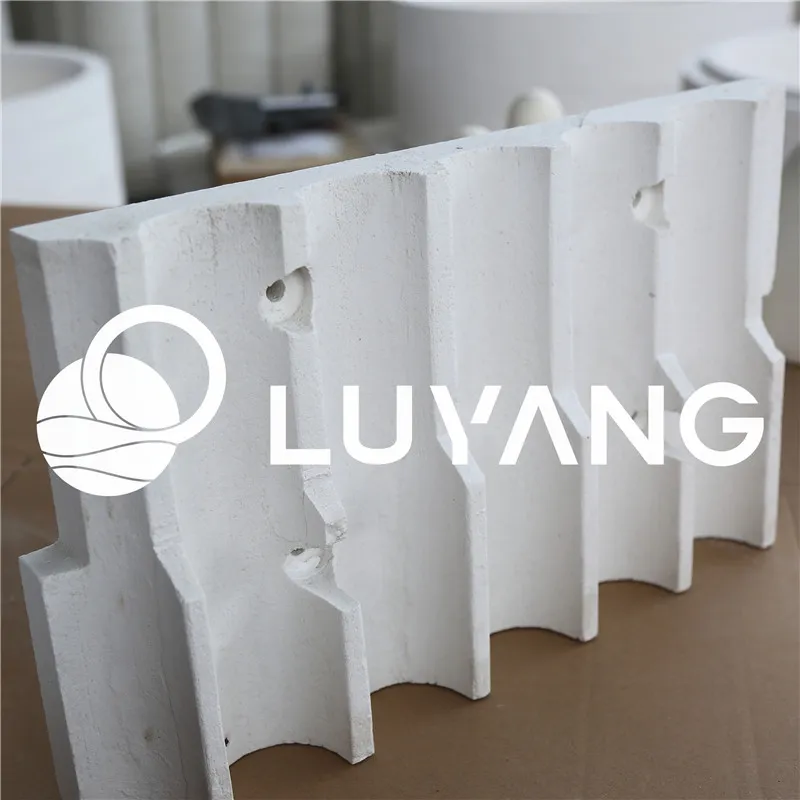
Ceramic Fiber Vacuum Formed Parts

Still deciding? Get samples of $ !
Request Sample

Product Description

ℹ️

Basic Specifications

Feature
Instant Materials
Type
Refractory Material
Material
Alumina Block
Shape
Different Shapes
Product
Vacuum Formed Shapes
Name
Ceramic Fiber Vacuum Formed Shapes
Raw Material
Ceramic Fiber
Other Name
Aluminum Silicate Vacuum Formed Shapes
HS Code
68061010
Capacity
500 Tons/ Year
🛠️

Product Description

Ceramic Fiber Vacuum Formed Parts

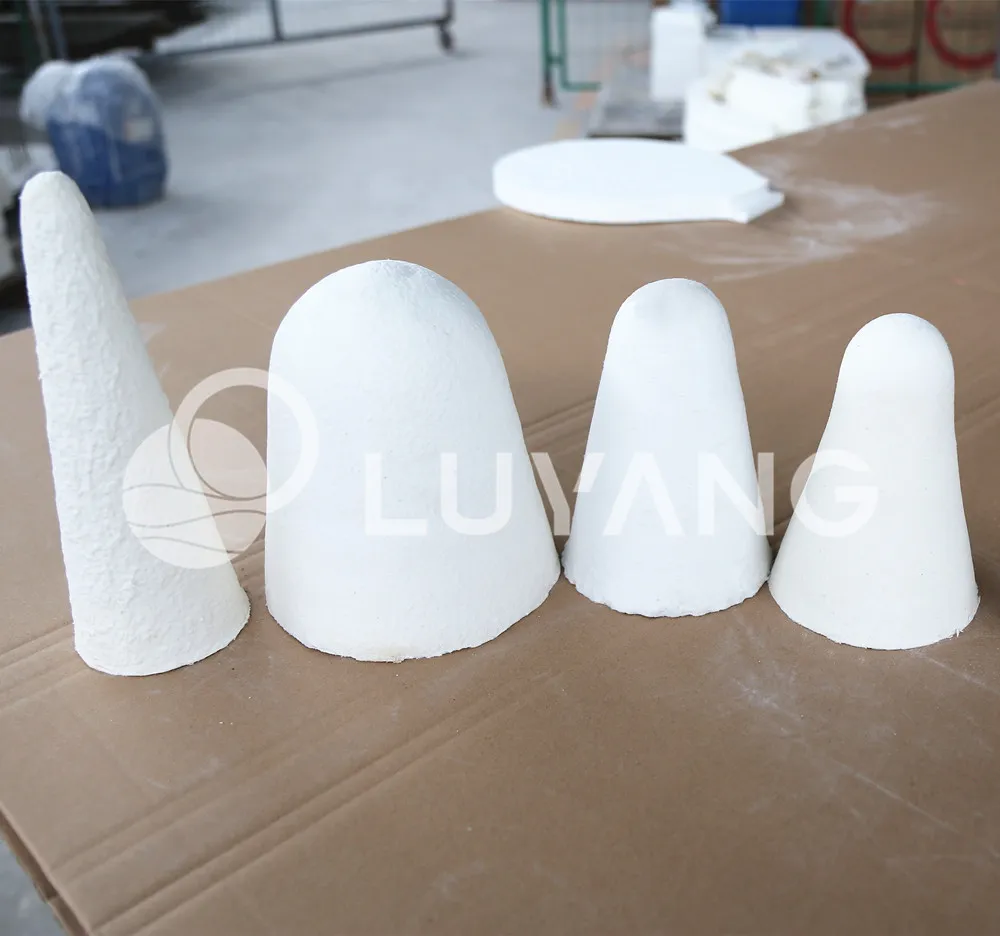
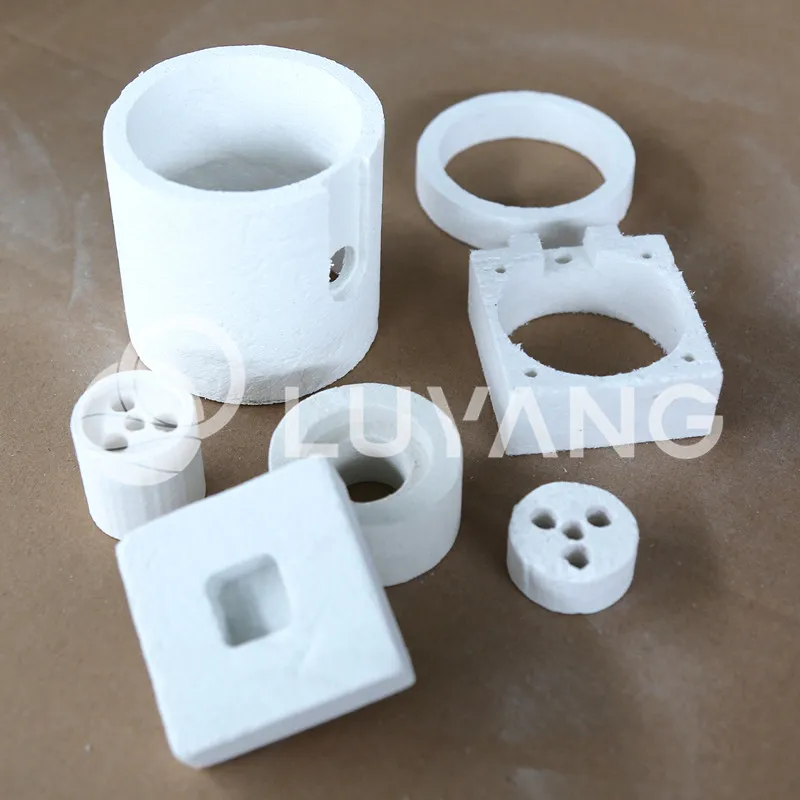
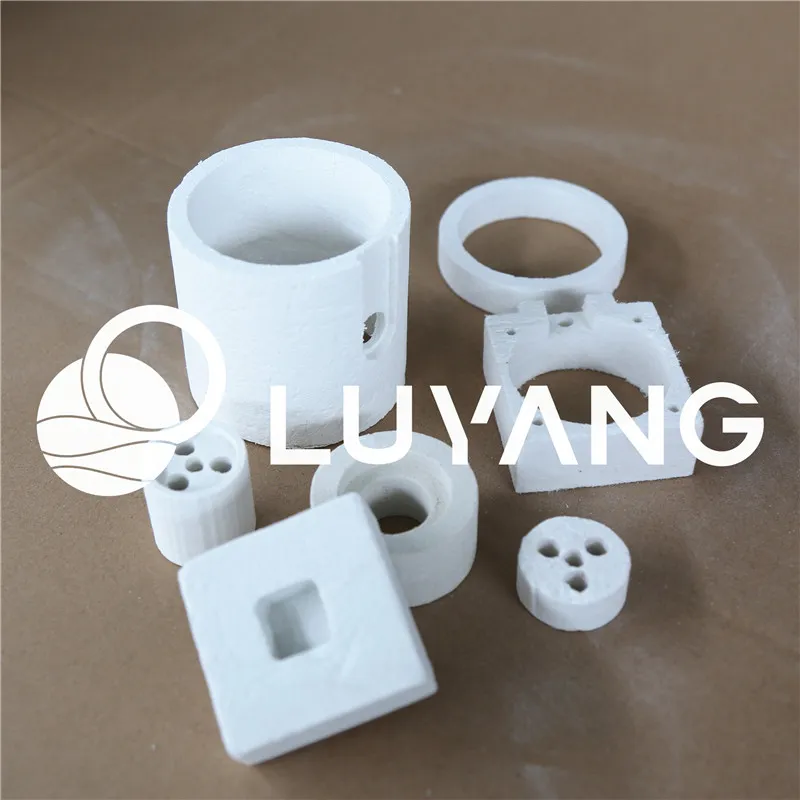
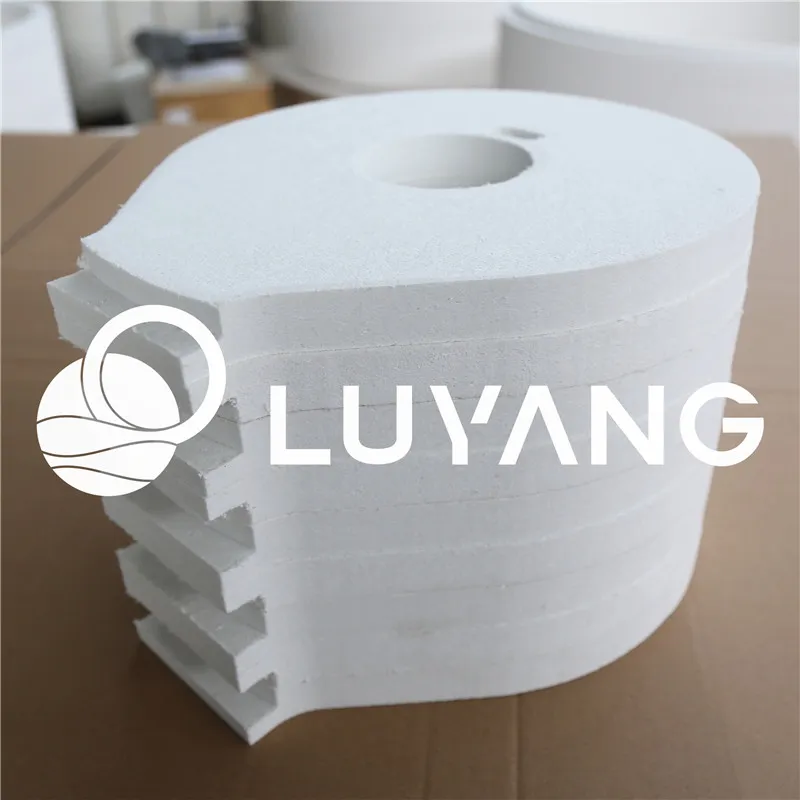
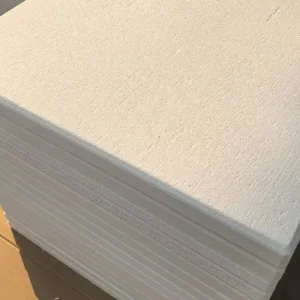
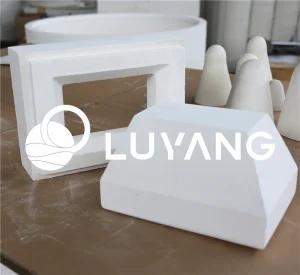
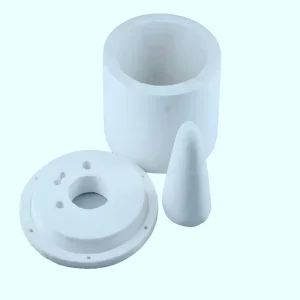
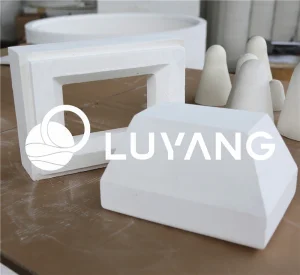
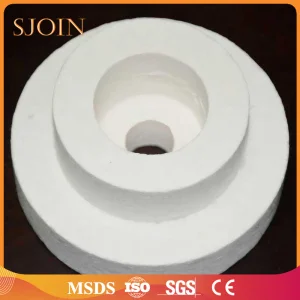
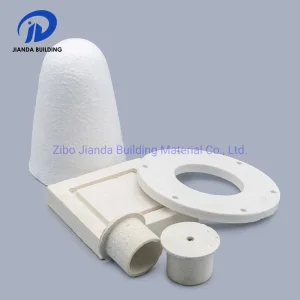
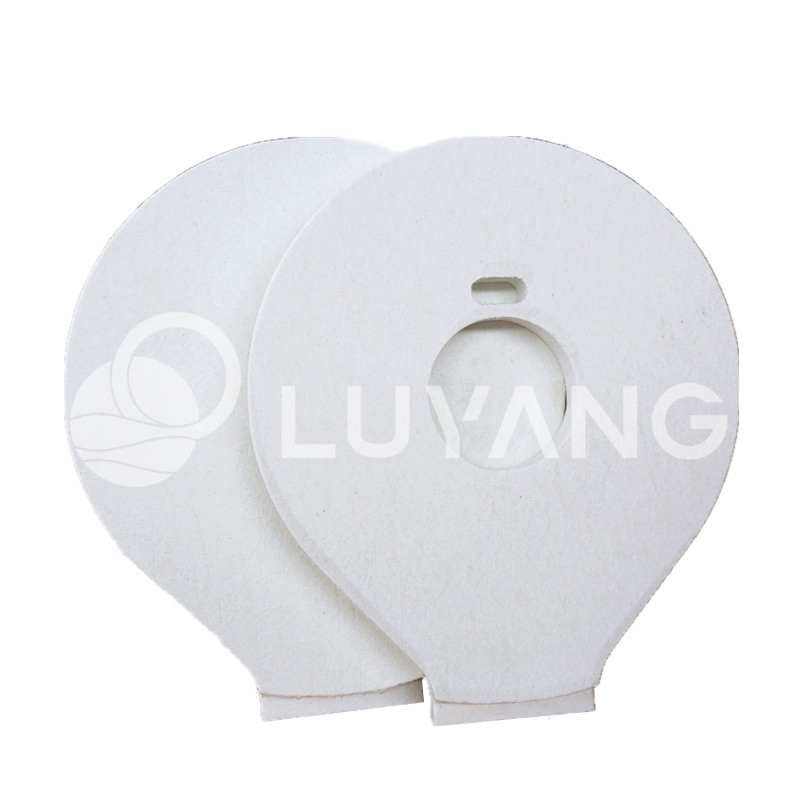
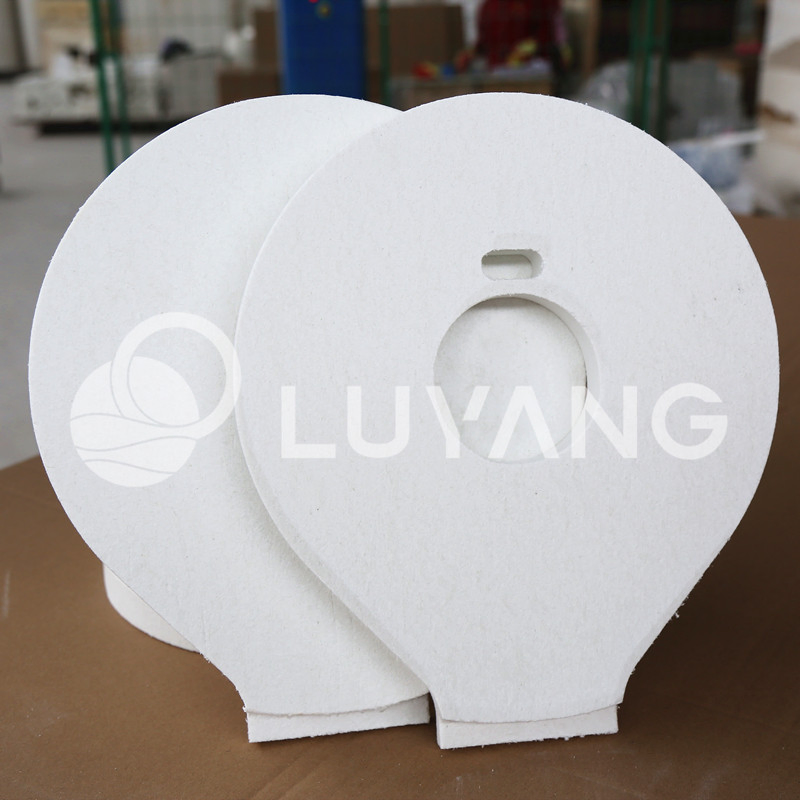
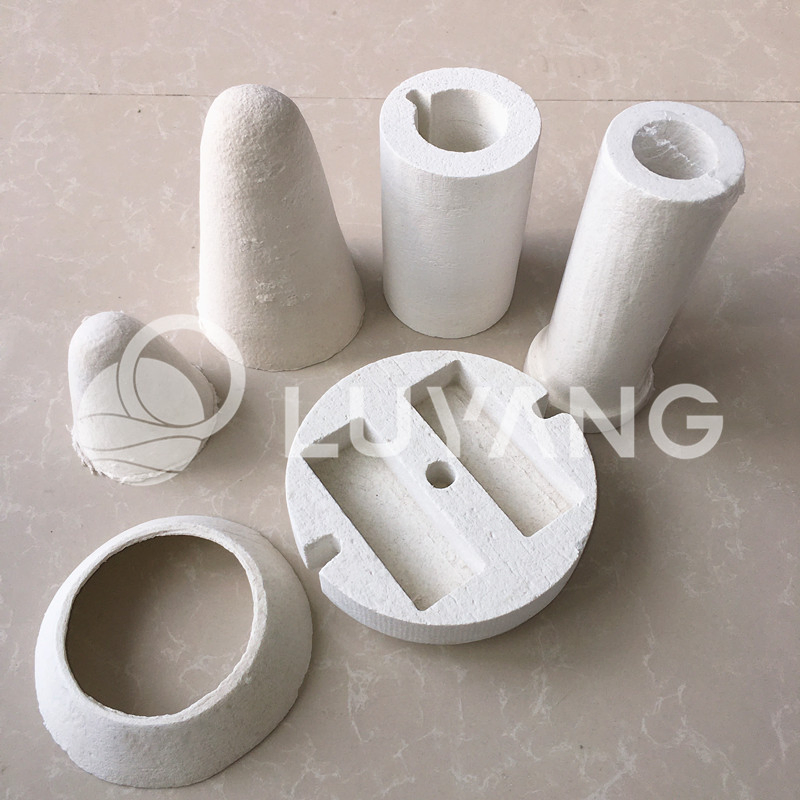
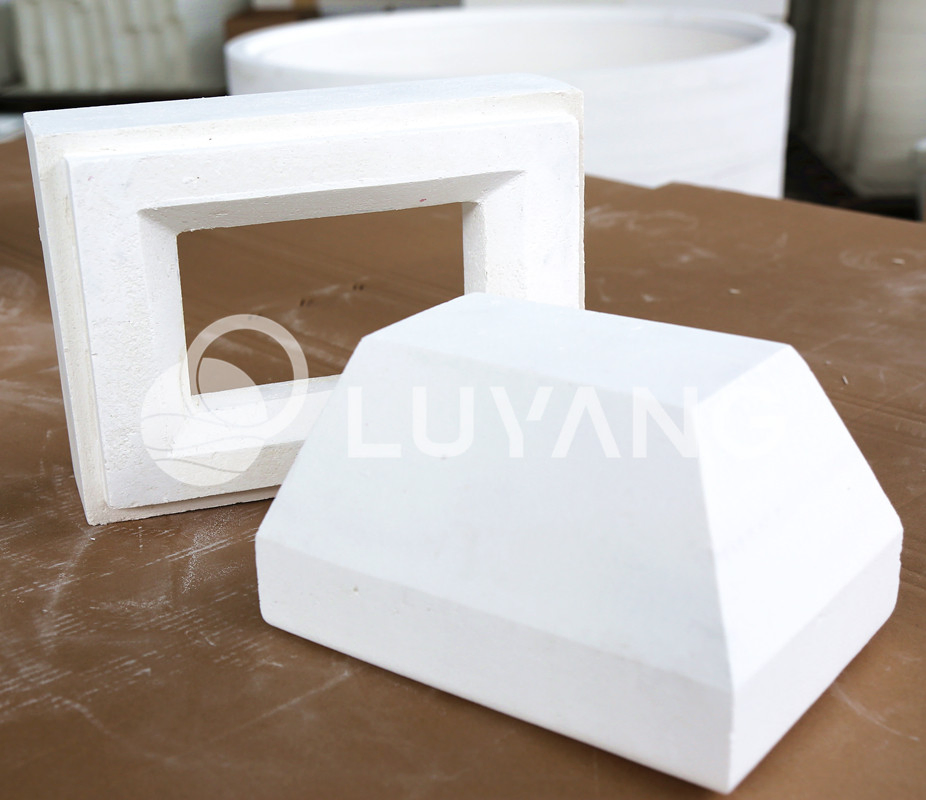
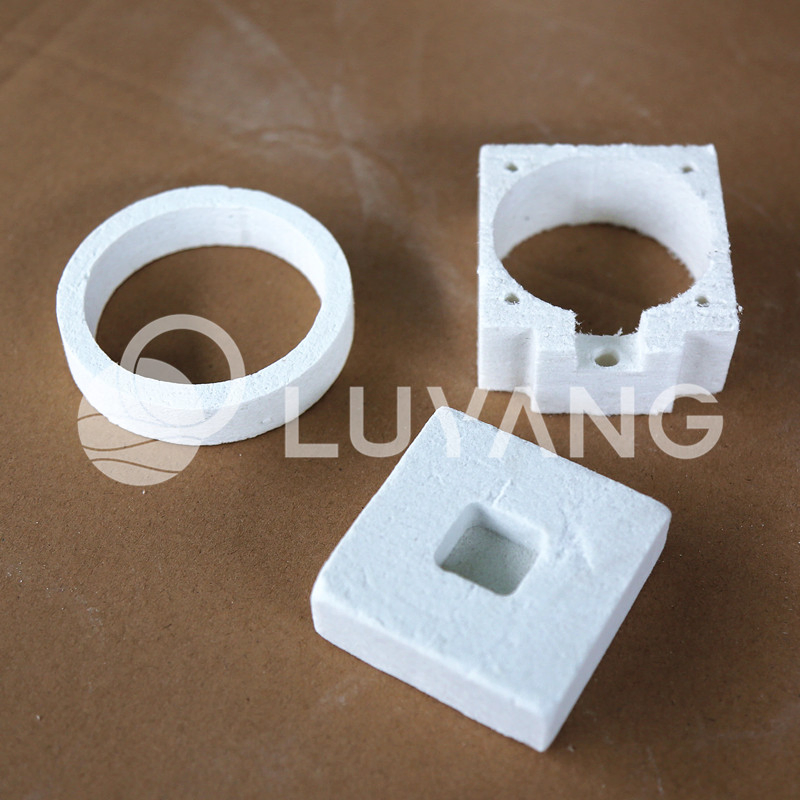
Ceramic fiber shapes are produced from corresponding level refractory fibre mixture through vacuum forming. These shapes are ideal energy-efficient insulation materials for furnaces, piping, and other high-temperature equipment.

Specialty: Supports surface hardening or complete hardening to every level shape based on specific requirements.

🚀 Applications:

  • Peep holes for the industrial furnace
  • Patch holes for thermometer
  • Nozzle and door sealing for the industrial furnace
  • Non-ferrous metal molten channel
  • Lining for pad, cap, of found, electrical equipment connect gaskets

⭐ Main Features:

  • Can be made into various complex shapes with high dimension accuracy.
  • Direct contact with flame; no odor or volatile gases at high temperatures.
  • High mechanical strength and resistance to gas flow.
  • Low shrinkage and low thermal conductivity.
  • Excellent high-temperature strength and thermal stability.
📊

Typical Parameters

Item 1260STD 1260HP 1350HA 1430Zr
Density (KG/m3) 280-400 280-400 280-400 280-400
Linear Shrinkage Rate (%) ≤1.5 (1000ºC) ≤1.5 (1000ºC) ≤1.5 (1100ºC) ≤1.5 (1200ºC)
Flexural strength (mpa) >=0.6 >=0.6 >=0.6 >=0.6
Thermal Conductivity (W/m.k) 400ºC 0.08 0.08 - -
600ºC 0.15 0.15 0.14 0.12
800ºC 0.20 0.19 0.18 0.16
1000ºC - - 0.21 0.19
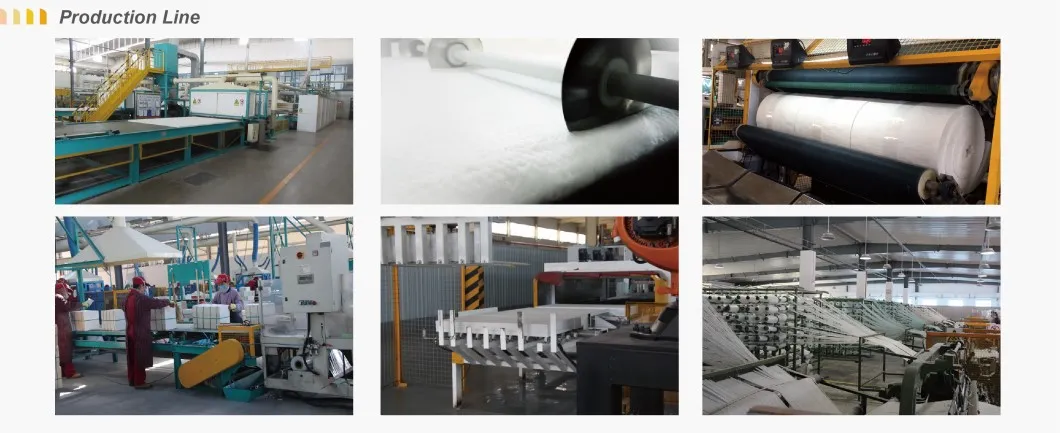
Processing Details Quality Warehouse

Frequently Asked Questions

Q1: What are Ceramic Fiber Vacuum Formed Shapes?
They are specialized refractory components made from ceramic fiber through a vacuum suction filtration process, allowing for complex geometries and precise dimensions.
Q2: Can these shapes withstand direct flame contact?
Yes, one of the main features is the ability to contact flames directly without producing odors or volatile gases at high temperatures.
Q3: Are custom shapes available?
Yes, vacuum forming technology allows for the creation of various complex shapes with high dimensional accuracy to meet specific industrial needs.
Q4: What is the typical density of these parts?
The density typically ranges between 280-400 KG/m3 depending on the specific grade and application requirements.
Q5: How do they handle thermal shrinkage?
These shapes exhibit low linear shrinkage (typically ≤1.5%) even at temperatures ranging from 1000ºC to 1200ºC, ensuring structural stability.
Q6: What is the advantage of surface hardening?
Surface hardening improves mechanical strength and resistance to high-velocity gas flows, extending the service life of the insulation in demanding environments.

Related Products