FibroCeram Materials FibroCeram Materials
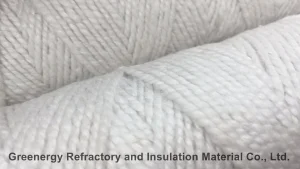
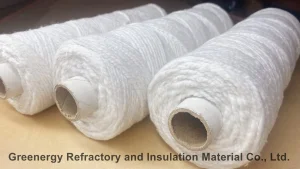
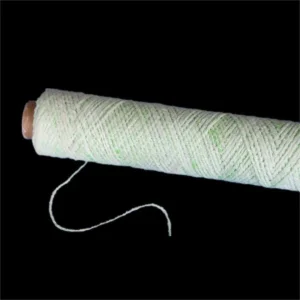
Aluminum Silicate Insulation Ceramic Fiber Yarn

Still deciding? Get samples of $ !
Request Sample

Product Description

Basic Information
Model NO.
Luyangwool
Chemical Comp.
SiO2, Al2O3.SiO2, Al2O3
Shape
Textile
Kind
Ordinary Ceramic Fiber
Product
Aluminum Silicate Textiles
Raw Material
Aluminum Silicate Fiber
Material
Ceramic Fiber
HS Code
68061010
Capacity
500,000 Tons
Origin
China
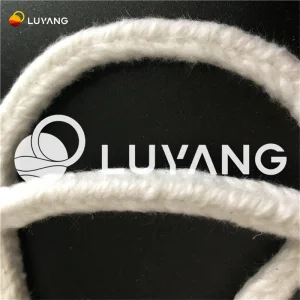
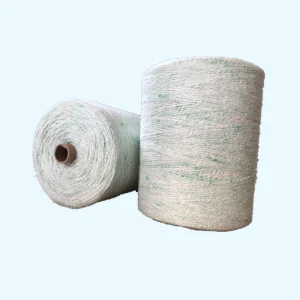
Ceramic Fiber Yarn
Textile Item 1 Textile Item 2
Product Description

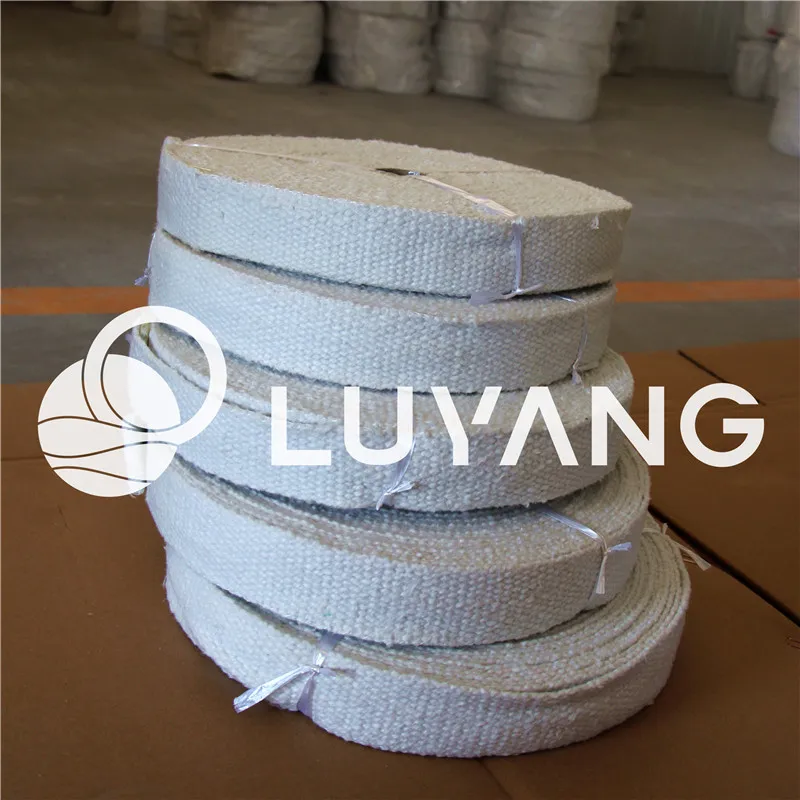
LUYANGWOOL® 1260 1400 1430 Ceramic Fiber Textile Tape Rope Cloth / RCF Textile

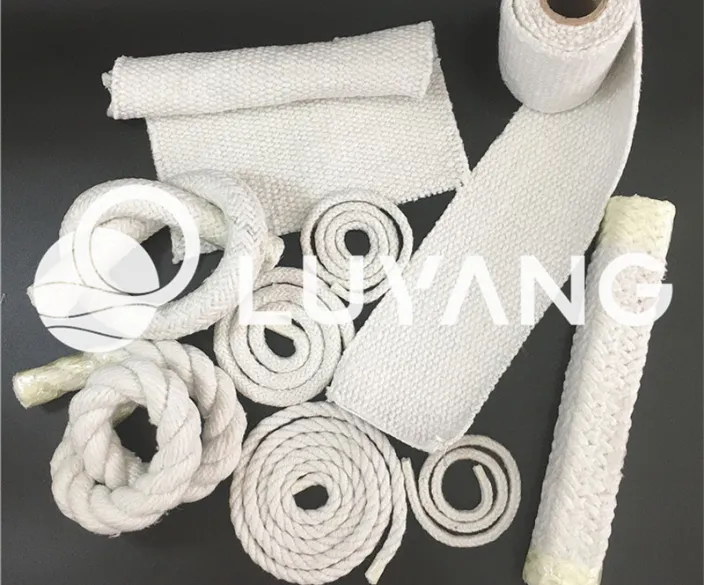
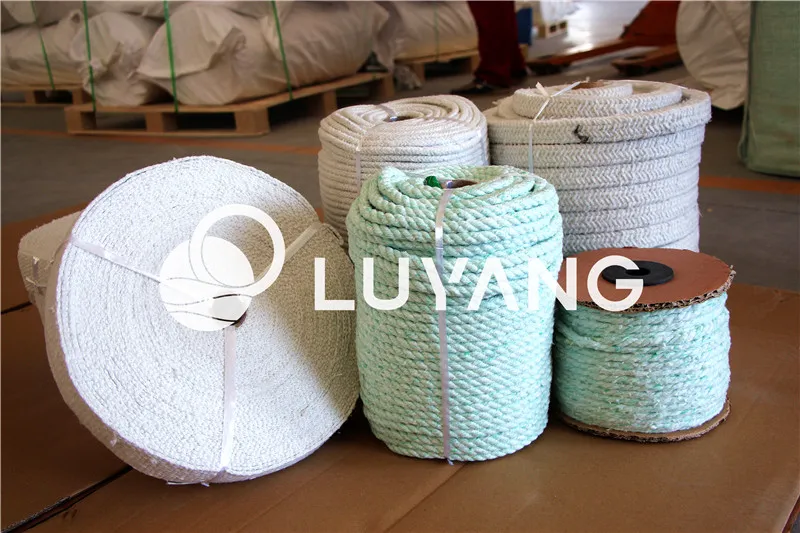
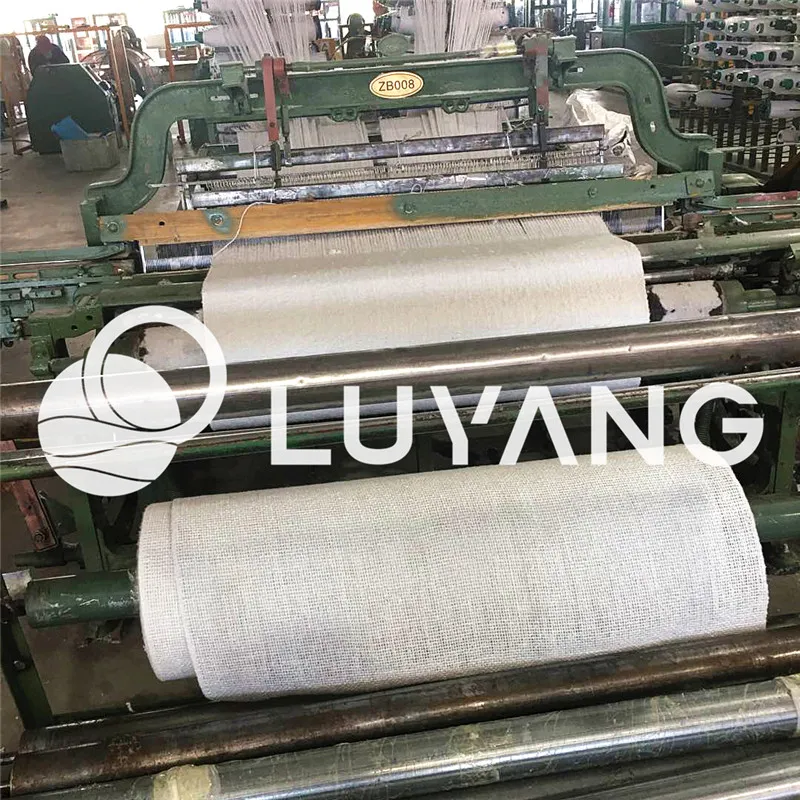
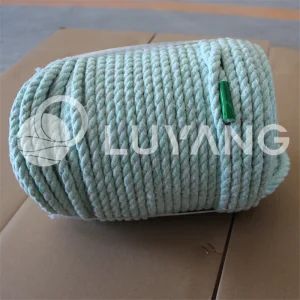
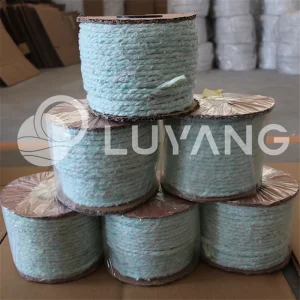
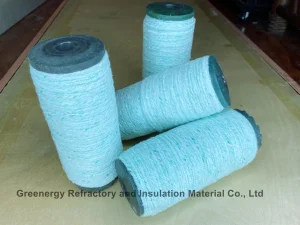
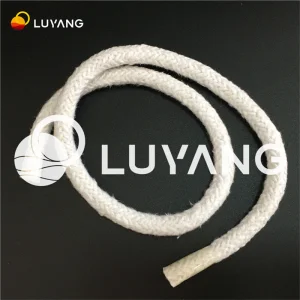
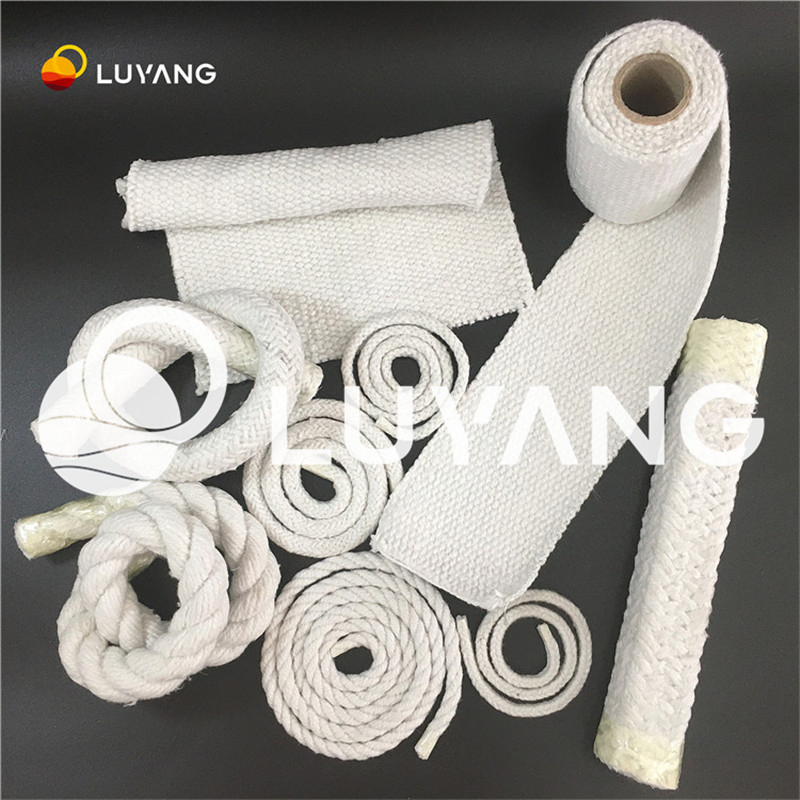
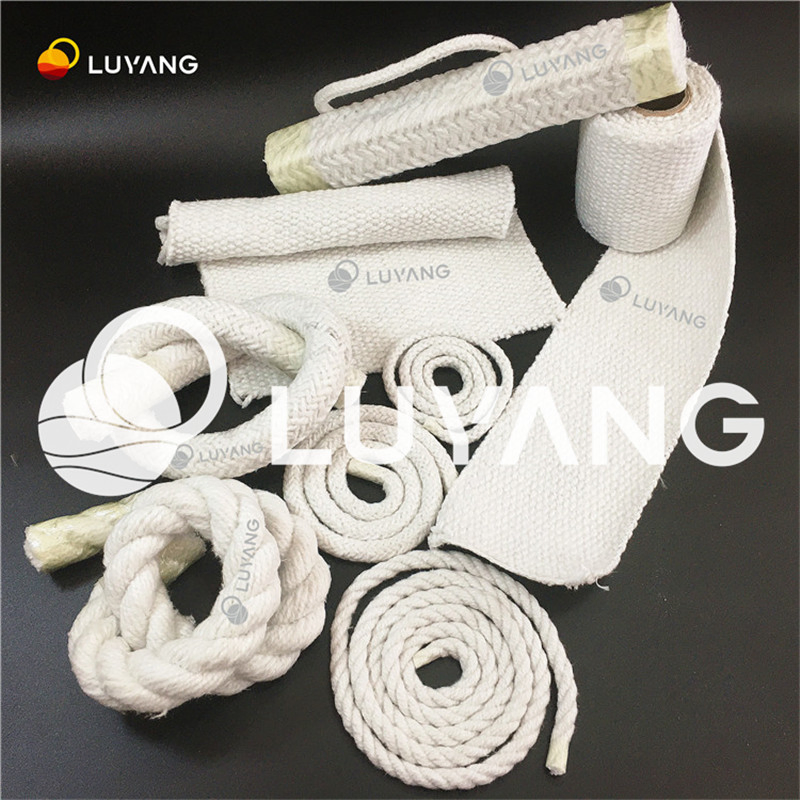
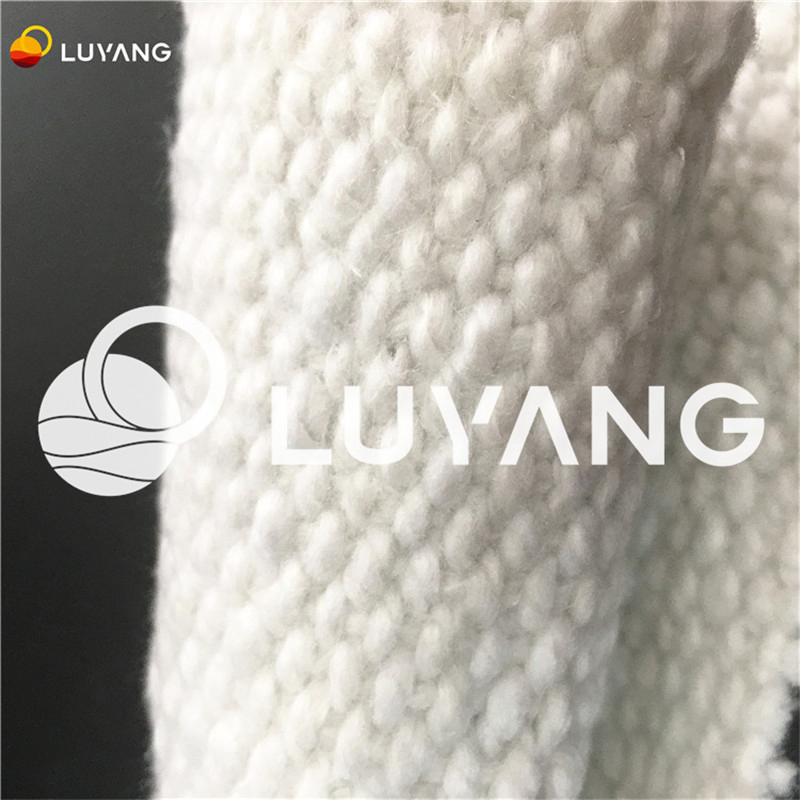
Luyangwool® ceramic fiber textile is made from ceramic fiber and viscose fiber, reinforced with glass filament or stainless steel. It contains ceramic fiber yarn, rope, tape, and cloth. This textile is widely used in insulating linings of metallurgical ovens, furnaces, petrochemical heaters, and ceramic kilns.

Key Features
Excellent thermal shock resistance
Excellent thermal stability
High-temperature stability
Low thermal conductivity
Flexible and easy to use
Typical Applications
Gaskets in furnaces and domestic appliances
Door seals in furnaces
Kiln car seals
Welding curtains
Expansion joints
Technical Parameters
Description Cloth Tape Yarn
Reinforcement Glass S.Steel Glass S.Steel Glass S.Steel
Temp Limit (ºC) 650 1000 650 1000 650 1000
Density (kg/m³) 500 500-550 -
Rope 1 Rope 2 Rope 3
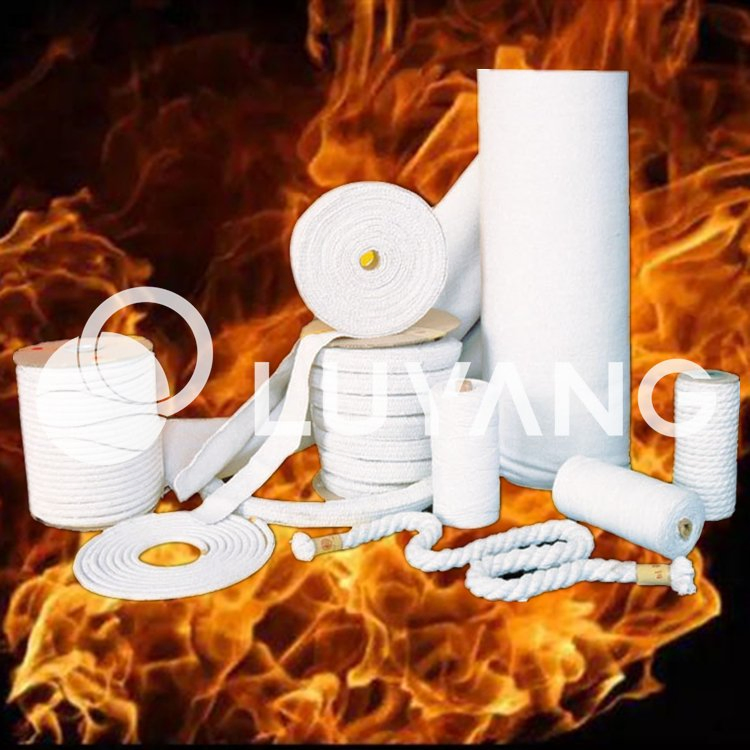
Product Specification 1 Product Specification 2 Product Specification 3 Full Range
Frequently Asked Questions
What materials are Luyangwool® textiles made of?
They are manufactured from high-quality ceramic fiber and viscose fiber, reinforced with either glass filament or stainless steel for enhanced durability.
What is the maximum temperature limit for these textiles?
The continuous temperature use limit is 650ºC for glass fiber reinforced products and up to 1000ºC for stainless steel reinforced products.
What forms do ceramic fiber textiles come in?
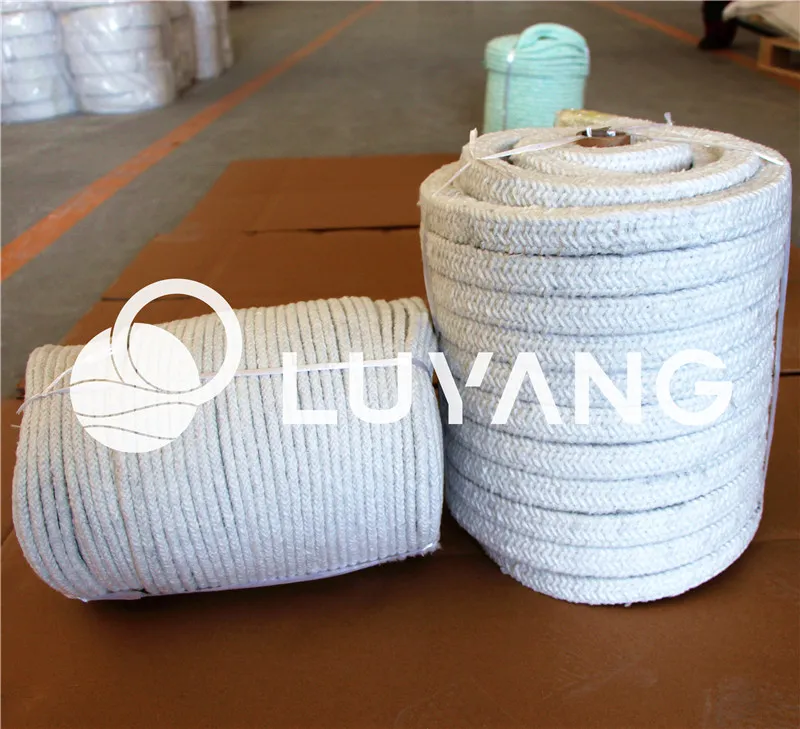
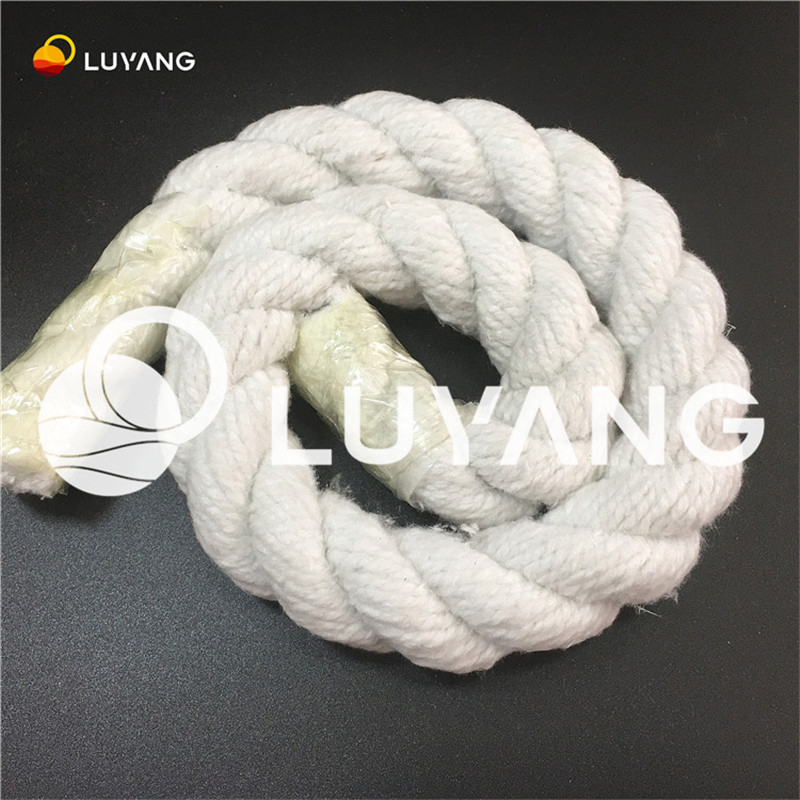
The product range includes ceramic fiber yarn, round and square braided ropes, twisted ropes, tapes, and cloths.
Are these textiles resistant to thermal shock?
Yes, one of the primary features of Luyangwool® textiles is their excellent thermal shock resistance and thermal stability.
What are the typical applications for these products?
They are commonly used for furnace door seals, kiln car seals, welding curtains, expansion joints, and gaskets in domestic and industrial appliances.
What is the organic content in these textiles?
The organic content is maintained at ≤15%, ensuring stable performance at high temperatures.

Related Products