FibroCeram Materials FibroCeram Materials

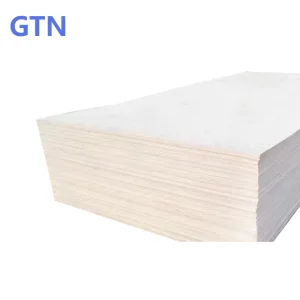
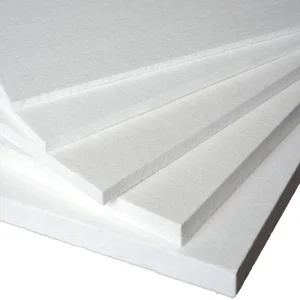
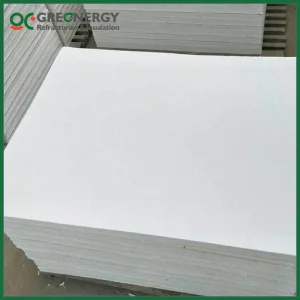
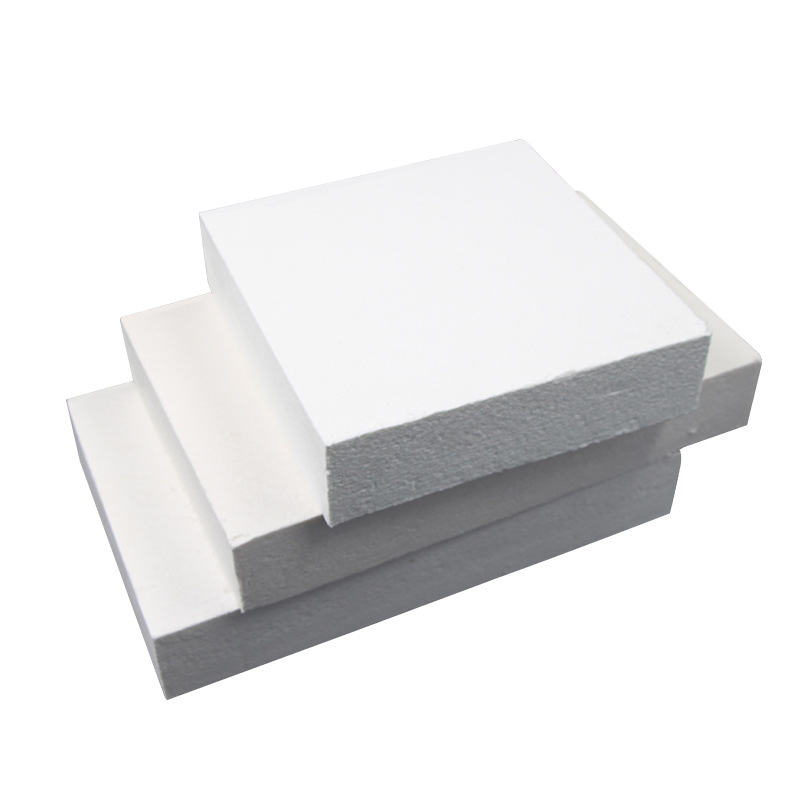
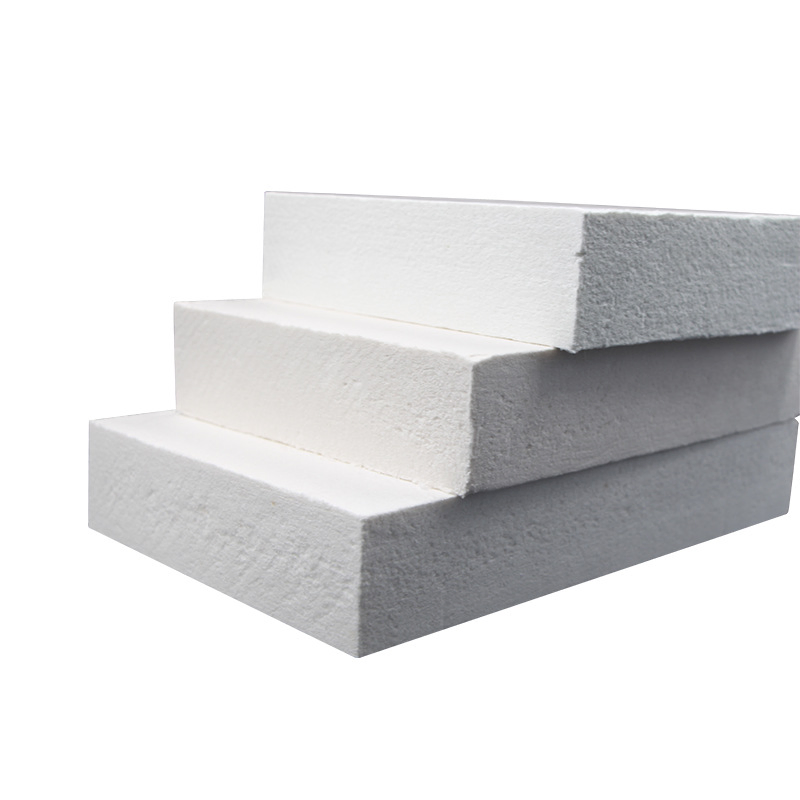
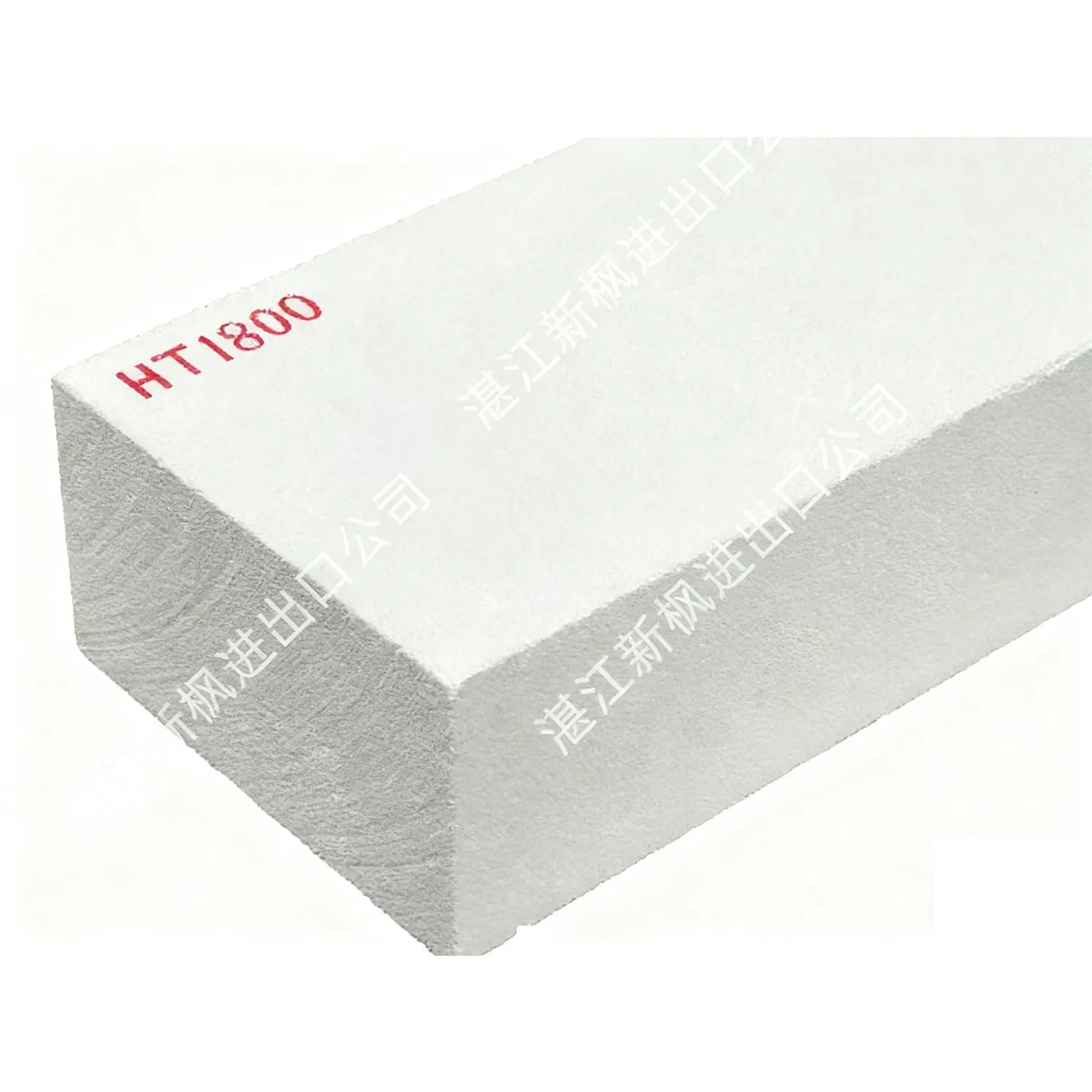
1800c Maximum Temperature Foam Ceramic Board Replacement for Alumina Fiberboard Ht1800 for Lining

Still deciding? Get samples of $ !
Request Sample

Product Description

📊 Basic Information
Model NO.HT1800
ShapeBoard
UsageAerospace, Ceramic Industry, Energy Industry, Glass Industry, Non-Metallic Mineral Processing Industry, Scientific Research and Experiments, Steel Industry
Crystalline PhaseCorundum/Mullite
Volume Density0.4~0.6g/Cm³
Maximum Use Temperature1800℃
Long-Term Use Temperature1750℃
Permanent Linear Change on Heating≤±0.5%(1750℃*3h)
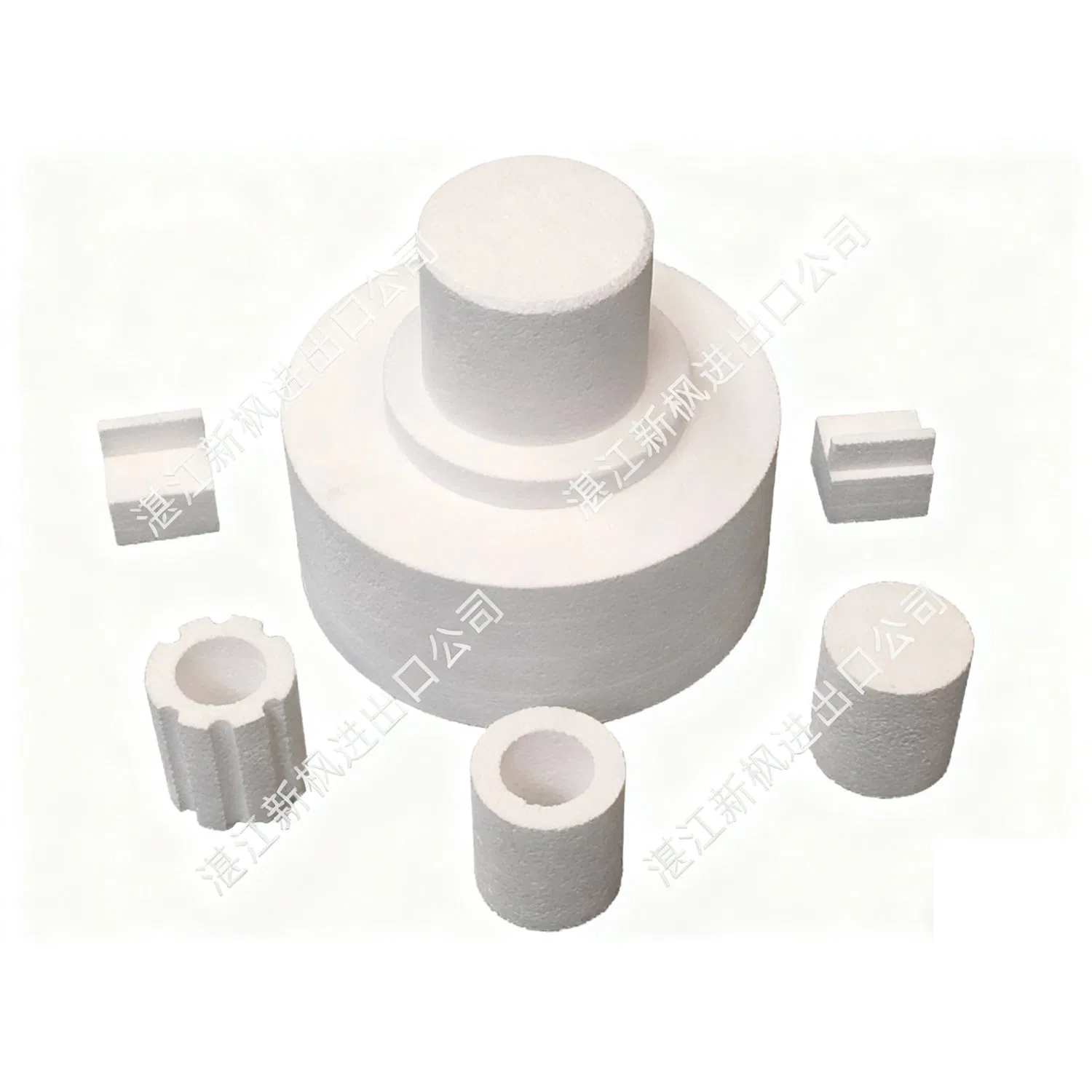
Specification1000mm*600mm*60/70/80mm
OriginChina
💡 Product Description

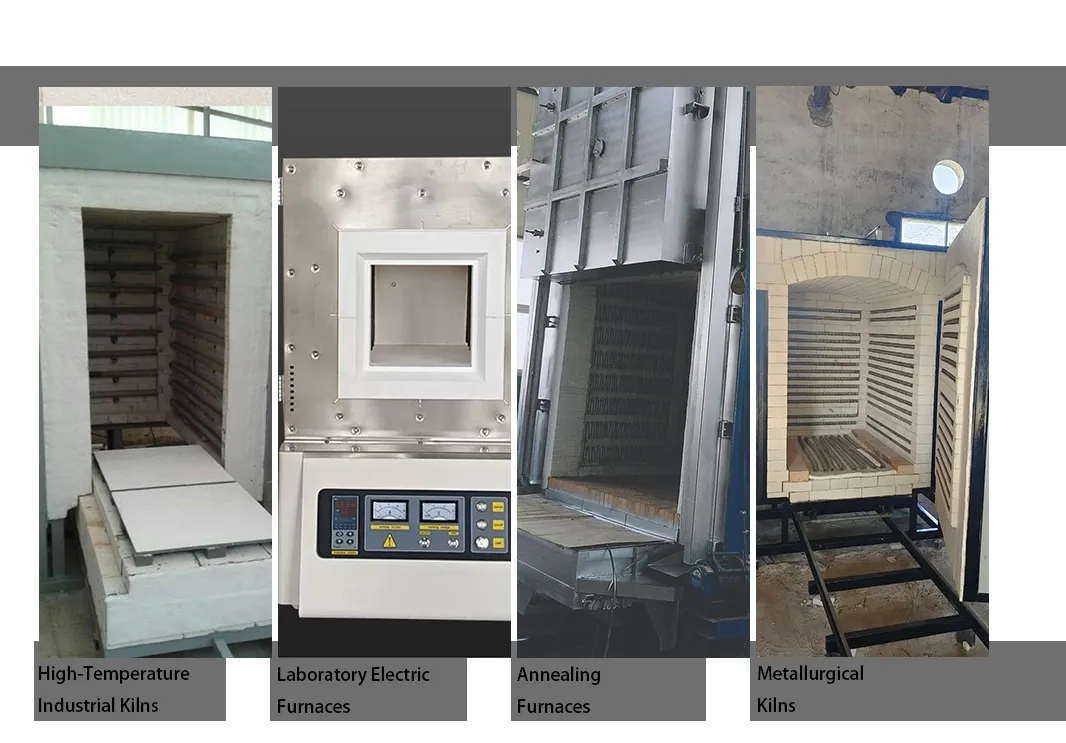
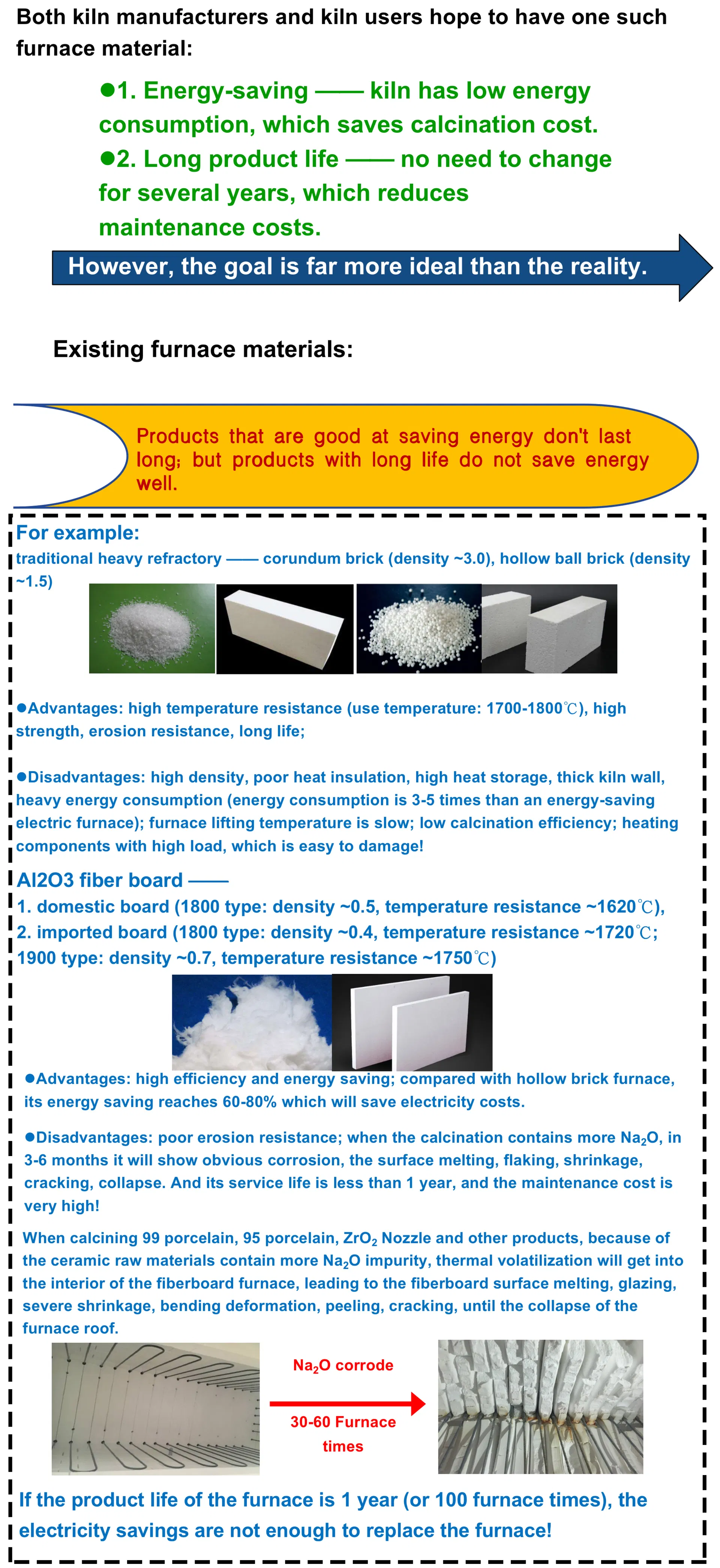
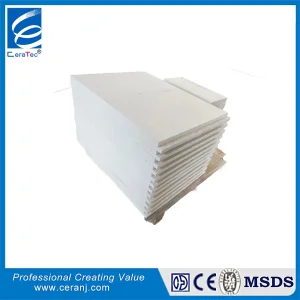
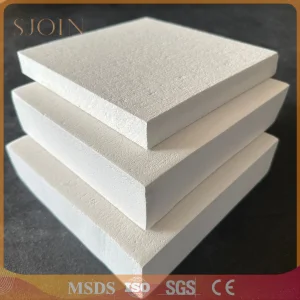
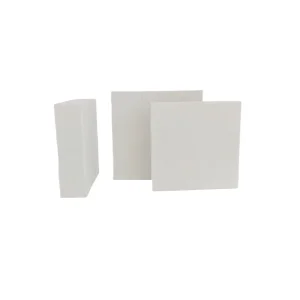
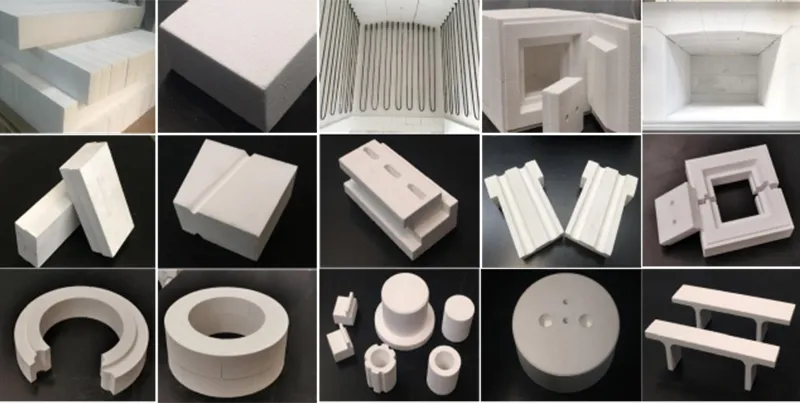
The 1800 type foam ceramic new material board is a new type of lightweight energy-saving foam ceramic heat-resistant insulation material. Its main purpose is to serve as furnace materials for all kinds of high-temperature industrial furnaces and experimental electric furnaces, as well as thermal insulation materials in the aerospace field. The purpose of product development and launch is mainly to replace alumina fiberboard with poor corrosion resistance and short service life, as well as heavy corundum brick and hollow ball brick with serious energy consumption.

Standard Sizes:
1020*120*80mm; 1020*120*75mm; 960*120*70mm; 960*120*60mm; 960*120*50mm; 1000*185*80mm; 1000*200*80mm; 600*300*80mm.

Note: the production cycle of the large board is long and needs to be customized in advance.
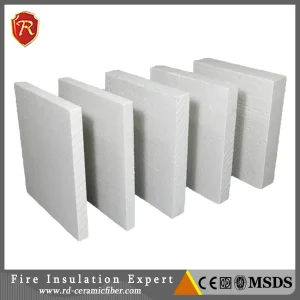
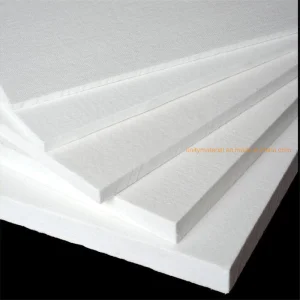
Foam Ceramic Board
Key Features & Benefits
  • High-temperature resistance: Maximum resistance up to 1800℃, long-term at 1750℃.
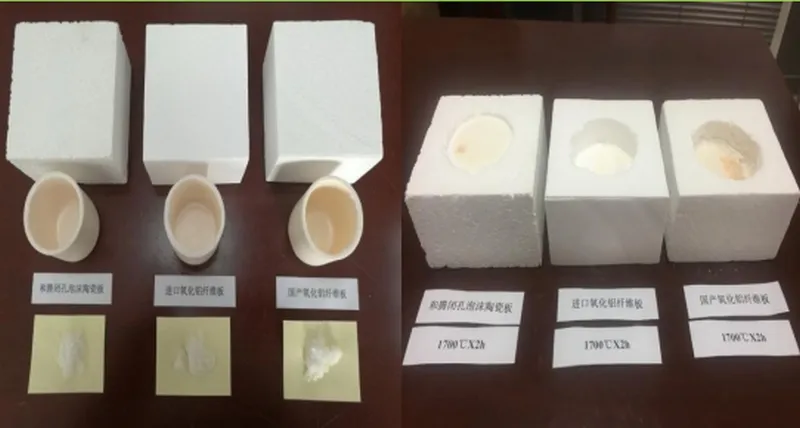
  • Corrosion resistance: Superior acid and alkali resistance compared to alumina fiberboard; service life is 2-3 times longer.
  • High strength: High surface hardness with no slag after air burning.
  • Energy-saving: Low density (0.4 ~ 0.6g/cm³), 50-80% higher energy saving than fire-resistant bricks.
  • Thermal insulation: Micro-Nano closed pores structure ensures low thermal conductivity (~0.24w/m•K at 800℃).
  • Thermal shock resistance: Ideal for rapid temperature changes and high-temperature furnace opening.
  • High purity: White, pure material ensures no pollution to processed products.
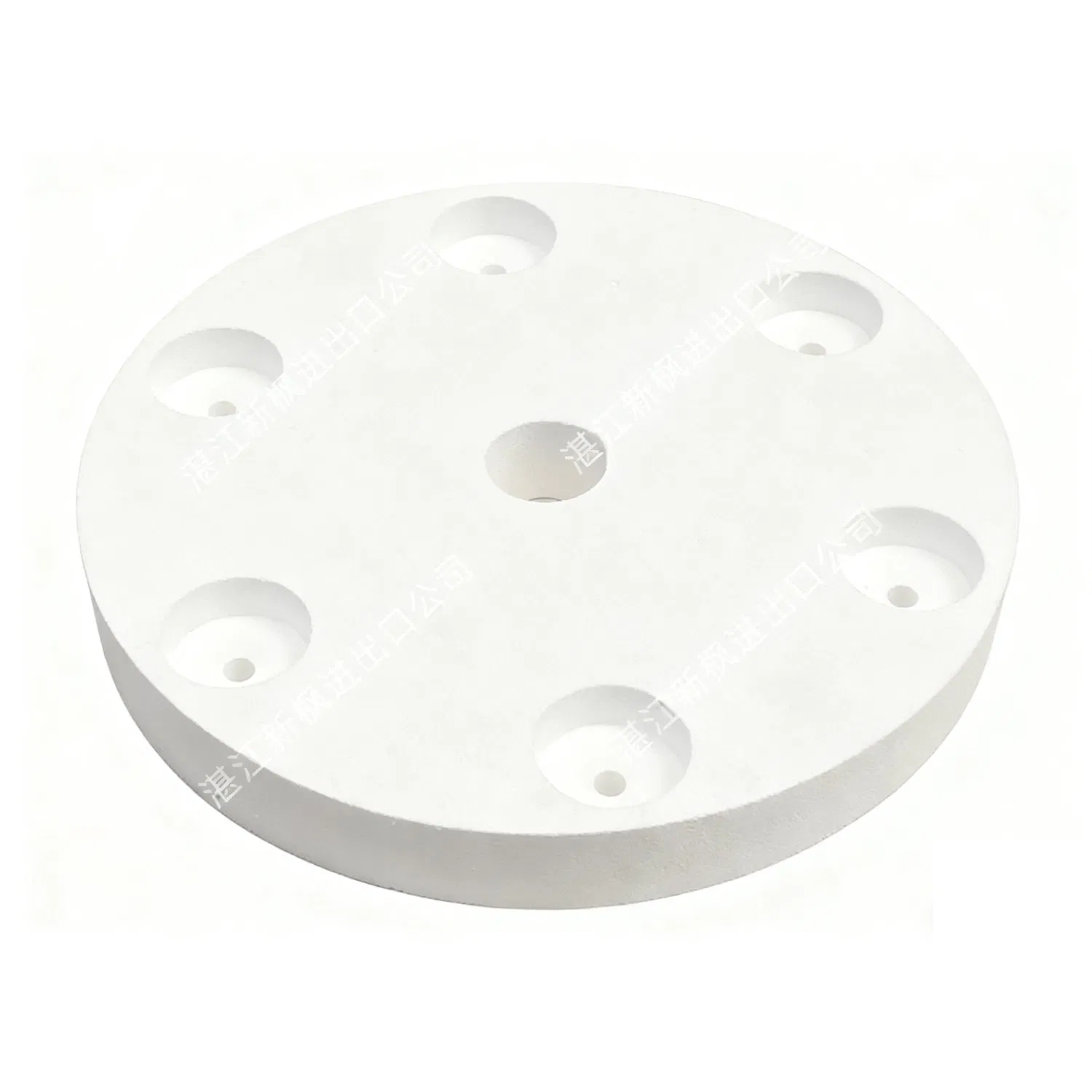
  • Processing: Easy milling, cutting, and simple installation.
  • Versatile Atmosphere: Suitable for air, hydrogen, nitrogen, argon, and vacuum environments.
Application 1
Application 2
📋 Technical Specifications
Product NameHT1800 Type Foam Ceramic Thermal Insulation Material
Crystalline PhaseCorundum/Mullite
Volume Density0.4~0.6g/cm³
Max Use Temperature1800℃
Long-term Use Temperature1750℃
Linear Change on Heating≤±0.5%(1750℃*3h)
Thermal Conductivity~0.24W/m·K (at 800℃)
Compressive Strength~5MPa (at room temperature)
Other FeaturesNo slag drop, Anti-heat shock, Easy to process
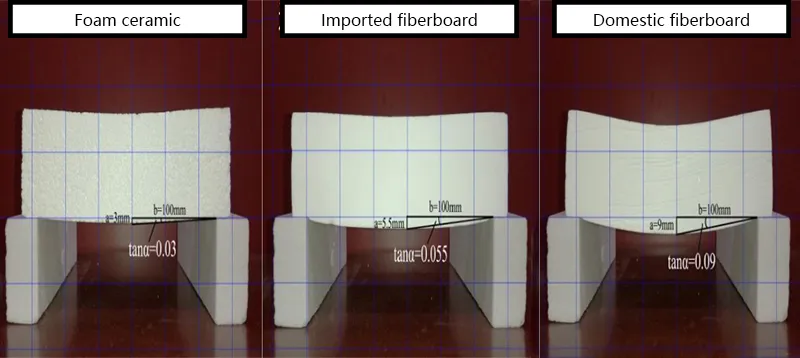
Temperature Resistance Comparison
Corrosion Resistance Comparison
🛡️ Certifications & Packing
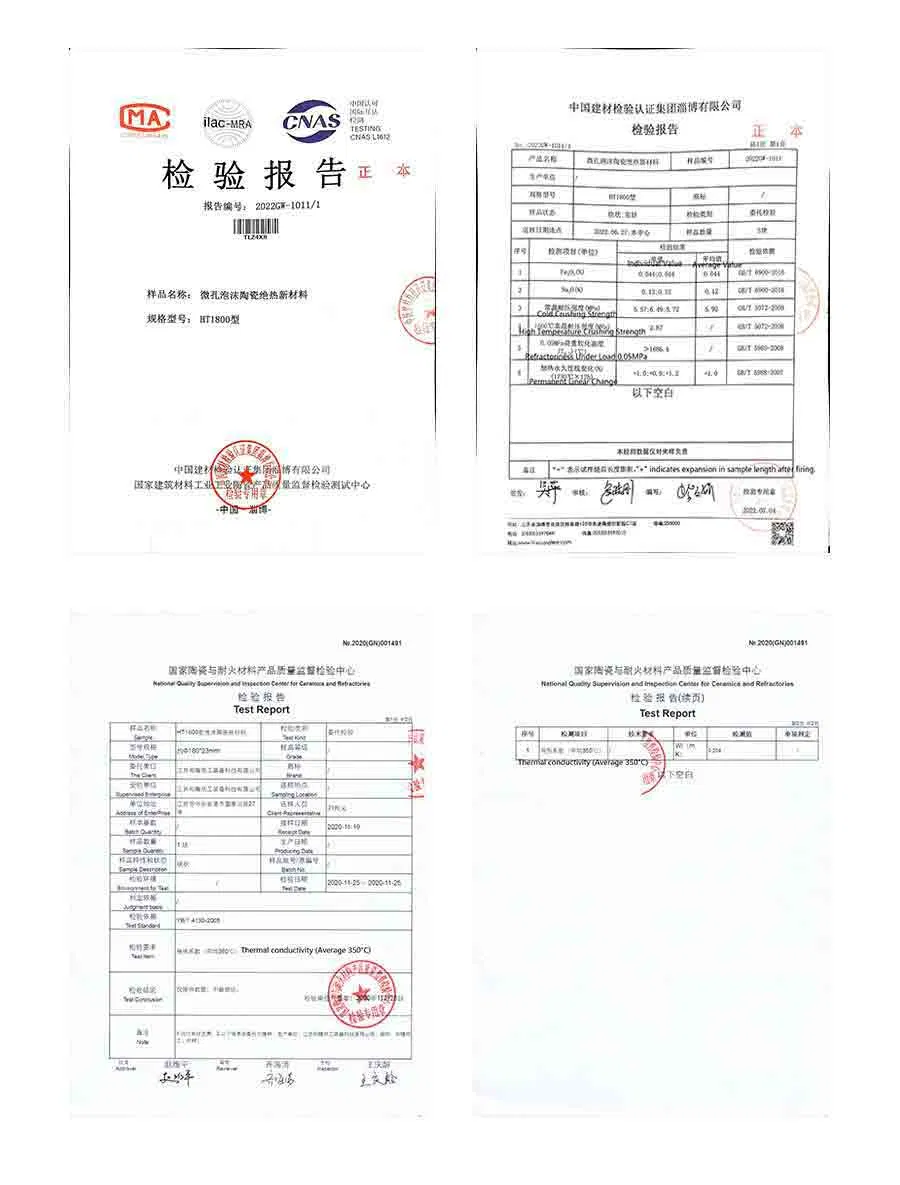
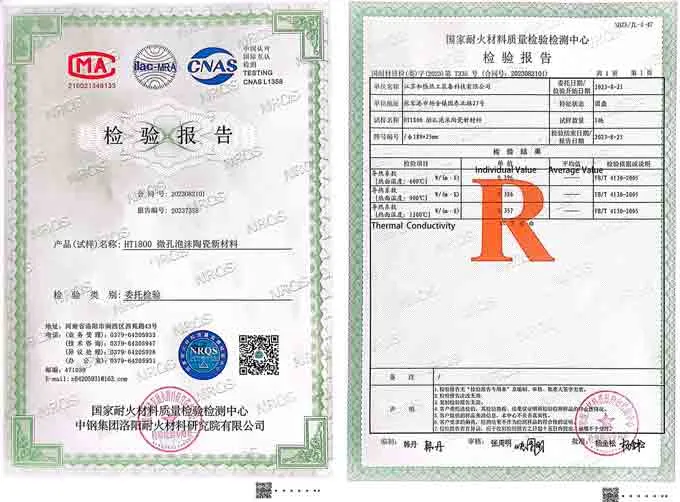
Certification 1
Certification 2
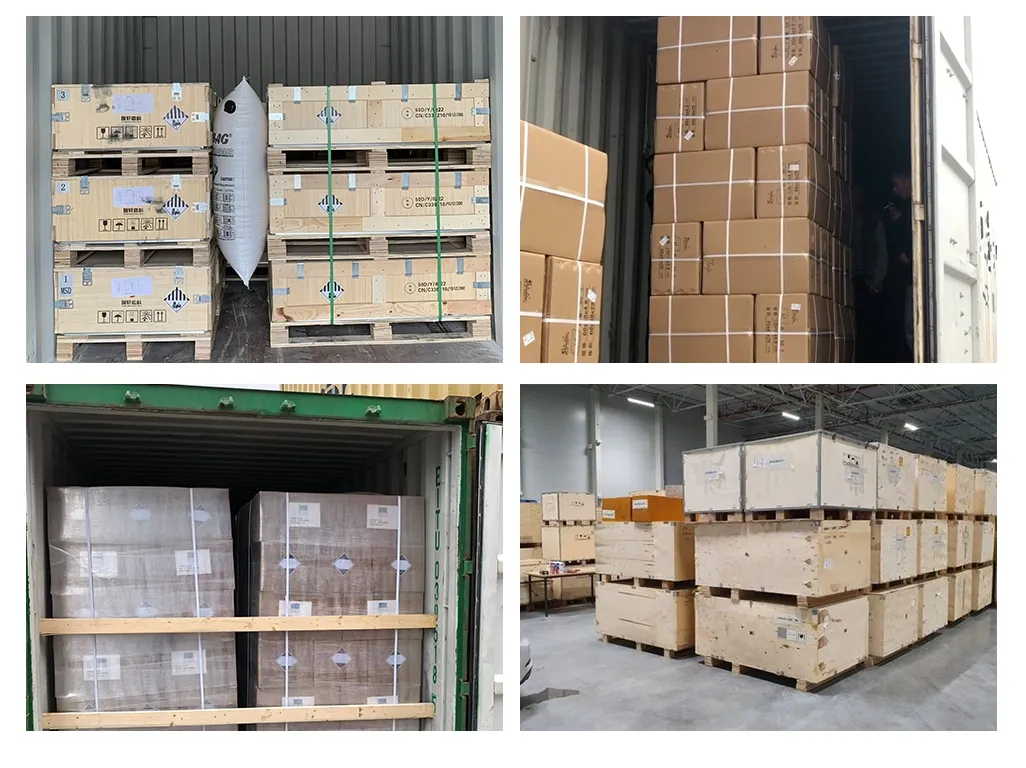
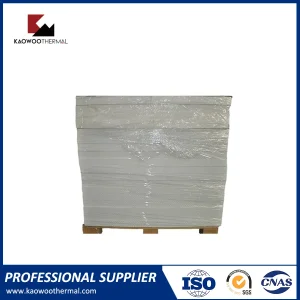
Packing and Delivery
🏢 About the Manufacturer

Specialized manufacturer and supplier of thermal insulation and refractory materials, particularly ceramic fiber products. Annual production capacity exceeds 10,000 tons. Product range includes ceramic fiber paper, gaskets, boards, blankets, felts, bulk, and modules. These materials are widely used in metallurgy, petrochemical, mechanical, and ceramic industries globally across Asia, Europe, Africa, and North America.
Factory Overview
Frequently Asked Questions
Q1: What are the primary advantages of HT1800 foam ceramic over traditional fiberboards?
HT1800 offers superior corrosion resistance (2-3 times longer life), higher surface hardness to prevent slagging, and better stability in various gas atmospheres.
Q2: Can the foam ceramic boards be customized to specific sizes?
Yes. We specialize in customizing dimensions, composition, and density to meet specific technical parameters and industrial furnace requirements.
Q3: What is the typical lead time for an order?
Standard products usually ship within 20 days. Large customized boards or special orders may require a longer production cycle.
Q4: What atmospheres are compatible with this insulation material?
It is suitable for air, hydrogen, nitrogen, argon, and vacuum environments, making it highly versatile for various industrial processes.
Q5: How is the quality of the material verified?
We conduct rigorous testing including XRF/XRD phase analysis and performance tests for thermal conductivity and compressive strength. A Certificate of Analysis (CoA) is provided with each batch.
Q6: What are the accepted payment methods?
We generally accept T/T (Bank Transfer) and L/C. Specific terms can be negotiated based on order volume and long-term cooperation.

Related Products