FibroCeram Materials
FibroCeram Materials
FibroCeram Materials
In the modern industrial era, the petrochemical sector stands as the backbone of global manufacturing, providing the raw materials for everything from plastics to pharmaceuticals. However, the processes involved in refining crude oil and processing natural gas require extreme temperatures—often exceeding 1000°C or dipping into cryogenic levels for LNG. As a premier petrochemical insulation manufacturer, we recognize that thermal management is not just about energy efficiency; it is about operational safety, asset longevity, and environmental responsibility.
The global petrochemical insulation market is currently experiencing a transformative phase. With the rise of "Mega-Refineries" in the Middle East and the expansion of shale gas processing in North America, the demand for high-performance refractory materials like ceramic fiber and nano-aerogels has surged. In 2024, the focus has shifted towards materials that can withstand "CUI" (Corrosion Under Insulation), a multi-billion dollar problem in the industry. Modern factories are now looking for hydrophobic insulation solutions that prevent moisture ingress while maintaining superior thermal resistance.
Modern petrochemical plants are moving towards modular construction. Insulation modules are now pre-engineered and "plug-and-play," reducing onsite installation time by up to 40%.
The transition from traditional rockwool to Nano-Aerogel composites allows for thinner insulation layers with better performance, saving critical space in complex piping networks.
Green manufacturing processes in our China factory ensure that refractory products have a lower carbon footprint, helping global firms meet ESG targets.
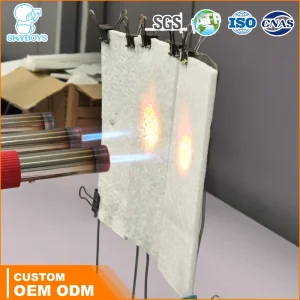
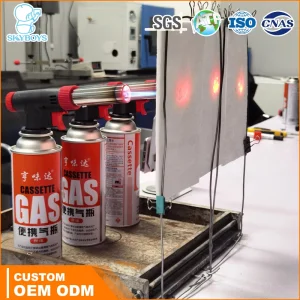
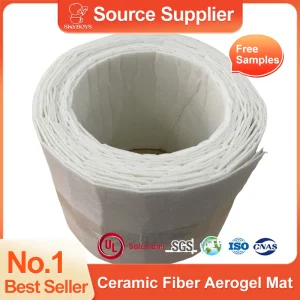
Our Aerogel thermal insulation blankets represent the pinnacle of modern material science. Designed specifically for the rigorous demands of petrochemical refineries, these blankets offer thermal conductivity as low as 0.015 W/m·K. Unlike traditional materials, our aerogel felt is highly flexible, allowing it to wrap around small-diameter pipes and complex valves without cracking.
In high-humidity environments typical of coastal petrochemical hubs, the hydrophobic nature of our aerogel ensures that the insulation does not absorb water, thereby virtually eliminating the risk of Corrosion Under Insulation (CUI). This translates to reduced maintenance costs and extended life cycles for your multimillion-dollar piping assets.
Professional Thermal Insulation Material Experts

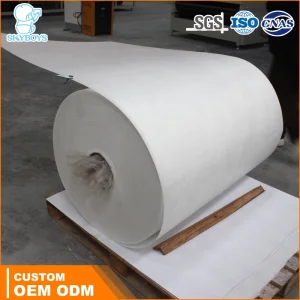
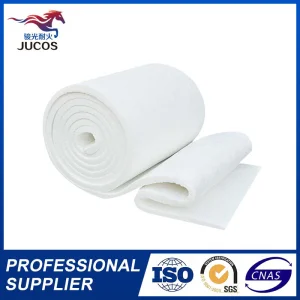
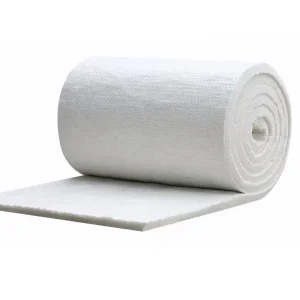
Temp: 1260C-1430C | Thickness: 6mm-50mm | Density: 64-160kg/m3.

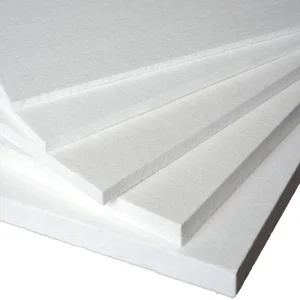
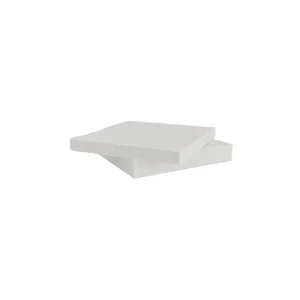
Temp: 1260C-1430C | Thickness: 6mm-100mm | Density: 220-600kg/m3.

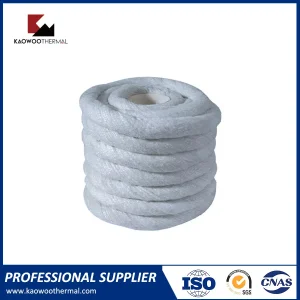
Types: Standard, High Al, ZrO2 | Thickness: 1mm-10mm.

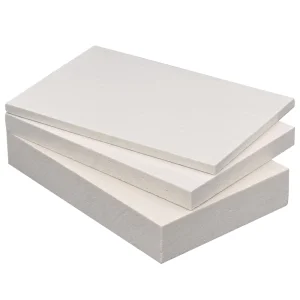
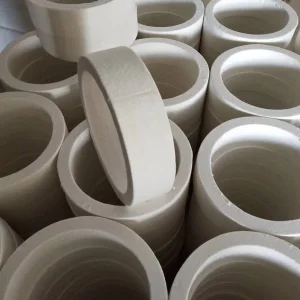
Stack bonded & folded types | Density: 160-240kg/m3 | Pre-installed anchors.
Procurement managers for global EPC (Engineering, Procurement, and Construction) companies face immense pressure to balance quality with cost-efficiency. Sourcing from a top-tier Chinese manufacturer like Henan FibroCeram offers a competitive edge that is difficult to match elsewhere. Our facility integrates the entire production chain, from raw alumina-silica melting to final needle-punching and quality testing.
Cost-Effectiveness without Compromise: By leveraging China's robust industrial supply chain and advanced automation, we provide products that meet or exceed ASTM and ISO standards at a fraction of the cost of Western competitors. This allows our clients to allocate their budgets more effectively across large-scale projects.
Customization & R&D: We don't just sell off-the-shelf products. Our engineering team works directly with petrochemical plants to develop localized application solutions—whether it's high-density boards for furnace linings or custom-cut gaskets for high-pressure valves. Our "AI-Ready" manufacturing process ensures precise density control and thickness consistency across thousands of square meters.
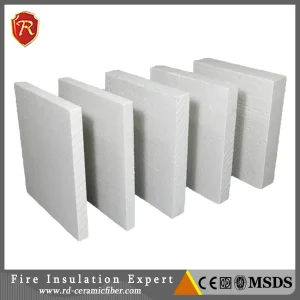
Our High-Temperature Ceramic Fiber Insulation Boards are vacuum-formed to provide rigid, self-supporting solutions for furnace walls and combustion chambers. These boards are designed to resist high gas velocities and thermal shock, making them ideal for the intense environments of Ethylene crackers and Reformers.
Key advantages include excellent machining capabilities—they can be cut, drilled, or shaped to fit intricate furnace geometries. With density options up to 600kg/m3, these boards serve as an excellent primary lining or back-up insulation to ensure the exterior shell of the furnace remains at safe touch temperatures, protecting workers and reducing radiated heat loss.
Global Industrial Applications and Specialized Sectors

RTO incinerator, shuttle kilns, rotary kilns, Muffle furnaces etc.
Movable and tunnel kilns for ceramics and red bricks.

High-efficiency thermal insulation for commercial pizza ovens.
Essential refractory materials for blast furnaces and ladles.

Certified high-density fireproof core materials.

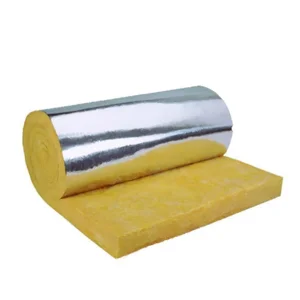
Ceramic fiber or Rockwool for complex industrial piping.
Every region has its unique challenges. In Southeast Asia's tropical climate, petrochemical facilities deal with high humidity and salt spray, necessitating insulation with superior anti-corrosive properties. In contrast, projects in Siberia or Canada require materials that maintain flexibility and insulation value at extreme sub-zero temperatures. Our factory produces specialized petrochemical insulation grades designed for these localized stressors.
For instance, in LNG (Liquefied Natural Gas) facilities, our cryogenic-capable aerogel blankets prevent the surrounding air from condensing on the pipes, which would otherwise lead to massive energy loss and ice build-up. In Ethylene production, where temperatures in the cracking furnace are localized and extreme, our ceramic fiber modules provide the necessary thermal barrier to protect the furnace casing and ensure a uniform heat distribution, which is critical for chemical yield.
Furthermore, we support the Green Hydrogen initiative by providing insulation for high-temperature electrolyzers. As the world moves toward sustainable energy, our factory is at the forefront, developing materials that facilitate the safe and efficient transport of future fuels.