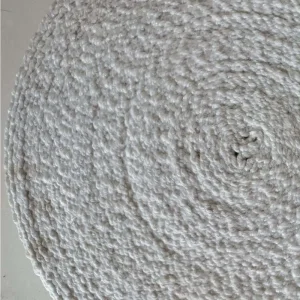
FibroCeram Materials
FibroCeram Materials
FibroCeram Materials
The global cryogenic insulation market is experiencing an unprecedented surge, driven by the expanding Liquefied Natural Gas (LNG) infrastructure and the burgeoning Hydrogen Economy. As the world shifts toward cleaner energy sources, the demand for highly efficient Cryogenic Insulation Fiber has transitioned from a niche industrial requirement to a critical global commodity. From the frozen reaches of aerospace liquid oxygen tanks to the intricate piping of superconducting magnets in medical MRI machines, these fibers provide the essential thermal barrier that makes modern sub-zero technology possible.
Large-scale air separation units (ASUs) and LNG terminals require millions of square meters of insulation to maintain temperatures as low as -196°C.
The transition from traditional perlite and mineral wool to Silica Aerogel-based fibers is the dominant trend, offering 3x-5x better thermal performance.
Global Tier-1 contractors now prioritize ASTM-certified materials with zero flame spread and minimal moisture absorption (hydrophobicity).
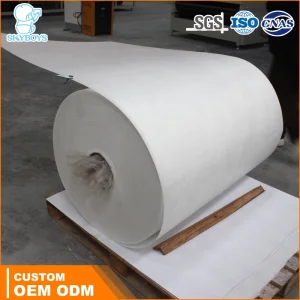
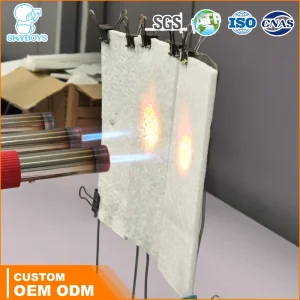
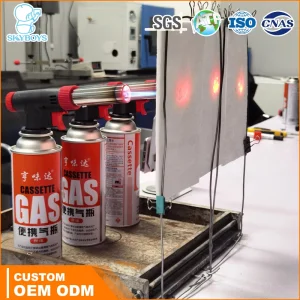
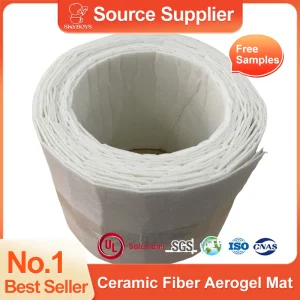
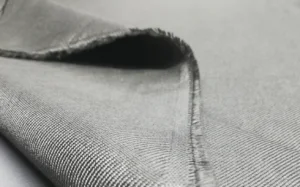
Our flagship Building Material Aerogel Thermal Insulation Blanket represents the pinnacle of cryogenic science. By embedding silica aerogel within a high-strength ceramic fiber matrix, we've created a material with the world's lowest thermal conductivity.
Explore Technical Specifications →
Titan New Material is a major ceramic fiber manufacturer in China. We offer a comprehensive suite of high-performance materials including ceramic fiber blankets, bulk fiber, boards, papers, modules, refractory castables, and refractory bricks, serving over 50 countries worldwide.

Classified into 1260C, 1300C, and 1430C. Thickness: 6mm-50mm. Density: 64-160kg/m3.

Temperatures 1260C and 1430C. Thickness: 6mm-100mm. Density up to 600kg/m3.

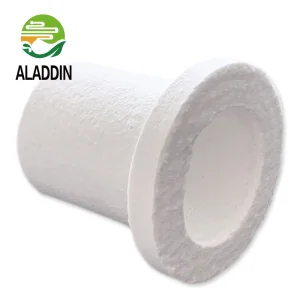
Standard 1260C, High-Alum 1350C, ZrO2 1430C. Thickness: 1mm-10mm.

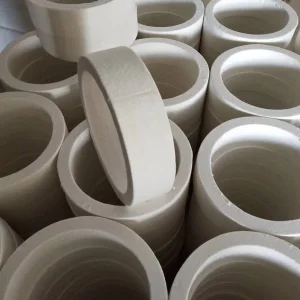
Folded or Stack bonded. Density: 160-240kg/m3. Pre-installed Type S/M/T anchors.
Our laboratory focuses on nanofiber synthesis and aerogel impregnation, ensuring we stay ahead of international standards like ISO and ASTM.
Located in the heart of China's industrial hub, we leverage integrated supply chains to offer 20-30% lower costs than European counterparts without compromising quality.
From custom vacuum-formed shapes to specific fiber densities, we provide OEM/ODM services tailored to your specific cryogenic project requirements.
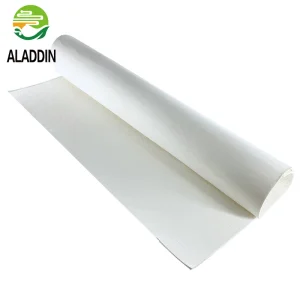
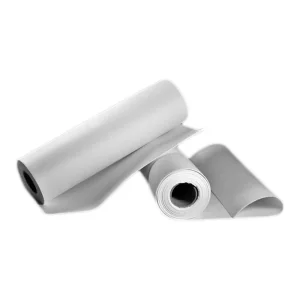
The rise of Electric Vehicles (EVs) requires advanced fire protection. Our Lightweight Heat Resistant 1260c Ceramic Fiber Paper is specifically designed for battery pack thermal runaway prevention.
Our ceramic fiber products are widely used in ceramics industry, metallurgical industry, electric appliances, pipe thermal wrapping, and passive fire protection sectors.

RTO incinerators, shuttle kilns, rotary kilns, and Muffle furnaces.
Movable and tunnel kilns for high-quality ceramics and red bricks.

Superior thermal insulation specifically designed for pizza ovens.
Heavy-duty refractory materials for extreme smelting environments.
High-density blankets used for safety-rated fire door cores.

Industrial piping thermal wrapping using Ceramic fiber or Rockwool.
In North America, the shale gas revolution has increased the demand for modular LNG liquefaction plants. These plants utilize our fiber blankets for cold-box insulation, where traditional perlite often fails due to settling. By using our Nano Aerogel Silica Blankets, operators have reported a 15% reduction in boil-off gas (BOG) rates.
In Europe, the focus on Green Hydrogen is creating a massive market for cryogenic storage tanks. Hydrogen must be stored at -253°C, necessitating the absolute best insulation available. Our factory is currently collaborating with EU energy firms to develop multilayer insulation (MLI) systems using ultra-thin ceramic fiber papers as spacers.
Cryogenic insulation isn't just about stopping heat; it's about managing Radiative Heat Transfer and Gas Conduction. Our fibers are engineered with a specific "aspect ratio" to maximize the trapping of air molecules, effectively creating a vacuum-like environment at a fraction of the cost. The addition of opacifiers within the fiber matrix further blocks infrared radiation, making our materials the preferred choice for long-term cryogenic liquid storage.