FibroCeram Materials
FibroCeram Materials
FibroCeram Materials
Leading-edge thermal solutions for extreme environments.
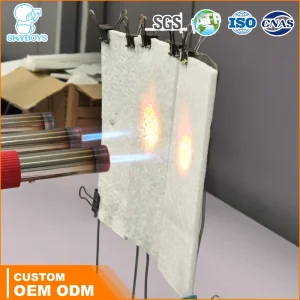
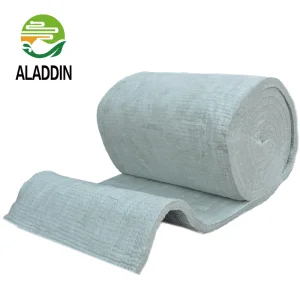
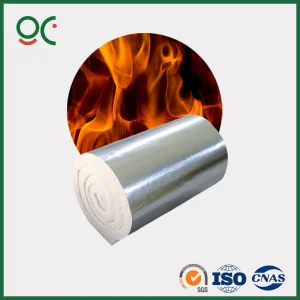
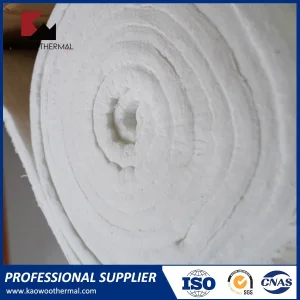
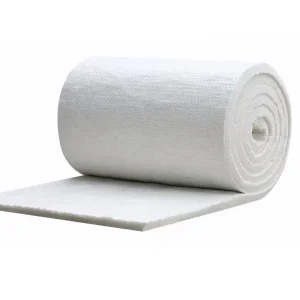
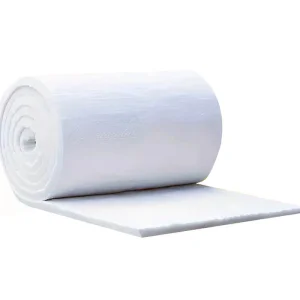
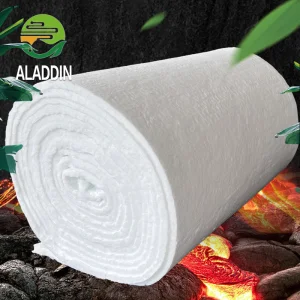
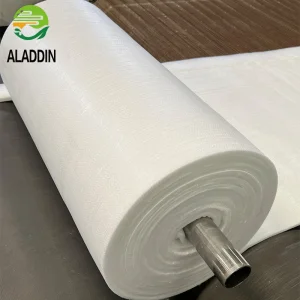
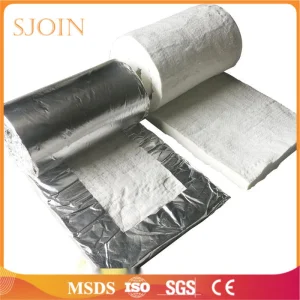
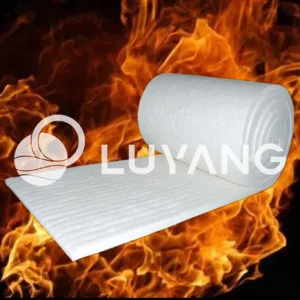
In the contemporary industrial landscape, the shift toward health-conscious and environmentally friendly materials is no longer a trend—it is a global mandate. The Soluble Fiber Blanket (also known as Bio-soluble fiber or AES fiber) has emerged as the premier alternative to traditional Refractory Ceramic Fibers (RCF). Composed of Alkaline Earth Silicate (AES) wool, these blankets are engineered to dissolve in body fluids, significantly reducing health risks to workers while maintaining exceptional thermal insulation properties.
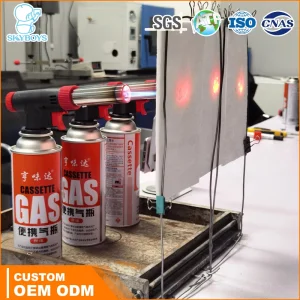
Globally, the market for soluble fiber blankets is witnessing exponential growth, driven by stringent workplace safety regulations in the European Union (REACH) and North America (OSHA). Industries from petrochemicals to aerospace are demanding materials that combine high-temperature resistance (up to 1200°C - 1430°C) with low bio-persistence. As a result, the top 10 soluble fiber blanket factories have shifted their R&D focus toward enhancing the tensile strength and thermal stability of these eco-friendly alternatives.
Modern factories are integrating AI and IoT to monitor needle-punching density and fiber consistency in real-time, ensuring zero-defect production for global exporters.
Carbon neutrality goals are pushing procurement managers to source "Green Refractories." Soluble fiber blankets reduce the energy consumption of industrial kilns by up to 30% compared to traditional brick linings.
There is a rising demand for pre-fabricated ceramic fiber modules. These custom-shaped units allow for rapid installation in large-scale industrial furnaces, saving weeks of labor cost.
Procurement teams from the Middle East, Southeast Asia, and Europe are increasingly looking for reliable Chinese partners like Henan FibroCeram Advanced Materials Co., Ltd.. The requirement is no longer just "price," but a combination of thermal efficiency, material safety data (MSDS) compliance, and logistics reliability. As global energy costs fluctuate, the demand for lightweight, high-insulation blankets is reaching an all-time high.
Thermal Insulation Material Experts & Major Chinese Manufacturer

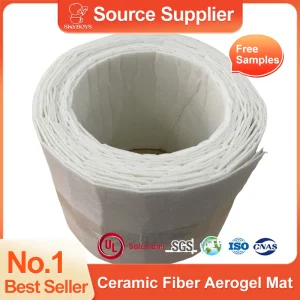
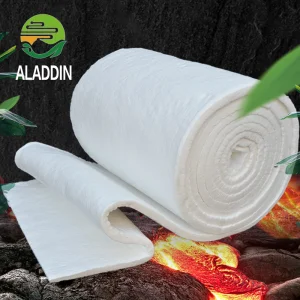
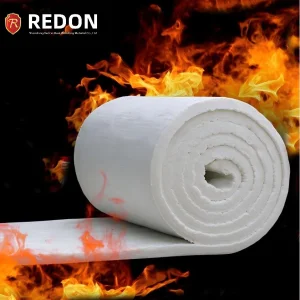
Classified into 1260°C, 1300°C, and 1430°C. Thicknesses from 6mm to 50mm and densities from 64kg/m³ to 160kg/m³.

High-density vacuum-formed boards for 1260°C and 1430°C. Densities up to 600kg/m³ for structural rigidity.

Ultra-thin gaskets and seals. Thickness from 1mm to 10mm. Types include standard, high aluminum, and ZrO2 variants.

Made from folded or stack-bonded blankets. Density ranges from 160kg/m³ to 240kg/m³ with pre-installed S/M/T anchors for fast installation.
Our solutions are engineered for diverse industrial sectors across the globe.

Essential for RTO incinerators, shuttle kilns, and rotary kilns, providing superior heat containment.
Optimizing tunnel kilns for red bricks and fine ceramics, reducing fuel consumption through better insulation.

Safe and efficient thermal insulation for the food service industry, ensuring external surfaces remain cool.

Refractory linings for furnaces and ladles, resistant to thermal shock and high chemical exposure.
High-density soluble fiber blankets provide critical fire resistance for architectural safety standards.

Preventing heat loss in steam pipes and petrochemical conduits with flexible fiber wrapping.
China has become the global hub for high-temperature insulation materials, not just because of scale, but because of technological maturity and supply chain integration. As a leading exporter, Chinese factories offer several distinct advantages: