FibroCeram Materials
FibroCeram Materials
FibroCeram Materials
Industry-Leading Solutions for Extreme Heat Environments
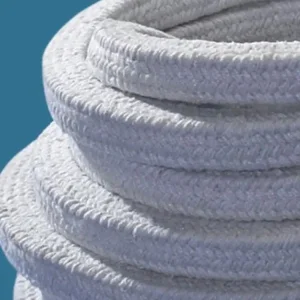
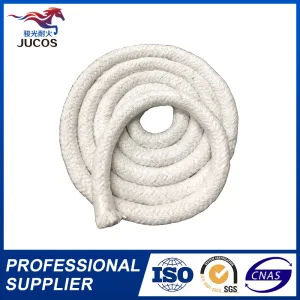
The global demand for refractory fiber rope has seen a significant surge as industries worldwide prioritize energy efficiency and operational safety. As an essential component in high-temperature sealing, these ropes are engineered to withstand temperatures exceeding 1260°C, making them indispensable in metallurgy, petrochemical processing, and power generation.
From the heavy industrial hubs in the United States and Germany to the rapidly expanding manufacturing sectors in India and Southeast Asia, the need for reliable thermal insulation textiles is at an all-time high. Modern factories are no longer just looking for "heat-resistant string"; they are seeking advanced composite materials that offer low thermal conductivity, chemical stability, and exceptional mechanical strength.
How the Top 10 Factories are Innovating for Tomorrow
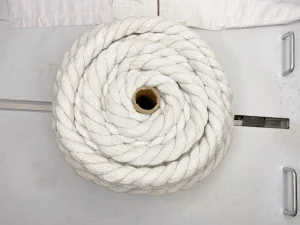
The transition from traditional refractory materials to bio-soluble fibers and high-alumina ceramic ropes is the most prominent trend. Manufacturers are investing heavily in R&D to create fibers that are safer for workers (non-carcinogenic) while maintaining the structural integrity needed for industrial gaskets. Furthermore, the integration of stainless steel wire or fiberglass filament reinforcement has become a standard for "Top 10" factories to enhance the tensile strength of twisted and braided ropes.
Procurement officers in the EU and NA regions are shifting focus toward total cost of ownership (TCO) rather than just the initial price. Key requirements include:
Selecting the right refractory fiber rope factory involves more than a Google search. The top global enterprises now utilize data-driven sourcing to identify suppliers who can provide consistent fiber diameters and minimal "shot" (unfiberized material) content. This technical precision ensures that the rope does not become brittle over time, extending the lifespan of furnace doors and expansion joints by up to 40%.
Thermal Insulation Material Experts
Henan FibroCeram (Titan New Material) is a major ceramic fiber manufacturer in China. We offer a comprehensive suite of high-performance materials including ceramic fiber blankets, bulk fiber, boards, papers, modules, refractory castables, and refractory bricks.
Our position as a leading Chinese factory allows us to leverage a robust supply chain, providing high-quality Refractory Fiber Ropes at competitive global prices. We combine traditional craftsmanship with modern AI-driven quality control to ensure every meter of rope meets rigorous industrial standards.

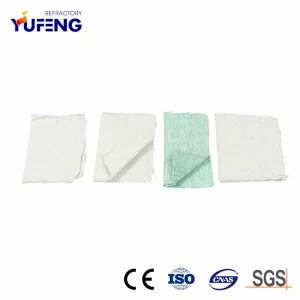
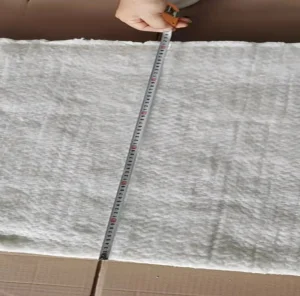
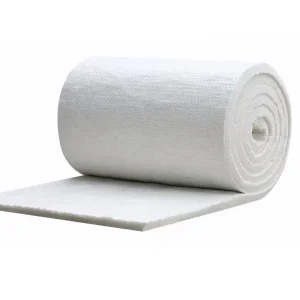
Classified into three temperatures: 1260C, 1300C, and 1430C. Thickness: 6mm to 50mm. Densities: 64kg/m3 to 160kg/m3.

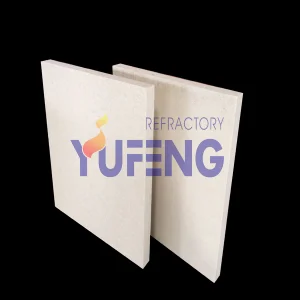
Classified into 1260C and 1430C. Thickness: 6mm to 100mm. Densities: 220kg/m3 to 600kg/m3.

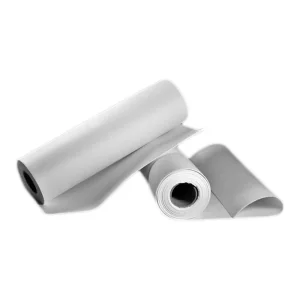
Three types: 1260C Standard, 1350C High Aluminum, 1430C ZrO2. Thickness: 1mm to 10mm.

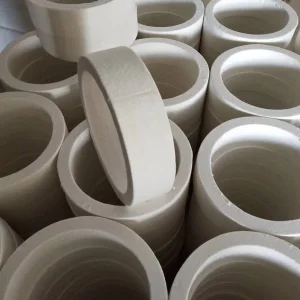
Stack bonded and folded types. Density: 160kg/m3 to 240kg/m3. Pre-installed Type S/M/T anchors available.
Diverse Applications for Refractory Fiber Rope and Textiles
As one of the world's leading exporters of refractory fiber ropes, Chinese factories like Henan FibroCeram offer unparalleled advantages in the global market. Our proximity to high-quality raw material sources (alumina and silica) allows for a significant reduction in production costs without sacrificing purity.
Furthermore, our facility has integrated Advanced Manufacturing 4.0 principles. By using automated braiding machines and precision tension controllers, we ensure that every square braided rope or twisted yarn has a uniform density. This eliminates "soft spots" in gaskets that can lead to hazardous gas leaks in industrial furnaces.
When searching for the top 10 refractory fiber rope factories, it is vital to look beyond marketing claims. A true industry leader must demonstrate proficiency in three core areas: Thermal Dynamics, Chemical Resistance, and Mechanical Durability.
High-quality ceramic fiber ropes should have a low shrinkage rate (typically less than 3% at 1000°C). Top factories use a "spun" fiber process rather than a "blown" process for ropes, as spun fibers are longer and provide better interlocking strength, which translates to better insulation value.
In the petrochemical industry, ropes are often exposed to corrosive atmospheres. The best factories produce fibers with high zirconia content to resist chemical attack and prevent the rope from disintegrating in acidic or alkaline environments.
Refractory ropes are often classified by their reinforcement material. For applications up to 650°C, glass fiber reinforcement is sufficient. However, for extreme applications up to 1260°C, Inconel wire or stainless steel wire reinforcement is required to maintain the rope's shape under physical stress.
By choosing a factory from the top tier, you are ensuring that your industrial assets are protected by materials that have undergone rigorous thermal cycling tests. Henan FibroCeram prides itself on being at the forefront of this technical excellence.
Reliable Insulation for Every Industrial Need