FibroCeram Materials
FibroCeram Materials
FibroCeram Materials
In the modern industrial landscape, furnace doors represent one of the most critical yet vulnerable points for energy loss. As industries worldwide strive for Net-Zero emissions, the demand for high-performance Furnace Door Insulation has skyrocketed. Globally, the market for refractory materials is shifting from traditional heavy bricks to lightweight, high-efficiency ceramic fiber solutions.
From the massive steel mills in the Ruhr Valley of Germany to the high-tech semiconductor fabrication plants in Taiwan, effective insulation ensures that thermal energy remains focused on the process rather than leaking into the environment. This not only reduces fuel consumption by up to 30% but also extends the mechanical life of the furnace door structures by preventing heat-induced warping.
Max Temp Resistance
Energy Savings
Exporting Countries
Technical Support
Environmental regulations in Europe (REACH) and North America are pushing suppliers to innovate. The industry is moving towards Alkaline Earth Silicate (AES) fibers which offer low bio-persistence while maintaining excellent refractory properties. As a top 10 supplier, we are at the forefront of this transition, providing materials that are safe for both the environment and workers.
We are seeing an increase in "Smart Furnaces" where insulation thickness and density are calculated using AI-driven thermal modeling. This ensures that every millimeter of ceramic fiber blanket or board is optimized for the specific heat profile of the kiln, reducing material waste and cost.
Time is money in heavy industry. The trend of using Ceramic Fiber Modules instead of loose wool or blankets for furnace doors allows for rapid "hot swaps." A furnace door that once took 48 hours to reline can now be refurbished in under 8 hours using our pre-engineered anchor systems.
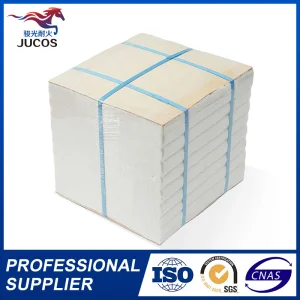
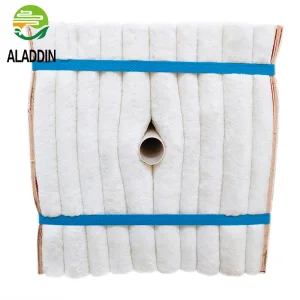
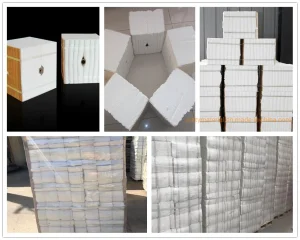
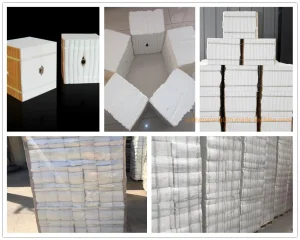
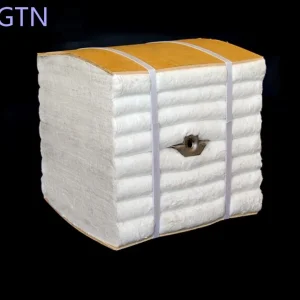
Our modules, such as the 1260 Standard Folding Module, are designed with internal hardware that allows for easy attachment to the furnace casing, ensuring a tight seal that prevents "hot spots" on the door exterior.
The procurement landscape for Furnace Door Insulation has shifted significantly toward China. As a major hub for refractory production, Chinese factories offer a unique combination of scale, technological sophistication, and supply chain integration.
Located in the heart of China's refractory raw material base, Henan FibroCeram Advanced Materials Co., Ltd. leverages local mineral resources to provide high-purity Alumina-Silicate products. Our competitive edge includes:
Petrochemical: Lining for ethylene crackers and reform furnace doors.
Aluminum Smelting: Insulation for holding furnaces and launders where non-wetting properties are crucial.
Ceramics: High-speed shuttle kilns where low thermal mass allows for faster firing cycles.
Power Generation: Boiler access doors and expansion joints requiring high flexibility.
Thermal Insulation Material Experts
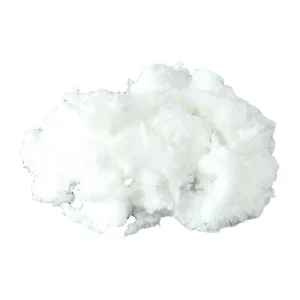
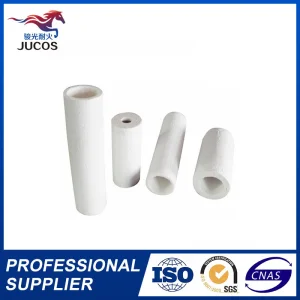
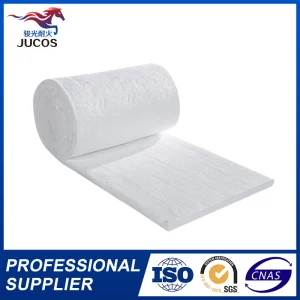
Titan New Material is a major ceramic fiber manufacturer in China. We offer ceramic fiber blankets, bulk fiber, boards, papers, modules, refractory castables, refractory bricks, etc.

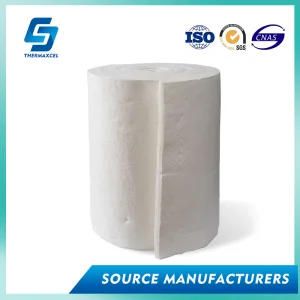
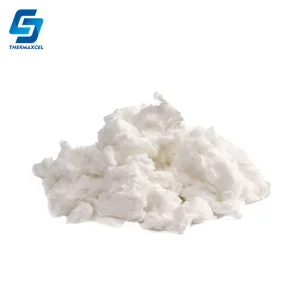
Classified into three temperatures 1260C, 1300C and 1430C with thickness ranging from 6mm to 50mm and densities from 64kg/m3 to 160kg/m3.

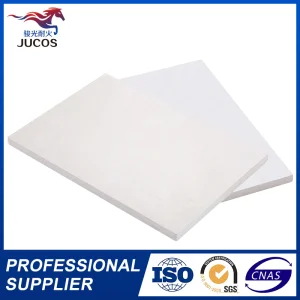
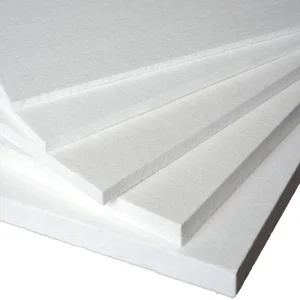
Classified into two temperatures 1260C and 1430C with thickness ranging from 6mm to 100mm and densities from 220kg/m3 to 600kg/m3

Three types: 1260C standard, 1350C high aluminum, 1430C ZrO2 with thickness 1mm to 10mm.

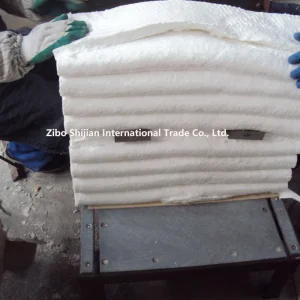
Made out of blankets. Stack bonded and folded types. Density 160kg/m3 to 240kg/m3. Type S/M/T anchors available.

RTO incinerator, shuttle kilns, rotary kilns, rolling kilns, Muffle furnaces etc

Movable and tunnel kilns for ceramics and red bricks

Thermal insulation for pizza ovens

Refractory materials are widely used in the steel industry

High-density blankets used for fire door thermal cores.

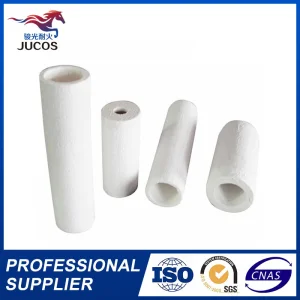
Ceramic fiber and Rockwool for industrial piping systems.
Choosing the right Furnace Door Insulation requires an understanding of the thermal environment. Unlike the static walls of a furnace, the door is subject to mechanical vibration, rapid cooling when opened, and high-velocity gas impingement.
We categorize our products into three primary grades:
1. Standard Grade (1260°C): Suitable for most heat treatment furnaces and kilns where the continuous operating temperature is below 1050°C.
2. High-Alumina Grade (1350°C): Contains a higher percentage of Al2O3, offering better resistance to shrinkage at high temperatures.
3. Zirconia Grade (1430°C): The addition of Zirconia (ZrO2) stabilizes the fiber structure, making it ideal for the most demanding applications in the steel and glass industries.
Density is not just about weight; it's about Thermal Conductivity. For a furnace door, a higher density (such as 128kg/m³ or 160kg/m³) is often preferred for blankets to ensure they don't sag under their own weight. For modules, densities up to 240kg/m³ provide the mechanical robustness needed to withstand the "shocks" of door operation.
Proper installation is key to insulation longevity. Our Ceramic Fiber Modules come with pre-installed hardware (Anchors) made from heat-resistant alloys like SS304, SS310, or Inconel 601. These anchors are welded to the door casing, and the modules are then "compressed" together during installation to eliminate joints, creating a seamless, monolithic thermal barrier.
Ready to optimize your furnace door insulation?
Contact Henan FibroCeram Advanced Materials Co., Ltd. today for a technical consultation and global export pricing.