FibroCeram Materials
FibroCeram Materials
FibroCeram Materials
The Fireproof Fiber Paper industry is currently witnessing a transformative phase, driven by the increasing demand for lightweight and high-efficiency thermal barriers. Globally, the market for ceramic fiber paper is expanding beyond traditional furnace linings into high-tech sectors such as aerospace, electric vehicle (EV) battery safety, and semiconductor manufacturing. As industries strive for carbon neutrality, the shift from heavy refractory bricks to high-performance fiber paper is accelerating due to its superior insulating properties and significantly lower heat storage.
In North America and Europe, stringent fire safety regulations in the construction and automotive sectors have made fireproof fiber paper a critical component in passive fire protection. Meanwhile, the Asia-Pacific region, led by China, remains the manufacturing powerhouse, supplying over 60% of the world's refractory fiber needs. The integration of AI in manufacturing processes is now allowing factories to produce paper with unprecedented thickness precision (as thin as 0.5mm) and uniform density.
The industry is moving towards bio-soluble fibers that are environmentally friendly and safer for workers, meeting the "Green Refractory" standards of the EU and USA.
Thin fireproof paper is now a staple in EV battery packs to prevent thermal runaway, acting as a critical heat shield between cells.
Applying nanotechnology to fiber paper production to achieve lower thermal conductivity at higher temperatures without increasing weight.
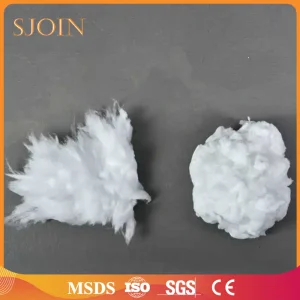
Thermal Insulation Material Experts: Titan New Material is a major ceramic fiber manufacturer in China. We offer a comprehensive range of ceramic fiber blankets, bulk fiber, boards, papers, modules, refractory castables, and refractory bricks.

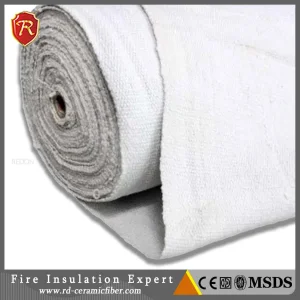
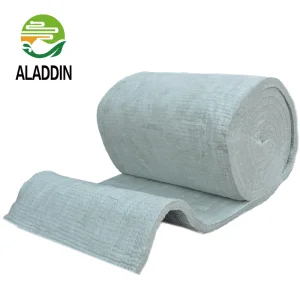
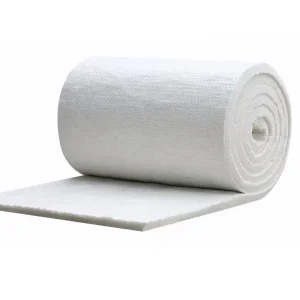
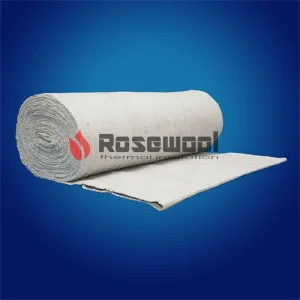
Ceramic fiber blankets are classified into three temperatures 1260C, 1300C and 1430C with thickness ranging from 6mm to 50mm and densities from 64kg/m3 to 160kg/m3.

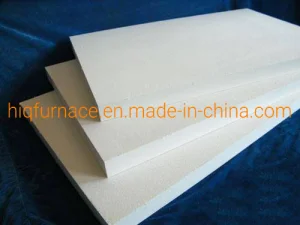
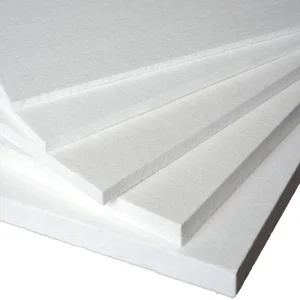
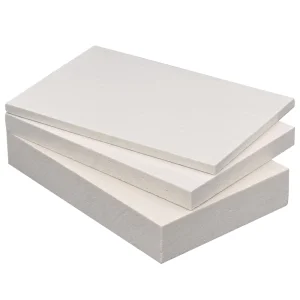
Ceramic fiber boards are classified into two temperatures 1260C and 1430C with thickness ranging from 6mm to 100mm and densities from 220kg/m3 to 600kg/m3.

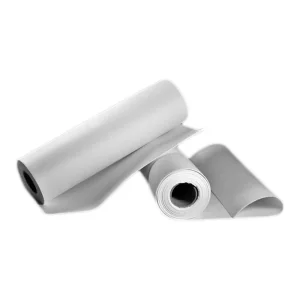
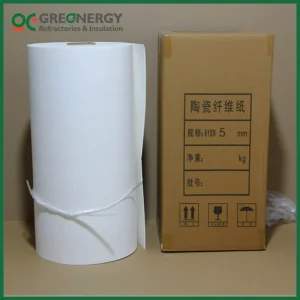
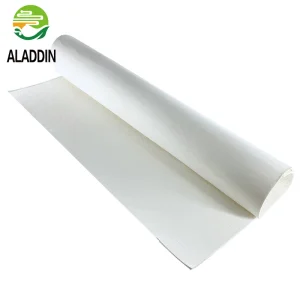
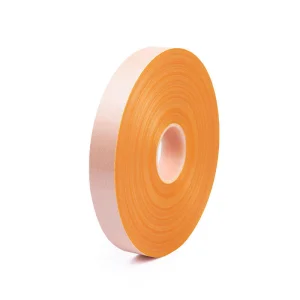
Ceramic fiber papers are classified into three types, 1260C standard, 1350C high aluminum, 1430C ZrO2 with thickness ranging from 1mm to 10mm and densities from 170kg/m3 to 220kg/m3.

Ceramic fiber modules are made out of ceramic fiber blankets. Stack bonded type and folded type are its two major forms. The density ranges from 160kg/m3 to 240kg/m3. And also three types of anchors (Type S/M/T) can be pre-installed.
Global procurement teams from Germany, USA, and Japan are increasingly looking at Chinese manufacturers for fireproof fiber paper. Why? Because the Chinese ceramic fiber industry has evolved from mass production to high-precision engineering. Our factory in Henan combines cost-effectiveness with world-class R&D.
Our products serve a diverse range of localized industrial needs:

RTO incinerator, shuttle kilns, rotary kilns, rolling kilns, Muffle furnaces etc.
Movable and tunnel kilns for ceramics and red bricks.

Thermal insulation for pizza ovens.

Refractory materials are widely used in the steel industry.
High-density ceramic fiber blankets for fire doors.

Ceramic fiber or Rockwool for industrial pipings.
When searching for a Top 10 Fireproof Fiber Paper Factory, technical specifications must lead the decision. Not all fiber papers are created equal. The manufacturing process involves washing the fiber to remove "shot" (un-fiberized particles), which determines the paper's insulating quality. A high-quality factory ensures a shot content of less than 15%, resulting in a smoother finish and better thermal resistance.
Standard 1260C Paper: Ideal for expansion joints and domestic appliances. It offers the best balance between cost and performance for most commercial applications.
High-Alumina 1350C Paper: Contains a higher percentage of Alumina (Al2O3), providing better chemical stability and resistance to shrinkage in extreme heat environments like molten metal handling.
Zirconia 1430C Paper: The pinnacle of refractory paper technology. By adding Zirconia, the paper can withstand continuous operating temperatures that would cause standard papers to fail, making it essential for aerospace and advanced chemical reactors.
Global enterprises also focus on Tensile Strength. For automated production lines where fiber paper is fed through machines for die-cutting, the paper must have high mechanical strength to prevent tearing. Our Chinese factory uses advanced organic binders that burn off cleanly during the first heat-up, leaving a pure, rigid insulating structure.