FibroCeram Materials
FibroCeram Materials
FibroCeram Materials
The global refractory lining material market is currently undergoing a transformative phase, driven by the intensive demands of heavy industries such as steel, cement, glass, and petrochemicals. As of 2024, the market is valued at over $30 billion, with a projected compound annual growth rate (CAGR) of 4.5% over the next decade. The primary catalyst is the global shift towards energy-efficient furnace operations and the reduction of carbon footprints.
In developed regions like Europe and North America, there is a massive surge in demand for lightweight, low-thermal-conductivity materials like Ceramic Fiber Modules and Refractory Blankets. These materials replace traditional heavy firebricks, offering faster heat-up times and significantly lower energy consumption. Meanwhile, emerging economies in Asia and the Middle East are expanding their infrastructure, leading to a steady procurement of high-density fiber boards and refractory castables.

Titan New Material (FibroCeram) stands as a beacon of quality among China's refractory lining material factories. We specialize in the full lifecycle of ceramic fiber products, ensuring that every batch meets rigorous international standards.
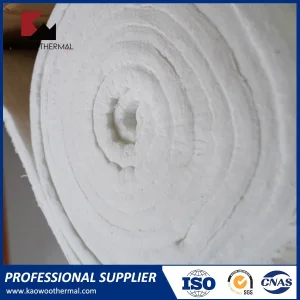
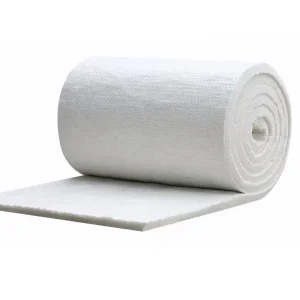
Classified into three temperatures: 1260°C, 1300°C, and 1430°C. Available in thicknesses from 6mm to 50mm and densities from 64kg/m³ to 160kg/m³. Perfect for furnace door seals and expansion joints.
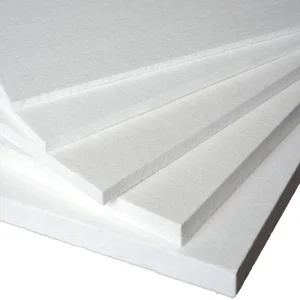
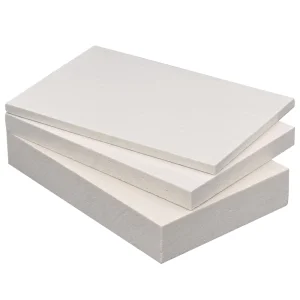
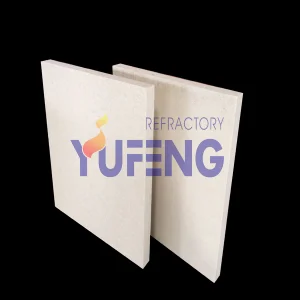
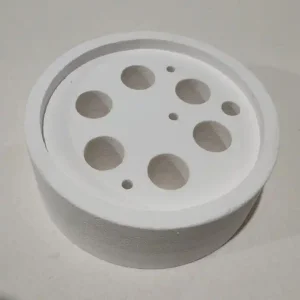
Available in 1260°C and 1430°C grades. These rigid boards range from 6mm to 100mm in thickness, with densities up to 600kg/m³. Ideal for high-velocity gas environments.
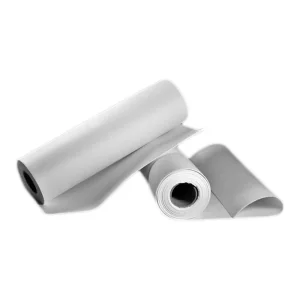
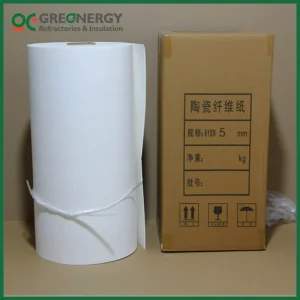
Three specialized types: 1260°C Standard, 1350°C High Aluminum, and 1430°C ZrO2. With thickness as thin as 1mm, it provides excellent gasket and sealing properties.
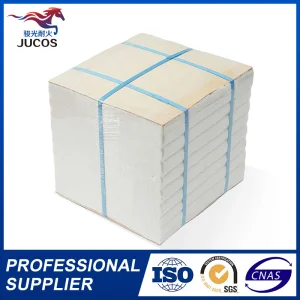
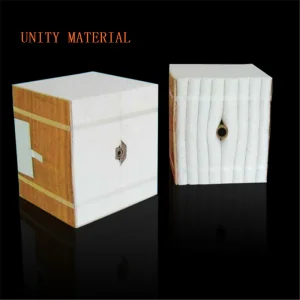
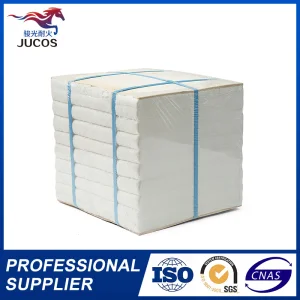
Made from compressed blankets in stack-bonded or folded forms. Features pre-installed Type S/M/T anchors for rapid furnace lining installation. Density: 160-240kg/m³.
Including Spunbond Nonwoven Fabric, Carbon Fiber, and PTFE-coated fiberglass. These are engineered for high-tensile strength in extreme heat.
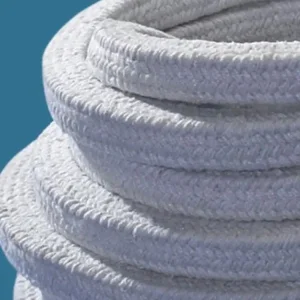
High-purity alumina-silica materials used for kiln door infills and bulk insulation, ensuring no gaps in your thermal shield.
Global procurement is shifting toward "Bio-Soluble" fibers. These materials maintain high heat resistance but are safer for human health and easier to dispose of. As a top exporter, we are integrating eco-friendly binders into our production lines to meet EU environmental regulations.
Modern engineering now uses AI to simulate heat flow within refractory linings. By optimizing the thickness of ceramic fiber boards and modules, factories can reduce energy waste by up to 30%. We provide technical consultancy based on these digital simulations.
The trend is moving away from brick-and-mortar towards monolithic linings (castables and modules). These provide a seamless insulation layer, preventing "hot spots" and extending the service life of industrial kilns.
With the "Carbon Border Adjustment Mechanism" (CBAM) coming into play, steel and cement manufacturers are prioritizing suppliers who can prove the energy-saving ROI of their refractory products.
Our materials aren't just products; they are solutions tailored to specific industrial challenges across the globe.

Our ceramic fiber modules are the backbone of RTO (Regenerative Thermal Oxidizers) and rotary kilns, providing stability during rapid thermal cycling.
Designed for large-scale ceramics and red brick production, ensuring uniform temperature distribution and energy savings.

A growing market in the hospitality sector. Our lightweight blankets provide the perfect insulation for portable and fixed pizza ovens.
Ladle covers, tundish linings, and reheating furnaces rely on our 1430°C Zirconia-grade fiber products to withstand extreme molten metal proximity.

High-density blankets serve as the core for fire-rated doors and ship deck insulation, meeting safety certifications worldwide.

Thermal wrapping for high-pressure steam pipes in power plants, preventing energy loss over long-distance transport.

China is home to the world’s largest reserves of alumina and silica, the raw materials for refractory products. This proximity allows us to maintain stable pricing and massive production capacity that Western manufacturers often struggle to match.
Over the last decade, Chinese factories have moved from "copying" to "leading." Henan FibroCeram invests heavily in vacuum forming technology and automated needle-punching lines, resulting in fiber blankets with higher tensile strength and lower shot content (non-fibrous material).
Our proximity to major shipping hubs means we can offer competitive freight rates and shorter lead times to the Middle East, Southeast Asia, and Europe. We handle all export documentation, ensuring a seamless procurement experience for international buyers.
When sourcing refractory lining materials, B2B buyers should focus on three critical metrics: Thermal Stability, Shot Content, and Bulk Density.
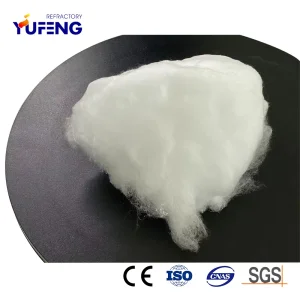
The term "Refractory Lining Material" encompasses a vast array of high-temperature solutions, but the dominant player in the modern era is Aluminum Silicate (Ceramic Fiber). Unlike traditional bricks, these fibers are created by melting high-purity alumina and silica in an electric furnace and then "spinning" or "blowing" them into a wool-like consistency. This process creates a material with extremely low thermal mass, meaning it does not store heat, allowing furnaces to reach temperature faster and cool down rapidly, saving thousands of dollars in energy and time.
Global enterprises, particularly in the iron and steel sectors, are currently facing immense pressure to optimize their heat-treatment processes. The introduction of 1430°C Zirconia-containing ceramic fiber has been a game-changer, offering stability in environments where standard fibers would shrink or fail. As a leading factory in China, we ensure that our manufacturing processes minimize "shot" content—the tiny unfiberized droplets that can reduce insulation efficiency. By maintaining high fiber length and low shot content, our blankets and modules provide superior mechanical strength.
Localized application scenarios often dictate the choice of material. For instance, in an RTO incinerator, the material must withstand chemical erosion and high gas velocities; here, our high-density ceramic fiber boards are the preferred choice. In contrast, for a fire door manufacturer, the priority is flexibility and density for fire-rating compliance, where our specialized 128kg/m³ blankets excel. As the global supply chain continues to evolve, China's refractory exporters remain at the forefront by offering a perfect balance of advanced technology, massive scale, and competitive pricing.
Looking ahead, the industry is moving towards smart monitoring. Some advanced linings now incorporate sensors to detect heat leakage in real-time. While we focus on the core insulation material, our products are designed to be compatible with these future-tech integrations. Choosing a supplier like Henan FibroCeram means you are not just buying a blanket or a board; you are investing in a decades-long heritage of thermal engineering excellence that powers the world's most demanding industries.