FibroCeram Materials
FibroCeram Materials
FibroCeram Materials
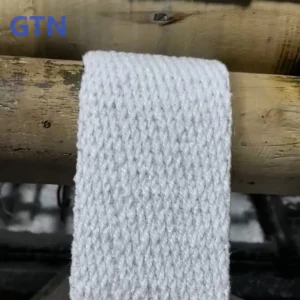
In the modern industrial era, energy efficiency and thermal management are no longer just operational choices—they are regulatory requirements and economic necessities. Lagging rope, particularly those made from ceramic fiber and advanced glass filaments, stands as the frontline defense in high-temperature environments. From the massive steam pipes of power plants in Europe to the precision kilns of Asian ceramic manufacturers, these specialized ropes provide the essential sealing and insulation required to maintain process stability.
Global demand for lagging rope has surged due to the revitalization of the manufacturing sector and the stringent safety standards in the oil, gas, and marine industries. As industries transition away from hazardous materials like asbestos, ceramic fiber lagging ropes have become the gold standard for applications exceeding 1000°C.
Our proximity to raw material sources in Henan allows for uninterrupted production and highly competitive pricing for bulk orders.
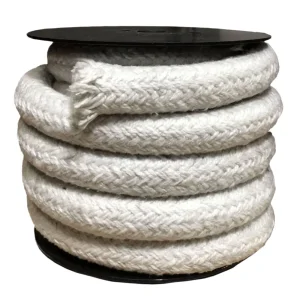
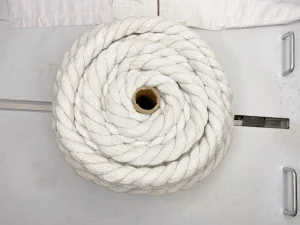
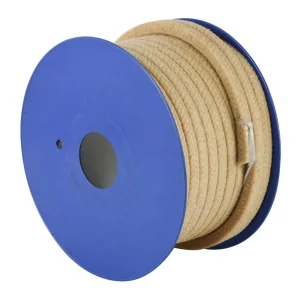
Whether you need square, round, or twisted braids with specific reinforcements like Inconel wire, we provide tailored solutions.
Every meter of lagging rope undergoes thermal stress testing and density verification to ensure it meets international safety standards.
Procurement managers from the USA, Germany, and the UAE look for more than just a product; they look for reliability. The primary concerns in lagging rope procurement include thermal conductivity ratings, tensile strength, and chemical resistance. As a leading China supplier, we bridge the gap by providing localized support, fast shipping via major ports, and comprehensive technical data sheets that facilitate engineering approvals.
Thermal Insulation Material Experts
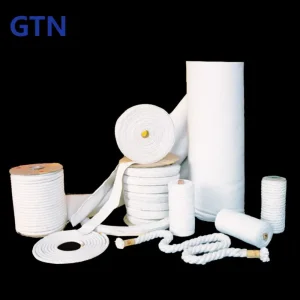
Titan New Material is a major ceramic fiber manufacturer in China. We offer a comprehensive suite of thermal solutions, including ceramic fiber blankets, bulk fiber, boards, papers, modules, refractory castables, and refractory bricks. Our expertise in lagging rope is backed by a robust manufacturing infrastructure designed for high-performance refractory textiles.

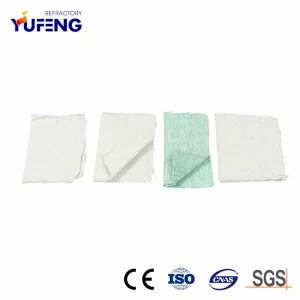
Classified into temperatures 1260C, 1300C, and 1430C. Thickness: 6mm to 50mm. Densities: 64kg/m3 to 160kg/m3.

Classified into 1260C and 1430C. Thickness: 6mm to 100mm. Densities: 220kg/m3 to 600kg/m3.

Three types: 1260C standard, 1350C high aluminum, 1430C ZrO2. Densities: 170kg/m3 to 220kg/m3.

Stack bonded and folded types. Densities: 160kg/m3 to 240kg/m3. Pre-installed anchors (S/M/T) available.
Global Application Scenarios for Our Ceramic Fiber Lagging Ropes

RTO incinerator, shuttle kilns, rotary kilns, rolling kilns, Muffle furnaces etc.
Movable and tunnel kilns for ceramics and red bricks.

Thermal insulation for residential and commercial pizza ovens.
Refractory materials widely used in blast furnaces and casting pits.
High-density ceramic fiber blankets used for critical fire door sealing.

Ceramic fiber or Rockwool for thermal wrapping of high-pressure industrial pipings.
The application of lagging rope varies significantly by region. In Northern Europe, the focus is on district heating systems where lagging ropes seal thermal pipe connections. In Southeast Asia, the textile and dye industries utilize these ropes for boiler door seals to minimize energy loss in humid climates. In North America, the aerospace and automotive sectors demand lightweight lagging ropes with high vibrational resistance.
As a global supplier, we understand these localized nuances. Our 1260C series is engineered to withstand the chemical exposure of petrochemical refineries, while our fiberglass-reinforced variants offer the flexibility needed for intricate piping in naval vessels.
The future of the lagging rope industry lies in "Intelligent Insulation." We are currently researching fibers that can change opacity or density in response to extreme heat fluctuations. While these technologies are in the developmental phase, our current range of ceramic and silicate ropes already utilizes the latest braiding techniques to ensure 0% shrinkage at high operating temperatures.