 FibroCeram Materials
FibroCeram Materials
FibroCeram Materials
High-temperature insulation is vital in many industrial applications. Proper insulation ensures energy efficiency and safety. However, many industries still struggle with insulation performance. This issue leads to energy loss and higher operational costs. Thus, it is essential to understand how to improve high-temperature insulation performance in industrial applications.
Insulation materials vary widely. Some materials perform better at high temperatures than others. Industries utilize different techniques to enhance insulation. Yet, some of these methods fall short of expectations. They often require continual maintenance or replacement, resulting in added costs. Identifying the right approach is crucial.
Improving high-temperature insulation performance is not an easy task. Factors like material properties, installation methods, and environmental influences all play significant roles. These aspects must be carefully evaluated. By focusing on innovative solutions and learning from past mistakes, industries can significantly enhance their insulation strategies.
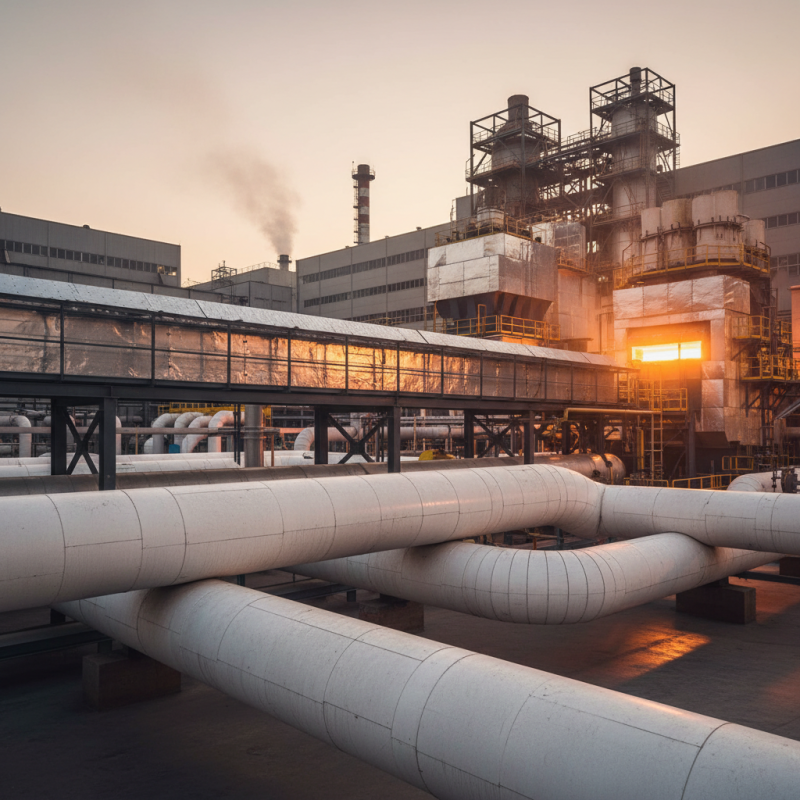
Selecting the right insulation material for high-temperature applications is crucial. The performance of insulation can significantly impact energy efficiency and safety in various industrial settings. Advanced materials like ceramic fibers and aerogels have shown promising results. According to the 2022 Thermal Insulation Materials Report, these materials can withstand temperatures above 1,200°C, far exceeding traditional options.
When choosing materials, consider factors such as thermal resistance, durability, and weight. These characteristics are essential for maintaining peak efficiency in high-temperature environments. For instance, ceramic fibers provide exceptional insulation but can be more brittle, requiring careful handling. On the other hand, aerogels, while lightweight, can be expensive. Balancing these factors is vital for successful implementation.
**Tip:** Always evaluate the specific temperature range and environmental conditions of your application.
Flexibility in selection is key. Sometimes, a combination of materials can yield better results than a single solution. Reflecting on past projects can provide insights into what worked or failed. One overlooked aspect could be installation quality, which dramatically impacts performance, regardless of the material's capabilities.
**Tip:** Invest in training for installation teams to minimize errors.
: The right insulation affects energy efficiency and safety in industrial settings.
Ceramic fibers and aerogels are promising options. They can withstand temperatures above 1,200°C.
Evaluate thermal resistance, durability, and weight. These factors impact efficiency in high-temperature environments.
Yes, ceramic fibers can be brittle and require careful handling during installation.
Not always. A combination of materials may provide better results for specific applications.
Installation quality is crucial. Poor installation can negate the benefits of high-quality materials.
Regular checks prevent efficiency loss. Data shows improper maintenance can reduce performance by 20%.
Thermal imaging is effective for spotting heat leaks and identifying problem areas.
Look for moisture or damage, as these can significantly compromise insulation integrity.
Regular training helps staff identify issues quickly, bridging the gap between awareness and action.
To improve high-temperature insulation performance in industrial applications, it is crucial to adopt a multifaceted approach that encompasses selecting advanced insulation materials specifically designed for high-temperature conditions. By integrating innovative materials with enhanced thermal resistance, industries can significantly enhance the efficiency of their insulation systems.
Additionally, optimizing installation practices plays a vital role in maximizing insulation efficiency. Proper installation ensures the integrity of the insulation, minimizing heat loss and enhancing overall system performance. Regular monitoring and maintenance practices are essential to sustain the effectiveness of the insulation over time. Furthermore, staying updated with innovative technologies and research trends will help industries implement the latest advancements in insulation solutions, ultimately leading to improved performance in high-temperature environments.
